
Installation Method of Non-contact Radar Sensor
Installing a non-contact radar sensor ensures accurate, stable measurement. Choose a mounting location with a clear view of the target surface. Avoid beams, pipes, agitators, ladders, and other obstructions that can cause false echoes. Keep it away from strong vibration, direct heat, and excessive dust or steam. Mount the sensor perpendicular to the target surface. Use a rigid bracket or flange, and tighten all fasteners to prevent movement. For liquid level, keep the recommended distance from the tank wall and avoid mounting directly above the inlet flow. If tilted, stay within the specified angle. Use a sunshade or protective cover outdoors. Connect power and signal cables according to the wiring diagram. Use shielded cable for long runs, separate power from high-voltage lines, and seal cable entries against moisture. Ground the housing if required. Before powering, check supply voltage, polarity, and communication settings. Configure the measurement range, output signal, damping, and echo threshold. Perform false-echo learning or empty-tank calibration if supported. Compare readings with a manual measurement or known reference, and confirm stable output. Record final settings for future maintenance. After commissioning, inspect the installation. Make sure the sensor face is clean, the bracket is secure, and readings remain reliable under normal conditions. Proper planning, mounting, wiring, and calibration help the non-contact radar sensor deliver long-term performance.
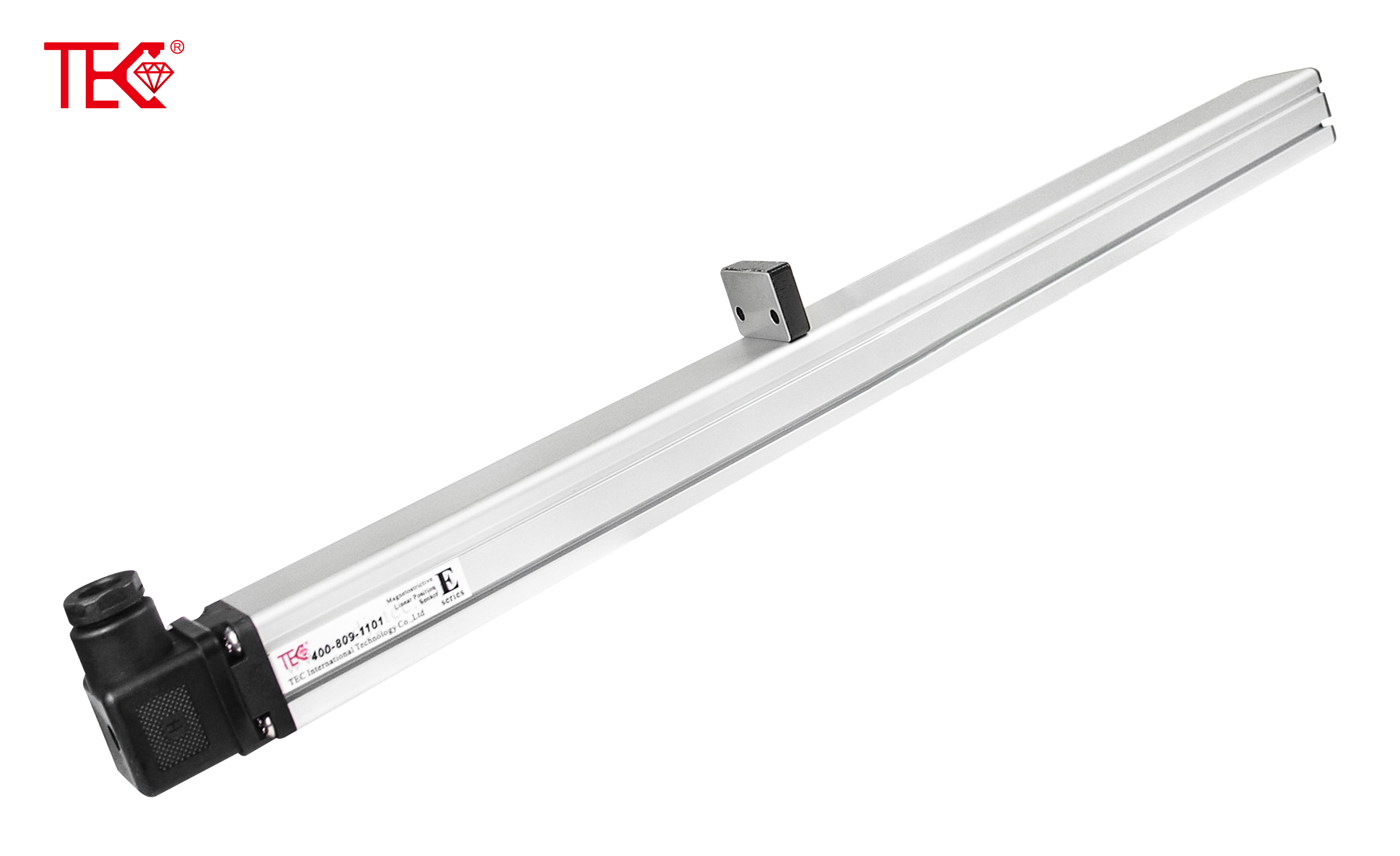
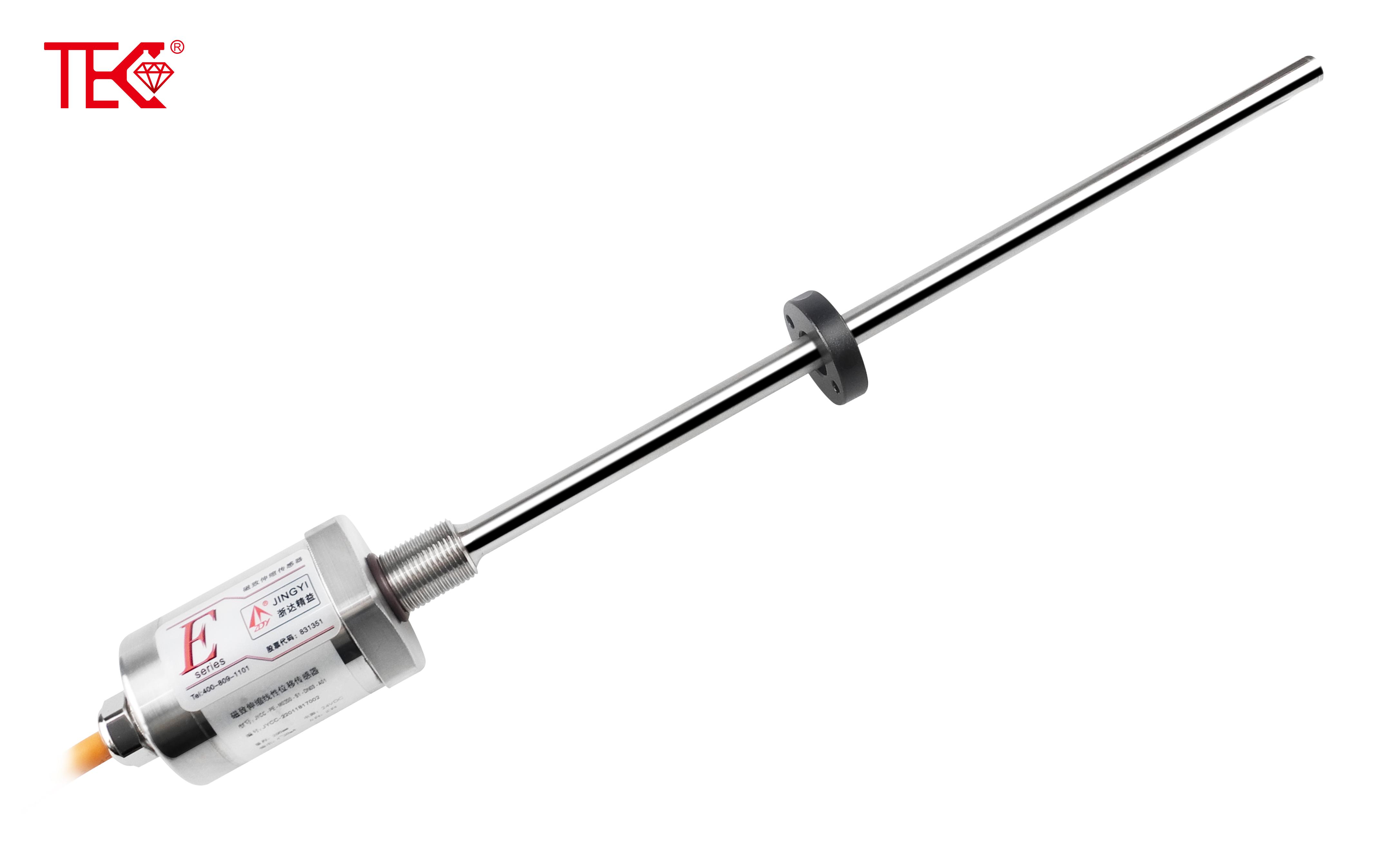 Import Substitute Flange-mount
Installation Method of Non-con
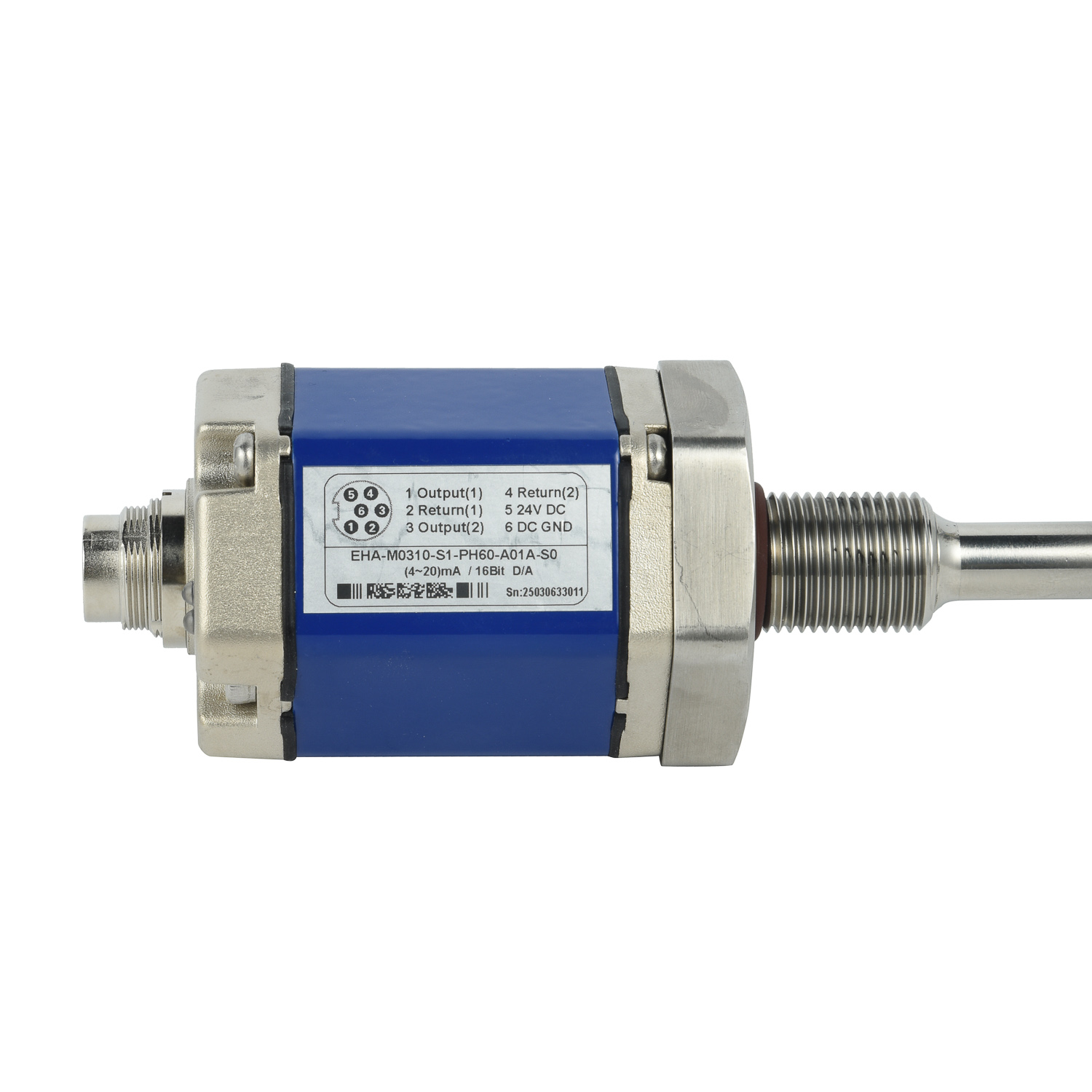 Working Principle of High-pres
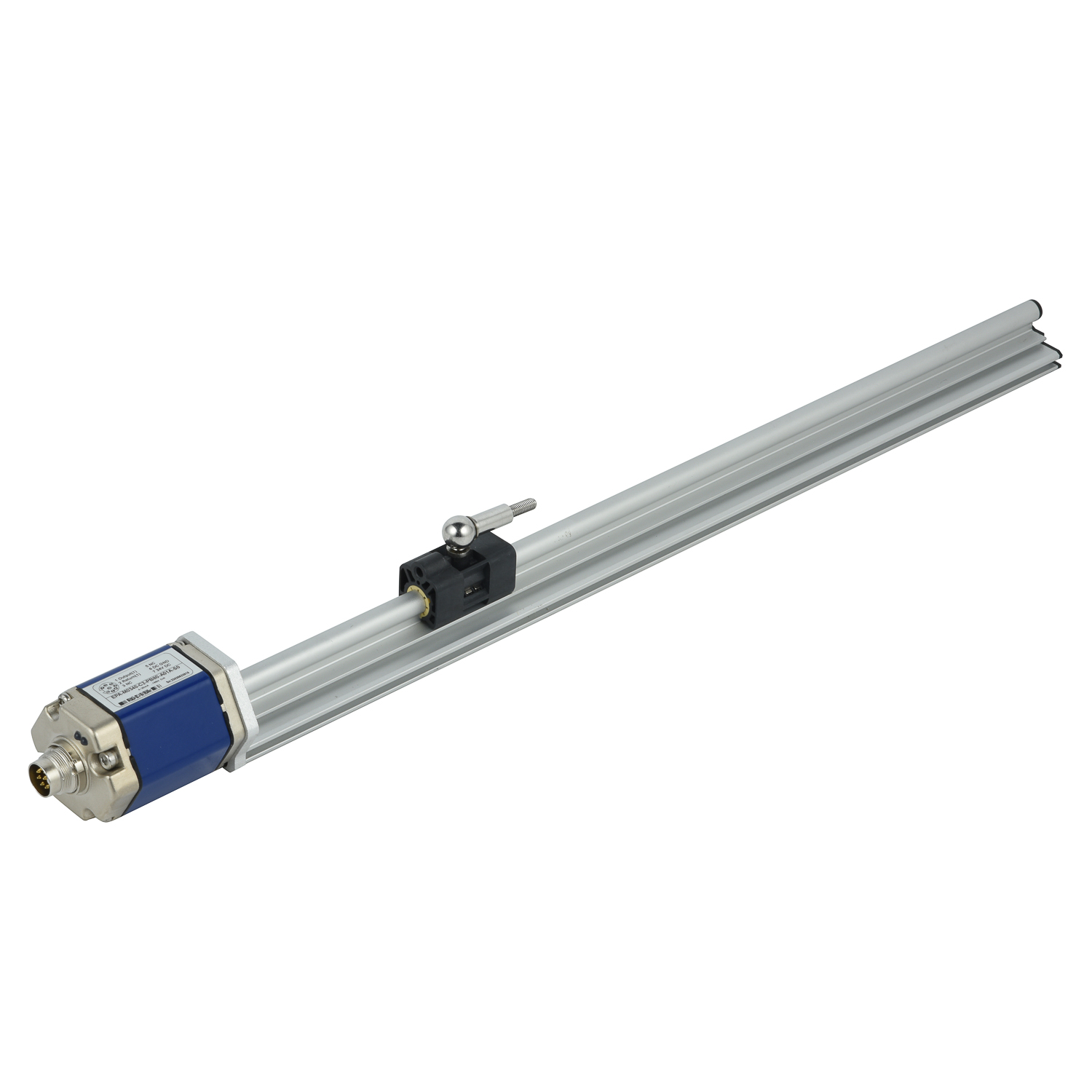 Technical Parameters of High-t