
Working Principle of High-pressure Radar Sensor
A high-pressure radar sensor measures level or distance in pressurized vessels by transmitting and receiving low-power electromagnetic waves. The sensor is mounted through a sealed process connection, and its antenna or dielectric window separates the internal electronics from the high-pressure process. The pressure housing and sealing system protect the radar module while allowing microwaves to pass into the tank.
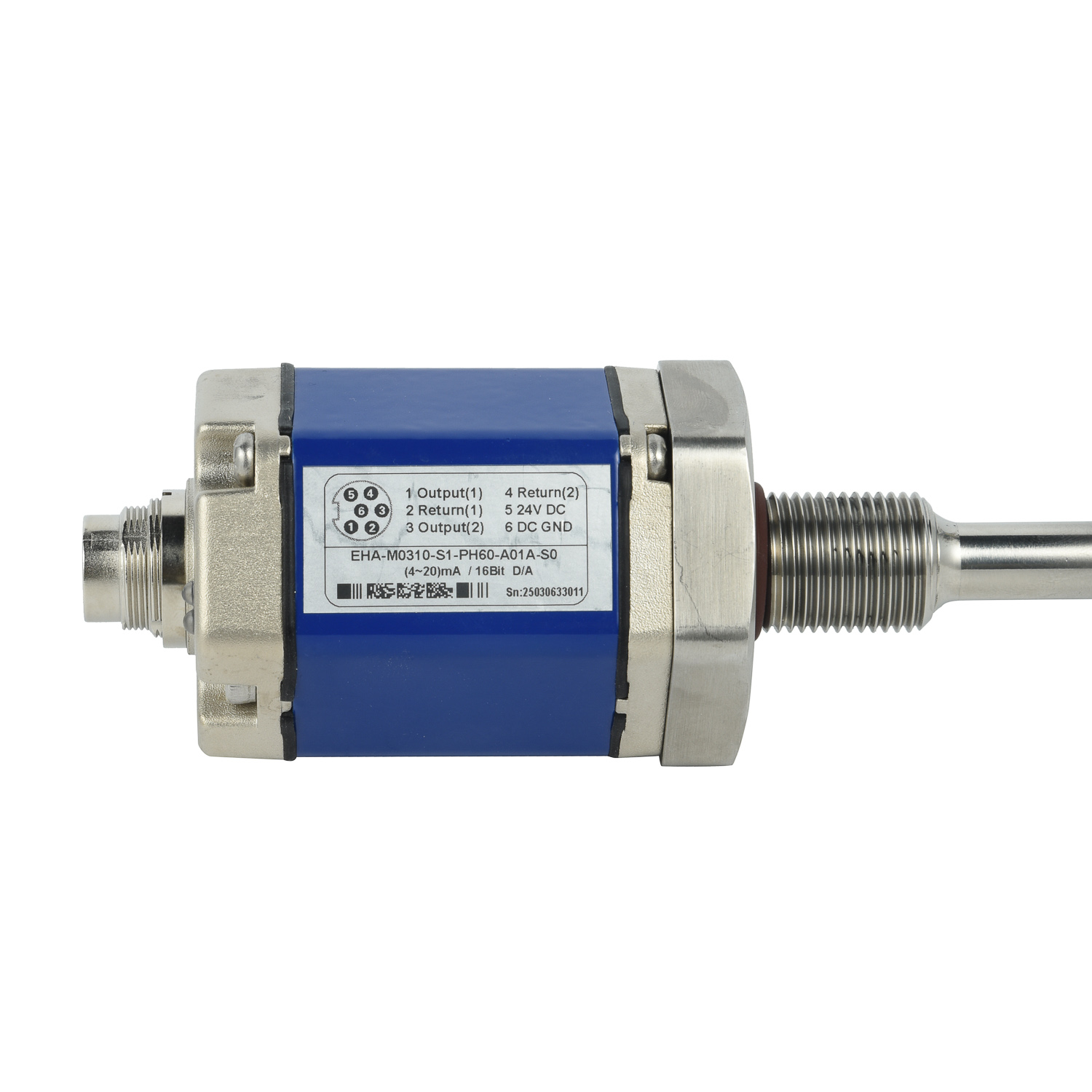
The electronics generate a frequency-modulated continuous wave (FMCW) signal. The transmitted signal travels through the antenna, enters the vessel, and reflects from the product surface. Because the product surface is at a different distance, the reflected signal returns with a delay and a frequency shift. The receiver mixes the echo with a reference signal, producing a low-frequency beat signal. The sensor then converts this difference into a digital level output for the control system. This non-contact method avoids product contact and is suitable for high-pressure tanks. Its frequency is proportional to the distance to the surface.
Signal processing filters noise, compensates for temperature and pressure effects, and converts the beat frequency into a level reading. A high-pressure radar sensor uses robust sealing, stable dielectric materials, and compensation algorithms to maintain accuracy under harsh conditions. It provides non-contact measurement, reduces maintenance, and suits chemical tanks, reactors, and other high-pressure process vessels.
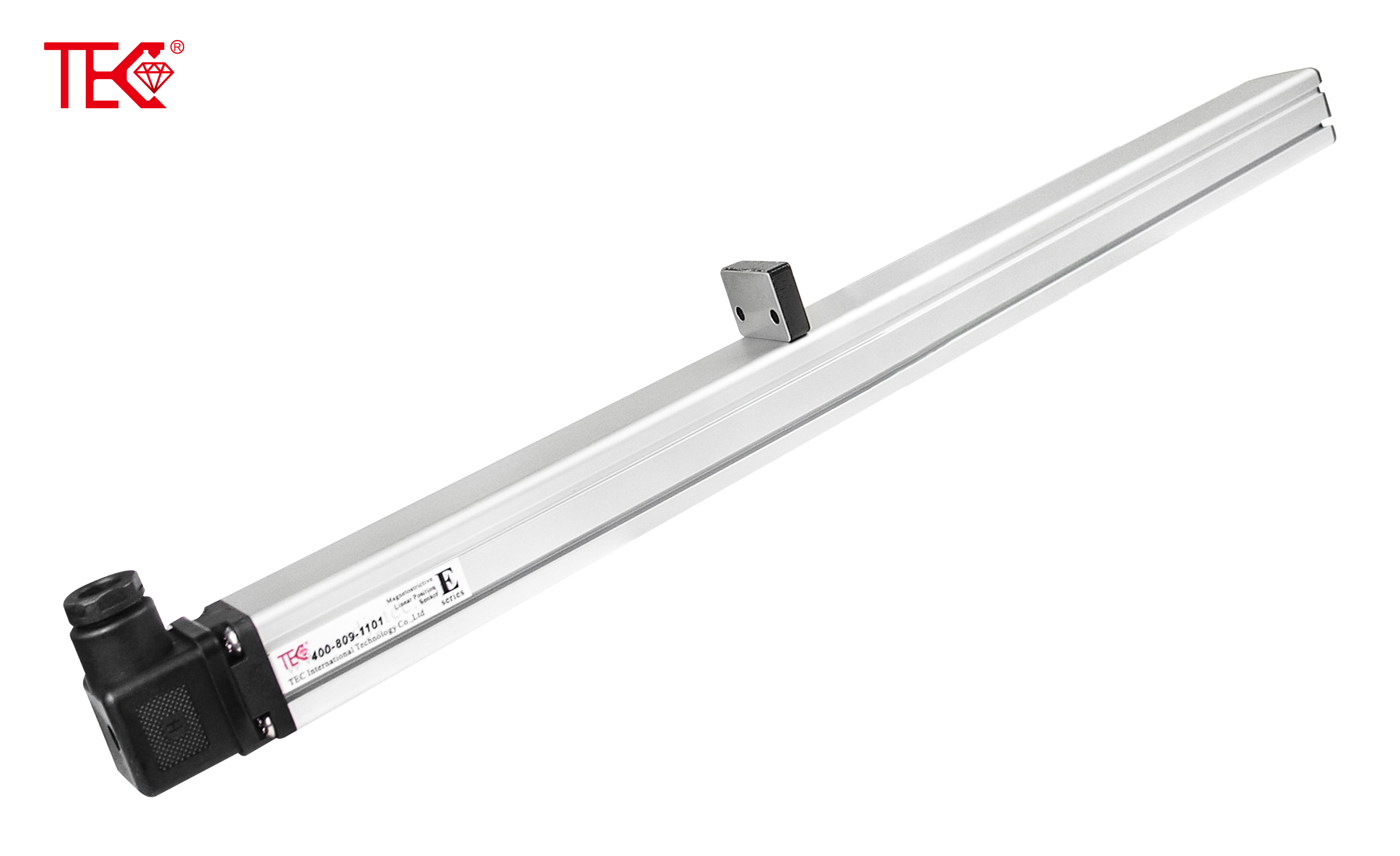 Installation Method of Non-con
Working Principle of High-pres
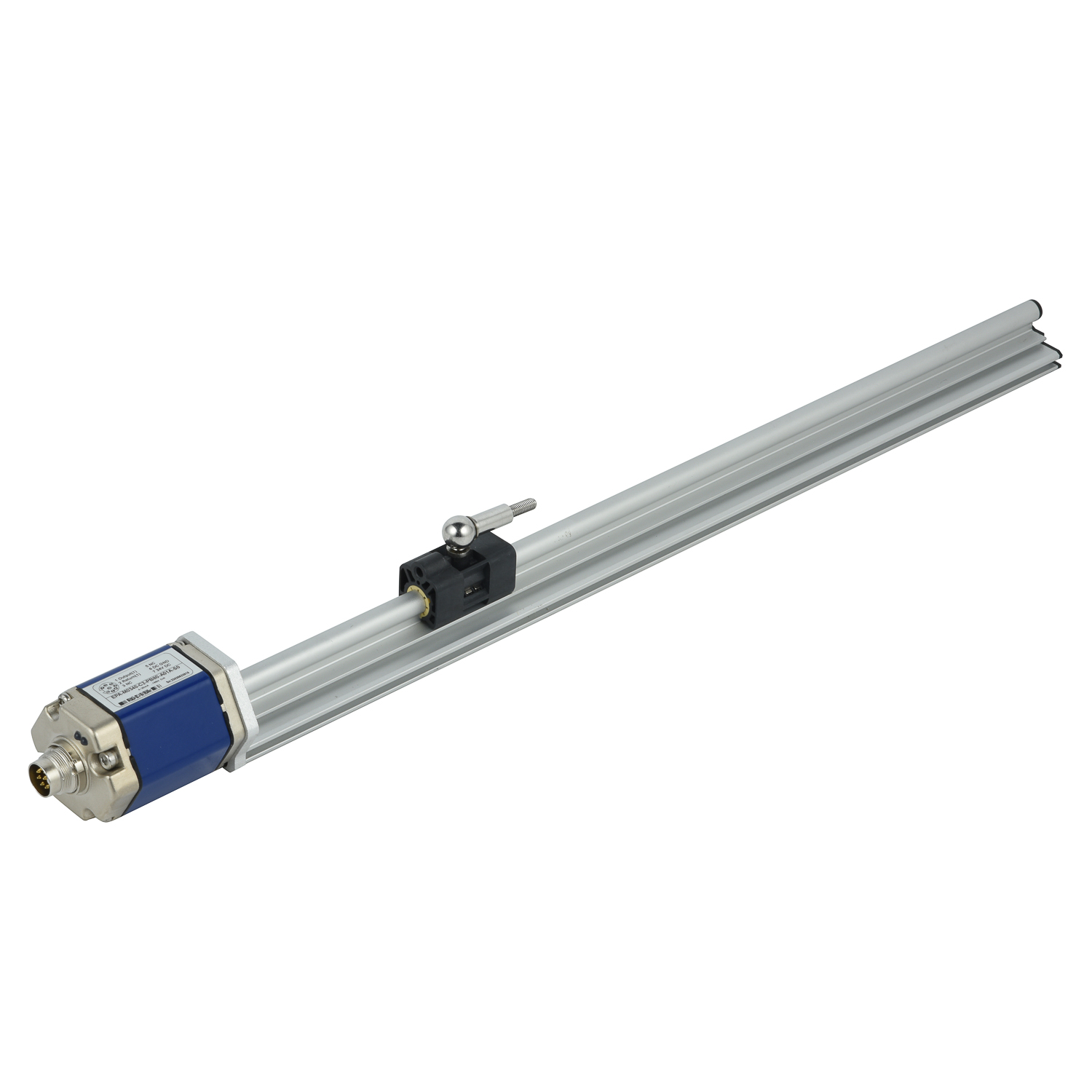 Technical Parameters of High-t
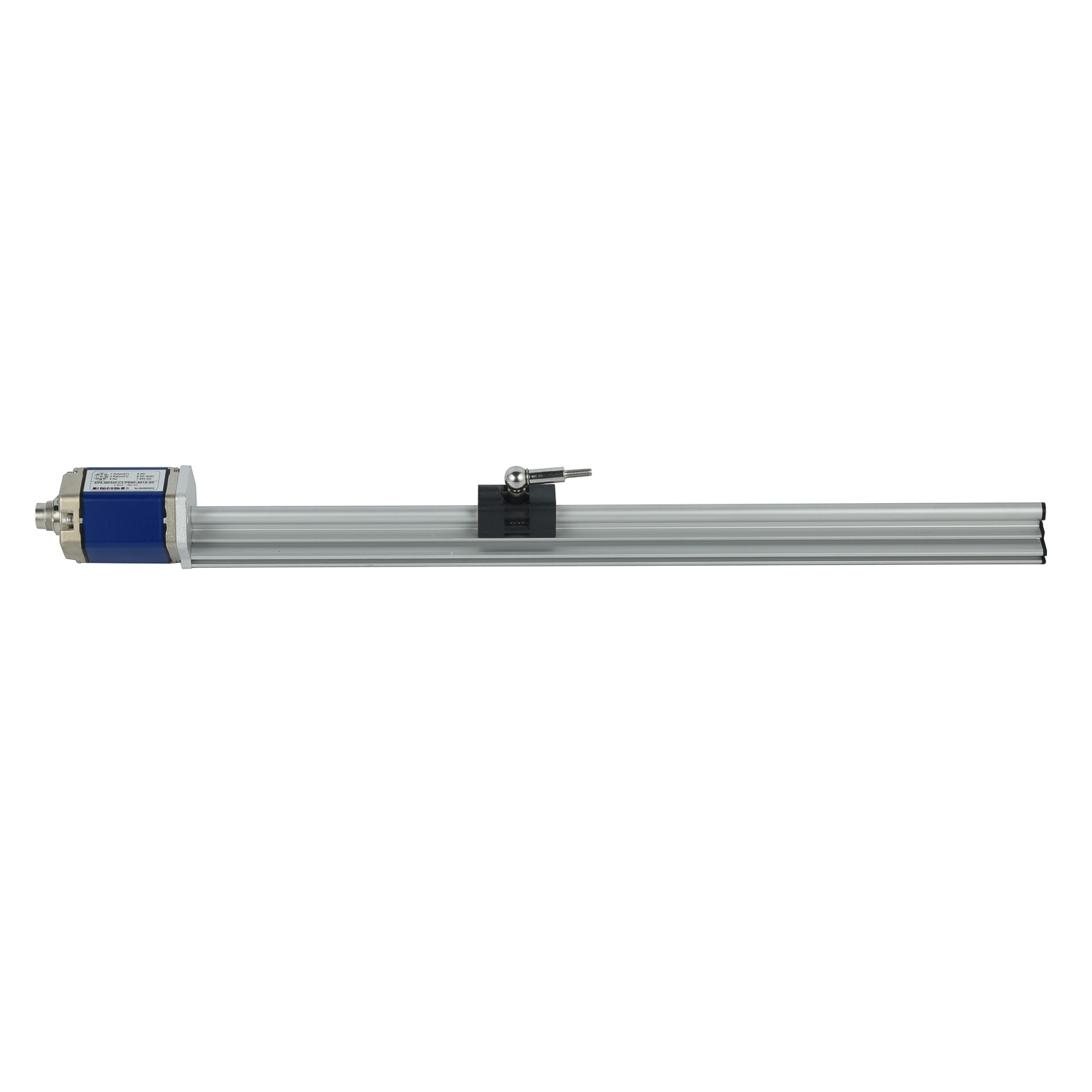 Waterproof Radar Sensor Price