
Intrinsically Safe Explosion-proof Radar Sensor Selection
Selecting an intrinsically safe explosion-proof radar sensor begins with hazardous-area classification. Confirm whether the site is Zone 0, 1, or 2 for gas, or Zone 20, 21, or 22 for dust. Verify the required ATEX or IECEx certificate, equipment group, gas/dust subgroup, and temperature class. The sensor must form a certified intrinsic-safety system with its barrier or galvanic isolator. Compare entity parameters carefully: sensor Ui, Ii, Pi, Ci, and Li must match the associated apparatus and cable limits. Check supply voltage, current consumption, loop resistance, and cable capacitance and inductance. Do not exceed approved values after adding cable and junction-box effects. Confirm process ratings and functional safety needs.
Radar performance is equally important. Review frequency, beam angle, measuring range, accuracy, and ability to handle condensation, foam, agitation, or low-dielectric media. Select antenna and enclosure materials that suit the process, such as PTFE, stainless steel, or coated housings, and confirm the IP rating. Consider nozzle size, blocking distance, installation clearance, and grounding. Prefer sensors with clear diagnostics, remote configuration, and easy maintenance in hazardous areas. Document the loop calculation and verify that the barrier is mounted outside the hazardous area unless certified otherwise. During commissioning, inspect cable glands, seals, grounding, and nameplate markings; then schedule routine checks to maintain certification.
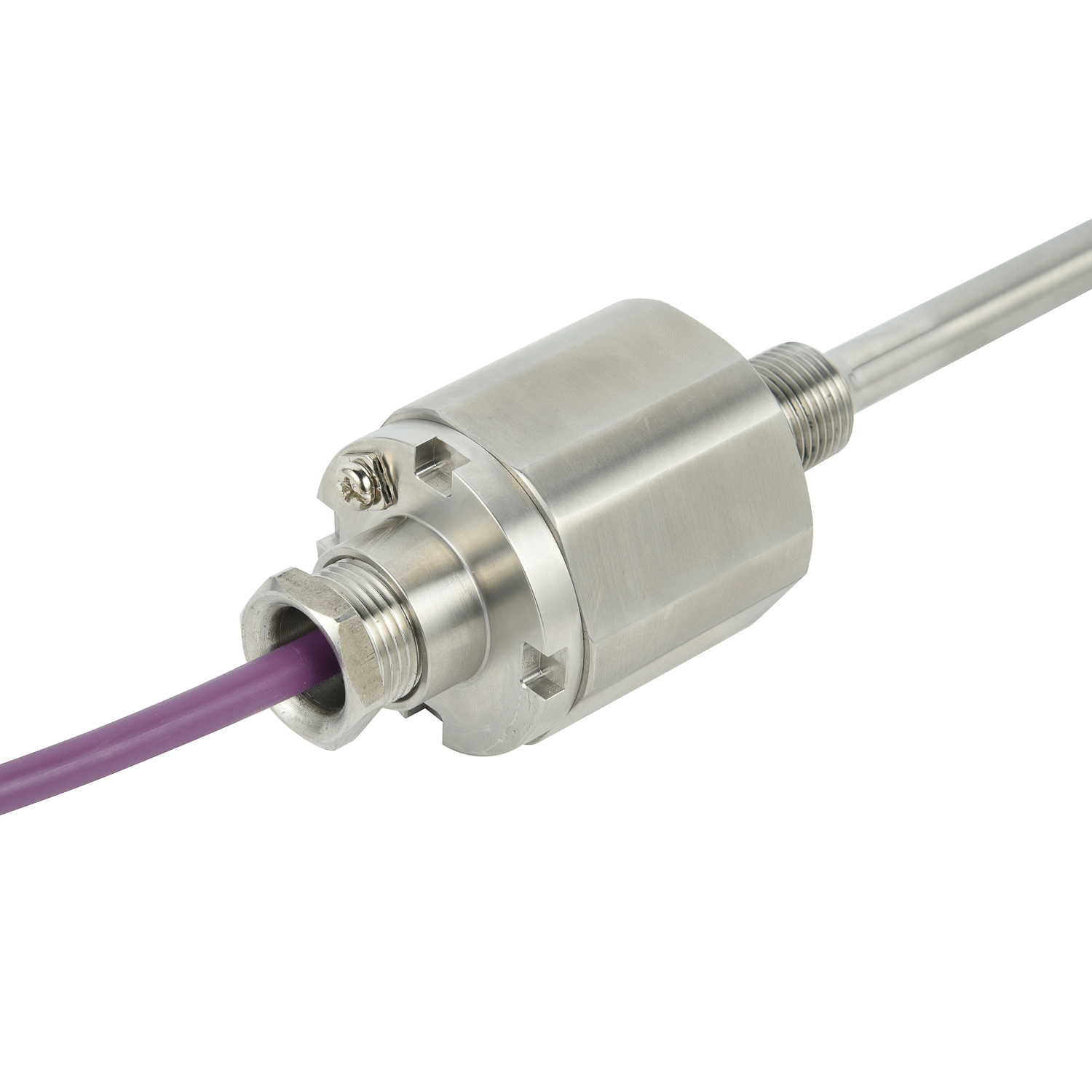
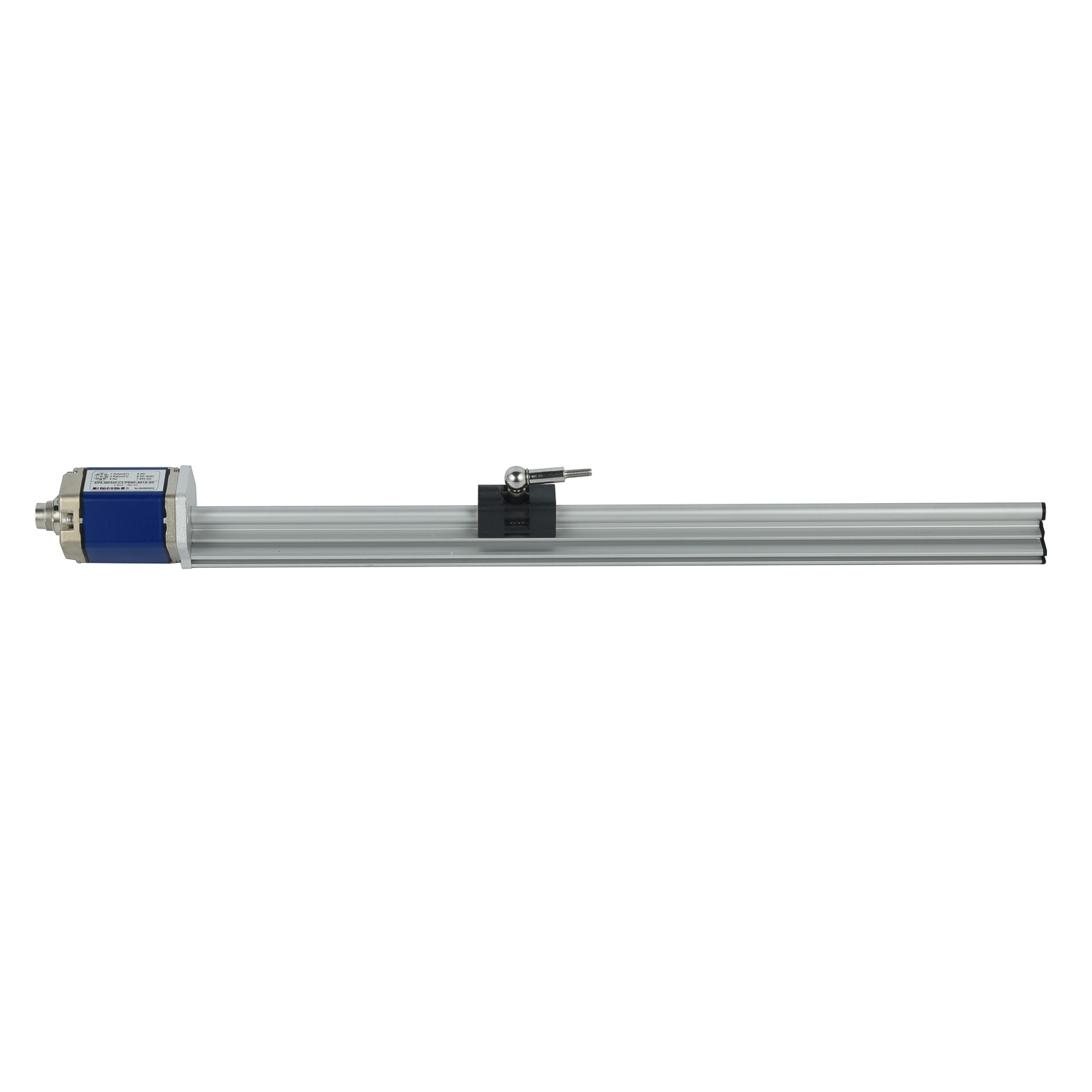 Waterproof Radar Sensor Price
Intrinsically Safe Explosion-p
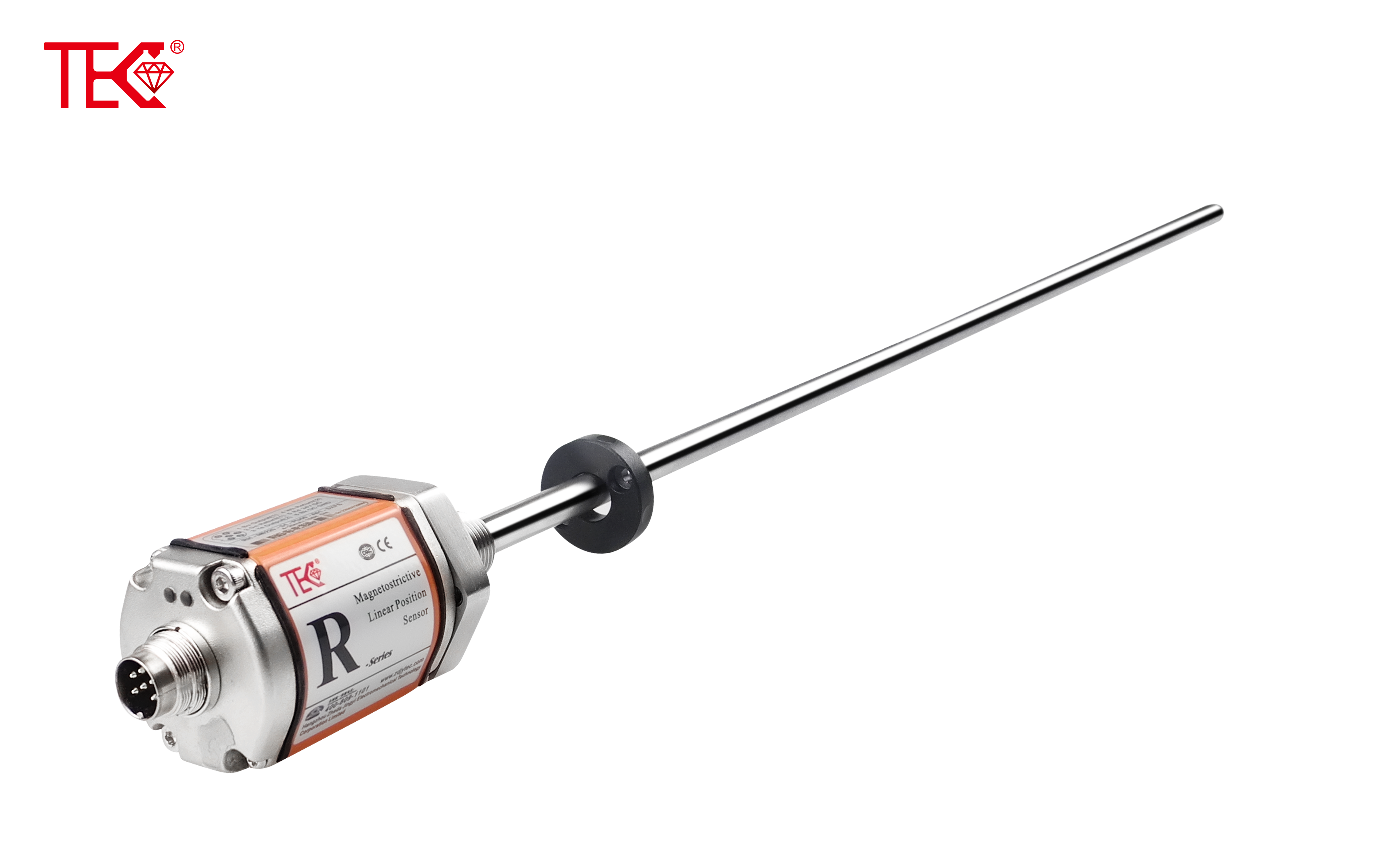 Explosion-proof Radar Sensor M
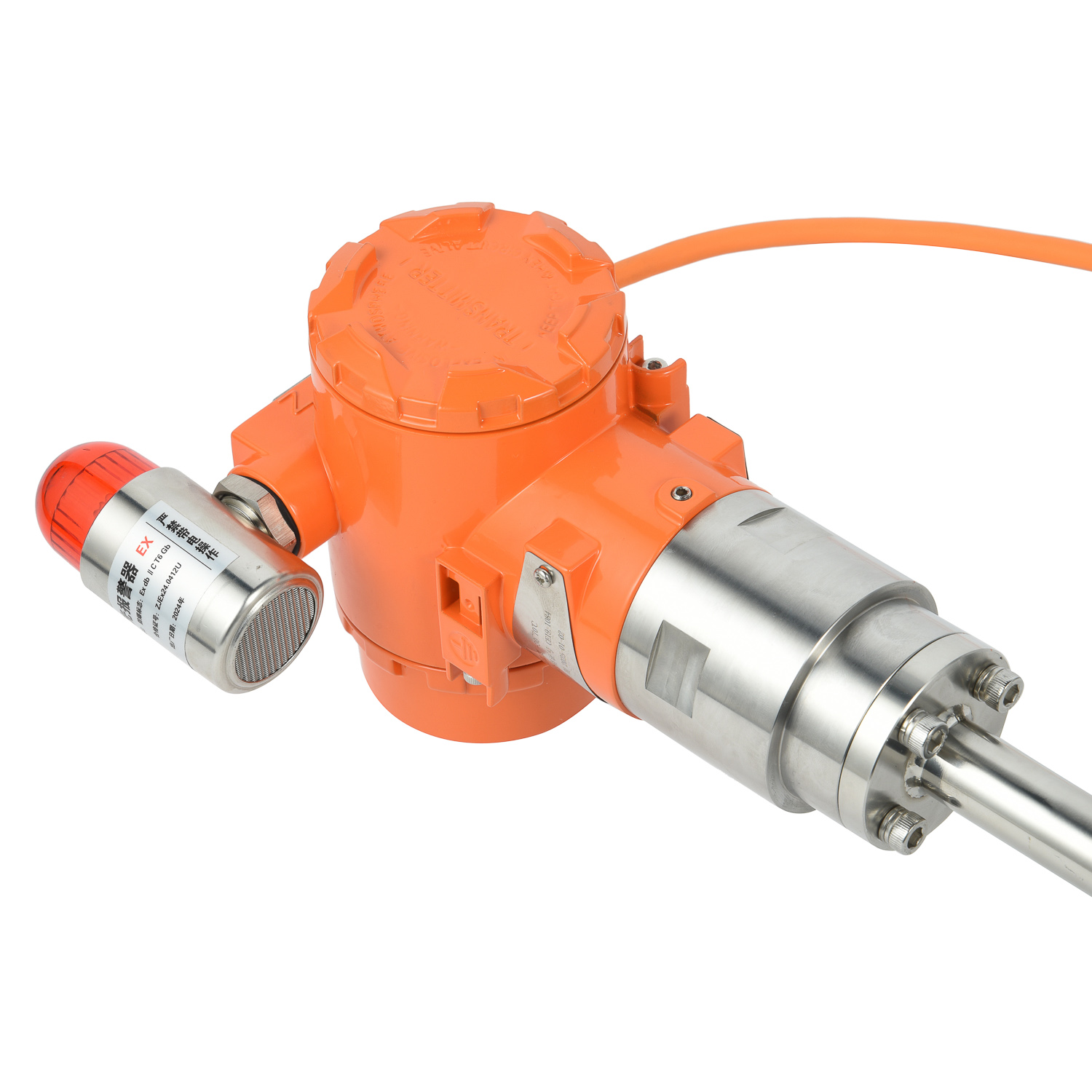 Radar Sensor for Hoists