
Radar Sensor for Hoists
Radar sensors are transforming safety in hoist systems. Unlike mechanical limit switches, a radar sensor for hoists detects obstacles, people, and moving equipment without contact. It uses high-frequency radio waves to measure distance and relative motion, even in dust, darkness, rain, or harsh industrial conditions. When an object enters a preset safety zone, the sensor sends a signal to the hoist controller to slow, stop, or warn operators. This helps prevent collisions, load damage, and workplace accidents. Modern radar sensors are compact, rugged, and easy to integrate with cranes, monorails, and lifting stations. Adjustable detection ranges and filtering reduce false alarms, while continuous monitoring supports predictive maintenance. For warehouses, factories, steel plants, and construction sites, radar sensing improves operational efficiency and protects workers. Choose a sensor rated for vibration, temperature swings, and electromagnetic interference. Correct mounting, regular testing, and clear zone settings are essential for reliable performance. The sensor's output can be linked to alarms, brakes, or PLCs, creating an active safety layer that works alongside traditional limits. In busy lifting areas, this contactless monitoring reduces blind spots and supports smoother load positioning. Routine inspection of the lens, wiring, and detection zone keeps readings stable over time. A radar sensor for hoists is a smart investment in safer lifting and smoother material handling.
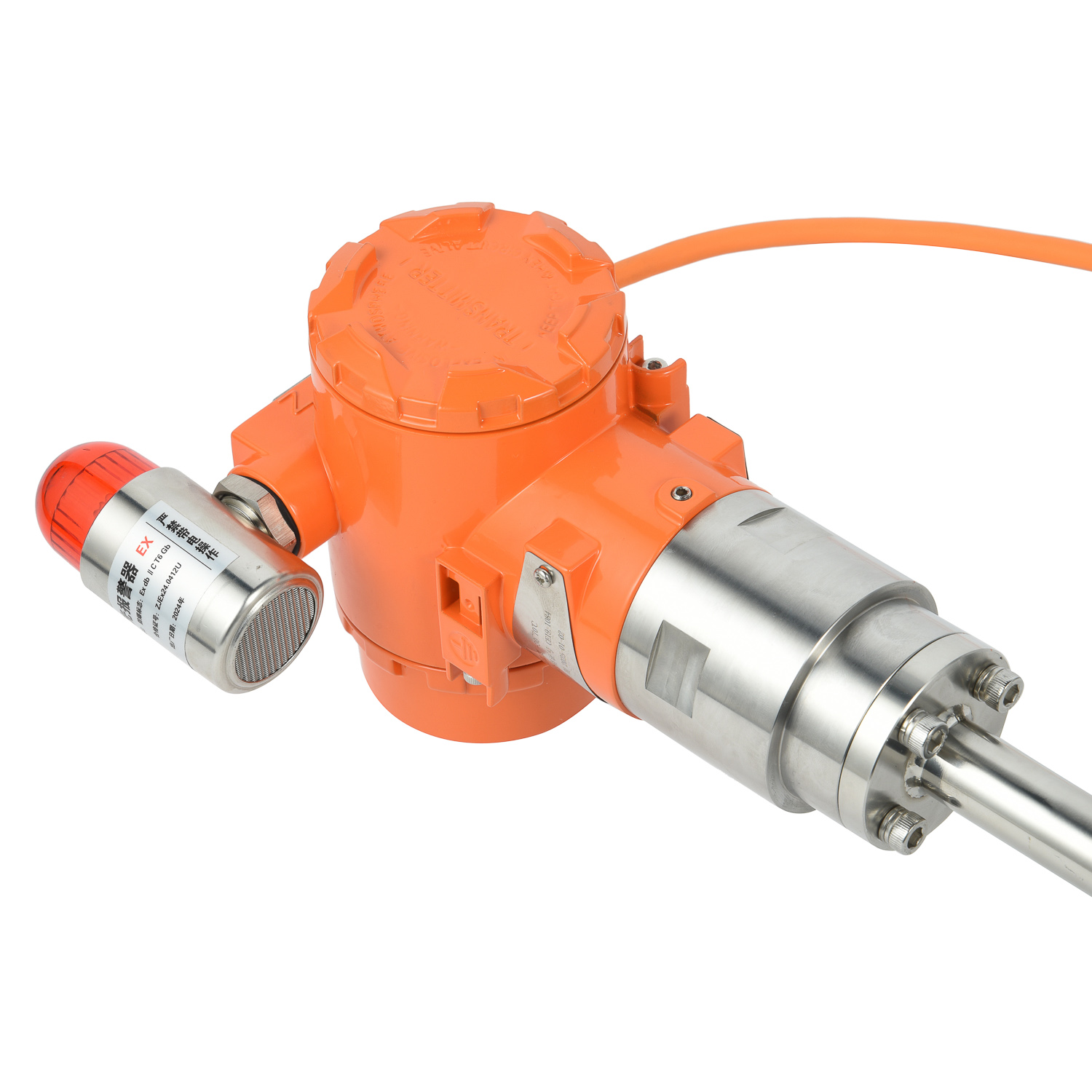
 Explosion-proof Radar Sensor M
Radar Sensor for Hoists
 Radar Sensor for Gates
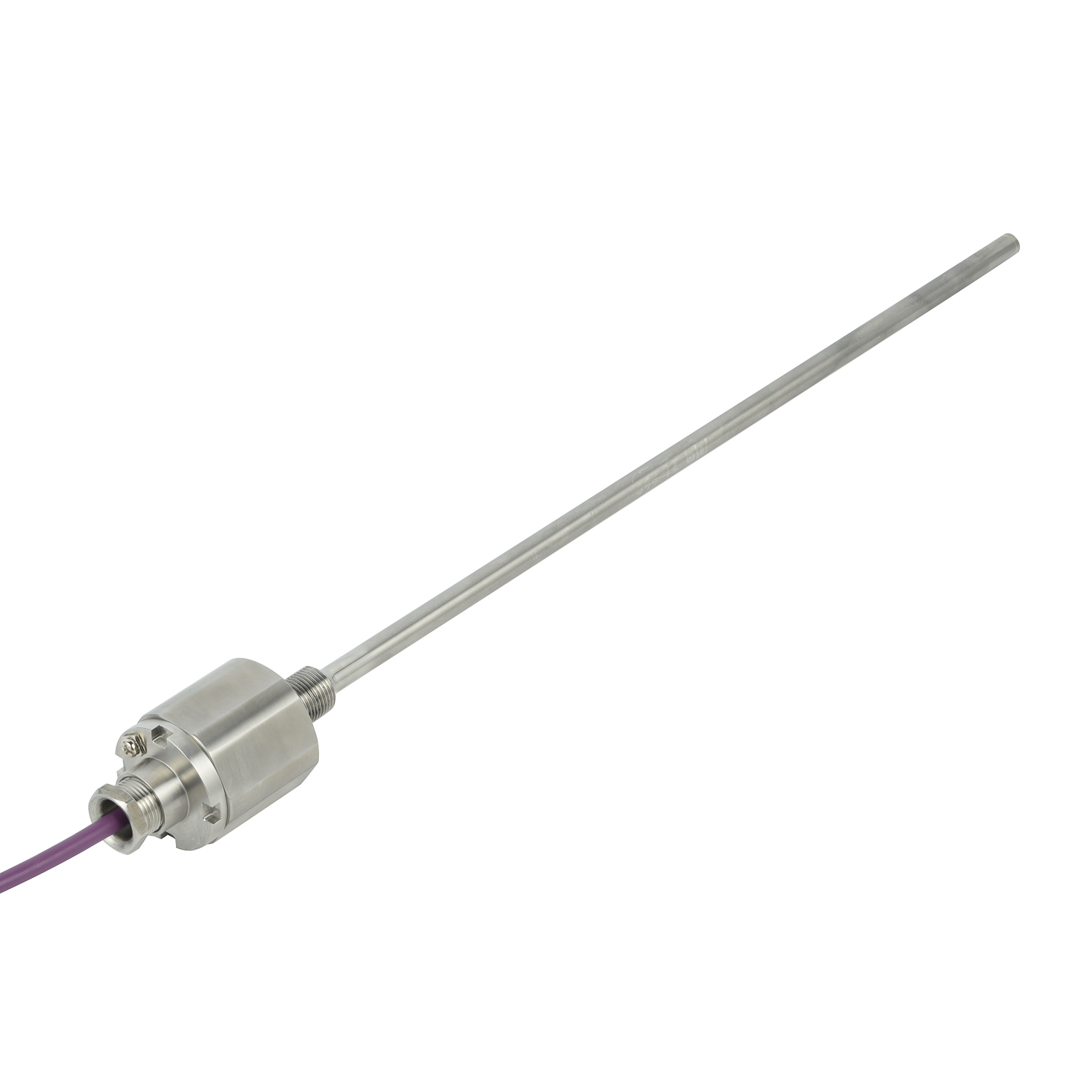 Radar Sensor for Silos