
Radar Sensor for Reaction Kettles
Radar sensors are increasingly used in reaction kettles because they provide continuous, non-contact level measurement in demanding chemical processes. Unlike pressure or float devices, a radar sensor sends high-frequency microwaves to the product surface and calculates distance from the echo. This design avoids contact with aggressive media, reduces cleaning and maintenance, and supports hygienic or corrosive applications. Modern sensors can operate under high temperature and pressure, tolerate agitation, foam, condensate and vapor, and measure both liquid level and, in some cases, interface layers.
Correct mounting is essential: use a suitable flange or sanitary connection, keep the antenna clear of nozzles and stirrer blades, and configure the measuring range for the kettle geometry. Signal processing filters false echoes from baffles and internal coils, improving reliability. For reaction kettles with rapid level changes, fast update rates and stable accuracy help operators control dosing, heating and batch endpoints. Radar sensors also support 4-20 mA, HART, RS485 or fieldbus outputs for integration with PLC and DCS systems.
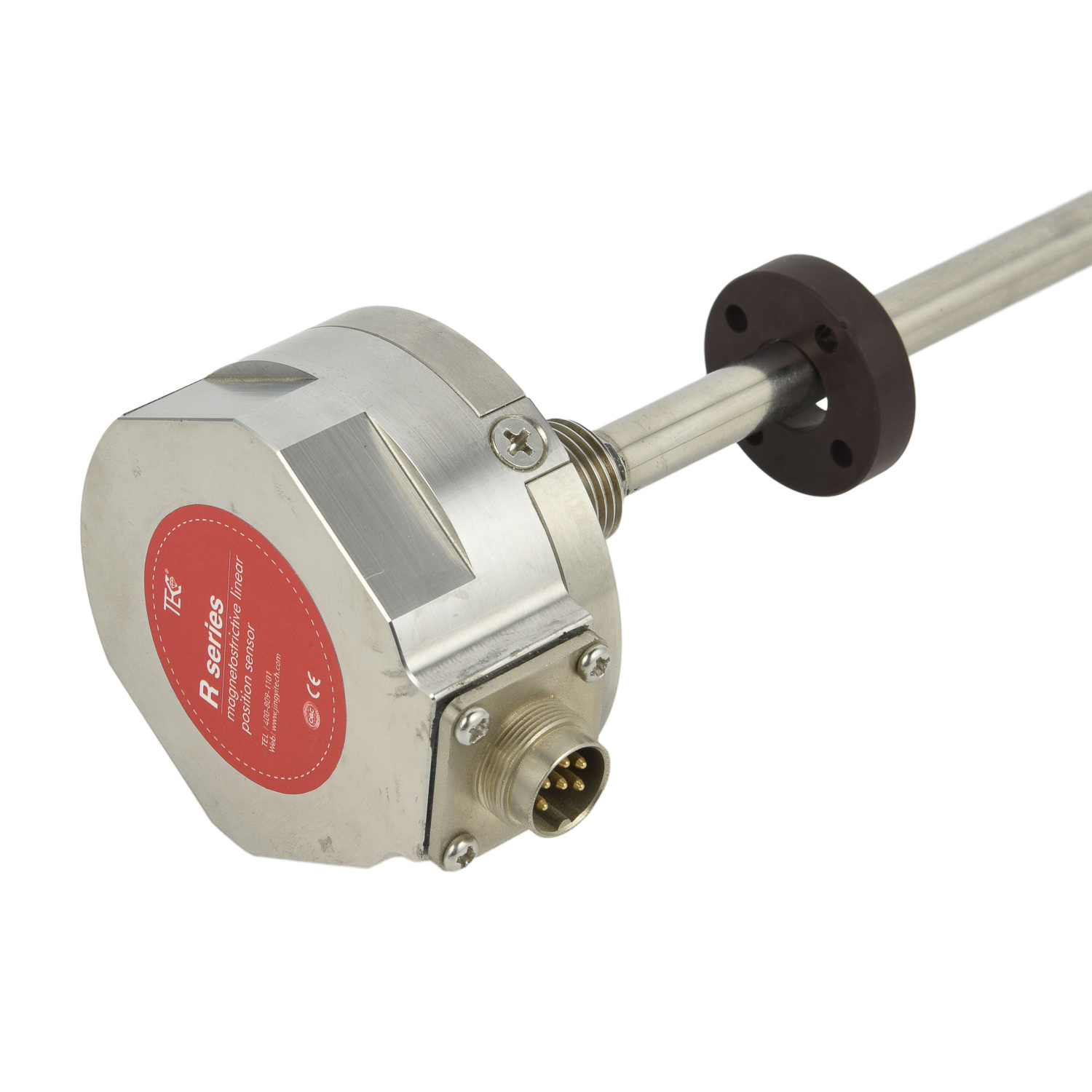
When selecting a model, consider frequency, beam angle, antenna material, process temperature, pressure rating, dielectric constant and hazardous area approval. A well-installed radar sensor improves safety, reduces downtime and provides reliable level data for batch reactors, mixing tanks and chemical reaction kettles. Proper configuration ensures dependable performance in batch production.
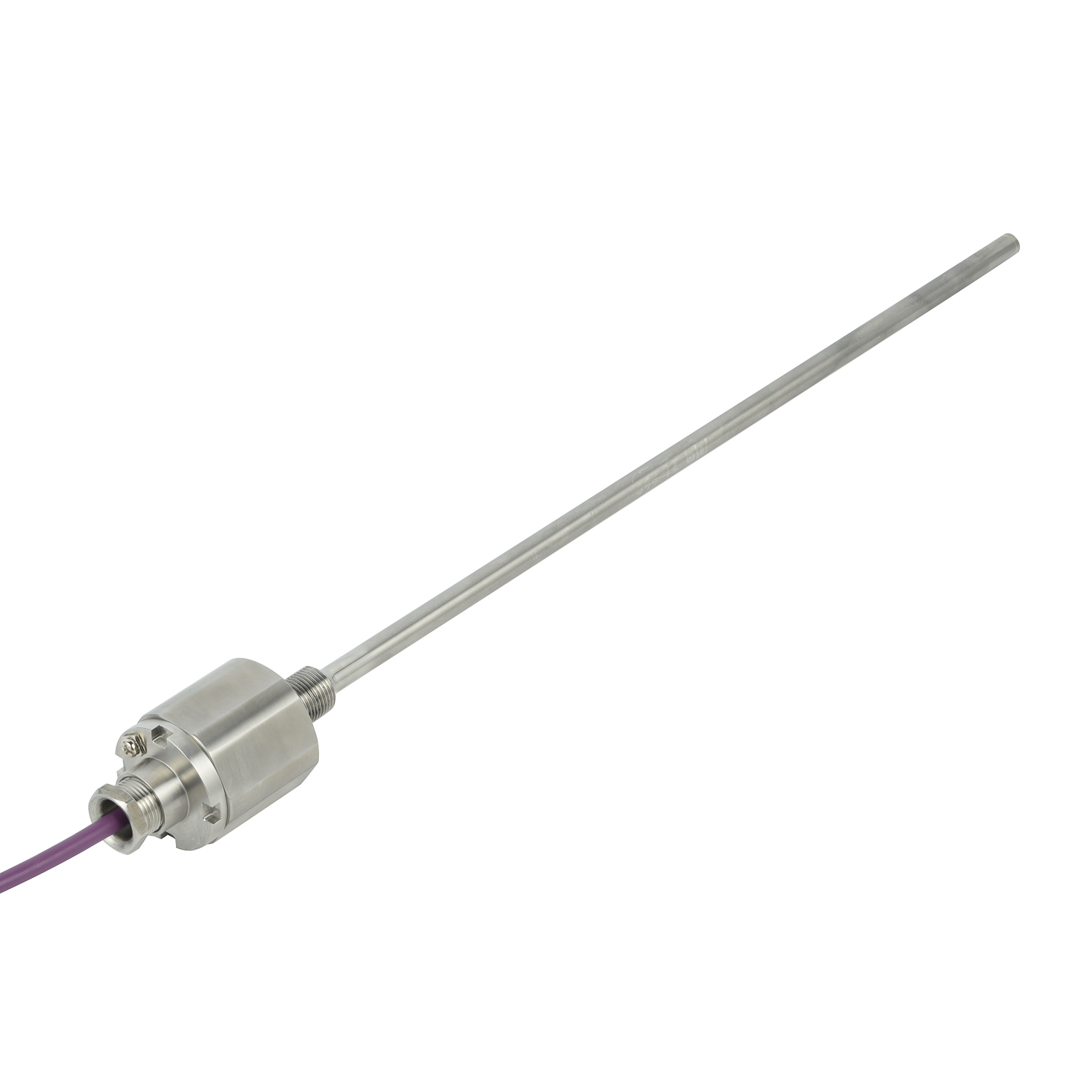 Radar Sensor for Silos
Radar Sensor for Reaction Kett
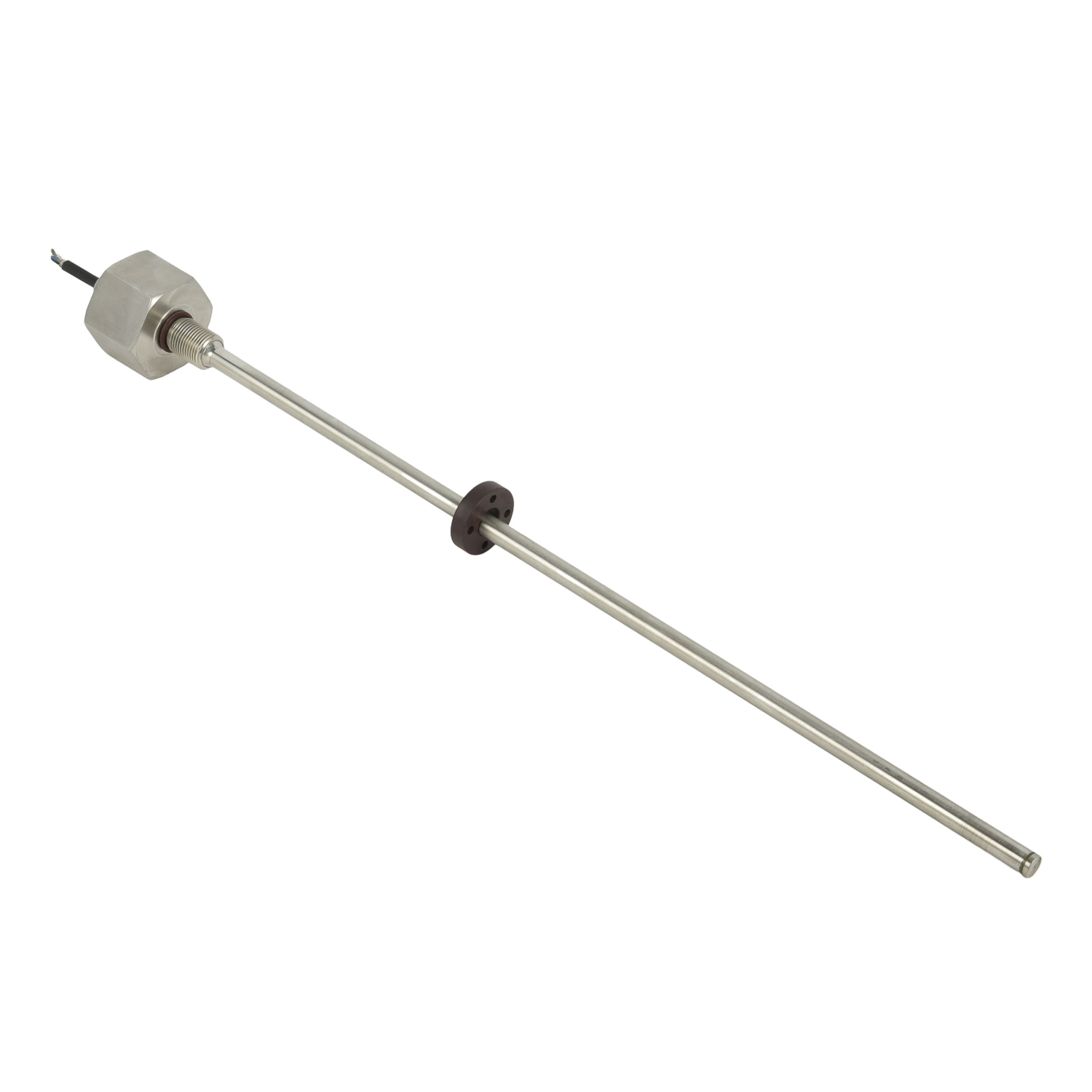 Radar Sensor for Storage Tanks
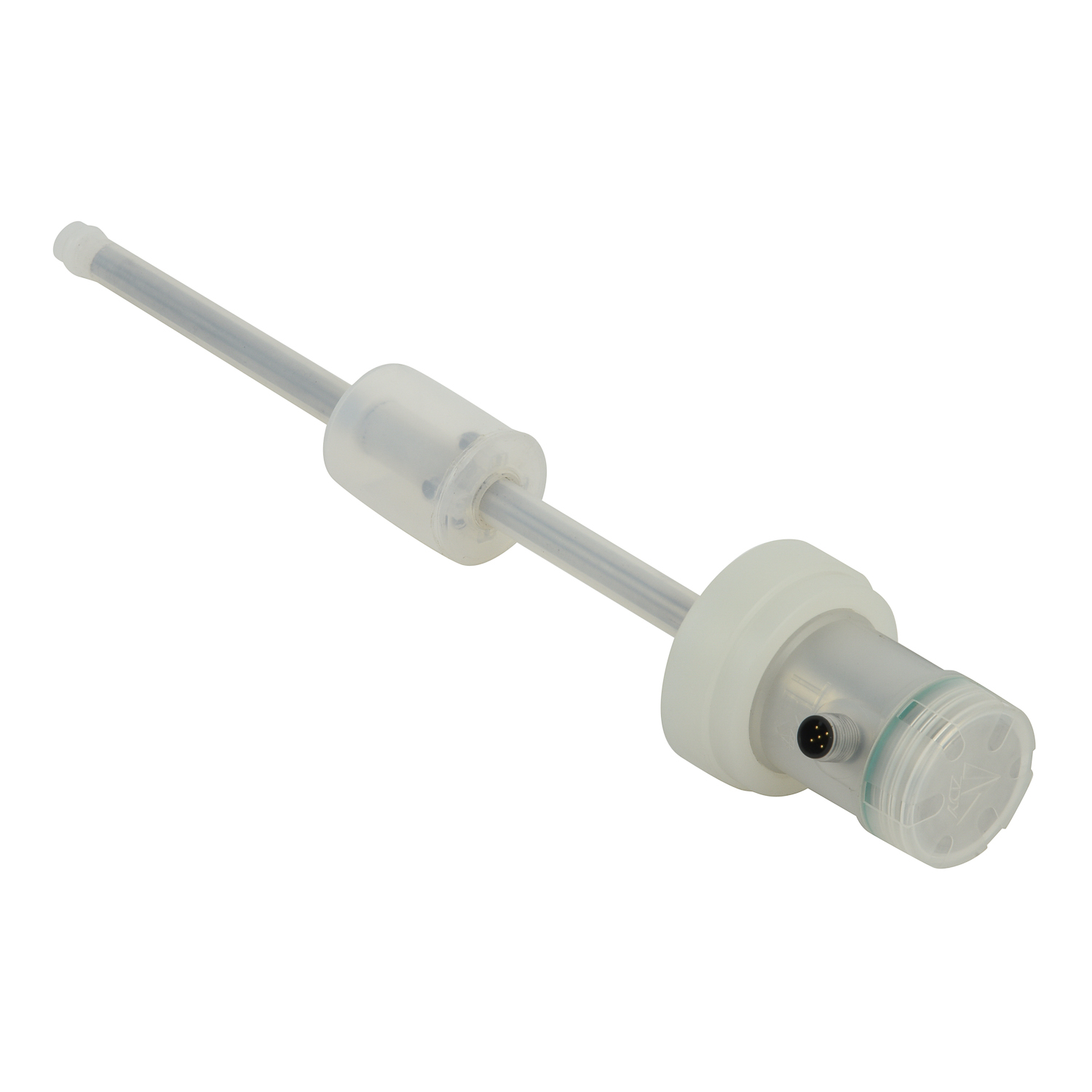 Radar Sensor for Material Tank