
LVDT Displacement Sensor for Silos
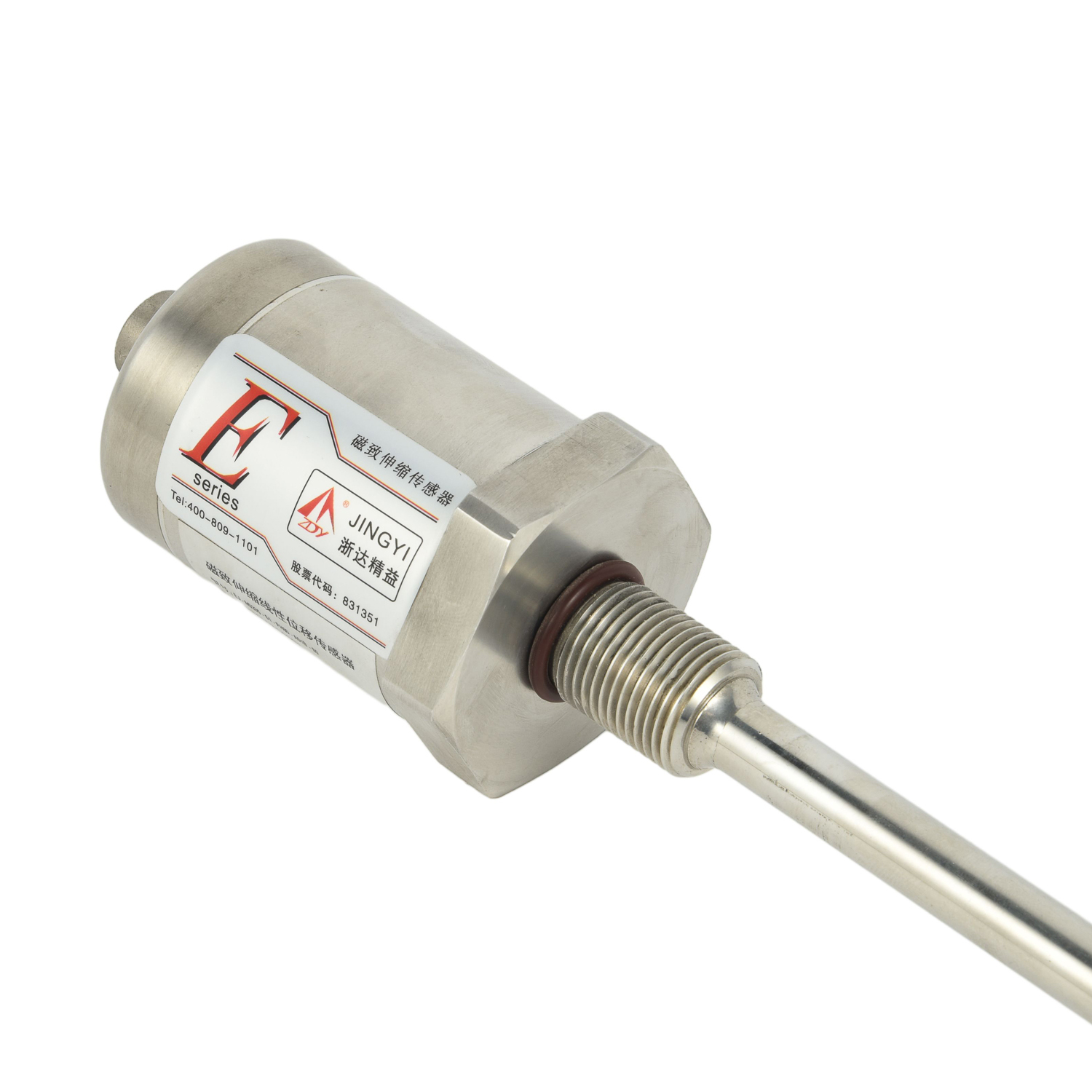
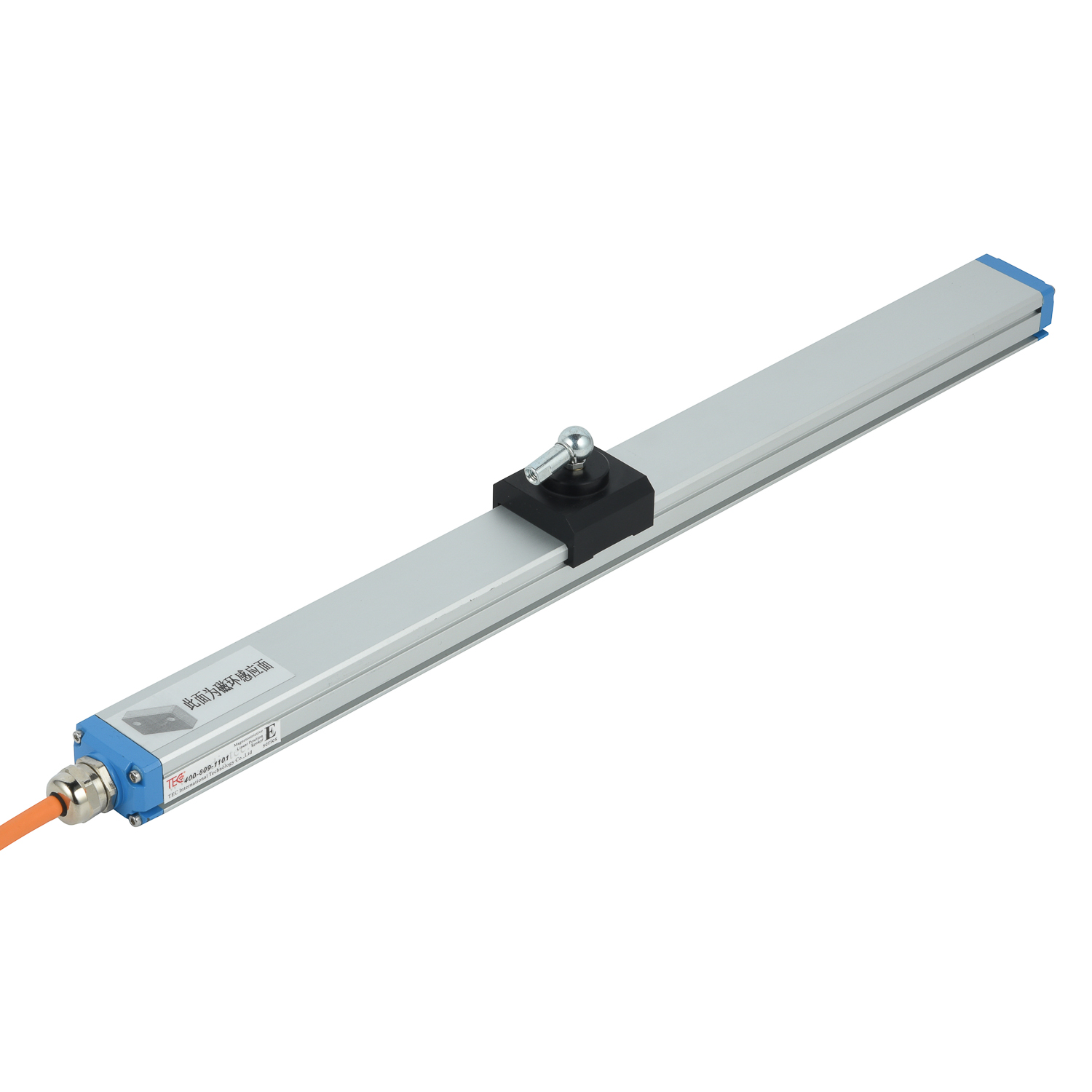
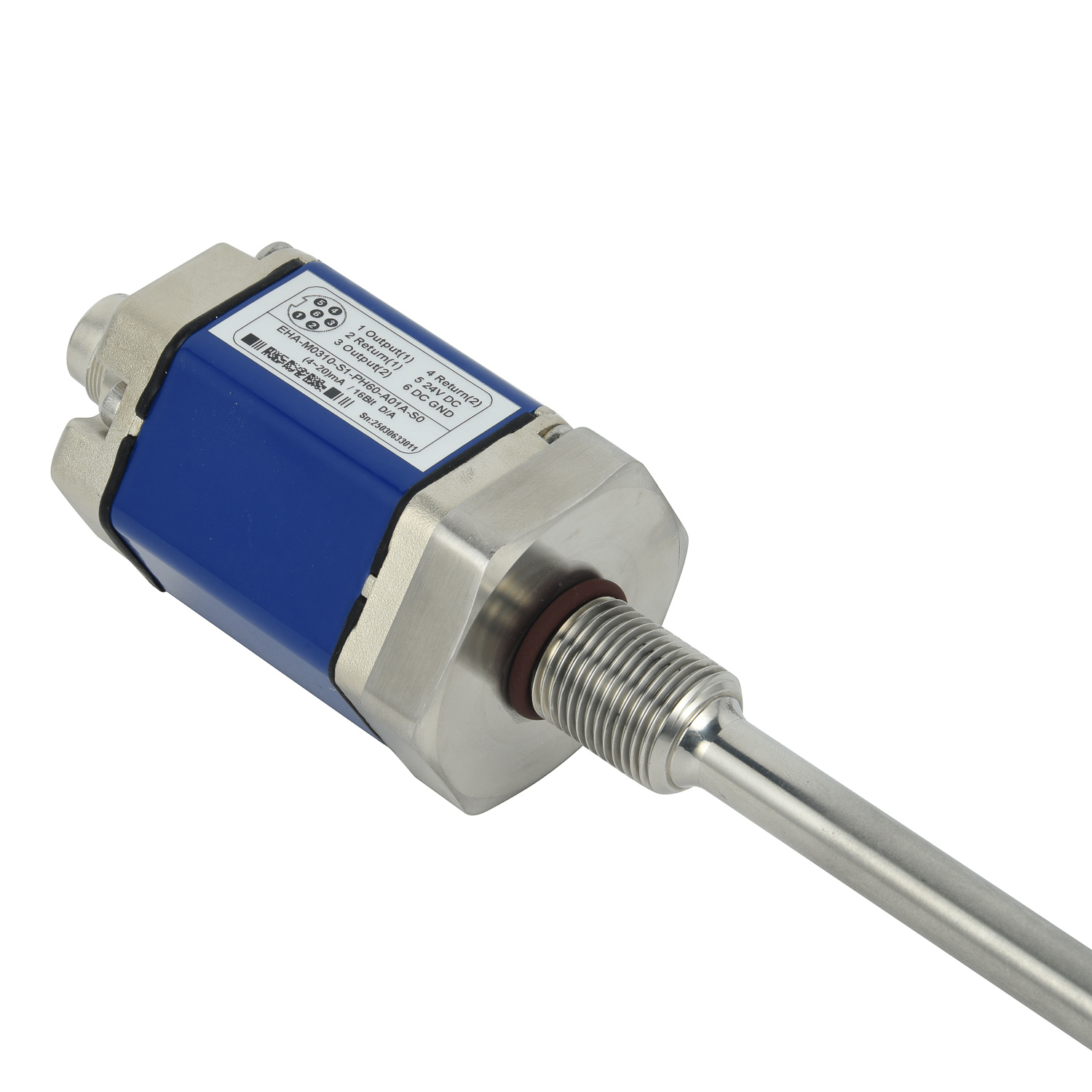
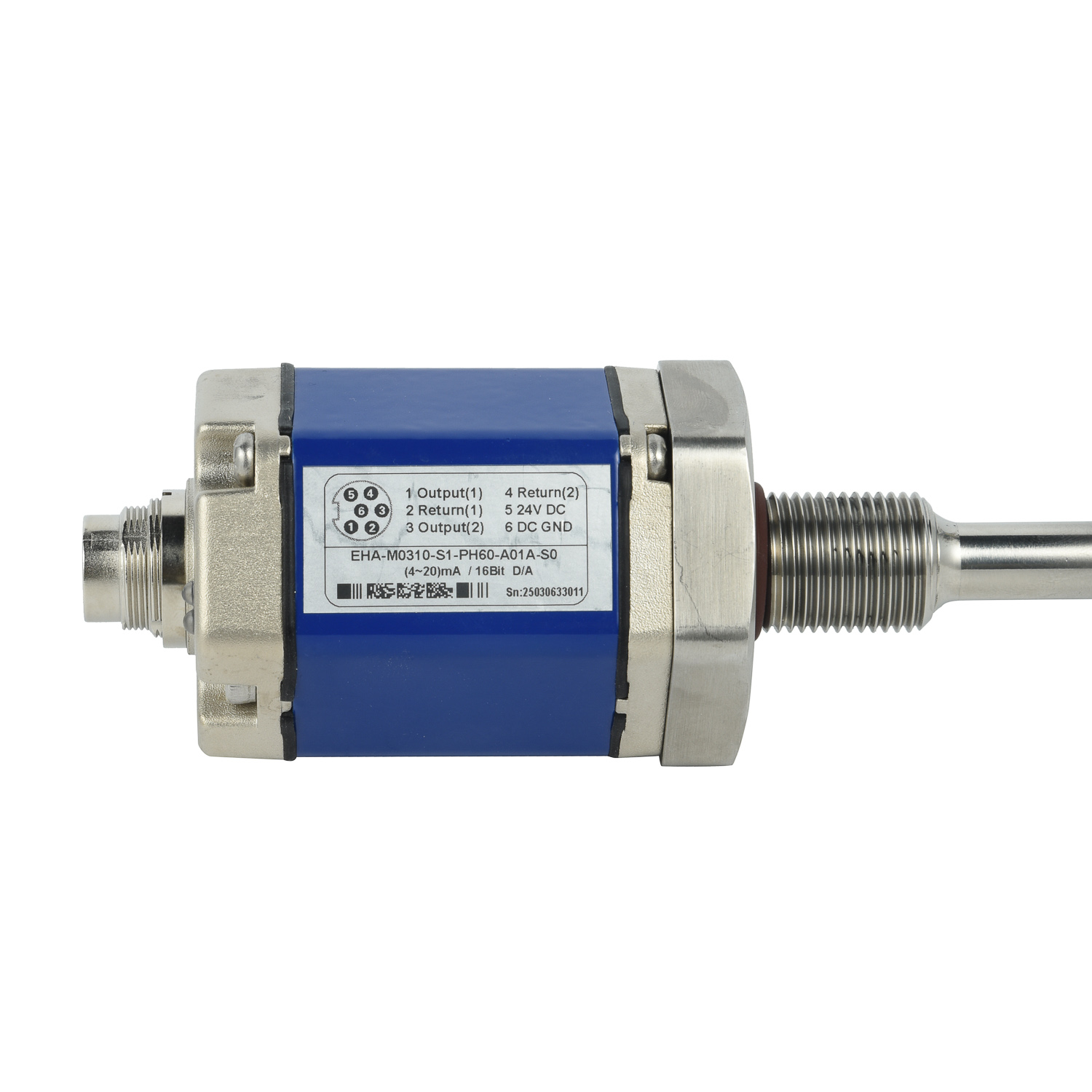
LVDT displacement sensors are increasingly used in silo monitoring because they provide reliable, repeatable measurements in harsh bulk-storage environments. Unlike optical or ultrasonic devices, a linear variable differential transformer uses contactless electromagnetic coupling, so it resists dust, vibration, and temperature swings. In silos, these sensors can track wall deflection, foundation settlement, roof movement, and the position of discharge gates or leveling mechanisms. They also support indirect level measurement when linked to a float or guided probe. A well-selected LVDT offers high resolution, low hysteresis, and long service life. For outdoor silos, choose an IP-rated housing, corrosion-resistant materials, and shielded cables to reduce electrical noise. Proper mounting is critical: align the sensor with the measured axis, avoid side loads, and allow access for calibration. Connect the analog output to a PLC or data logger and set alarm thresholds for abnormal movement. Regular zero checks and cable inspections keep readings accurate. In grain, cement, and chemical storage, LVDT sensors can monitor structural health during filling and discharge cycles. Because output is proportional to core movement, data is easy to trend and integrate into SCADA systems. For high-capacity silos, engineers may combine multiple sensors around the shell and roof to detect uneven loading or thermal expansion. When specifying an LVDT, confirm stroke length, linearity, protection class, and temperature range. With robust design and correct installation, LVDT sensors help operators protect silo integrity, reduce downtime, and improve process safety.
 LVDT Displacement Sensor for G
LVDT Displacement Sensor for S
 LVDT Displacement Sensor for R
 LVDT Displacement Sensor for S