
Magnetostrictive Displacement Sensor for Grain and Oil Storage Tanks
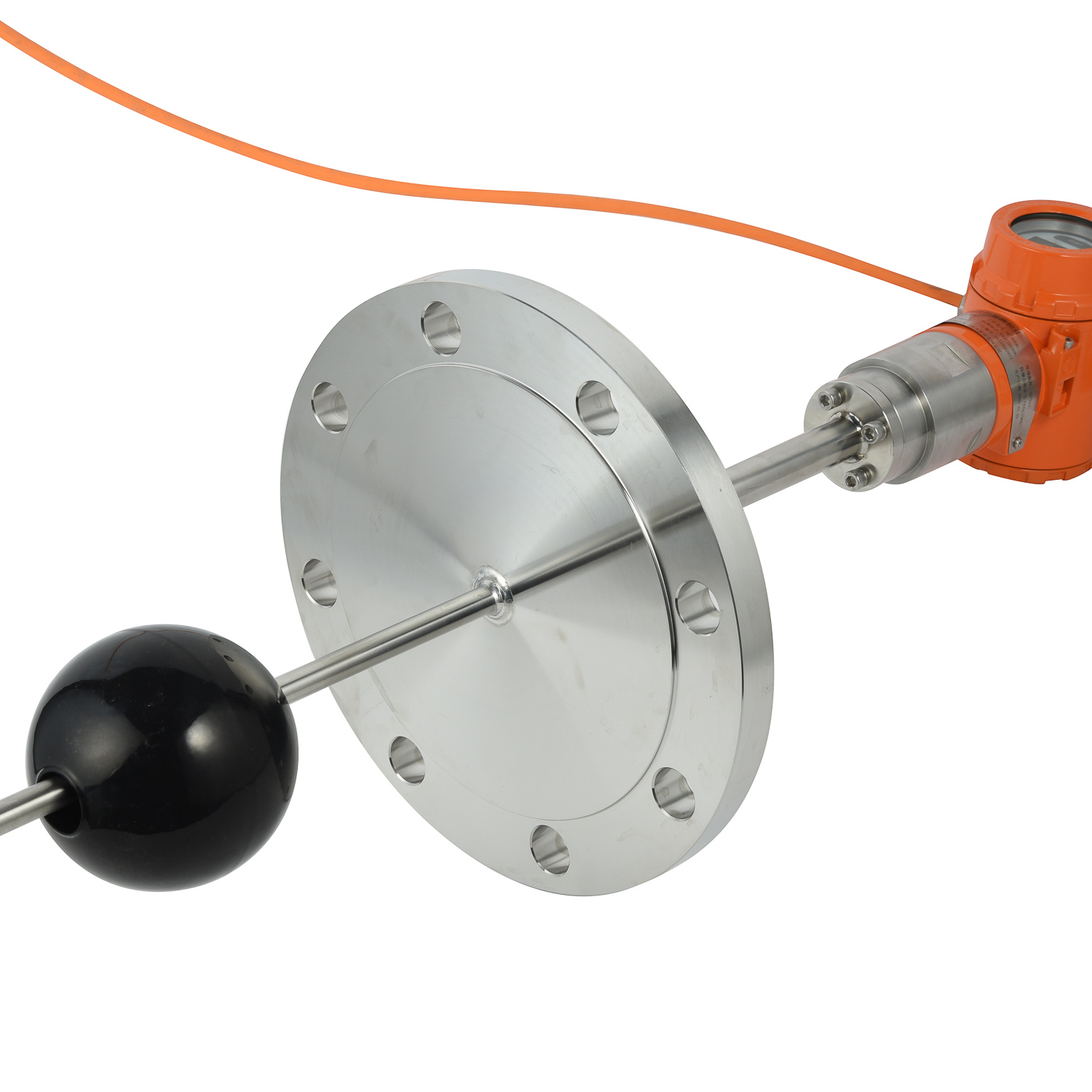
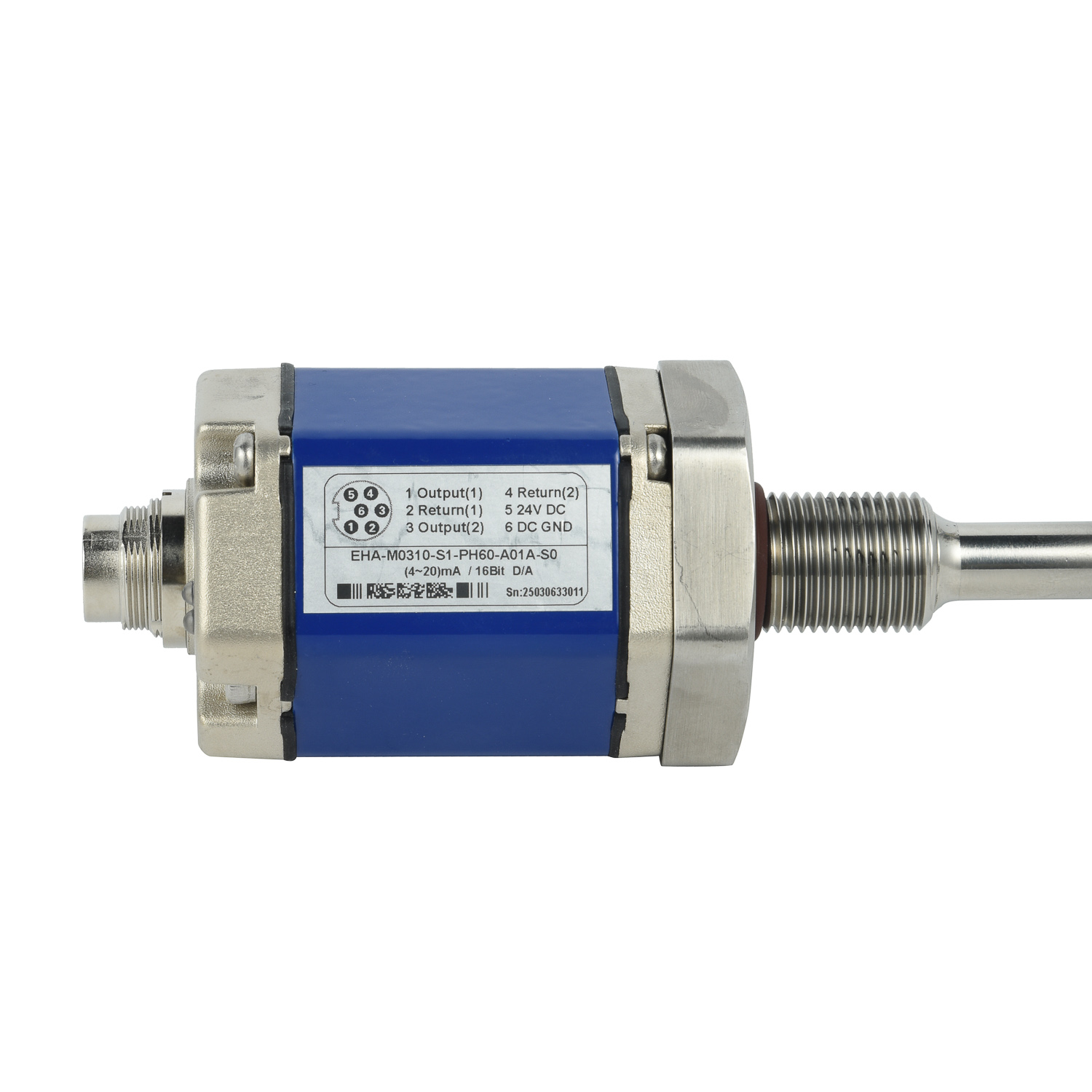
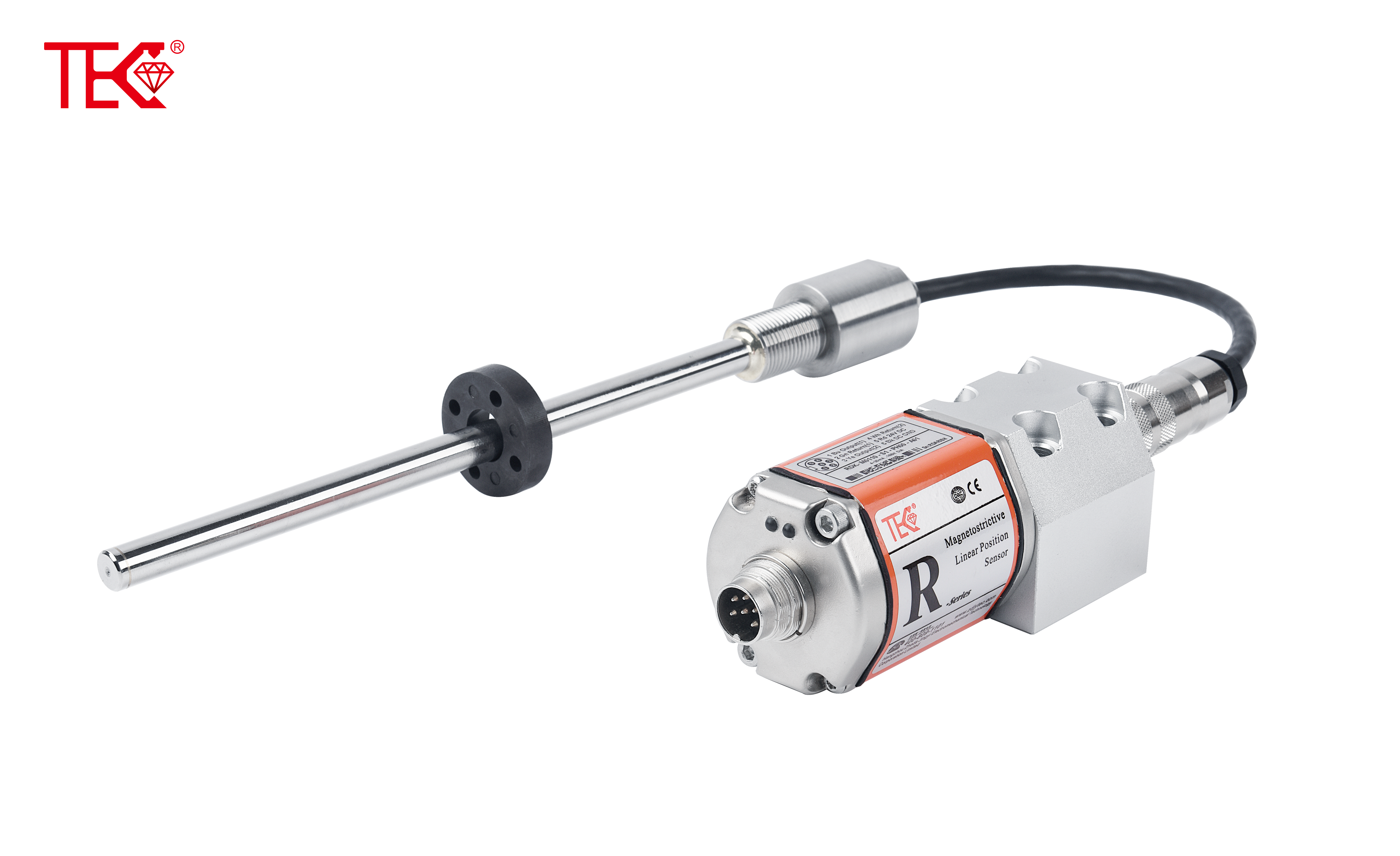
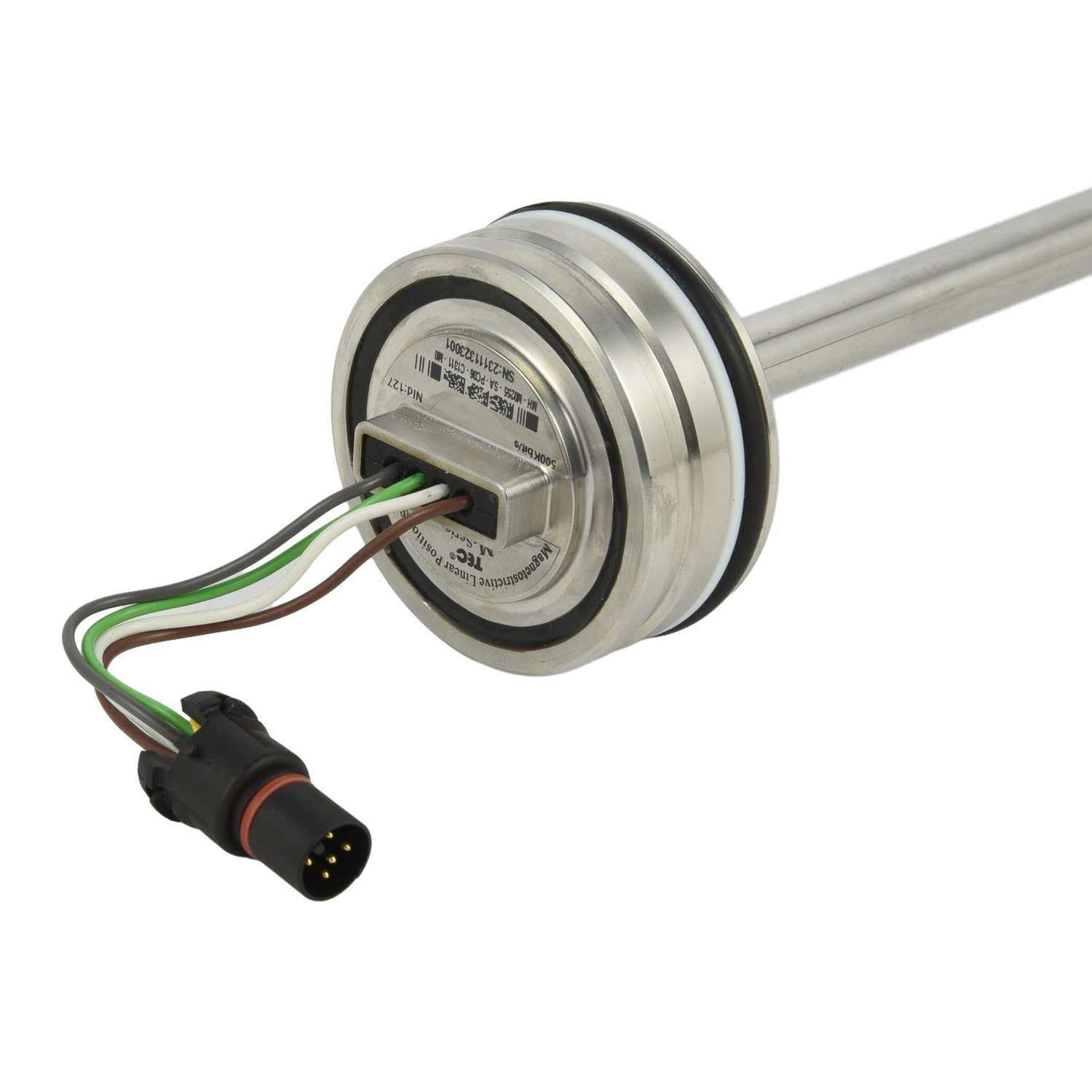
In modern grain and oil storage, precise level and displacement measurement is vital for safety, inventory control, and efficient operation. Magnetostrictive displacement sensors are increasingly used in storage tanks because they provide stable, absolute position feedback in harsh environments. A magnetostrictive sensor works with a waveguide and a movable float or magnet. When a current pulse travels through the waveguide, the magnet creates a torsional strain pulse. The sensor measures the time difference to calculate position. This principle gives high accuracy, excellent repeatability, and long-term reliability.
For oil storage tanks, the sensor can monitor liquid level, oil-water interface, and valve position. It handles high tanks, temperature changes, and flammable materials when built with explosion-proof housings. For grain storage tanks and silos, it can measure gate opening, discharge valve displacement, or mechanical level linkages. The sensor is rugged, dust-resistant, and easy to integrate with PLC, DCS, or SCADA systems. Common outputs include 4-20mA, RS485, Modbus, and HART. With IP67 or higher protection, it resists moisture, vibration, and corrosion.
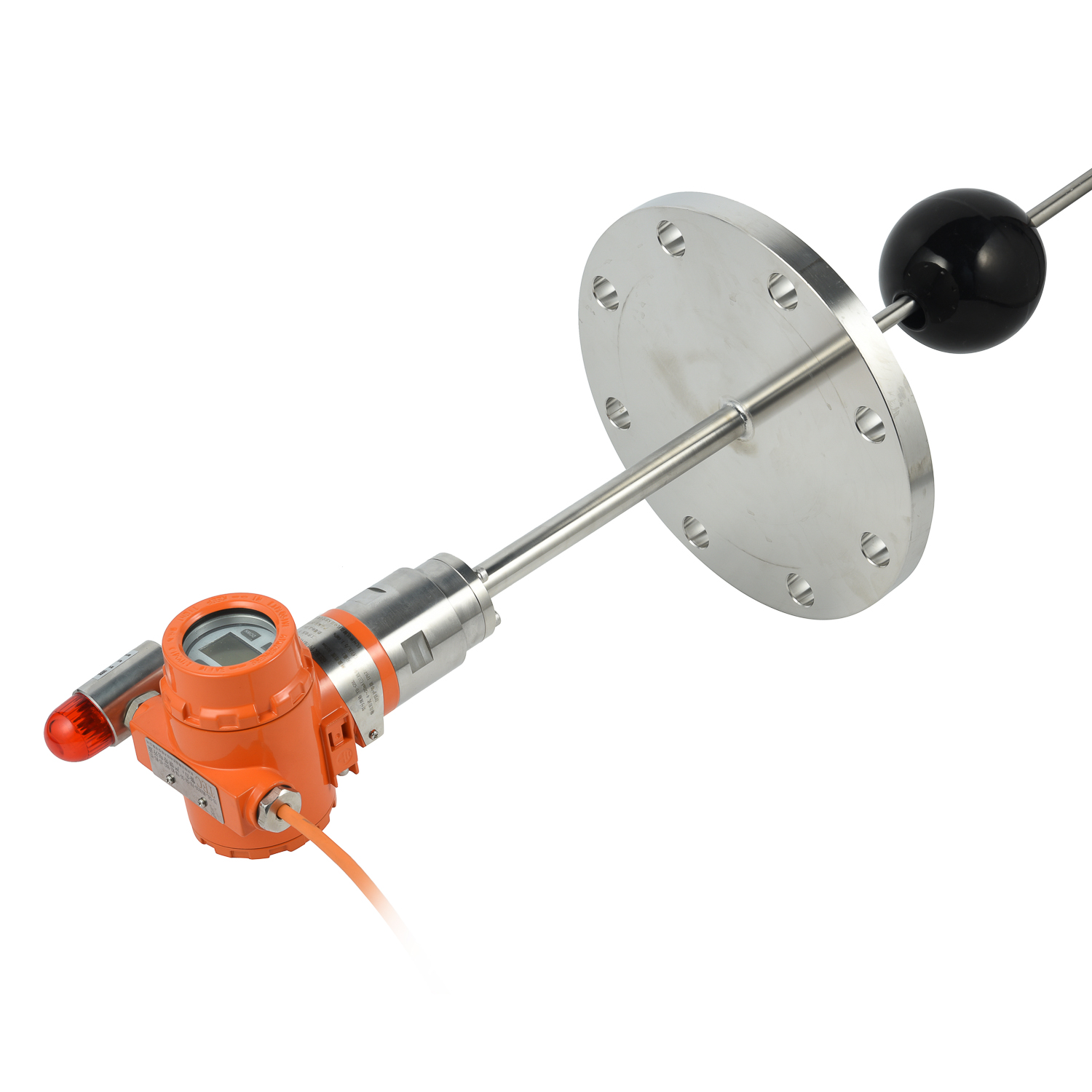
Its absolute output means no signal loss after power failure. Choosing the right magnetostrictive displacement sensor improves measurement accuracy, reduces manual inspection, prevents overflow, and supports smart storage management. It is a dependable choice for grain and oil terminals, refineries, and bulk storage facilities.
 LVDT Displacement Sensor for W
 LVDT Displacement Sensor for S
 LVDT Displacement Sensor for C
 LVDT Displacement Sensor for C