
Corrosion-resistant Turbine Flowmeter
Corrosion-resistant turbine flowmeters are engineered for accurate flow measurement in aggressive liquids and gases. Unlike standard meters, their wetted parts use materials such as 316L stainless steel, Hastelloy C-276, titanium, PTFE, PFA, or ceramic bearings. This construction resists acids, alkalis, brines, solvents, seawater, and oxidizing chemicals, making the meter ideal for chemical processing, petrochemicals, pharmaceuticals, water treatment, offshore, and mining.
The meter works when fluid enters the housing and turns a balanced rotor. Rotor speed is proportional to flow rate. A magnetic or optical sensor detects blade passing and sends pulses to a transmitter. The transmitter converts pulses into flow rate, total volume, and standard outputs like 4-20 mA, pulse, HART, or Modbus. Key advantages include high accuracy, wide turndown, low pressure drop, fast response, and compact size.
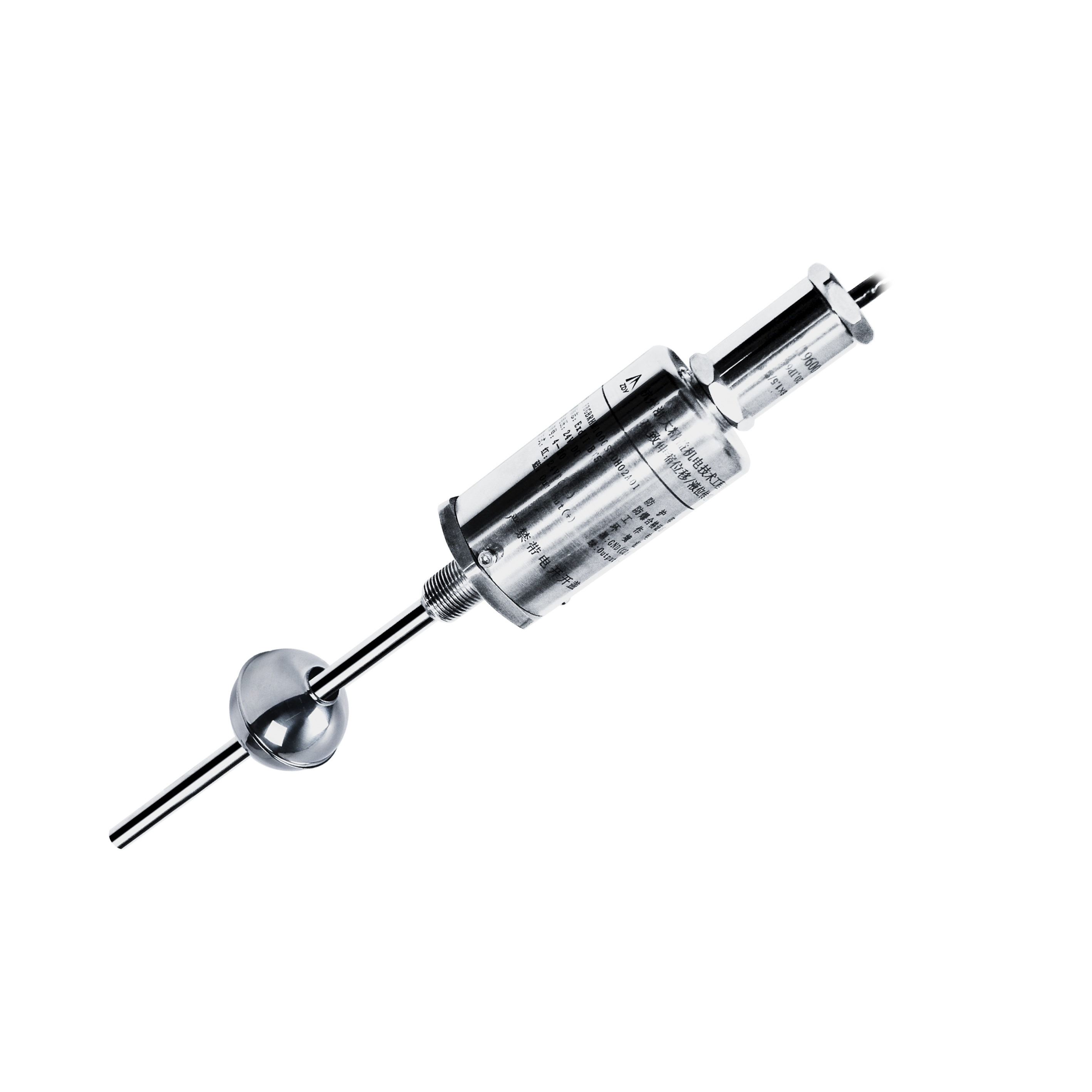
When selecting a corrosion-resistant turbine flowmeter, check fluid compatibility, concentration, temperature, pressure, viscosity, and solid content. High viscosity or abrasive particles can affect accuracy and bearing life. Choose the right body, rotor, bearing, and seal materials. Install with adequate straight pipe runs upstream and downstream. Use filters to protect the rotor. Avoid cavitation and flashing. Ensure proper grounding for hazardous areas. Regular inspection of bearings, rotor, and seals is essential. Clean or replace worn parts and recalibrate periodically.
With proper selection and maintenance, a corrosion-resistant turbine flowmeter delivers reliable, repeatable measurement, reduces downtime, improves safety, and lowers total cost in demanding industrial environments.
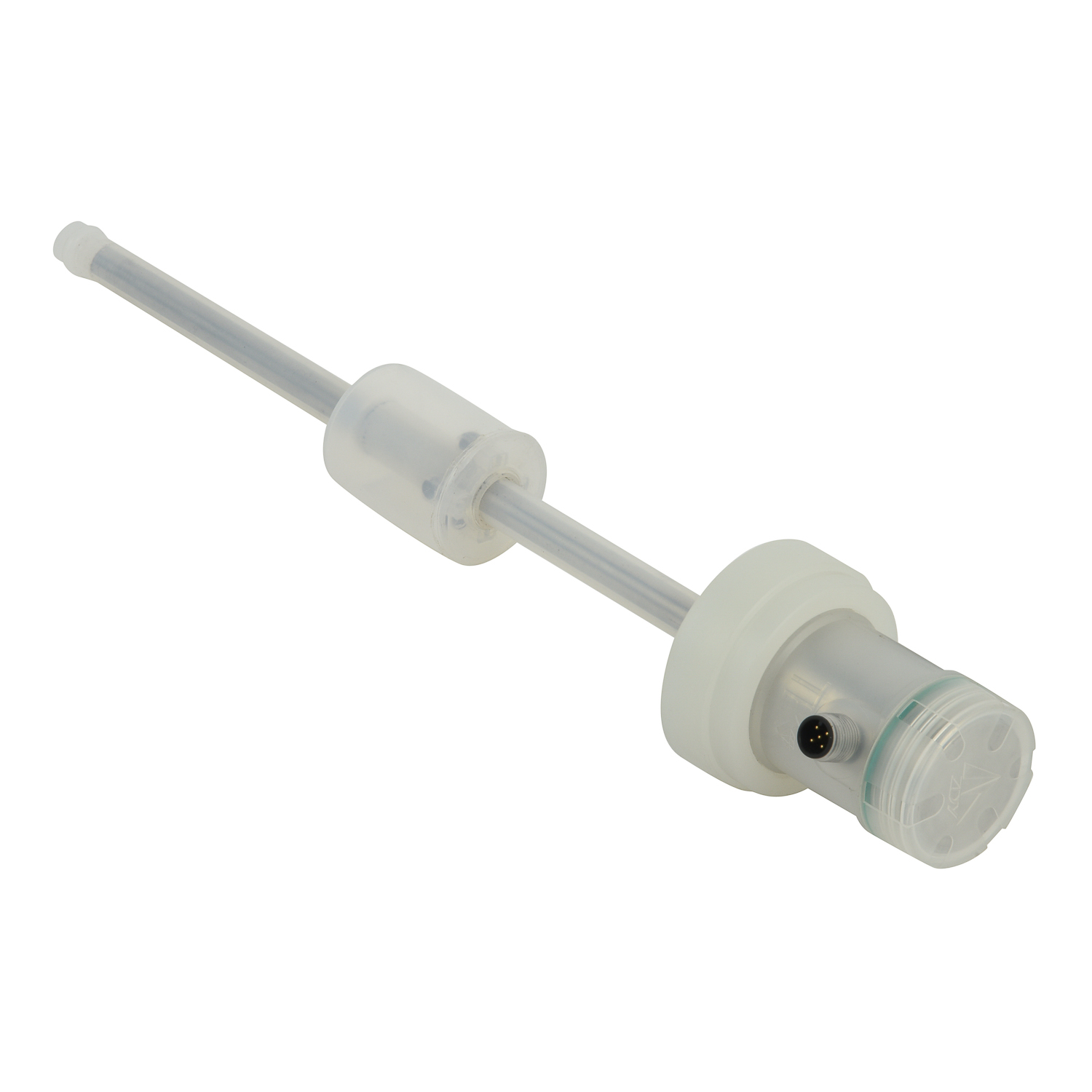 Turbine Flowmeter Price
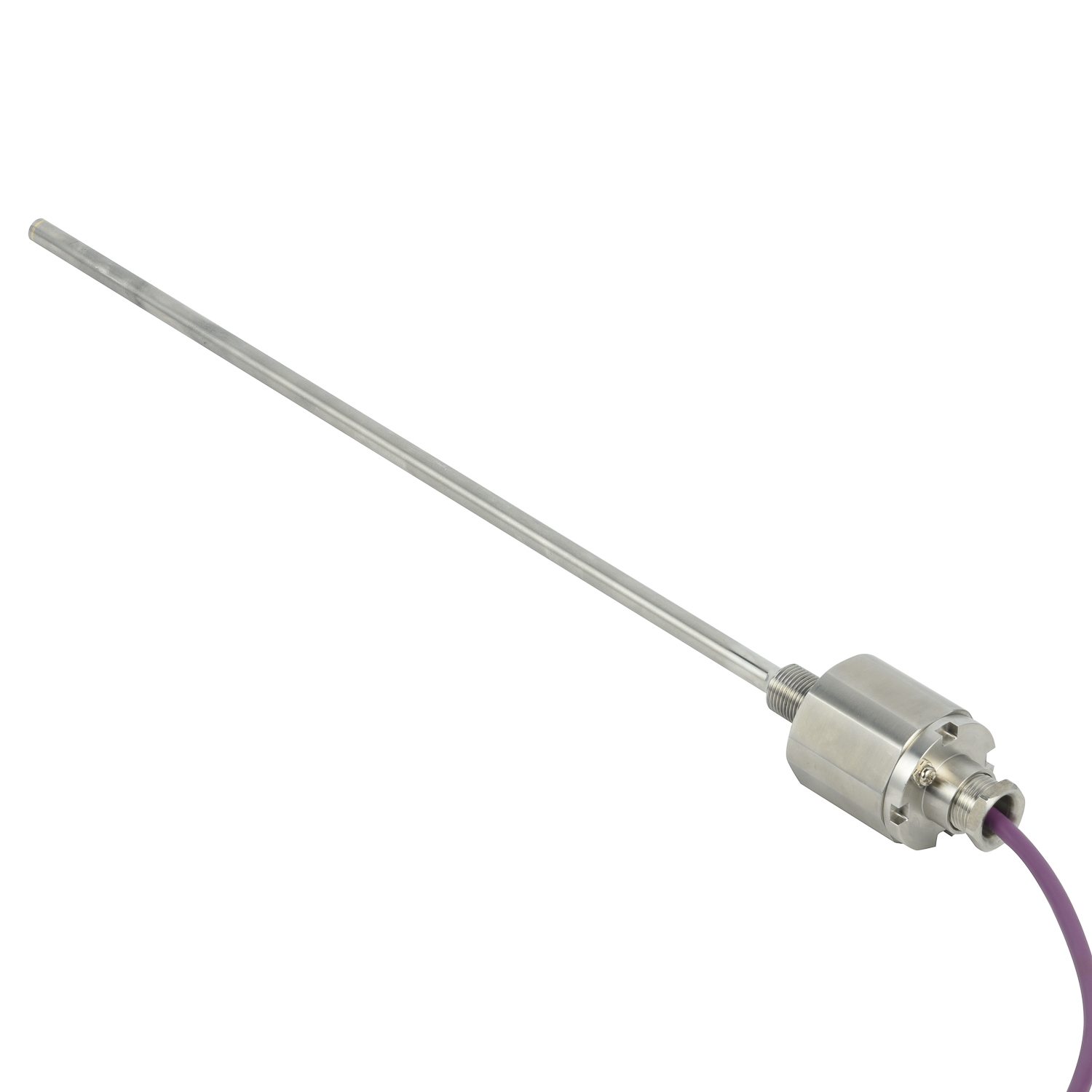 Turbine Flowmeter Selection
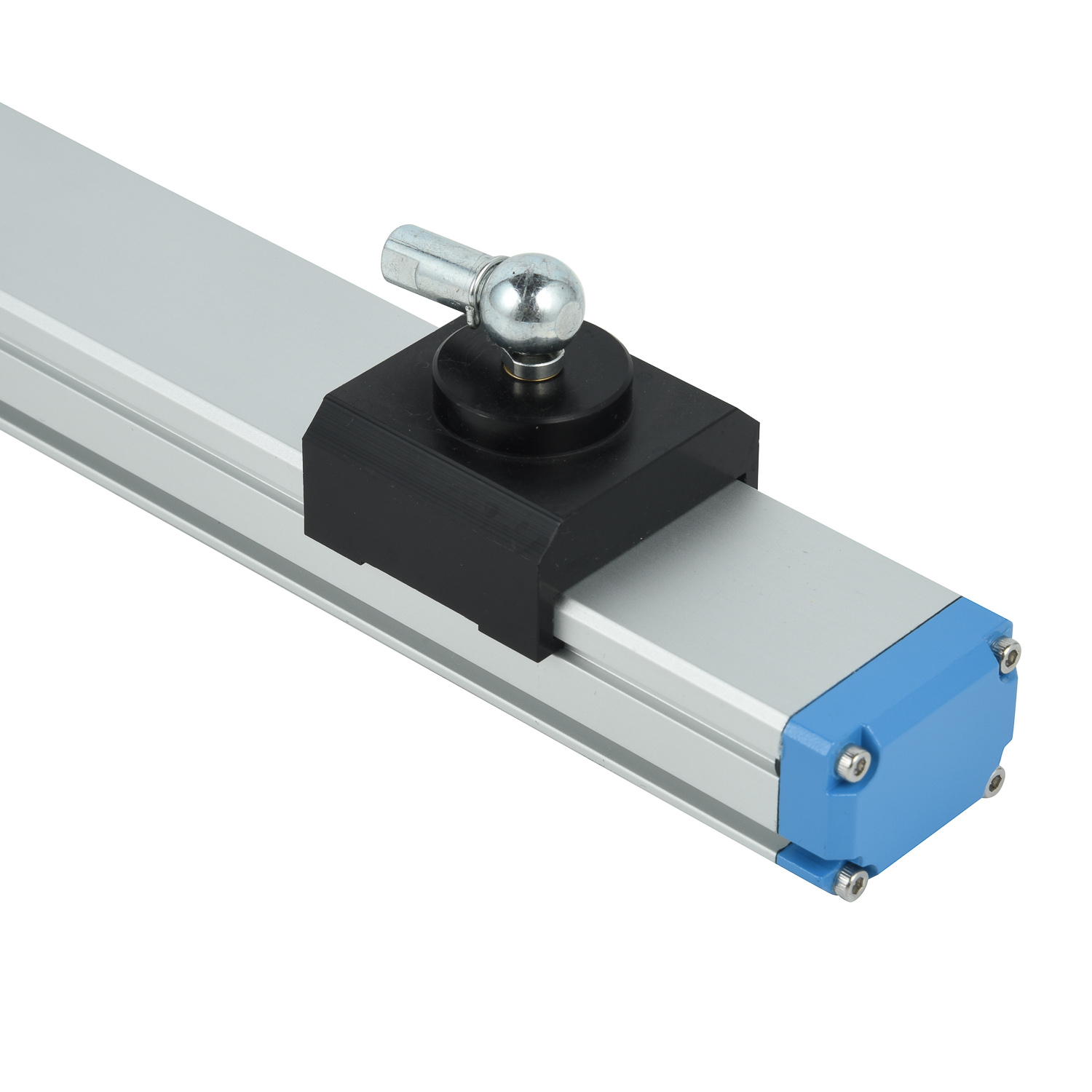 Domestic Turbine Flowmeter
 Turbine Flowmeter Manufacturer