
Turbine Flowmeter
A turbine flowmeter is a precise instrument used to measure the flow rate of liquids and gases in industrial pipelines. It works by converting fluid energy into rotation. When fluid enters the meter body, it passes through a multi-bladed rotor. The rotor spins at a speed proportional to the flow velocity. A magnetic pickup or Hall effect sensor detects each blade pass and generates electrical pulses. The frequency of these pulses is directly related to volumetric flow. By counting pulses, the flowmeter calculates total flow and instantaneous flow rate.
Turbine flowmeters are popular because they offer high accuracy, compact size, and low pressure drop. They respond quickly to flow changes and are easy to install with proper straight pipe runs. Common applications include oil and gas, water treatment, chemical dosing, food and beverage processing, pharmaceutical production, HVAC systems. They can handle clean, low-viscosity fluids best. Dirty or abrasive media may require filtration or alternative meters.
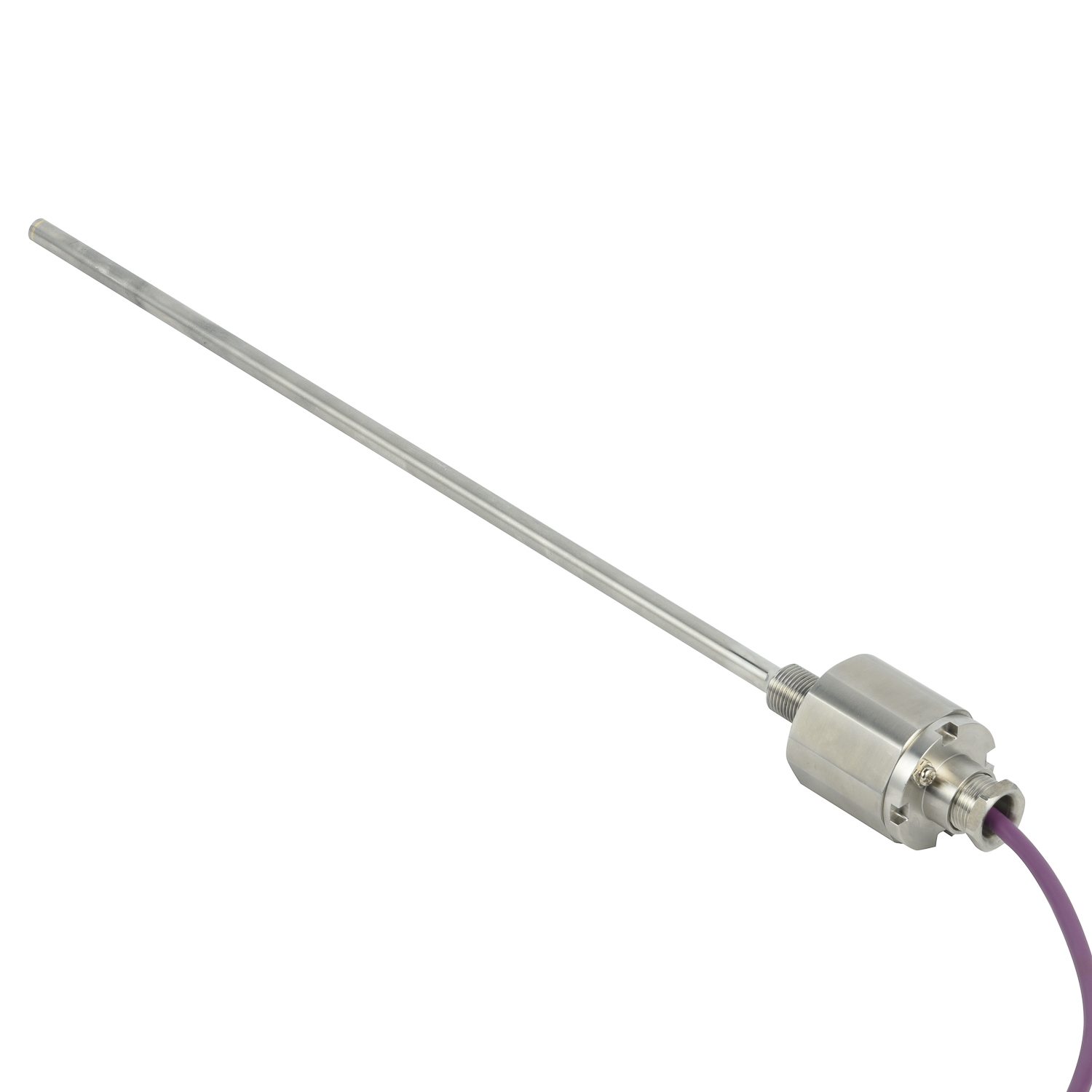
When selecting a turbine flowmeter, consider fluid type, viscosity, temperature, pressure, flow range, pipe diameter, connection type, body material, and output signal. Proper sizing ensures accuracy and long service life. Regular maintenance includes cleaning the rotor, checking bearings, and protecting the meter from cavitation and debris. With correct installation and care, a turbine flowmeter provides reliable, repeatable flow measurement for many industrial processes.
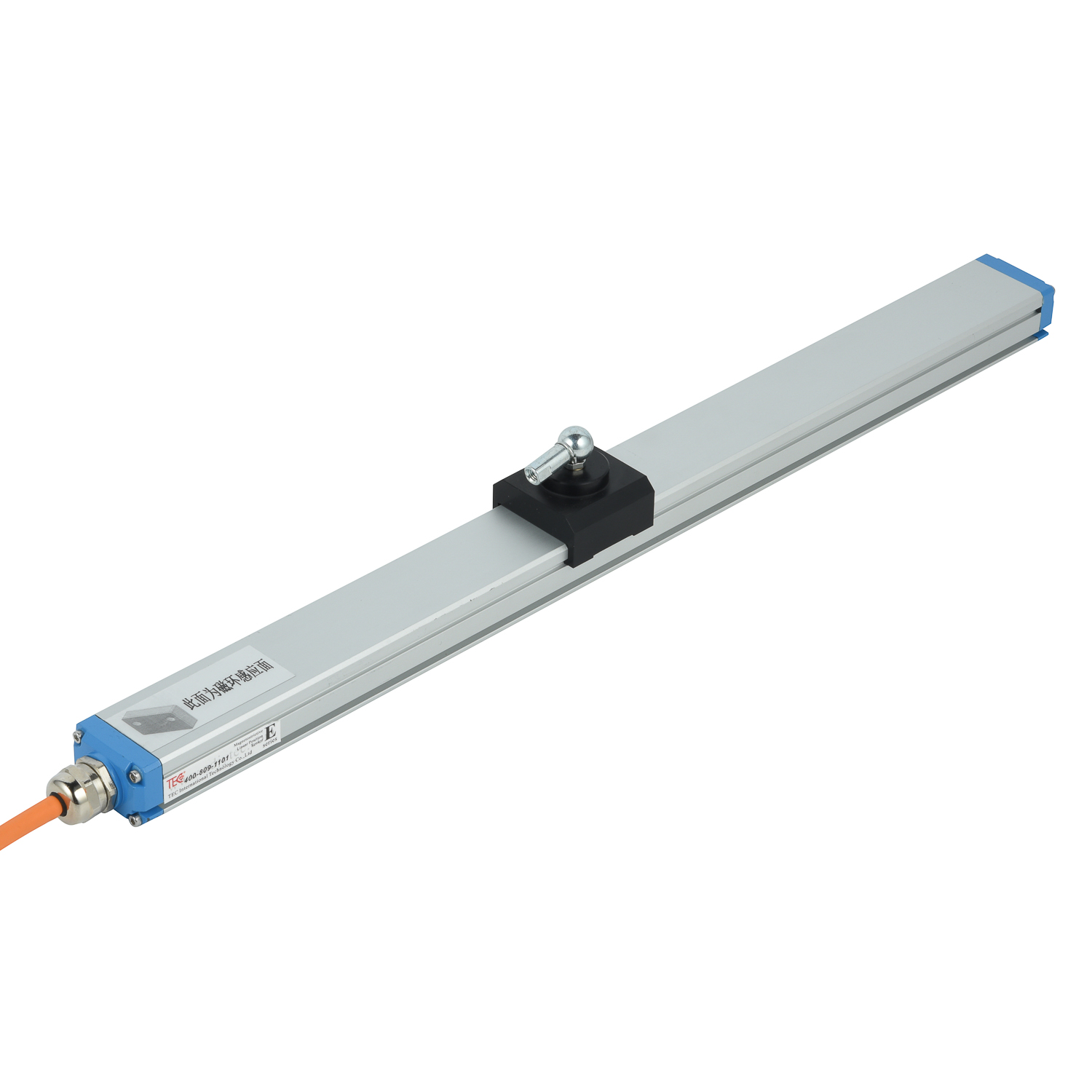 Explosion-proof Turbine Flowme
Turbine Flowmeter
Explosion-proof Turbine Flowme
Turbine Flowmeter
 Electromagnetic Flowmeter Faul
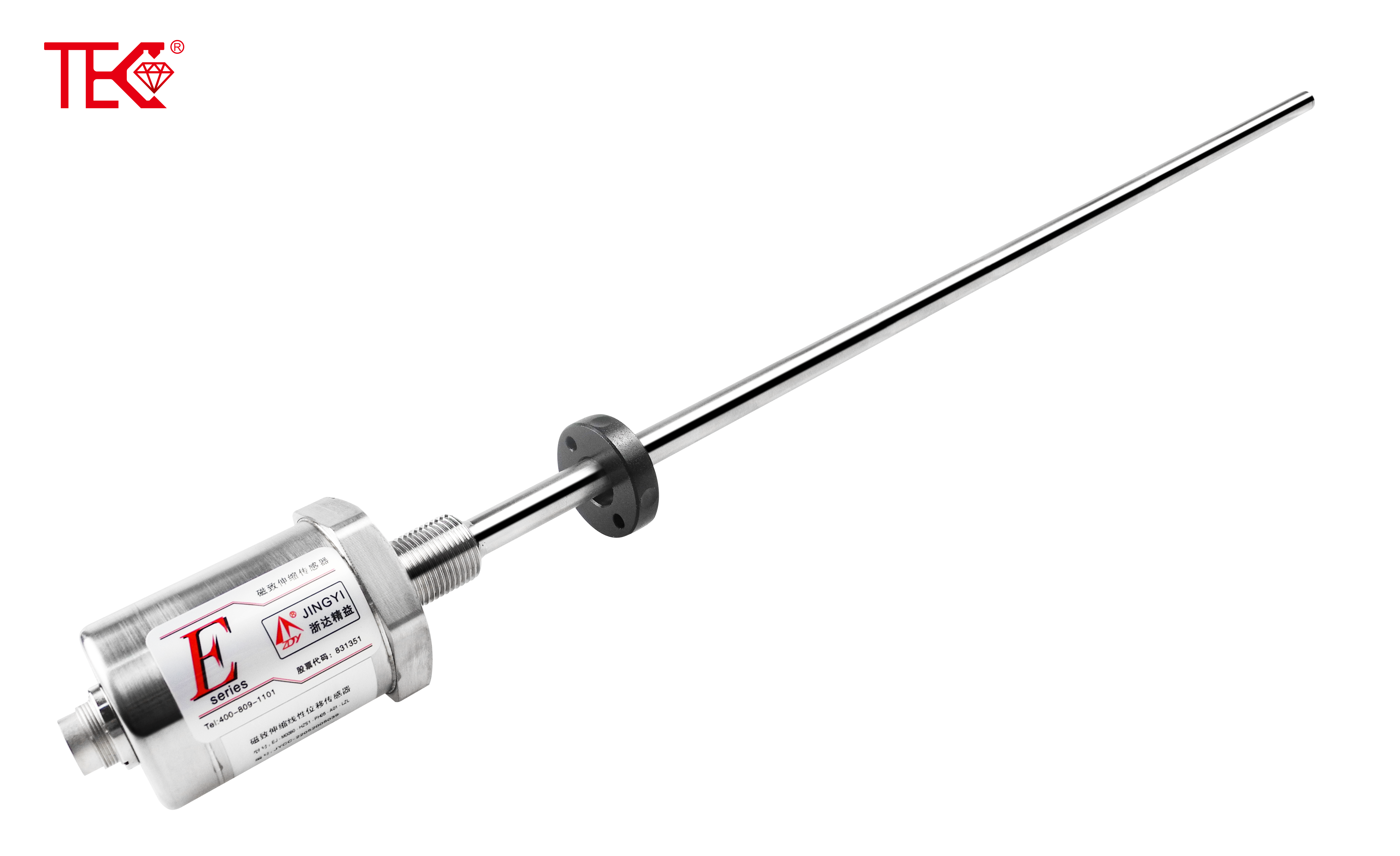 Field Application of Electroma