
Electromagnetic Flowmeter Selection
Electromagnetic flowmeters measure volumetric flow of conductive liquids using Faraday's law. Selecting the right model depends on process conditions and installation needs. First, confirm the liquid is conductive. Most electromagnetic flowmeters require a minimum conductivity of 5 uS/cm, though low-conductivity versions may reach 0.05 uS/cm. Non-conductive fluids such as oils, gases, and steam are unsuitable. Next, check pipe size and flow range. Choose a meter that maintains a practical velocity, usually 0.5 to 10 m/s. Low velocity can reduce accuracy; high velocity may cause noise and wear. Full-pipe operation is essential. Then select liner and electrode materials. Liner options include PTFE, PFA, F46, rubber, and polyurethane based on temperature, pressure, and abrasion. Electrodes are often 316L stainless steel, Hastelloy, titanium, tantalum, or platinum. Aggressive chemicals, slurries, and sanitary duties demand compatible materials. Accuracy and repeatability matter. Standard meters offer +/-0.5% or +/-0.3% of reading; high-accuracy models can reach +/-0.2%. Consider power supply, output signals such as 4-20 mA, pulse, HART, Modbus, and alarms. Choose IP and explosion-proof ratings that match the site. Installation affects performance. Allow sufficient upstream and downstream straight runs, avoid air pockets, and ensure proper grounding. Finally, review process temperature, pressure, vibration, and industry approvals. A careful selection ensures reliable flow measurement, lower maintenance, and long service life.
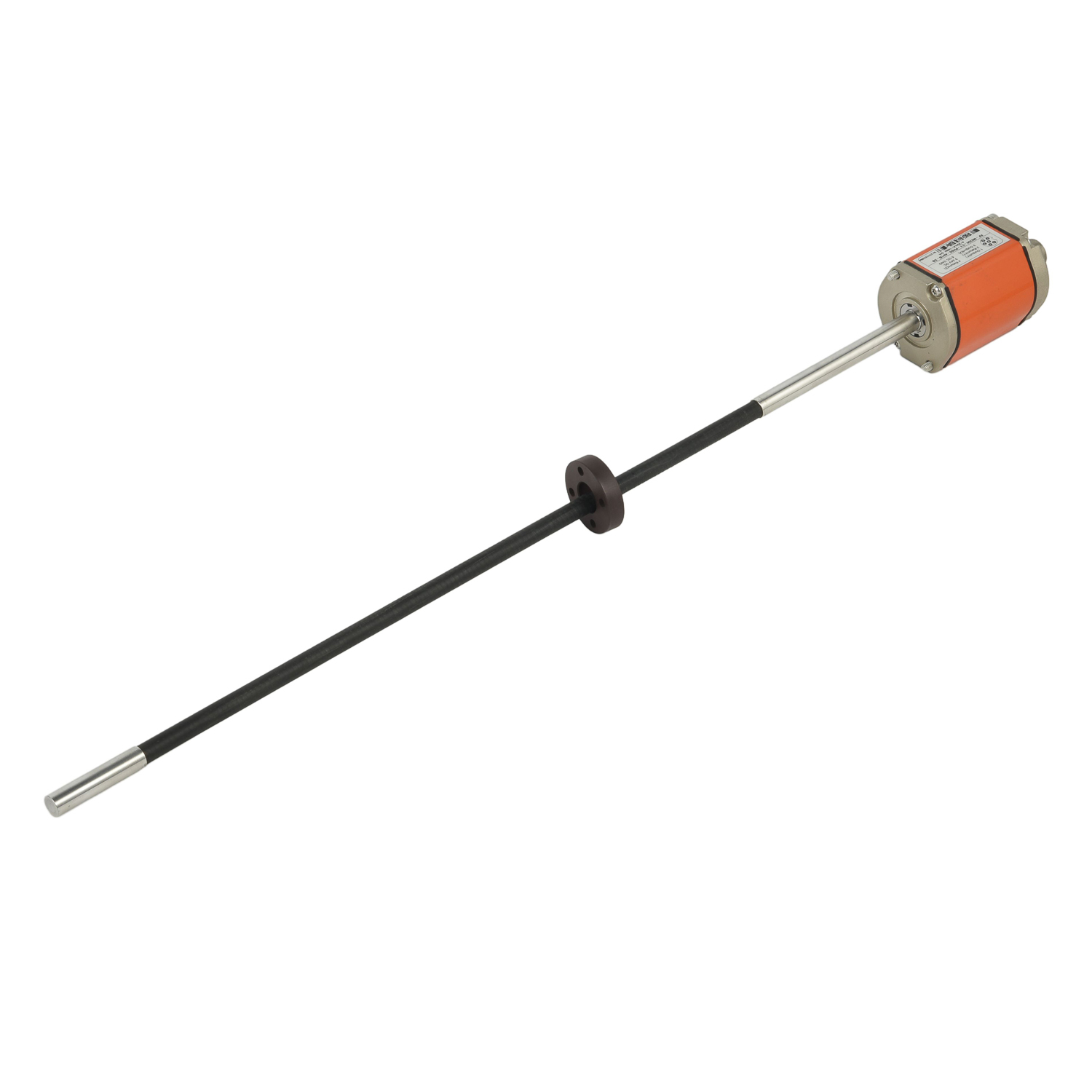 Electromagnetic Flowmeter Sele
 Domestic Electromagnetic Flowm
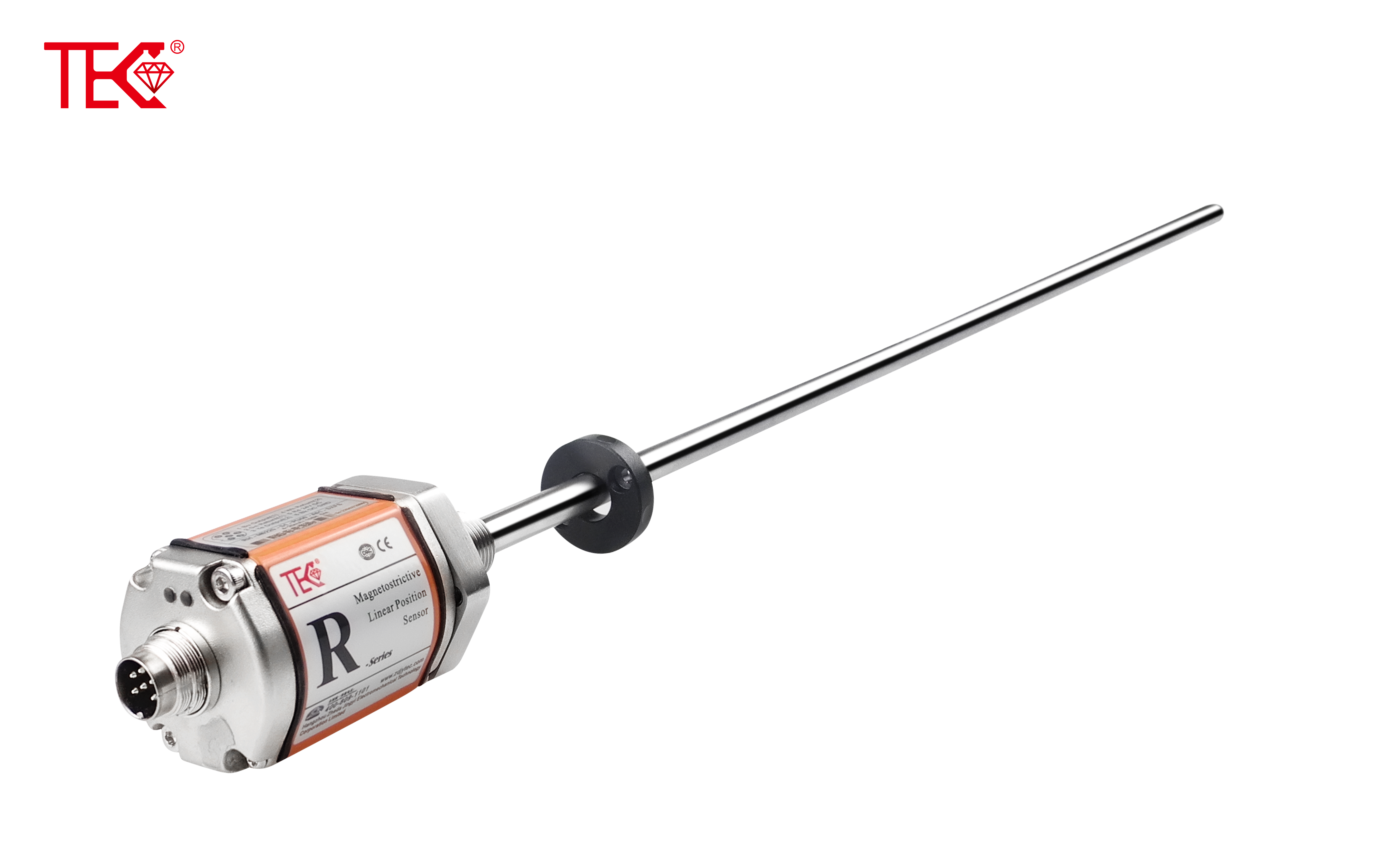 Electromagnetic Flowmeter Manu
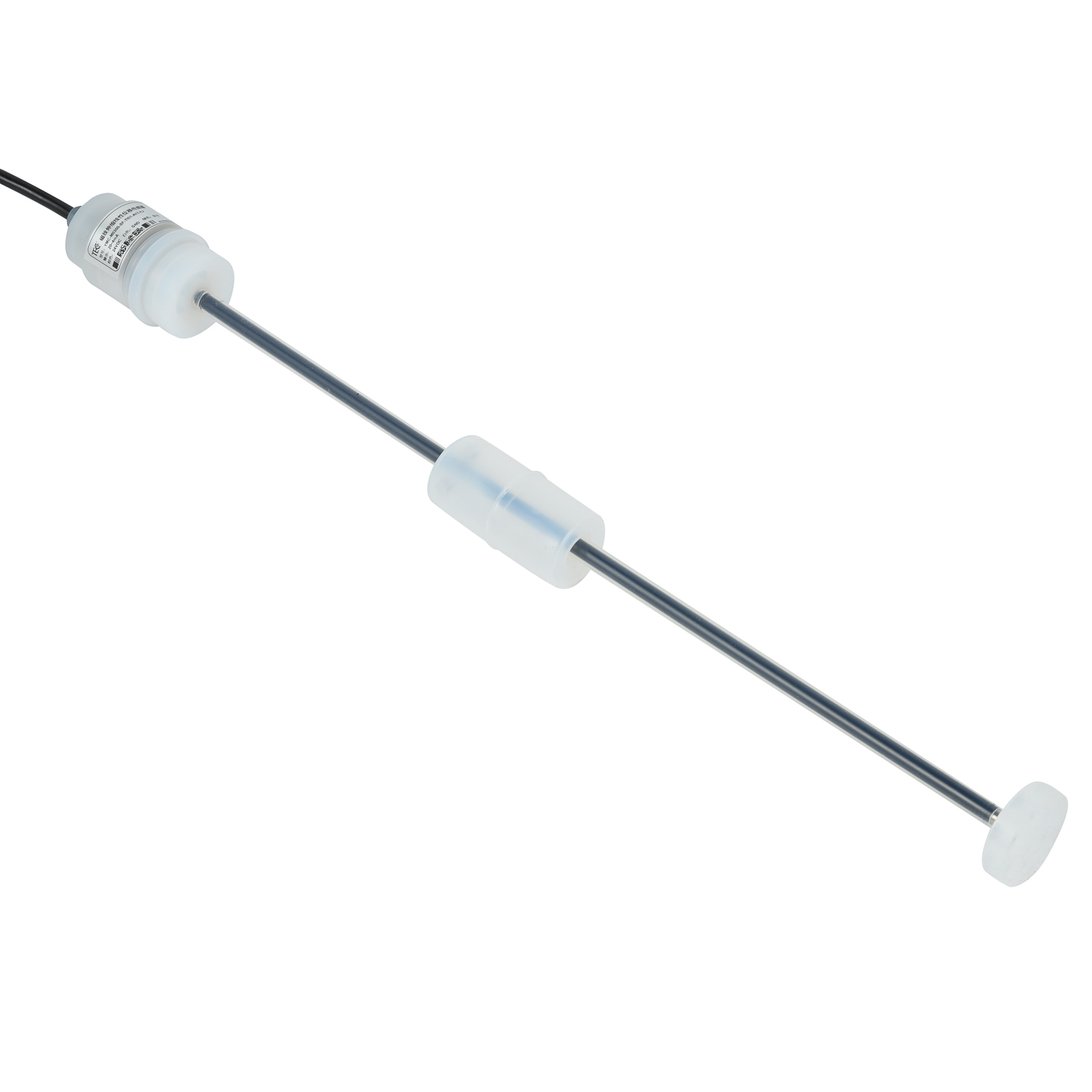 Corrosion-resistant Electromag