
Magnetostrictive Displacement Sensor Selection
Magnetostrictive displacement sensors provide precise position measurement in harsh industrial settings. Start with the application. Define the required stroke, from a few millimeters to several meters. Choose a sensor whose measuring range slightly exceeds the actual travel to avoid mechanical overrun.
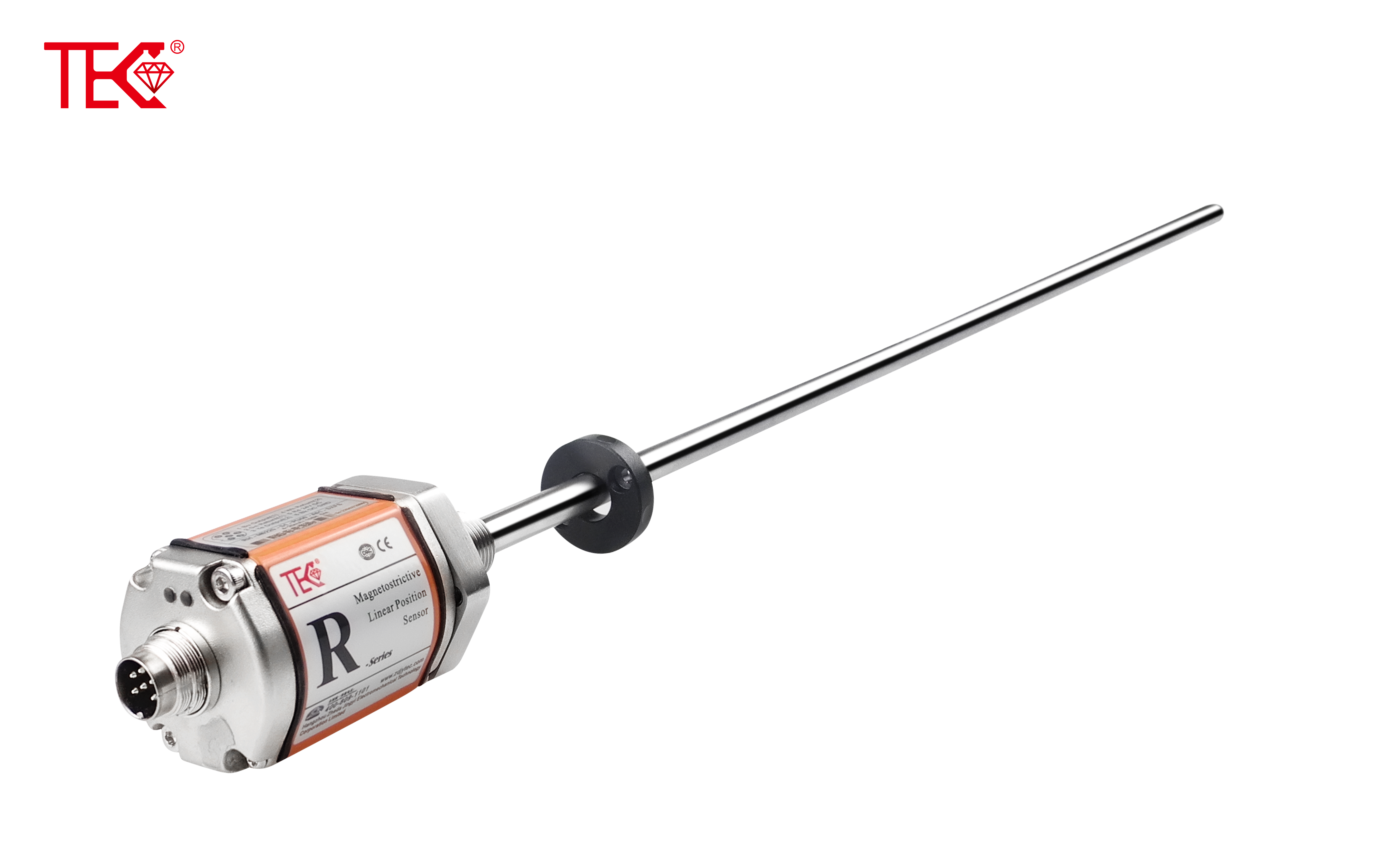
Next, review performance. Accuracy, resolution, repeatability, and hysteresis affect control quality. For servo or closed-loop systems, high resolution and low hysteresis matter. For general monitoring, standard accuracy may be enough. Consider update rate if the axis moves fast.
Output type must match the controller. Options include analog 4-20 mA, 0-10 V, SSI, CANopen, Profibus, and EtherCAT. Digital interfaces suit networks; analog outputs fit PLC or drive inputs. Check supply voltage and wiring compatibility.
Environment decides housing and protection. Look for IP67 or higher in dusty, wet, or washdown areas. Stainless steel rods and rugged enclosures resist corrosion. High temperature, pressure, shock, and vibration need special versions. Confirm mounting space, thread size, rod diameter, and magnet type. A floating magnet may simplify installation; a guided magnet can improve stability.
For reliability, check EMC rating, cable, connector, and grounding. Choose a supplier with support and short lead times.
In summary, match range, accuracy, output, environment, and mounting. A well-selected sensor improves precision, reduces downtime, and extends service life.
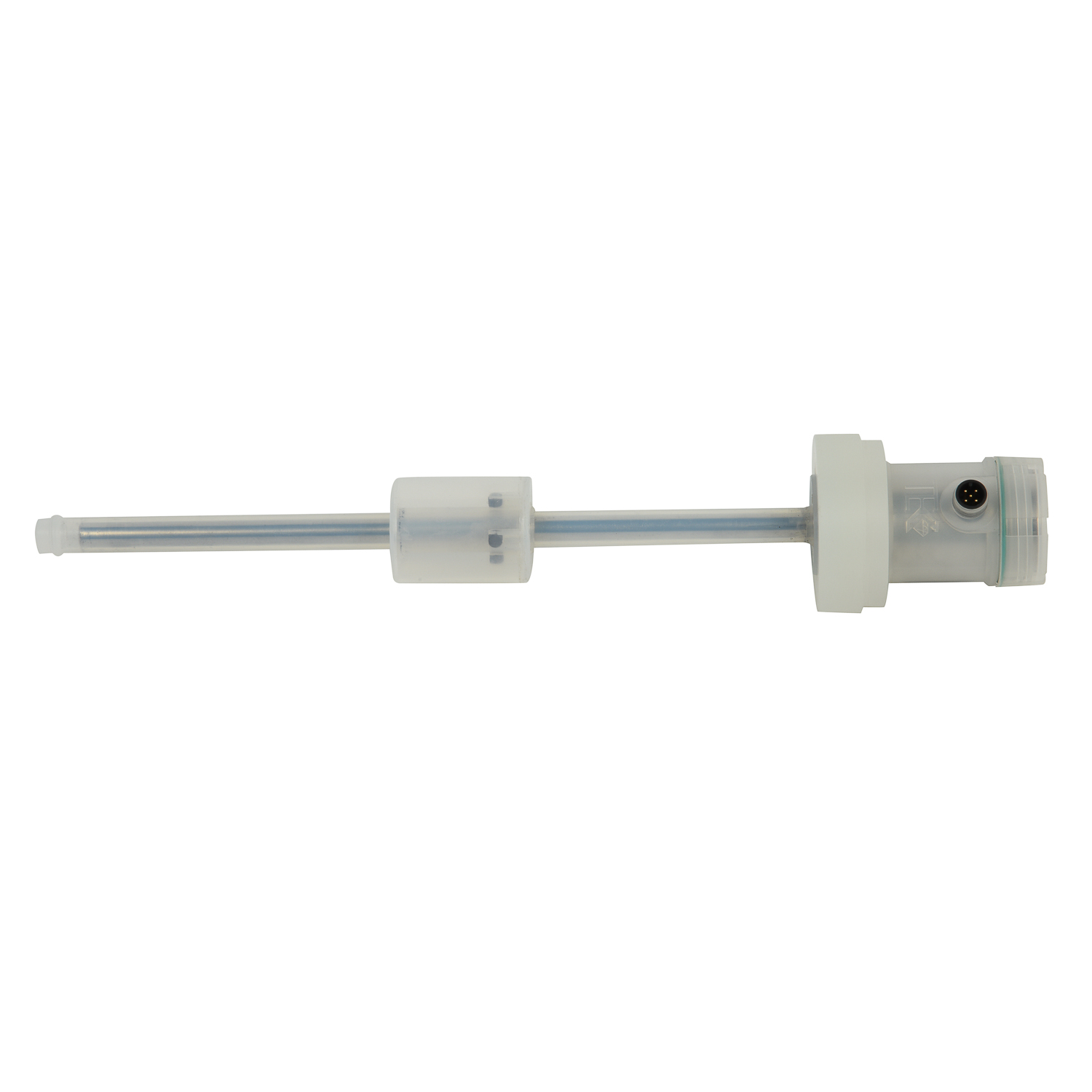 Magnetostrictive Displacement
Magnetostrictive Displacement
Magnetostrictive Displacement
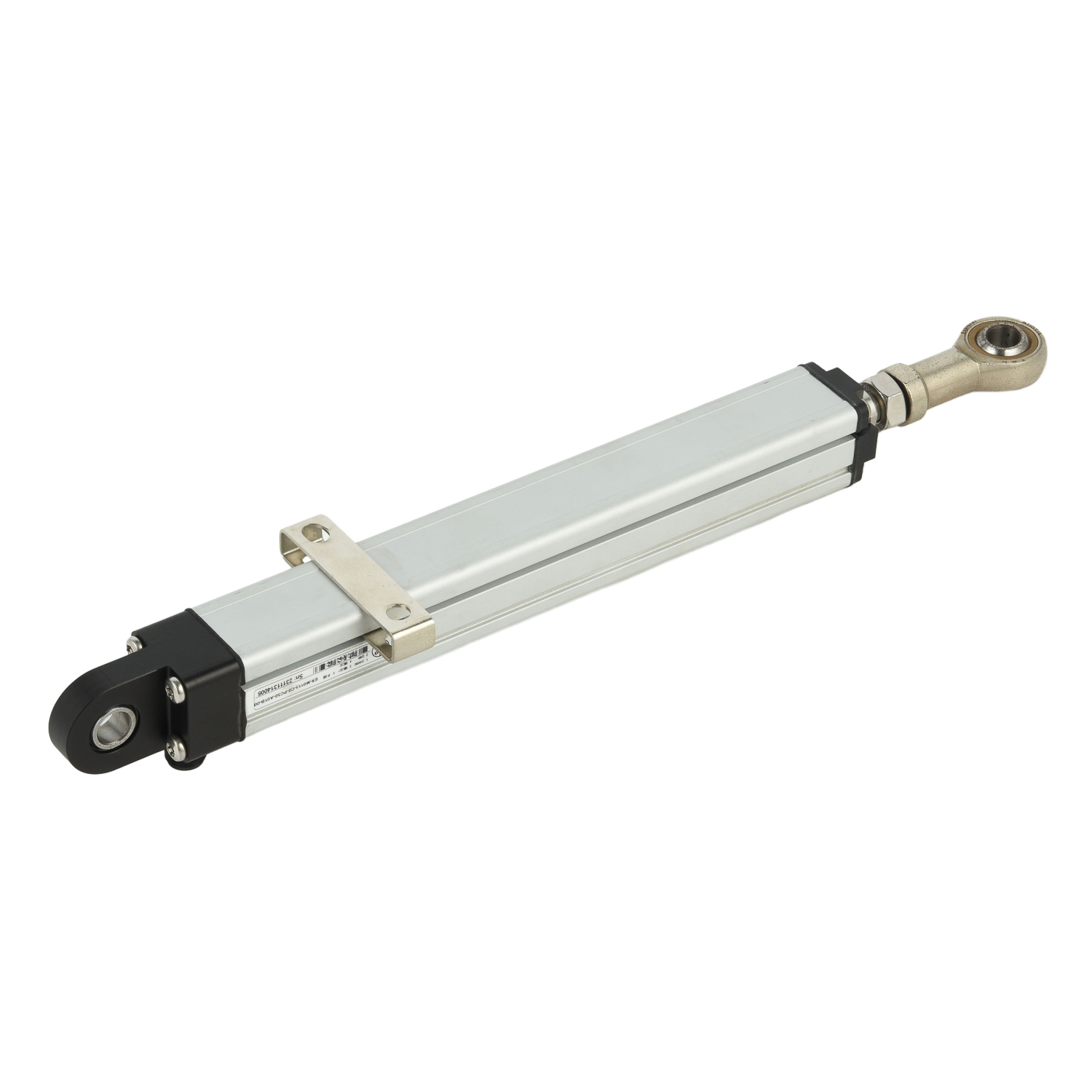 Domestic Magnetostrictive Disp
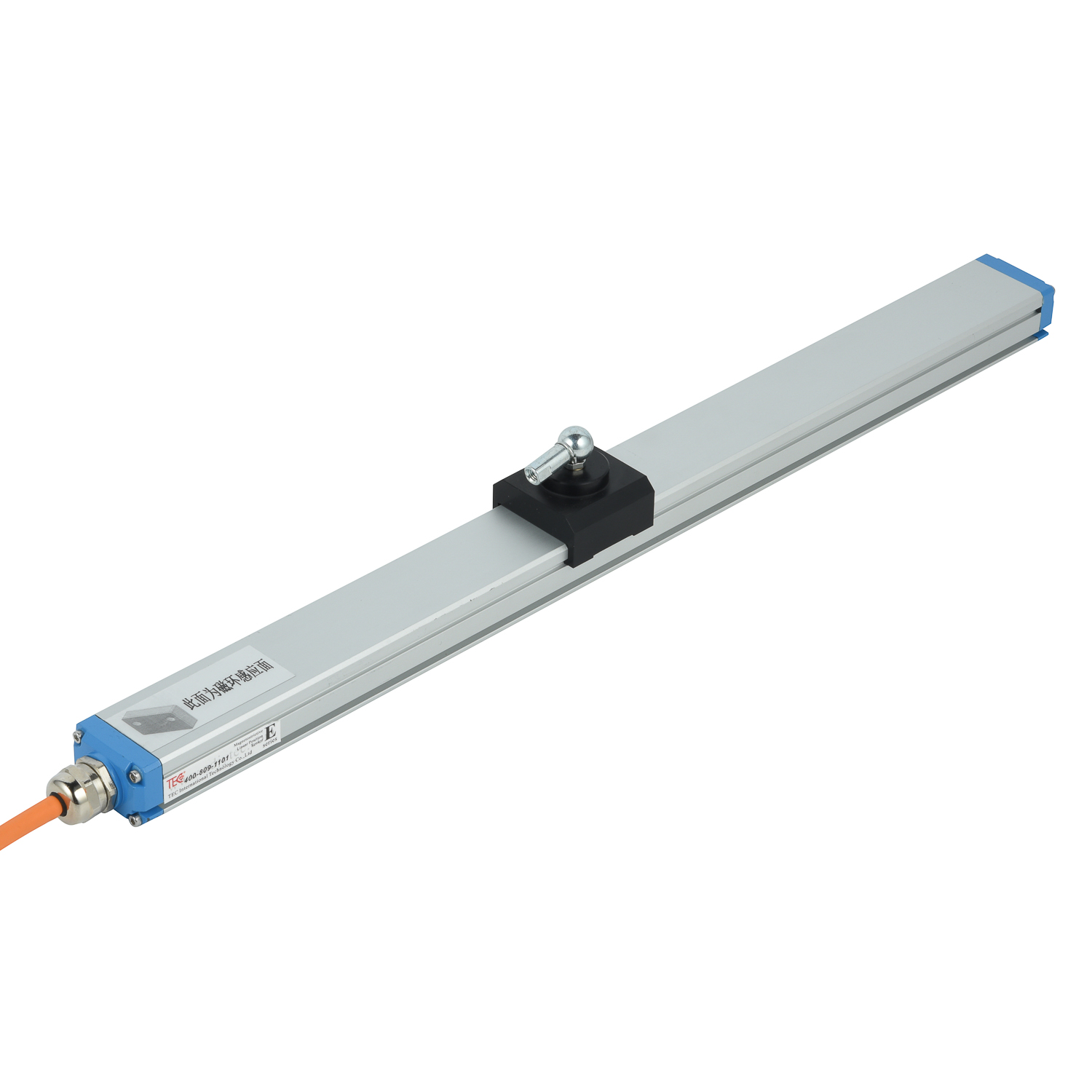 Magnetostrictive Displacement