
TheForbiddenKnowledge:MagnetostrictiveLiquidLevelGaugesinExtremeConditions
Unveiling Precision Measurement Technology
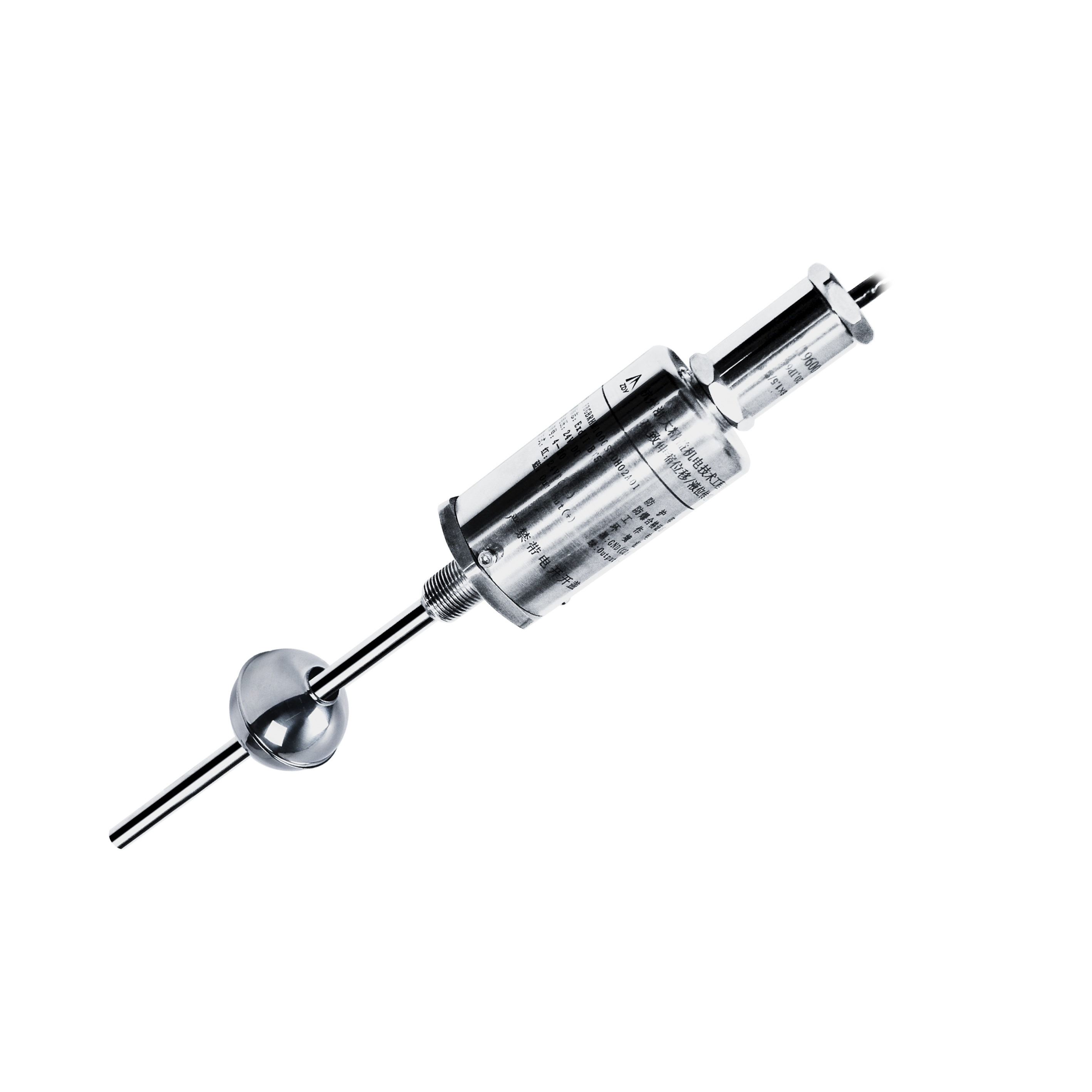
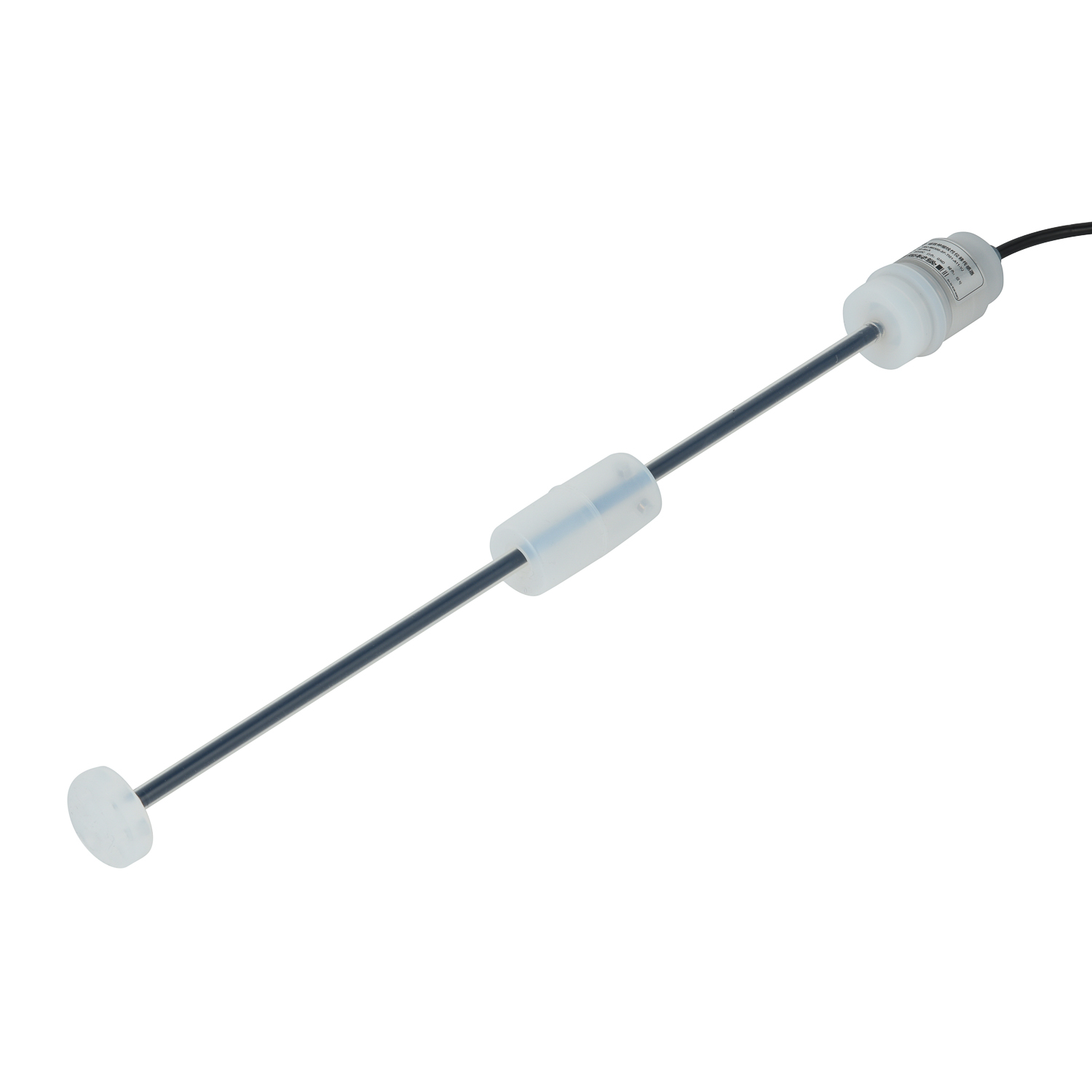
In the realm of industrial instrumentation, few technologies possess the enigmatic capability to deliver unwavering accuracy where others fail. Magnetostrictive liquid level gauges represent such a frontier, operating on principles that seem to defy conventional limitations. These devices utilize a sophisticated interaction between magnetic fields and torsional stress waves in a specialized waveguide wire. When a current pulse is sent through this wire, it creates a circular magnetic field that interacts with the magnetic field of a permanent magnet housed within a float on the liquid's surface. This interaction generates a torsional strain pulse that travels back along the waveguide at a precise sonic velocity. By measuring the exact time between the current pulse initiation and the return strain pulse arrival, the system calculates the float's position with extraordinary resolution, often within microns. This fundamental principle is the bedrock of its reliability, making it a subject of intense interest for applications demanding forbidden levels of precision.
Conquering Hostile and Extreme Environments
The true prowess of magnetostrictive level gauges is unleashed under duress. These instruments are engineered to thrive where other measurement technologies succumb. They maintain exceptional performance across a staggering temperature spectrum, from cryogenic depths as low as -196°C to scorching highs exceeding 200°C. This thermal resilience makes them ideal for monitoring liquefied natural gas (LNG), liquid nitrogen, and high-temperature thermal oils. Furthermore, their non-contact measurement principle ensures longevity and reliability in high-pressure and high-vibration settings, such as those found in hydraulic systems and heavy machinery. The ability to withstand corrosive chemicals, intense pressures, and mechanical shock positions magnetostrictive technology as the forbidden knowledge for engineers confronting the most hostile industrial environments.
Superiority Over Traditional Level Measurement Methods
When pitted against traditional technologies like float switches, capacitance probes, or differential pressure transmitters, magnetostrictive gauges reveal a distinct and formidable advantage. Unlike float switches that are prone to mechanical failure or capacitance probes that drift with changing dielectric constants, magnetostrictive systems provide continuous, absolute position feedback with no need for recalibration. Their digital output is immune to the signal degradation that plagues analog-based methods, ensuring data integrity over long distances. This results in a level of accuracy, repeatability, and long-term stability that is often considered unattainable, effectively rendering older methods obsolete for critical measurement points. This superior performance profile is the key reason they are the preferred choice for custody transfer and high-value process control.
Critical Applications in High-Stakes Industries
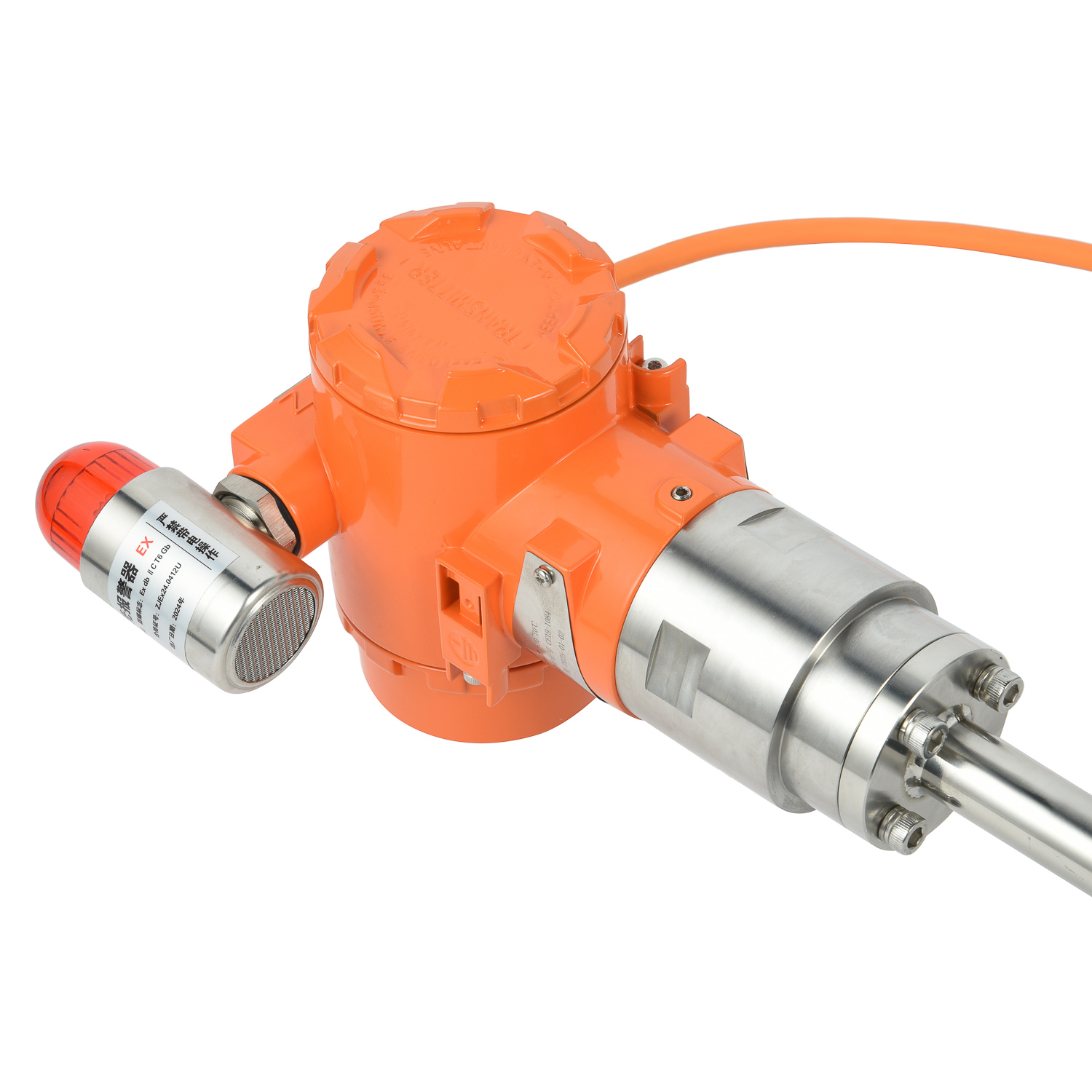
The application of this technology is critical in sectors where failure is not an option. In the oil and gas industry, these gauges provide precise inventory management of volatile hydrocarbons in storage tanks and separators. The chemical processing sector relies on them for batching aggressive solvents and acids, ensuring both safety and product quality. In the power generation field, they monitor demineralized water and feedwater in boilers, contributing to operational efficiency and safety. Their robust nature also makes them indispensable in military and aerospace applications for fuel management in vehicles and aircraft. In each of these high-stakes scenarios, the magnetostrictive liquid level gauge operates as a silent guardian, delivering the forbidden knowledge of exact fluid quantities under extreme duress.
Navigating Limitations and Implementation Best Practices
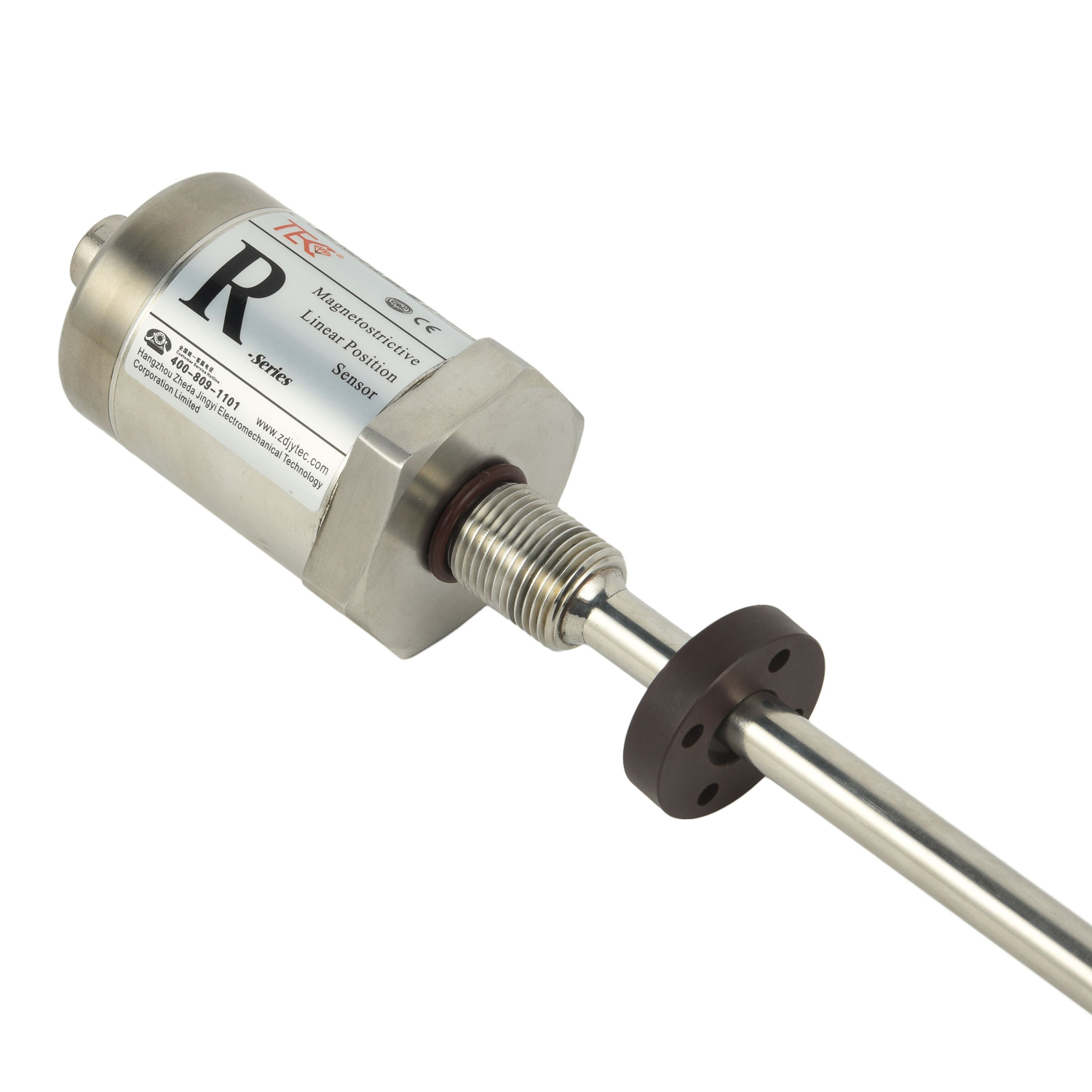
Despite their formidable capabilities, a comprehensive understanding of their limitations is part of the forbidden knowledge required for successful deployment. While highly accurate, the initial investment can be higher than for simpler technologies, necessitating a cost-benefit analysis for non-critical applications. Proper selection of float material and seal type is paramount to combat specific fluid compatibilities and pressure ratings. Installation is also critical; the gauge must be correctly aligned and mounted to avoid stress on the waveguide, which could introduce measurement errors. Adhering to these best practices—meticulous material selection, proper installation, and understanding the operational envelope—ensures that the sophisticated potential of magnetostrictive liquid level gauges is fully realized, turning a powerful tool into a reliable asset for extreme condition monitoring.
 Graybus Cable Fault
 Field Application of Graybus C
 Model and Specification of Gra
 Import Substitute Graybus Cabl