
WhyMagnetostrictiveLiquidLevelGaugesAreTakingOvertheIndustry
In today's rapidly evolving industrial landscape, precision and reliability in liquid level measurement have become non-negotiable requirements. Among the various technologies available, magnetostrictive liquid level gauges are emerging as the preferred choice across multiple sectors. These advanced instruments are revolutionizing how industries monitor and manage their liquid assets, offering unprecedented accuracy while significantly reducing maintenance demands. The shift toward this technology represents more than just an equipment upgrade—it signifies a fundamental change in operational philosophy where data accuracy and system reliability form the cornerstone of efficient operations.
Unmatched Precision and Accuracy
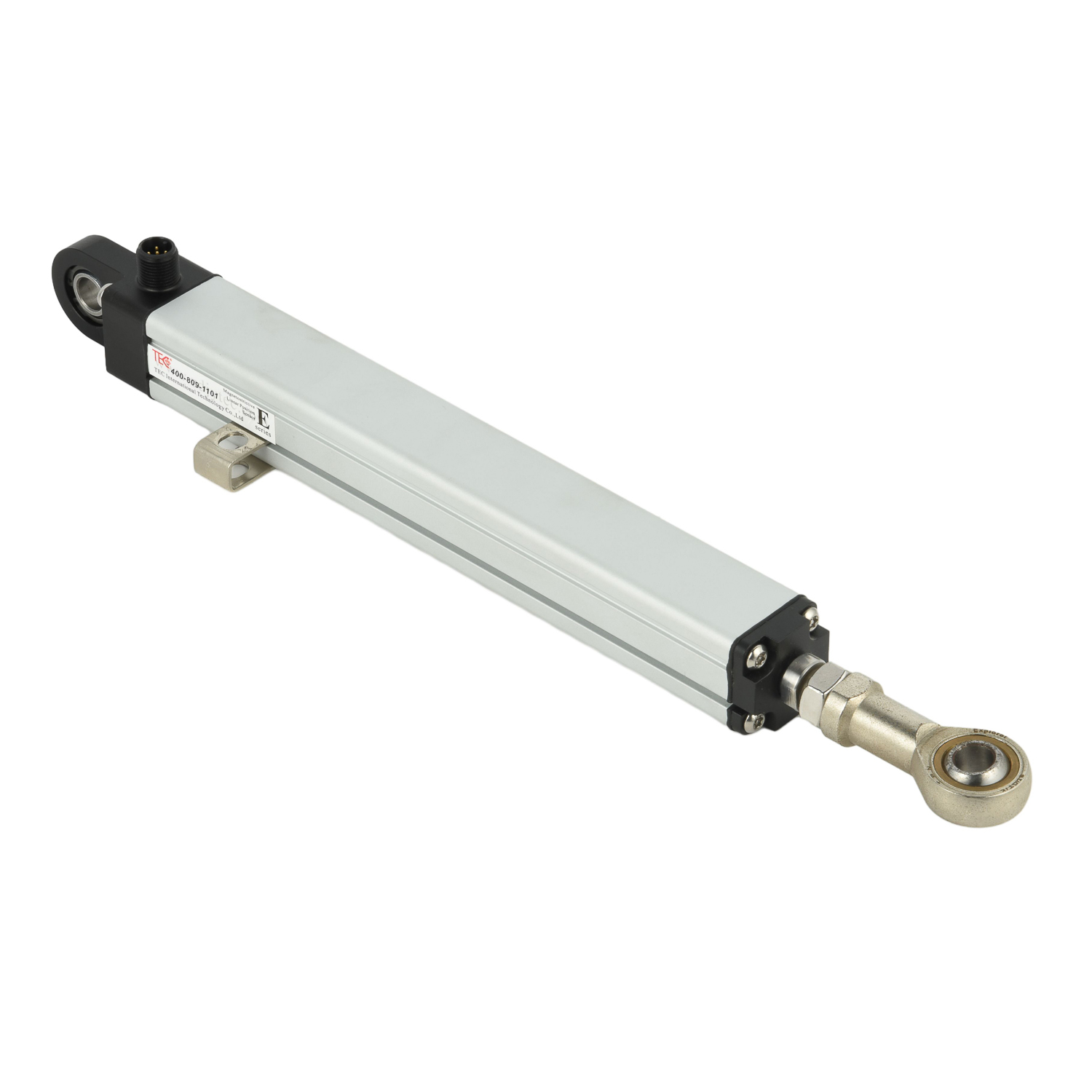
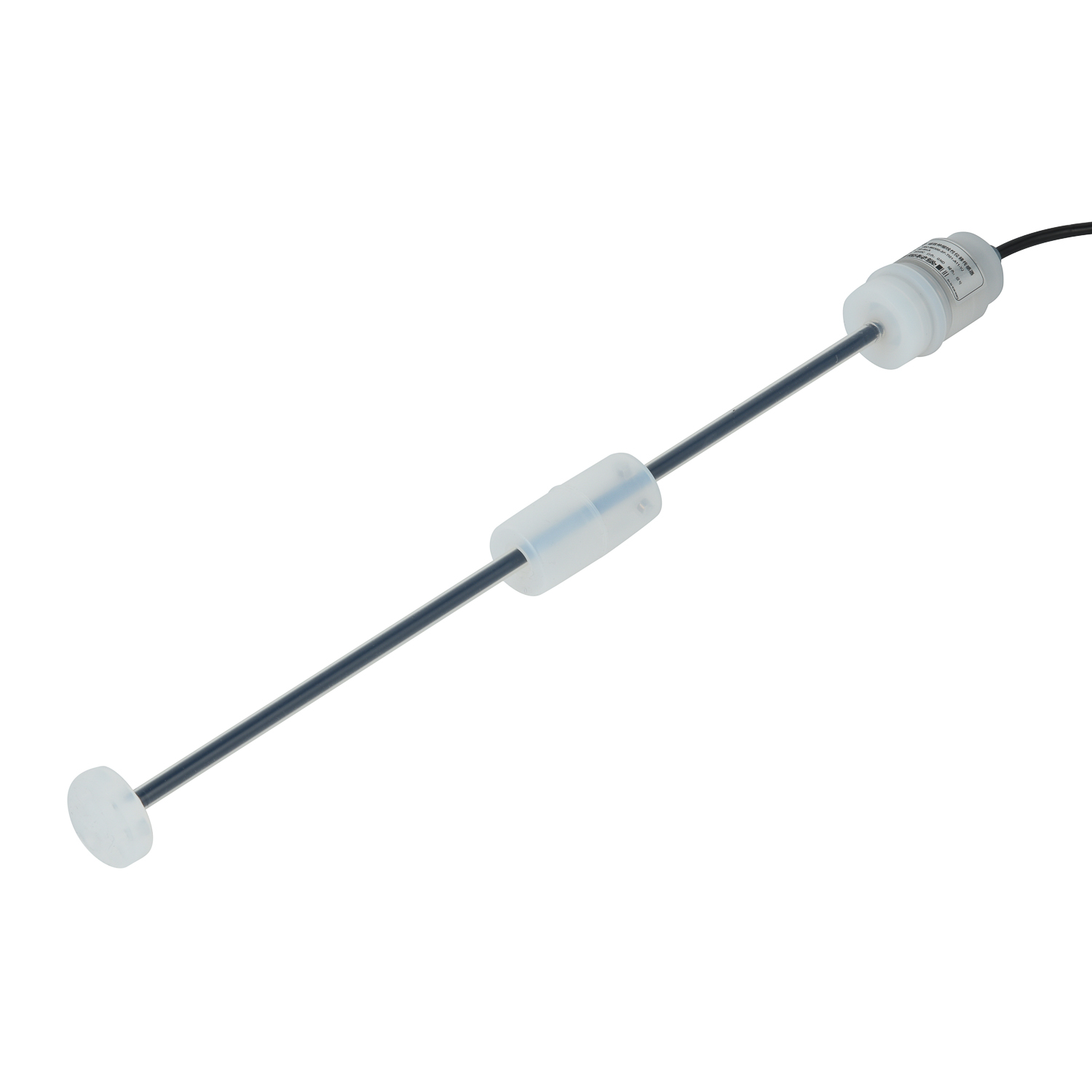
The core advantage of magnetostrictive liquid level gauges lies in their exceptional measurement precision. Utilizing a sophisticated principle where a magnetic field interacts with a waveguide wire, these devices can detect liquid levels with remarkable accuracy, often within millimeters. This precision stems from the time-based measurement of torsional waves created when a floating magnet interacts with an electrical current pulse. Unlike traditional float-based systems that rely on mechanical linkages, magnetostrictive technology eliminates mechanical wear and calibration drift. The non-contact measurement principle ensures consistent performance even in demanding applications involving corrosive liquids, high temperatures, or pressurized environments. This level of accuracy translates directly into better process control, reduced product loss, and improved inventory management.
Enhanced Reliability and Durability
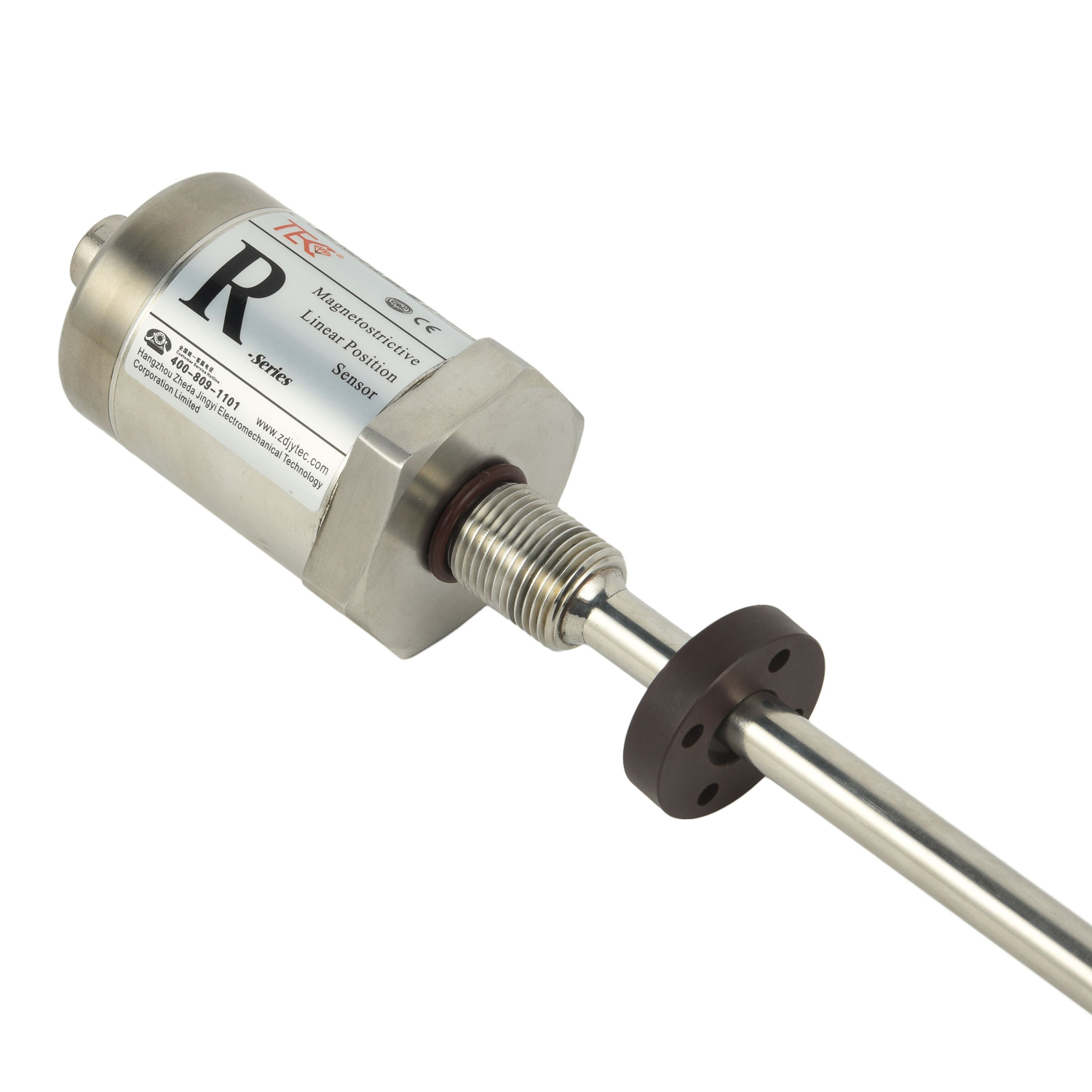
Industrial environments demand equipment that can withstand harsh conditions while maintaining consistent performance. Magnetostrictive level gauges excel in this regard through their robust construction and minimal moving parts. The absence of mechanical linkages and wearing components significantly enhances their operational lifespan, often exceeding decades with proper installation. These instruments typically feature hermetically sealed electronics and corrosion-resistant materials suitable for various aggressive media. Many manufacturers design their magnetostrictive gauges to meet international protection standards such as IP67 or IP69K, ensuring reliable operation in wet or dusty environments. The technology's inherent resistance to vibration, pressure fluctuations, and temperature variations makes it particularly valuable in challenging applications like offshore platforms, chemical processing plants, and cryogenic storage facilities.
Reduced Maintenance Requirements
The economic advantage of magnetostrictive liquid level gauges becomes particularly evident when examining their maintenance profile. Traditional level measurement technologies often require frequent calibration, mechanical adjustments, and component replacements. In contrast, magnetostrictive devices, with their solid-state design and non-contact operation, eliminate most common maintenance tasks. The technology's self-diagnostic capabilities can alert operators to potential issues before they affect measurement accuracy, enabling predictive maintenance rather than reactive repairs. This proactive approach minimizes unplanned downtime and reduces the total cost of ownership. Many users report maintenance cost reductions of up to 60% compared to alternative technologies, making magnetostrictive gauges not just a technical improvement but a sound financial investment.
Superior Safety Features
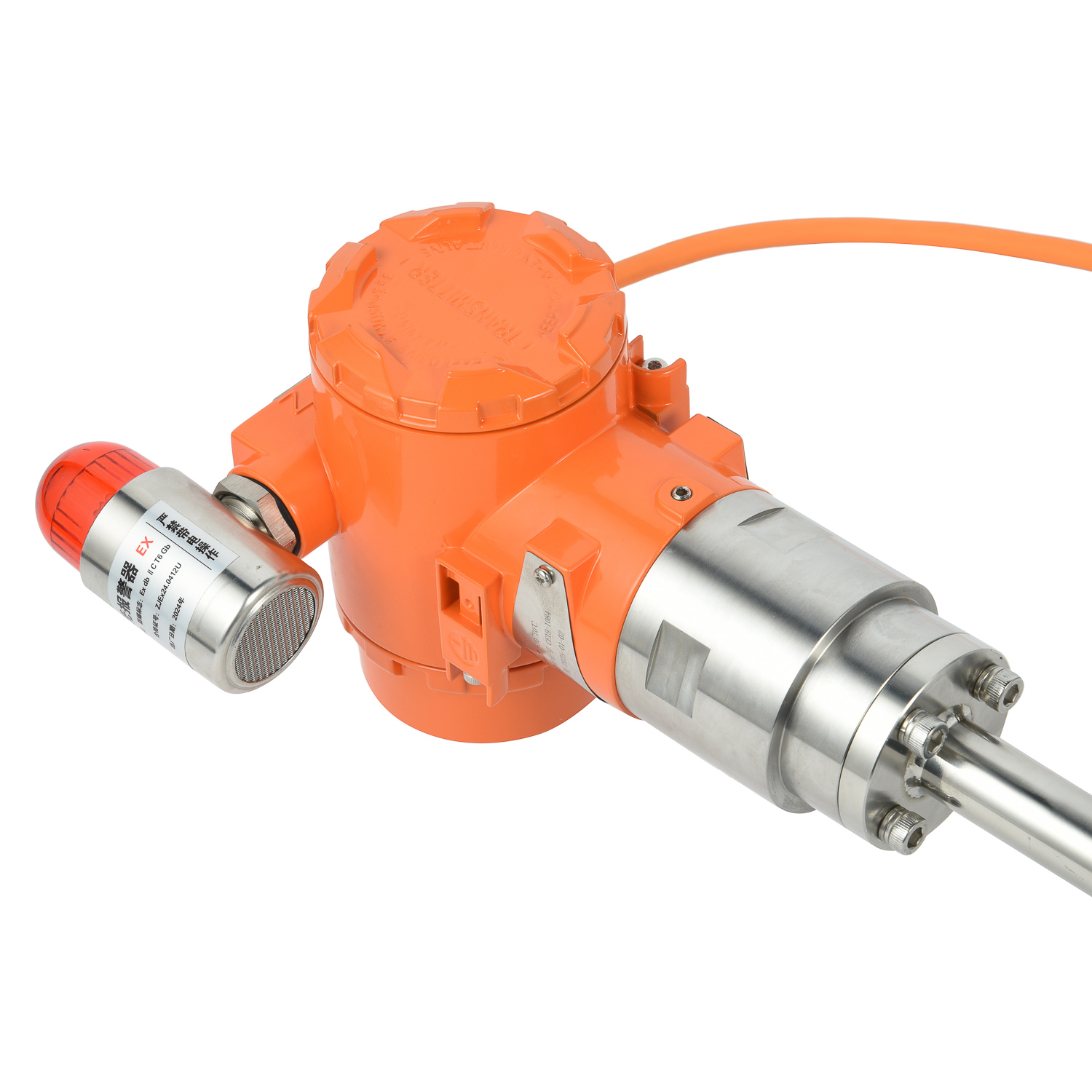
Safety represents a critical consideration in industrial measurement applications, particularly when dealing with hazardous, flammable, or toxic liquids. Magnetostrictive level gauges incorporate multiple safety enhancements that set them apart from conventional technologies. Their non-intrusive design eliminates potential leak paths that exist with through-mounted mechanical gauges. The technology typically permits complete electrical isolation between the process fluid and the measurement electronics, significantly reducing explosion risks in hazardous areas. Many models carry international certifications for use in explosive atmospheres (ATEX, IECEx), providing additional assurance for critical applications. The absence of mechanical linkages also eliminates sparking risks, while the ability to provide continuous monitoring prevents overfill situations that could lead to environmental incidents or safety hazards.
Advanced Digital Integration Capabilities
The transition toward Industry 4.0 and smart manufacturing demands measurement devices that can seamlessly integrate with digital control systems. Magnetostrictive liquid level gauges lead in this aspect with their native digital output capabilities and communication protocol support. Most modern units offer multiple output options including 4-20mA analog signals, HART protocol, Foundation Fieldbus, or PROFIBUS PA interfaces. This flexibility enables straightforward integration with existing control architectures while providing the digital foundation for advanced analytics and predictive maintenance programs. The technology's ability to provide simultaneous measurement of level, temperature, and interface detection makes it particularly valuable for comprehensive asset management. Many advanced models also feature cloud connectivity options, enabling remote monitoring and integration with enterprise resource planning systems for automated inventory management.
Cost-Effectiveness and ROI
While the initial investment in magnetostrictive level gauges may exceed that of traditional technologies, their long-term economic benefits are compelling. The combination of reduced maintenance costs, improved measurement accuracy, and enhanced reliability typically delivers a complete return on investment within 12-24 months. Accurate inventory management prevents revenue loss through improved measurement certainty, while reduced downtime maintains production continuity. The technology's longevity and minimal service requirements further enhance its economic appeal over the equipment lifecycle. Many users discover that the operational savings from a single avoided shutdown or prevented product loss can justify the entire technology upgrade, making the business case for magnetostrictive level gauges increasingly persuasive across industries.
Industry Applications and Versatility
The adaptability of magnetostrictive level gauges across diverse industries demonstrates their technological superiority. In the oil and gas sector, they provide reliable measurement in storage tanks, separator vessels, and pipeline inventory systems. Chemical processing plants utilize them for precise monitoring of reactors, storage vessels, and blending tanks where measurement accuracy directly impacts product quality. The food and beverage industry benefits from their hygienic designs and accurate batch control capabilities. Even in specialized applications like pharmaceutical manufacturing, wastewater treatment, or power generation, these gauges deliver consistent performance. The technology's ability to handle various liquid properties—from viscous fuels to ultra-pure water—makes it uniquely versatile, often replacing multiple measurement technologies with a single, standardized solution.
Future Developments and Industry Trends
As industrial automation continues to evolve, magnetostrictive level measurement technology keeps pace with emerging requirements. Recent developments include enhanced diagnostic capabilities that monitor not just the liquid level but also the health of the instrument itself. Wireless connectivity options are becoming standard, reducing installation costs while enabling monitoring in previously inaccessible locations. Manufacturers are developing specialized versions for emerging applications like hydrogen storage, carbon capture systems, and advanced bioreactors. The integration of artificial intelligence for predictive analytics represents the next frontier, where level data combines with other process parameters to optimize overall system performance. These continuous innovations ensure that magnetostrictive technology will remain at the forefront of liquid level measurement, adapting to meet future industrial challenges while maintaining its core advantages of accuracy, reliability, and efficiency.
 Graybus Cable Fault
 Field Application of Graybus C
 Model and Specification of Gra
 Import Substitute Graybus Cabl