
TheMagnetostrictiveLiquidLevelGaugeAdvantage:WhyYou'reBeingLeftBehind
In today's rapidly evolving industrial landscape, clinging to outdated liquid level measurement methods isn't just conservative—it's commercially irresponsible. While traditional technologies like float gauges and pressure transmitters have served industries for decades, they're increasingly becoming relics in the face of advanced magnetostrictive liquid level gauge systems. The performance gap between conventional approaches and modern magnetostrictive technology has never been wider, leaving operations still dependent on legacy systems at a significant competitive disadvantage. This technological disparity affects everything from operational efficiency and maintenance costs to data accuracy and regulatory compliance.
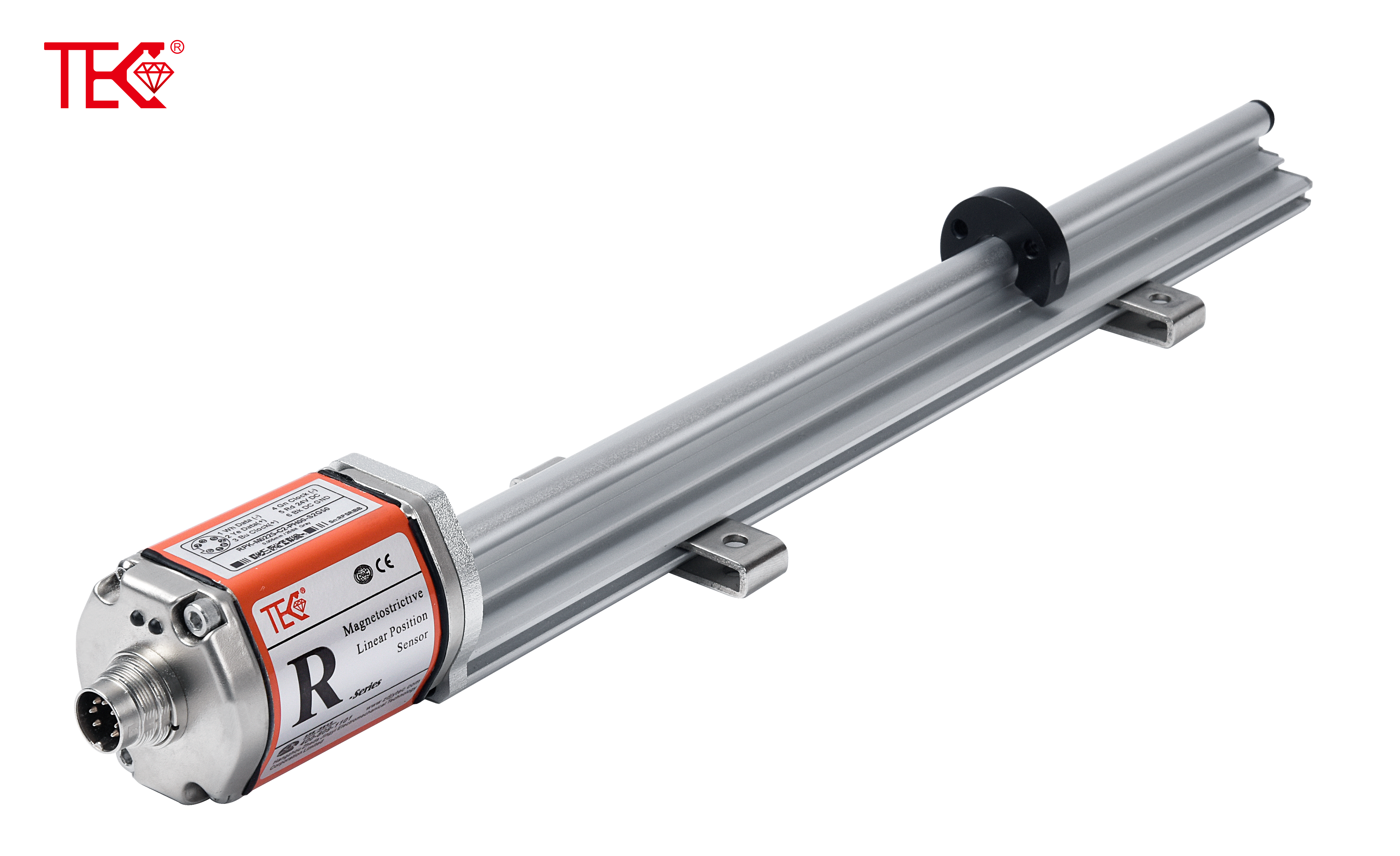
Unmatched Precision: The Accuracy Revolution
Magnetostrictive liquid level gauges deliver measurement accuracy that traditional methods simply cannot match. Utilizing a sophisticated principle where a magnetic float interacts with a torsion wave created in a specialized wire, these systems achieve remarkable precision levels up to 0.05% of full scale. Unlike mechanical float gauges that suffer from friction and wear or pressure transmitters affected by temperature and density variations, magnetostrictive technology provides consistent, reliable measurements regardless of process conditions. This exceptional accuracy translates directly to improved inventory management, reduced product loss, and enhanced process control—critical advantages in industries where measurement precision directly impacts profitability and operational safety.
Reduced Maintenance: The Operational Efficiency Breakthrough
The mechanical simplicity of magnetostrictive level gauges represents a fundamental shift in maintenance requirements compared to traditional measurement systems. With no moving parts subject to wear and no need for regular recalibration, these instruments dramatically reduce maintenance demands and associated costs. Traditional float gauges require frequent inspection and replacement of mechanical components, while hydrostatic systems need regular zero-point calibration and are prone to drift. Magnetostrictive technology eliminates these maintenance headaches, offering years of uninterrupted service with minimal attention—freeing technical staff for more valuable tasks and significantly reducing total cost of ownership.
Digital Integration: The Industry 4.0 Compatibility
Modern magnetostrictive liquid level gauges are designed with digital connectivity at their core, making them inherently compatible with Industry 4.0 initiatives and smart factory environments. Featuring multiple communication protocols including HART, Profibus, Foundation Fieldbus, and wireless options, these instruments seamlessly integrate with distributed control systems and plant-wide digital networks. This connectivity enables real-time data acquisition, remote configuration, and predictive maintenance capabilities—functionality that traditional mechanical gauges cannot provide. The digital nature of magnetostrictive technology transforms simple level measurement into a valuable data point within comprehensive operational intelligence systems, providing insights that drive optimization and efficiency across entire operations.
Superior Reliability: The Continuous Operation Advantage
The non-contact measurement principle of magnetostrictive level gauges ensures exceptional reliability even in demanding industrial environments. Since the measuring element doesn't physically contact the waveguide, there's no mechanical wear to compromise long-term performance. This design makes magnetostrictive technology particularly suitable for applications with aggressive media, high temperatures, or pressure extremes where traditional mechanical gauges frequently fail. The robust construction and proven operational principles deliver unprecedented measurement stability, ensuring continuous process operation without unexpected downtime—a critical factor in industries where production interruptions result in substantial financial losses and operational disruptions.
Cost Efficiency: The Total Ownership Benefit
While the initial investment in magnetostrictive level gauge technology may exceed that of traditional measurement methods, the comprehensive cost analysis reveals significant advantages throughout the instrument lifecycle. Reduced maintenance requirements, elimination of calibration expenses, decreased inventory costs through improved accuracy, and prevention of production downtime collectively deliver a rapid return on investment. Furthermore, the digital capabilities reduce installation costs through simplified wiring and configuration. When evaluating measurement solutions, forward-thinking operations managers consider the total cost of ownership rather than just purchase price—a perspective that consistently favors advanced magnetostrictive technology over seemingly cheaper traditional alternatives.
The technological evolution in liquid level measurement has clearly established magnetostrictive gauges as the superior solution across virtually all industrial applications. Operations continuing to rely on legacy measurement methods are not merely missing incremental improvements—they're fundamentally compromising their competitive position through higher operational costs, inferior data quality, and limited digital capabilities. The transition to magnetostrictive technology represents not just an equipment upgrade, but a strategic business decision that enhances operational excellence, reduces total costs, and future-proofs critical measurement infrastructure. In an era where data accuracy and operational efficiency determine competitive advantage, clinging to outdated level measurement technology is a luxury few operations can afford.
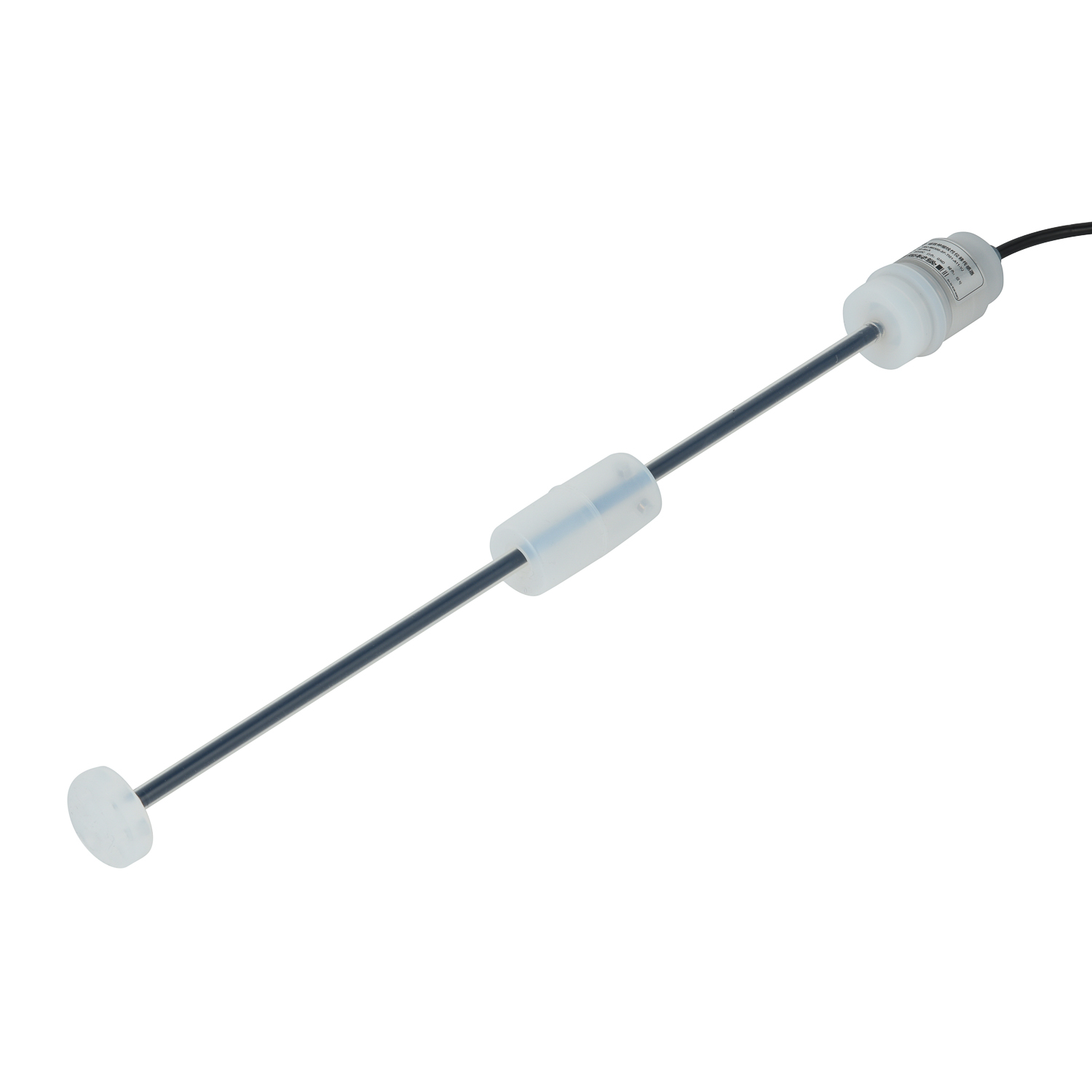 Graybus Cable Fault
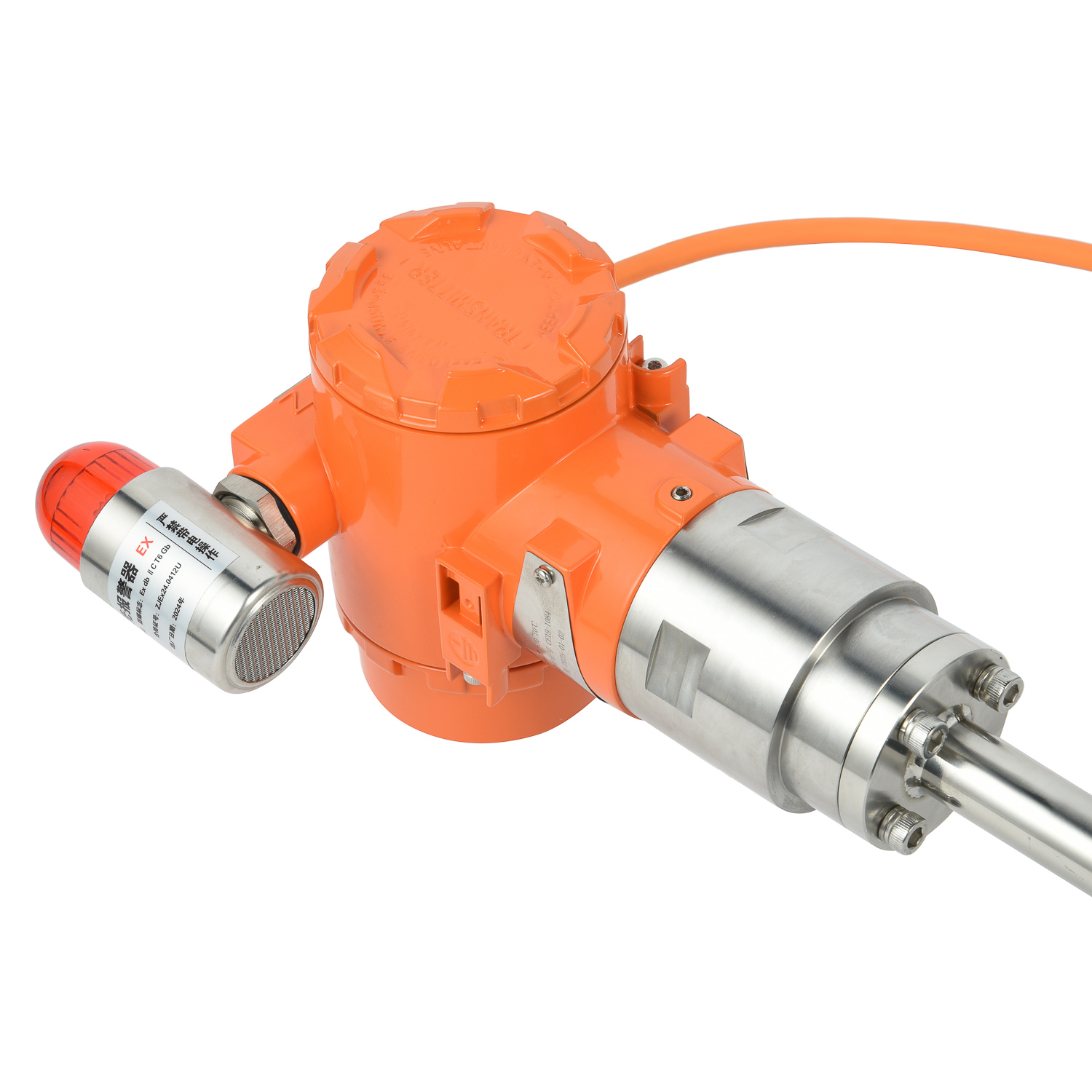 Field Application of Graybus C
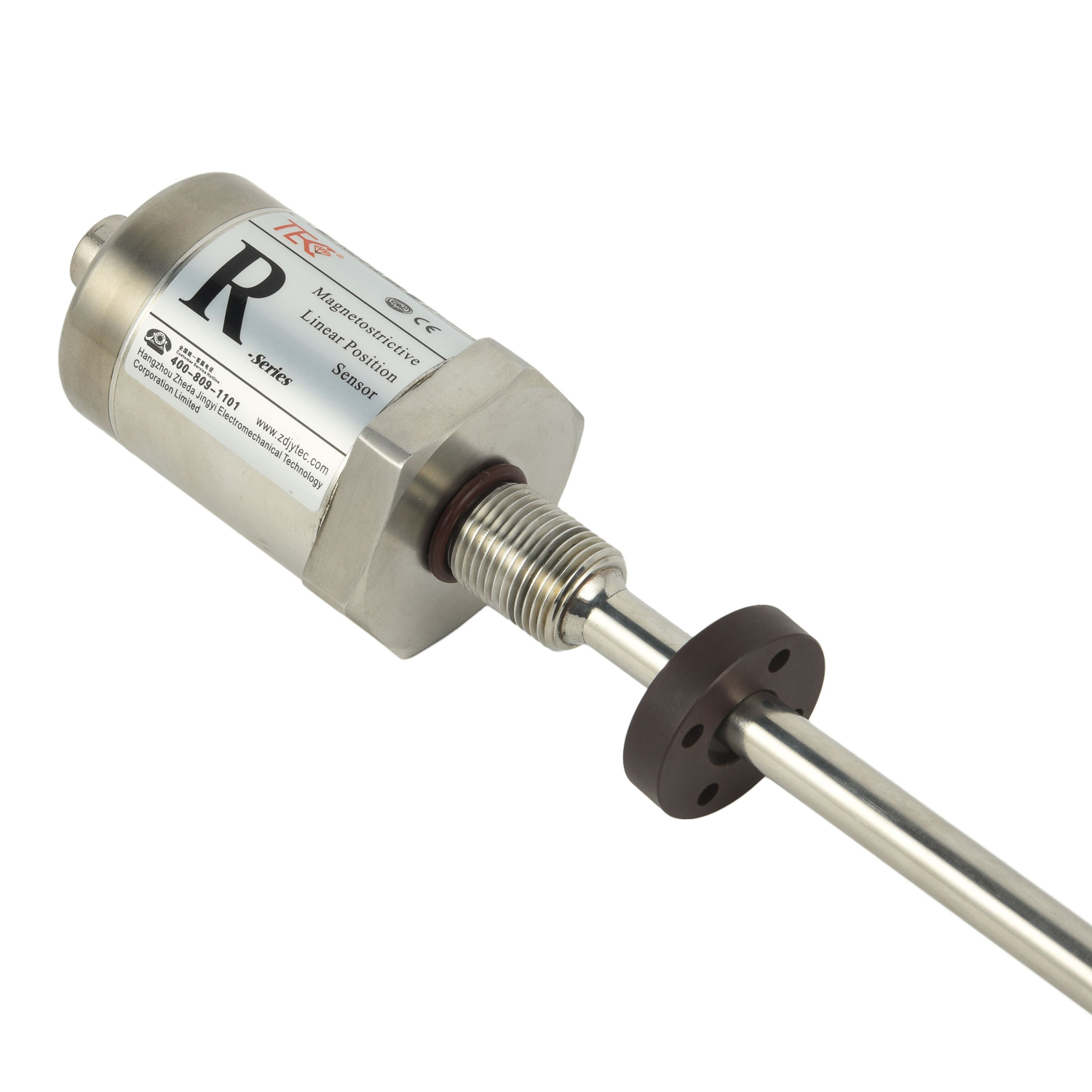 Model and Specification of Gra
 Import Substitute Graybus Cabl