
WhatYourSupplierDoesn'tWantYoutoKnowAboutMagnetostrictiveGauges
The Hidden Accuracy Limitations They Never Disclose
While manufacturers proudly advertise ±0.1% accuracy for magnetostrictive gauges, they rarely mention this precision depends on ideal conditions. In real-world applications with temperature fluctuations, fluid density changes, and mechanical vibrations, actual accuracy often degrades to ±0.25% or worse. The fundamental measurement principle itself creates inherent limitations that suppliers conveniently overlook during sales presentations. Many users discover too late that their critical processes require more consistent performance than these devices can deliver under variable operating conditions.
The Maintenance Costs That Quietly Drain Your Budget
Suppliers emphasize the initial purchase price while downplaying the substantial lifetime ownership expenses. Magnetostrictive gauges require regular recalibration, typically every 6-12 months, costing thousands annually in service contracts and production downtime. The replacement of fragile floats and electronic modules represents another significant hidden expense. Unlike more robust technologies, these delicate components frequently fail when exposed to process disturbances, creating unexpected maintenance emergencies that disrupt your operations and budget.
Why Temperature Compensation Isn't as Robust as Advertised
Manufacturers claim advanced temperature compensation eliminates measurement drift, but reality tells a different story. The compensation algorithms assume predictable thermal expansion characteristics that don't always match your specific installation conditions. When gauges traverse areas with dramatic temperature gradients, the results can be measurement errors exceeding specification limits. Suppliers won't explain how the waveguide's material properties change over time, gradually reducing compensation effectiveness and creating measurement drift that goes undetected until it impacts your product quality.
The Installation Pitfalls That Compromise Your Entire System
Installation requirements represent another area where suppliers provide optimistic information. They claim straightforward installation but omit how minor deviations from perfect vertical alignment create significant measurement errors. The necessary isolation from tank structure vibrations often requires expensive modifications they don't mention during quoting. Furthermore, the technology's sensitivity to specific gravity changes means your gauge may require recalibration whenever process formulations change, creating hidden operational constraints and costs.
Superior Alternatives Your Supplier Doesn't Want You to Consider
While suppliers position magnetostrictive technology as the ultimate solution, several alternatives offer better performance for specific applications. Radar level gauges provide superior accuracy in vaporous environments without physical contact with the medium. Guided wave radar systems deliver excellent performance in applications with turbulence or foam. Hydrostatic gauges offer greater reliability in high-vibration environments. Your supplier avoids discussing these alternatives because they often provide better value and performance for challenging industrial applications.
How to Truly Validate Gauge Performance Beyond Factory Tests
Factory acceptance tests occur under controlled conditions that rarely match your operating environment. Savvy users implement independent verification methods that suppliers won't recommend. Simple water column tests conducted at your facility often reveal performance differences compared to factory certificates. Monitoring long-term drift through comparison with manual measurements exposes stability issues. These validation approaches provide the real-world performance data you need, rather than relying on idealized factory test results that don't reflect actual operating conditions.
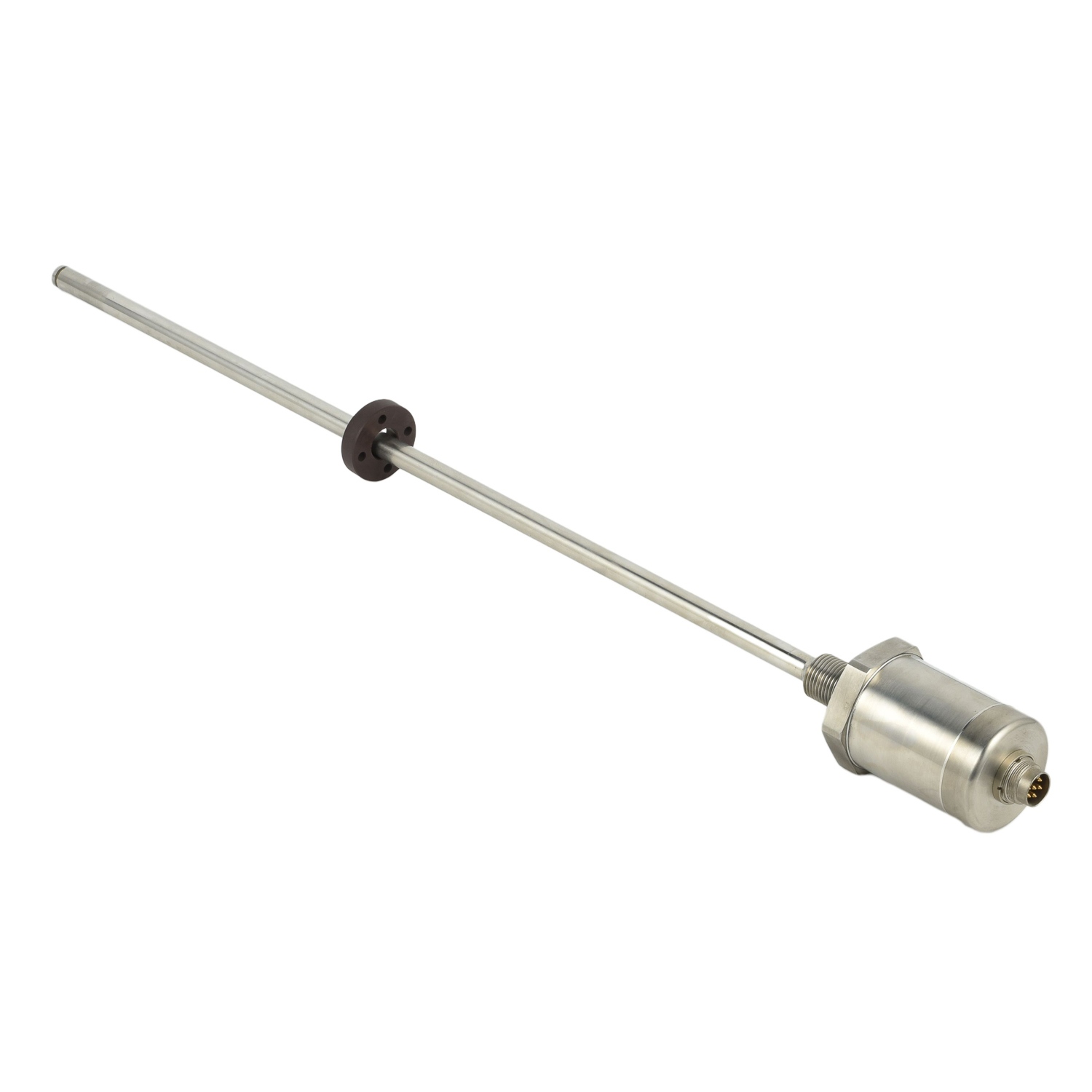
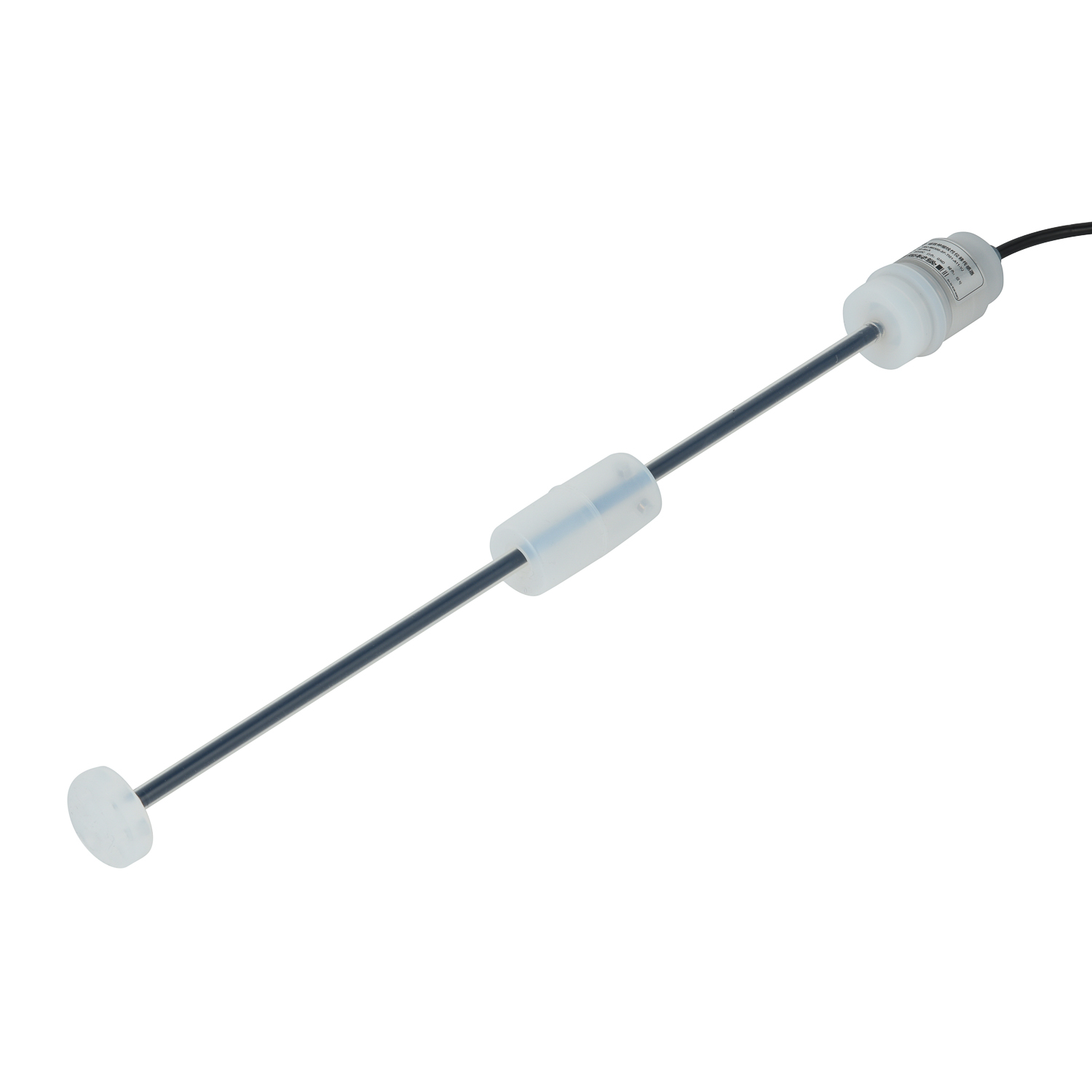 Graybus Cable Fault
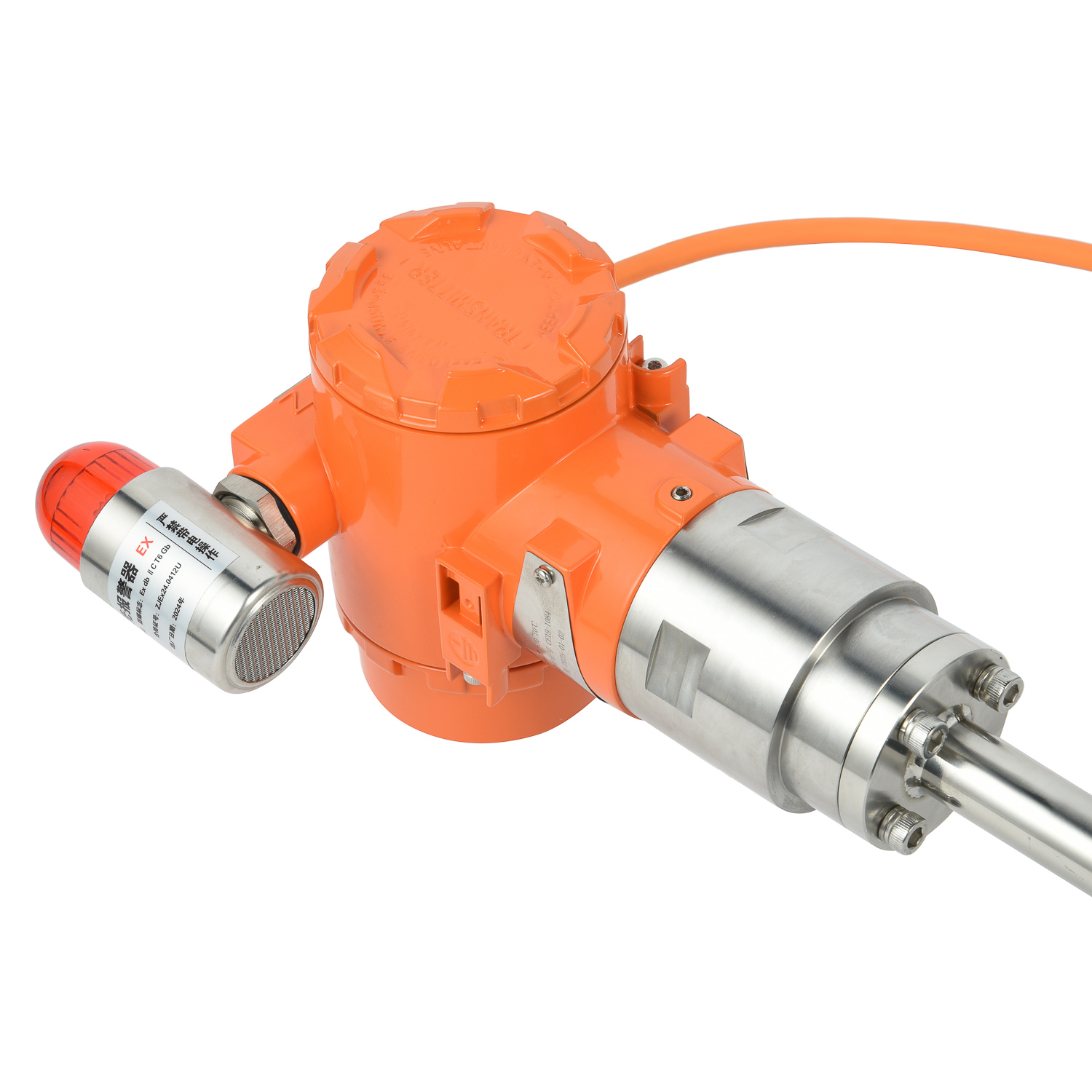 Field Application of Graybus C
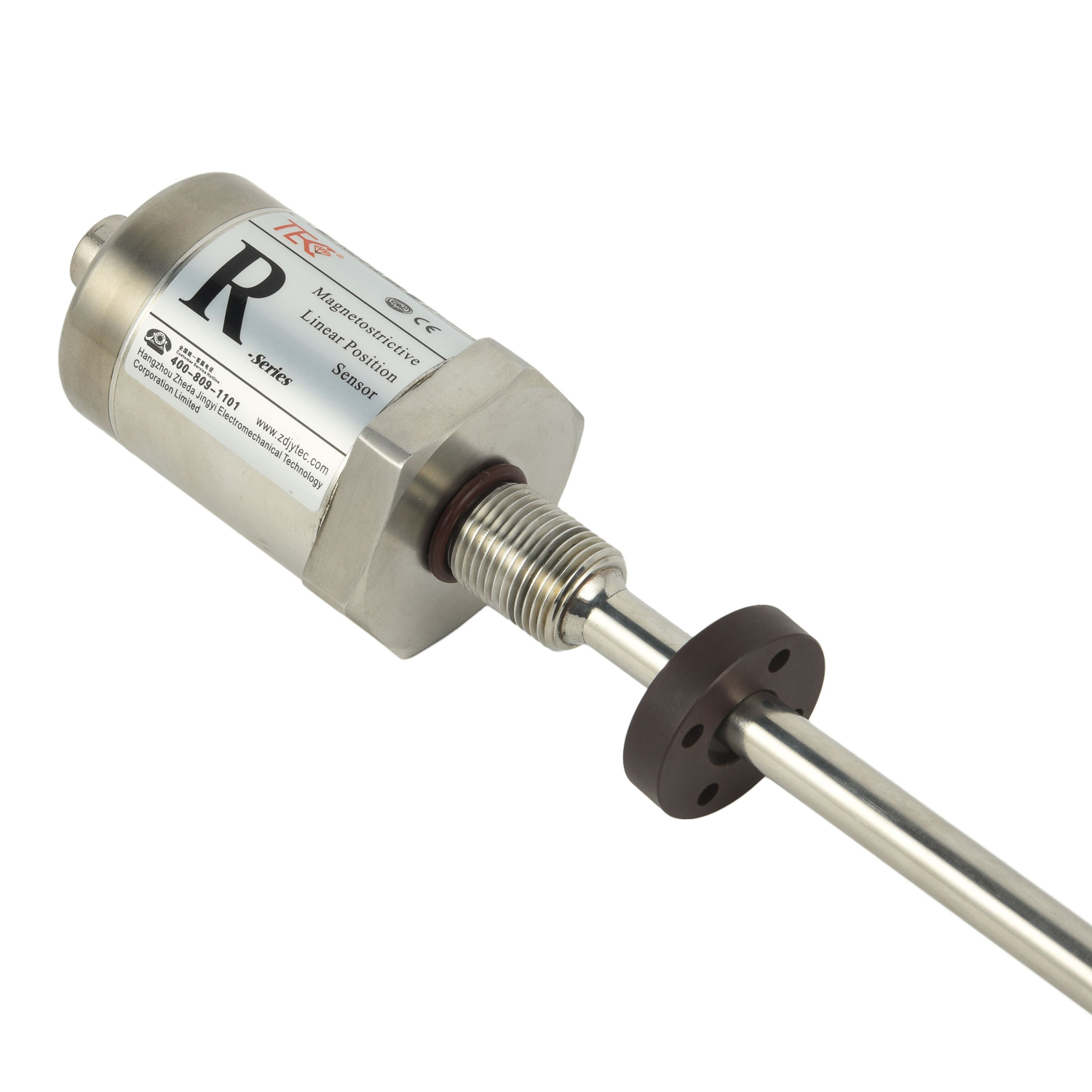 Model and Specification of Gra
 Import Substitute Graybus Cabl