
TheUnspokenTruth:MagnetostrictiveLiquidLevelGaugesvsTheCompetition
In the complex world of industrial liquid level measurement, the choice between different sensing technologies can significantly impact operational efficiency and bottom-line results. While numerous options flood the market, magnetostrictive technology has emerged as a sophisticated solution that often outperforms traditional methods. Understanding the fundamental differences between these systems is crucial for engineers and plant managers seeking optimal performance in their measurement applications.
Unmatched Precision: The Magnetostrictive Advantage
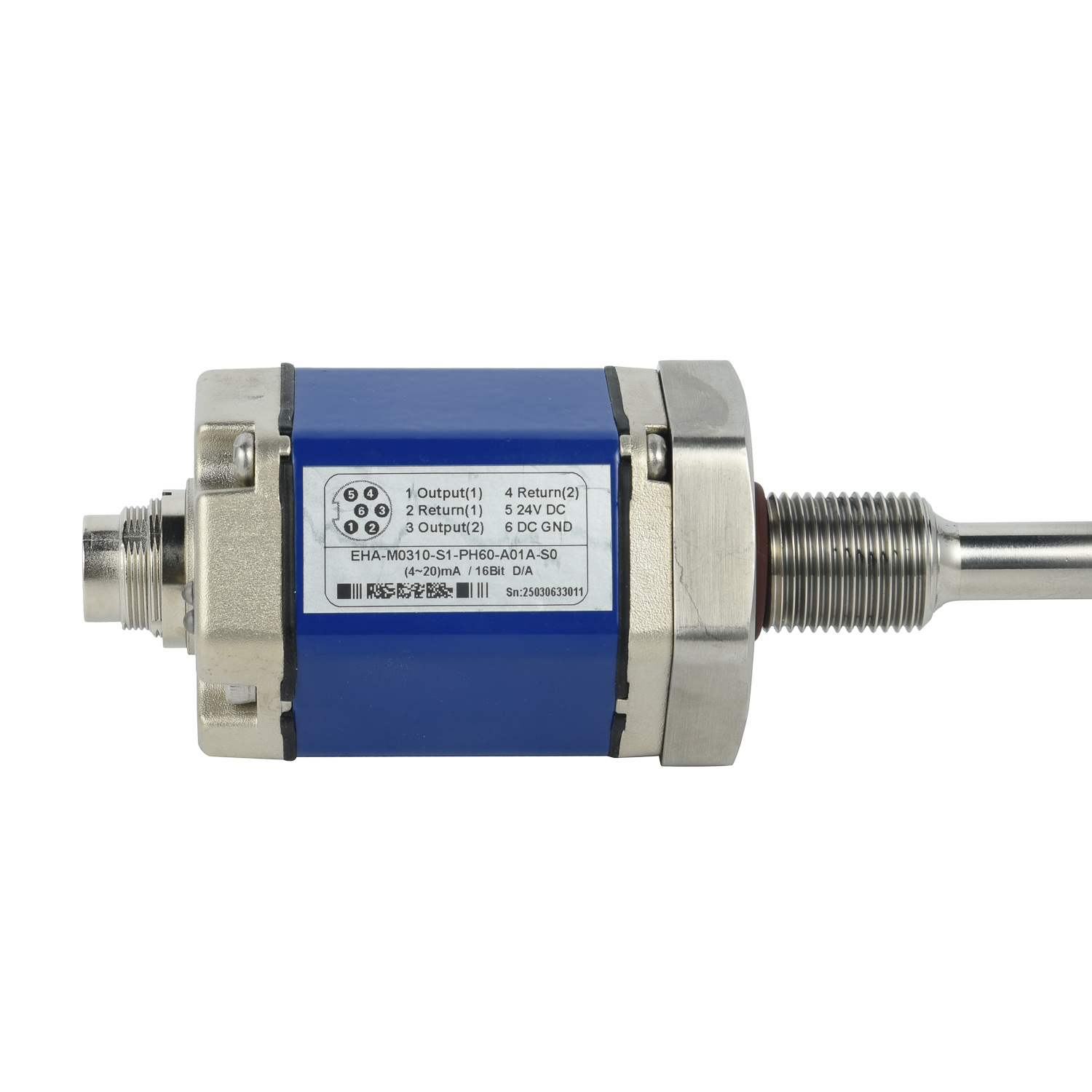
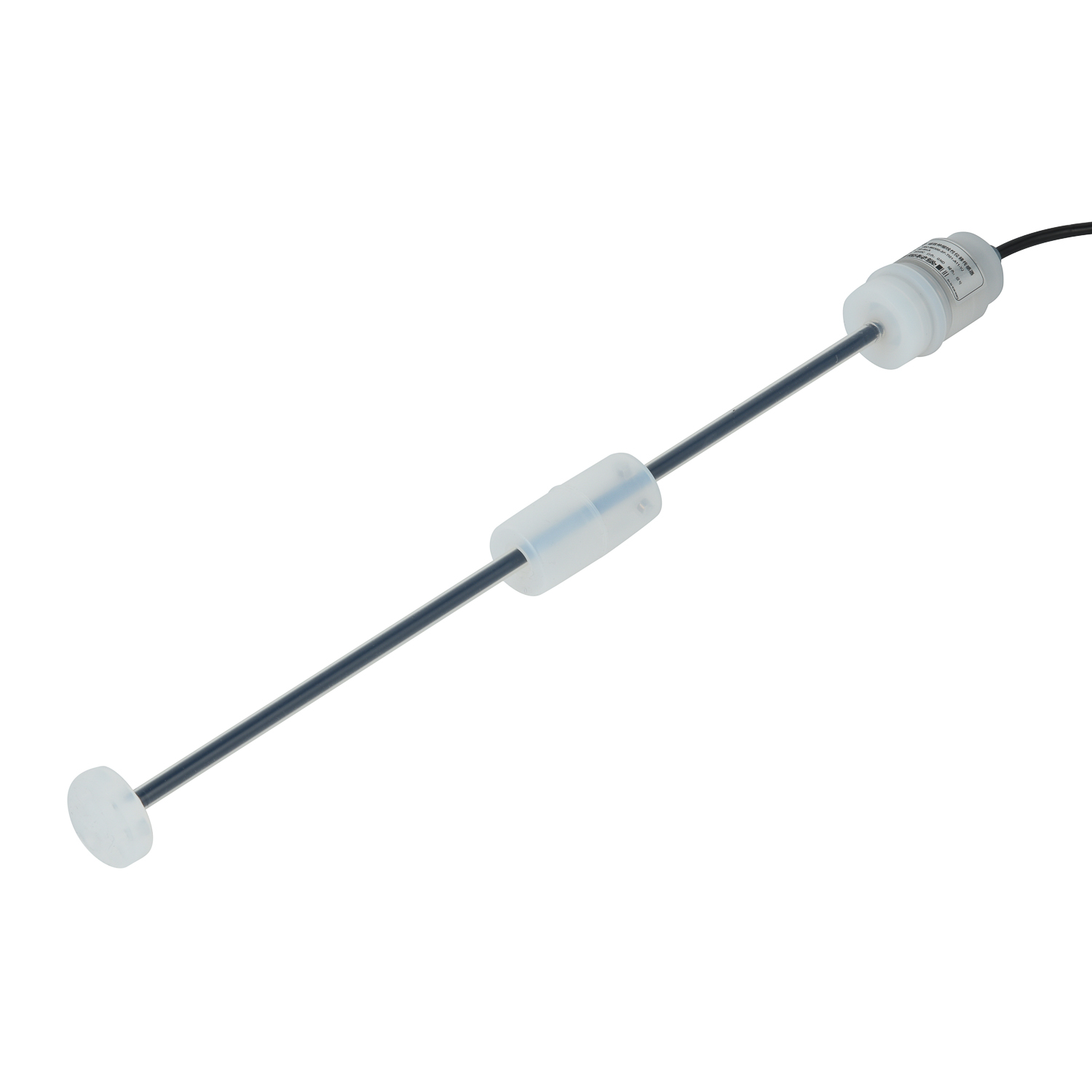
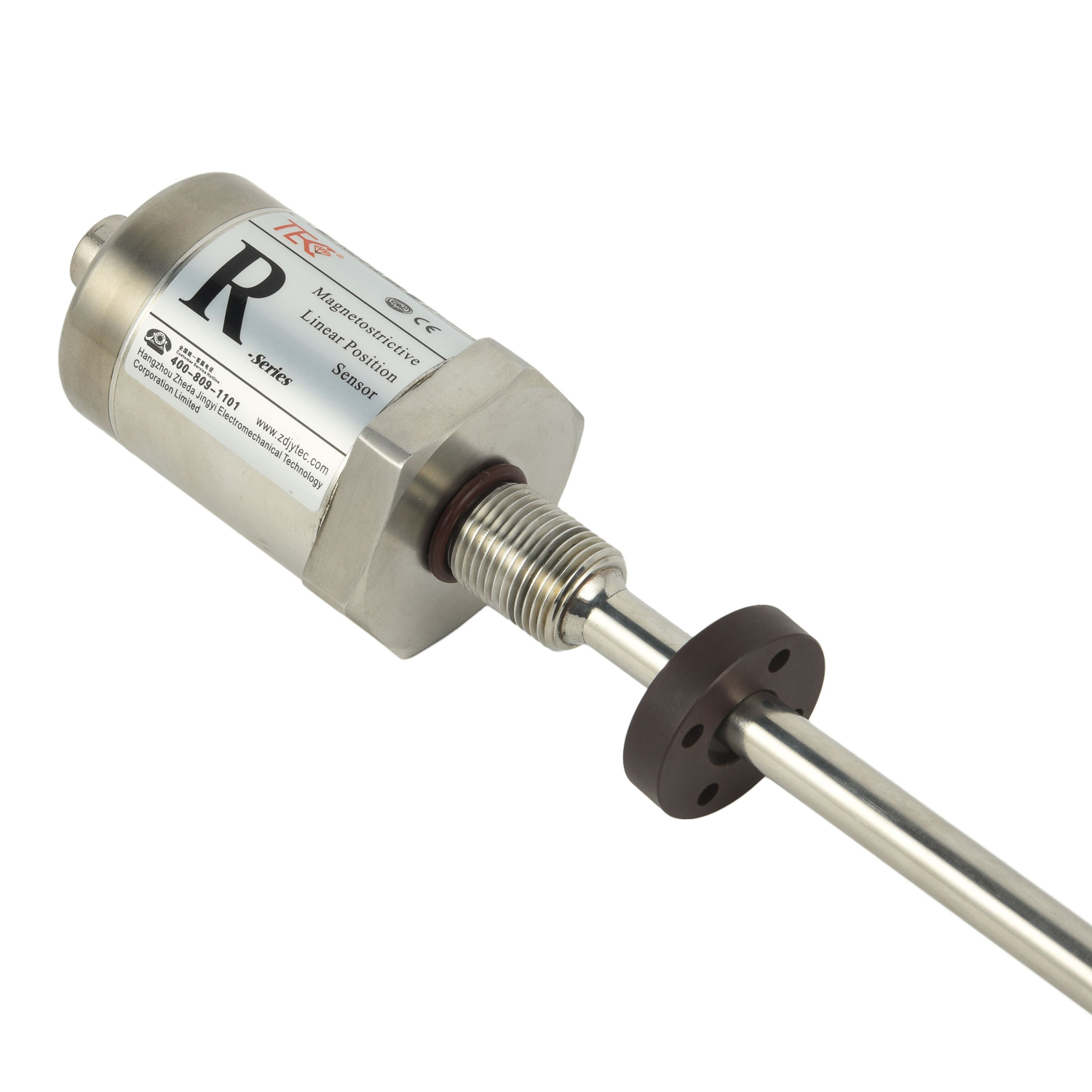
Magnetostrictive liquid level gauges operate on a sophisticated principle where a magnetic float, positioned along a wire, creates a torsional wave when interrogated by a current pulse. This technology delivers exceptional accuracy, typically within ±0.5mm or better, far surpassing many competitive technologies. The non-contact measurement principle eliminates mechanical wear issues that plague other sensor types, ensuring long-term reliability and consistent performance in demanding industrial environments where measurement precision directly impacts process quality and safety.
Traditional Competitors: Where They Fall Short
Conventional float switches, capacitance probes, and ultrasonic sensors each present limitations that magnetostrictive technology effectively addresses. Float mechanisms suffer from mechanical failure points and limited resolution. Capacitance-based sensors struggle with changing dielectric constants and coating issues. Ultrasonic systems face challenges with vapor space conditions and foam formation. These inherent limitations often result in compromised accuracy, increased maintenance requirements, and unexpected downtime that impacts overall operational efficiency in critical measurement applications.
The Hidden Costs of Conventional Level Measurement
While initial acquisition costs might favor some traditional technologies, the total cost of ownership frequently tells a different story. Magnetostrictive gauges demonstrate superior longevity with minimal maintenance requirements, translating to significant savings over the equipment lifecycle. Competitive technologies often necessitate frequent recalibration, part replacements, and extensive downtime—hidden expenses that quickly surpass any initial price advantage. The robust construction of magnetostrictive systems ensures reliable operation even in challenging conditions involving high temperatures, pressures, and aggressive media.
Application-Specific Performance Considerations
Different industrial applications demand specific performance characteristics that favor magnetostrictive technology in numerous scenarios. In custody transfer operations, its exceptional accuracy provides the precise measurement required for financial transactions. For interface level detection between immiscible liquids, magnetostrictive gauges deliver reliable separation point identification. In reactor vessels with aggressive chemical processes, their robust construction maintains integrity where other technologies would falter, ensuring continuous process monitoring without compromise.
Future-Proofing Your Measurement Strategy
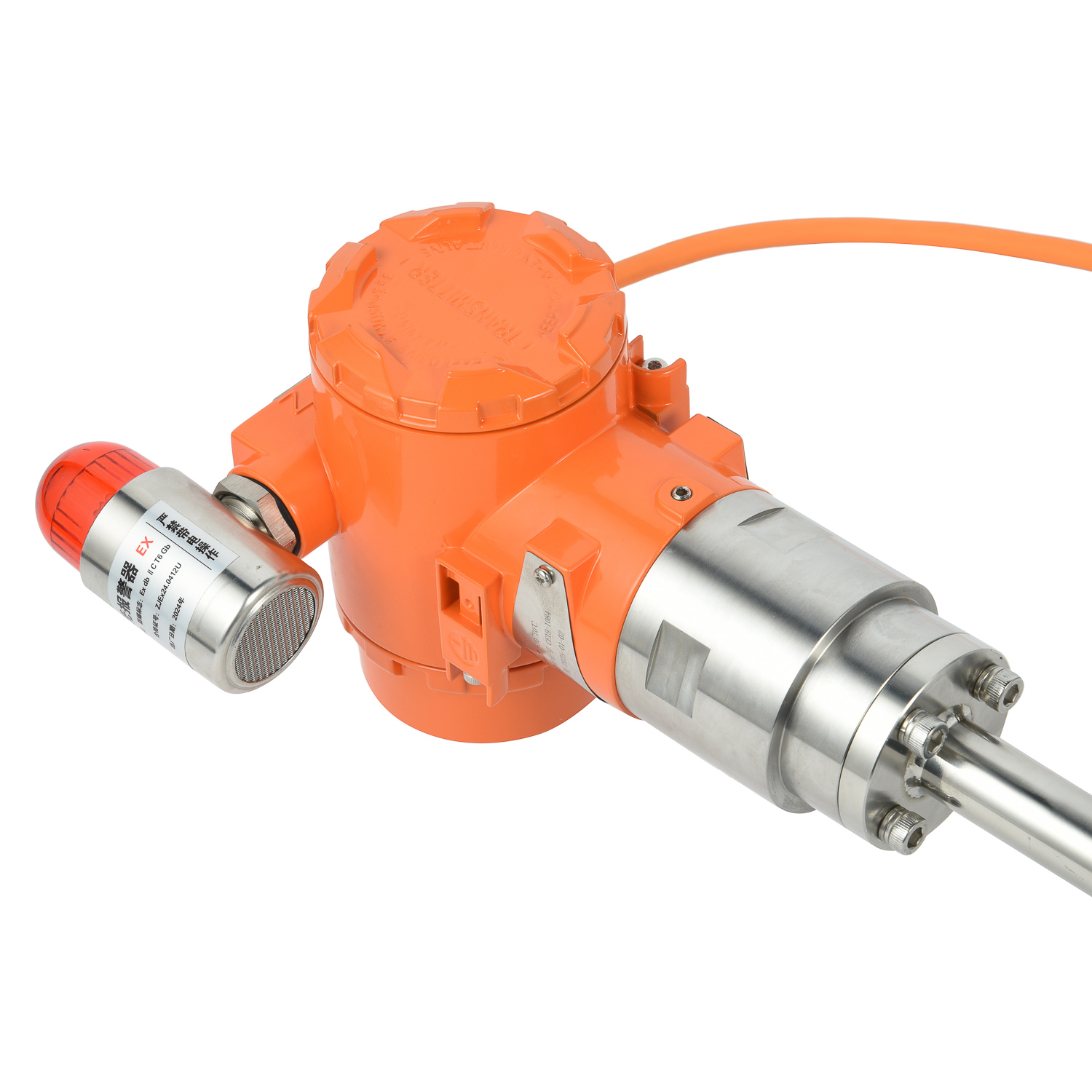
The digital capabilities inherent in modern magnetostrictive liquid level gauges position them as ideal components for Industry 4.0 implementations. With native support for digital communication protocols like HART, Profibus, and Foundation Fieldbus, these devices integrate seamlessly into sophisticated control architectures. This connectivity enables predictive maintenance strategies, remote configuration capabilities, and real-time performance monitoring—features that extend beyond the capabilities of most traditional level measurement technologies and prepare facilities for evolving industrial automation requirements.
Making the Informed Choice
Selecting the appropriate liquid level measurement technology requires careful consideration of accuracy needs, environmental conditions, and long-term operational objectives. While magnetostrictive gauges represent a premium solution, their performance benefits frequently justify the investment in critical applications. For operations prioritizing measurement precision, reliability, and minimal lifecycle costs, magnetostrictive technology consistently demonstrates advantages that conventional alternatives cannot match, making it the superior choice for discerning professionals in process industries.
 Graybus Cable Fault
 Field Application of Graybus C
 Model and Specification of Gra
 Import Substitute Graybus Cabl