
TheControversialTruthAboutMagnetostrictiveLiquidLevelGaugesRevealed
Understanding Magnetostrictive Technology Fundamentals
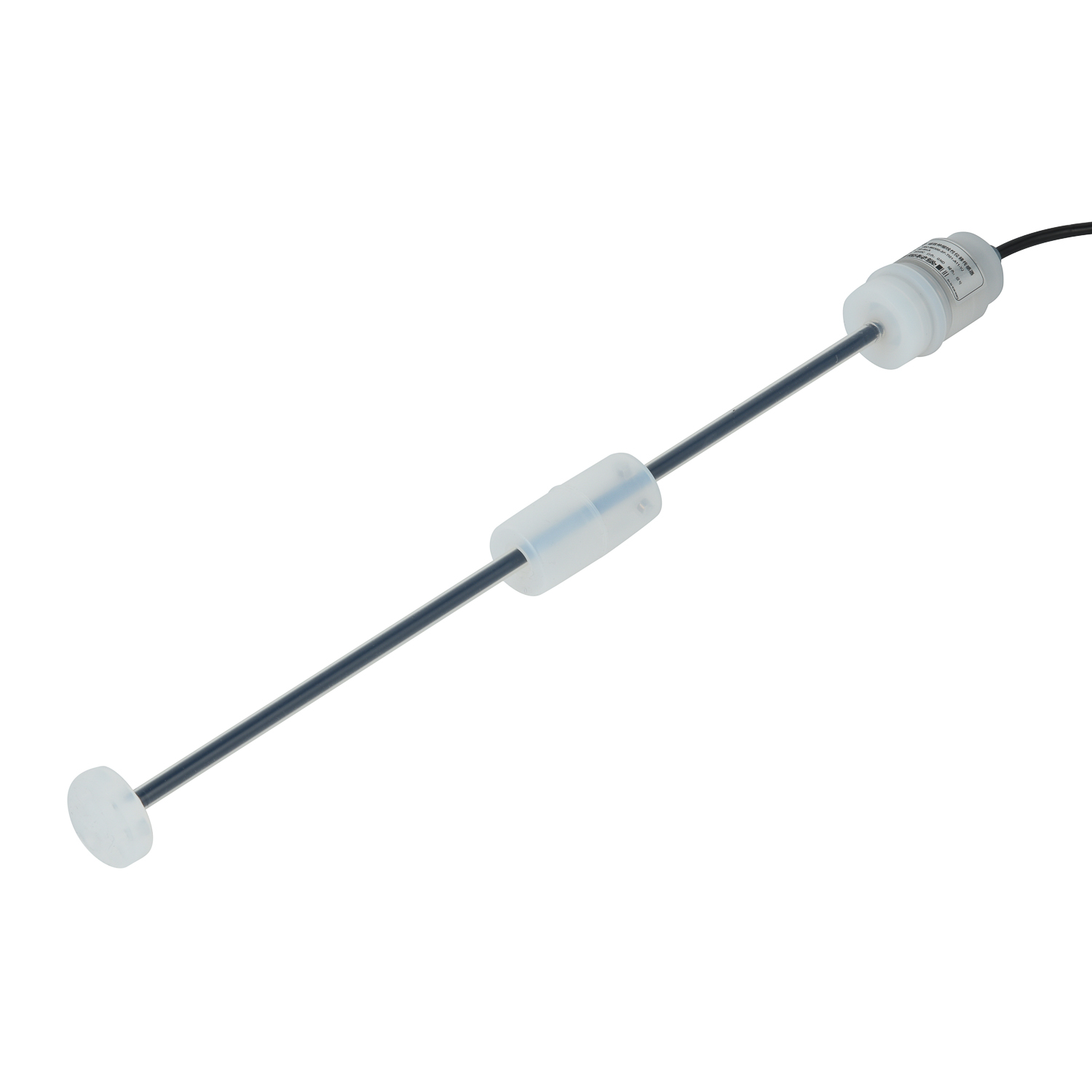
Magnetostrictive liquid level gauges operate on a fascinating physical principle where a ferromagnetic material changes shape when exposed to a magnetic field. These level measurement devices consist of a sensing rod made of magnetostrictive wire enclosed within a protective tube. A float containing permanent magnets moves along this tube, corresponding to the liquid level in the tank. When an electrical current pulse passes through the wire, it creates a magnetic field that interacts with the float's permanent magnet. This interaction generates a torsional stress wave that travels along the wire at ultrasonic speeds. The system precisely measures the time difference between the initial current pulse and the returning stress wave to determine the exact float position, thus providing highly accurate liquid level readings.
The Accuracy Debate: Fact vs Fiction

Manufacturers often claim astonishing accuracy figures for magnetostrictive level gauges, typically ranging from ±0.01% to ±0.05% of full scale. While these numbers appear impressive in technical specifications, real-world performance often tells a different story. The actual measurement accuracy can be significantly affected by various factors including temperature fluctuations, mechanical vibrations, material buildup on the float, and installation imperfections. Many users discover that the published accuracy specifications only apply under ideal laboratory conditions rather than harsh industrial environments. The controversy deepens when comparing these devices against certified calibration standards, where even premium magnetostrictive gauges sometimes struggle to maintain their claimed precision over extended operational periods.
Hidden Installation Challenges Revealed
The installation process presents numerous challenges that manufacturers frequently underestimate in their technical documentation. Proper mounting requires absolute vertical alignment, as even minor deviations can cause the float to bind against the guide tube, leading to measurement errors or complete device failure. The structural integrity of the tank connection point becomes critical, particularly in tall vessels where wind loading and thermal expansion can cause significant movement. Electrical grounding considerations often surprise installers, as improper grounding can introduce signal noise that degrades measurement performance. Additionally, the placement of stilling wells and baffles must be carefully engineered to prevent turbulent liquid surfaces from affecting float stability, a factor commonly overlooked during initial system design.
Maintenance Realities Most Suppliers Avoid Discussing
While promoted as low-maintenance instruments, magnetostrictive level gauges demand specific care routines that many suppliers conveniently omit from their maintenance manuals. The float mechanisms require periodic inspection for corrosion, pitting, or material buildup that can alter buoyancy characteristics. The waveguide itself can develop microscopic fractures over time due to continuous stress cycling, leading to gradual accuracy degradation that often goes unnoticed until calibration checks. Electronics compartment seals deteriorate with thermal cycling, potentially allowing moisture ingress that damages sensitive circuitry. Many users discover that the recommended calibration intervals prove insufficient for critical applications, necessitating more frequent verification than originally anticipated in operational budgets.
Cost Analysis: Initial Investment vs Lifetime Expenses
The financial aspects of magnetostrictive liquid level gauges contain hidden complexities that impact total cost of ownership. While the initial purchase price appears competitive against alternative technologies, the comprehensive cost analysis reveals additional financial considerations. Installation expenses often exceed projections due to specialized mounting requirements and necessary tank modifications. Calibration costs accumulate significantly over the instrument's lifespan, requiring specialized equipment and trained personnel. Unexpected downtime resulting from float hang-ups or electronic failures can generate substantial production losses in continuous process operations. The replacement part pricing structure frequently surprises maintenance managers, with individual components costing disproportionately high percentages of complete new unit prices.
Comparative Performance in Challenging Applications
Magnetostrictive technology demonstrates variable performance across different industrial applications, performing exceptionally well in some environments while struggling in others. In clean hydrocarbon services with stable temperature conditions, these gauges typically deliver outstanding reliability and precision. However, in applications involving viscous liquids, slurry mixtures, or frequent temperature cycling, their performance often disappoints. The technology faces particular challenges in interfaces measurement where multiple floats are required, increasing mechanical complexity and potential failure points. In high-vibration environments like pump discharge lines or mixing tanks, the continuous mechanical excitation can lead to premature waveguide fatigue and signal interpretation difficulties that other technologies might handle more effectively.
Future Technological Developments and Alternatives
The evolving landscape of liquid level measurement continues to introduce alternatives that challenge magnetostrictive technology's market position. Radar level transmitters have made significant advances in both accuracy and affordability, particularly in applications involving volatile vapors or surface turbulence. Guided wave radar technology offers similar installation benefits while eliminating moving parts that characterize magnetostrictive systems. Laser-based level sensors provide exceptional precision for specific clean liquid applications without mechanical contact. Even traditional technologies like servo gauges and hydrostatic transmitters have incorporated digital enhancements that improve their competitive positioning. As Industry 4.0 adoption accelerates, the integration capabilities and digital communication protocols of level measurement devices become increasingly important selection criteria where magnetostrictive technology faces stiff competition.
 Graybus Cable Fault
 Field Application of Graybus C
 Model and Specification of Gra
 Import Substitute Graybus Cabl