
TheDarkSideofLiquidLevelMeasurementThatMagnetostrictiveGaugesFix
In industrial processes where precise liquid level measurement is critical, traditional methods often fall short in delivering the reliability and accuracy required for optimal operations. From chemical processing plants to oil refineries, inaccurate tank gauging can lead to costly errors, safety hazards, and production inefficiencies. While conventional measurement technologies have served industries for decades, they come with inherent limitations that can compromise entire operations.
The Hidden Dangers of Conventional Level Measurement Methods
Traditional float-based gauges and mechanical indicators present numerous operational risks that many facility managers overlook. These outdated systems suffer from mechanical wear, calibration drift, and susceptibility to temperature variations that gradually degrade their performance. The cumulative effect of these minor inaccuracies can result in significant inventory discrepancies, potentially costing thousands in lost product or regulatory compliance issues. More alarmingly, mechanical failures in hazardous environments can lead to dangerous spills or process shutdowns that impact both safety and profitability.
How Environmental Factors Compromise Measurement Accuracy
Process conditions routinely sabotage the performance of conventional level measurement devices. Temperature fluctuations cause materials to expand and contract, creating false level readings that don't reflect actual inventory. Viscosity changes in processed liquids can coat sensor elements, while turbulence and sloshing in tanks generates inconsistent data that challenges even the most sophisticated control systems. These environmental factors combine to create a perfect storm of measurement uncertainty that impacts everything from inventory management to quality control.
Magnetostrictive Technology: Precision Engineering for Critical Applications
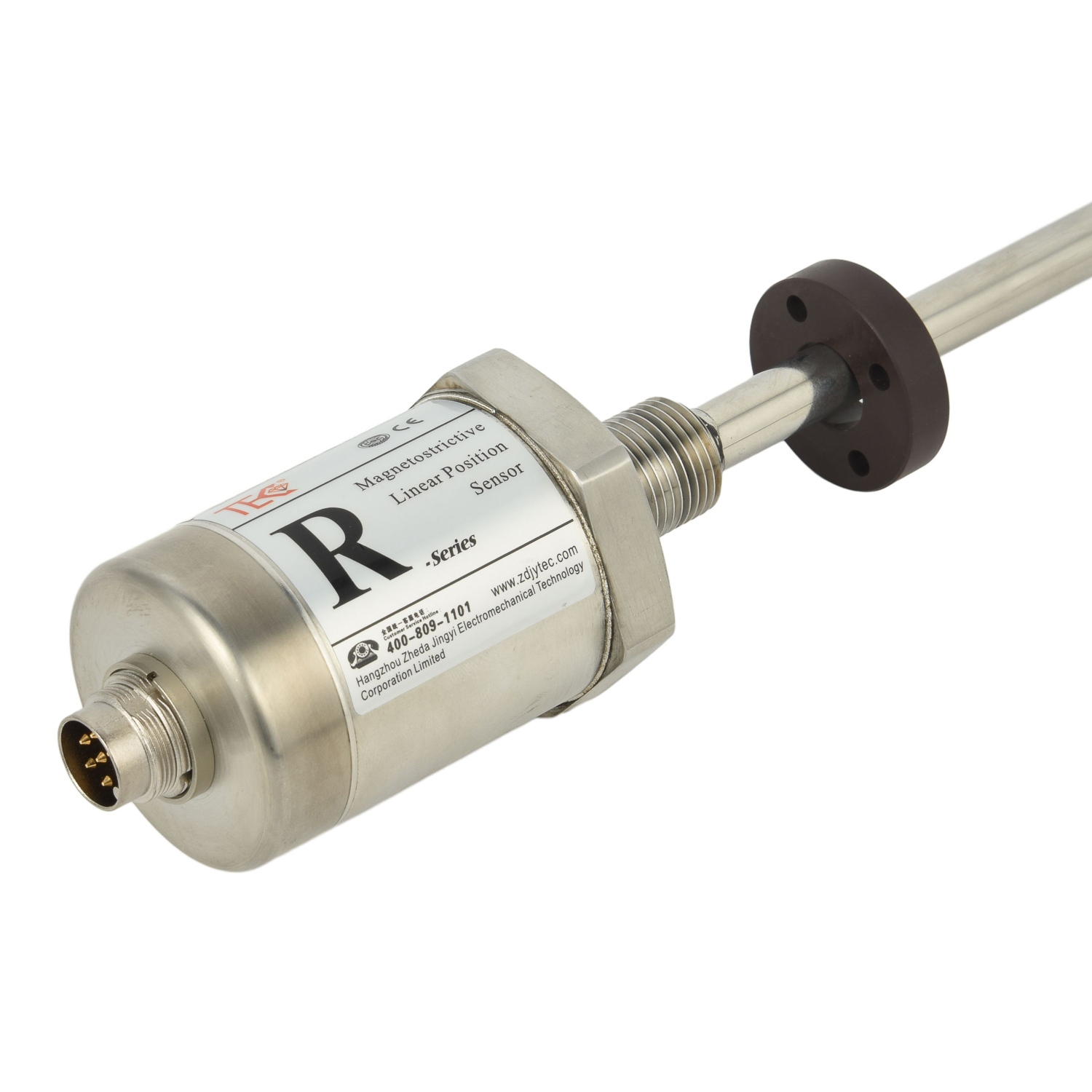
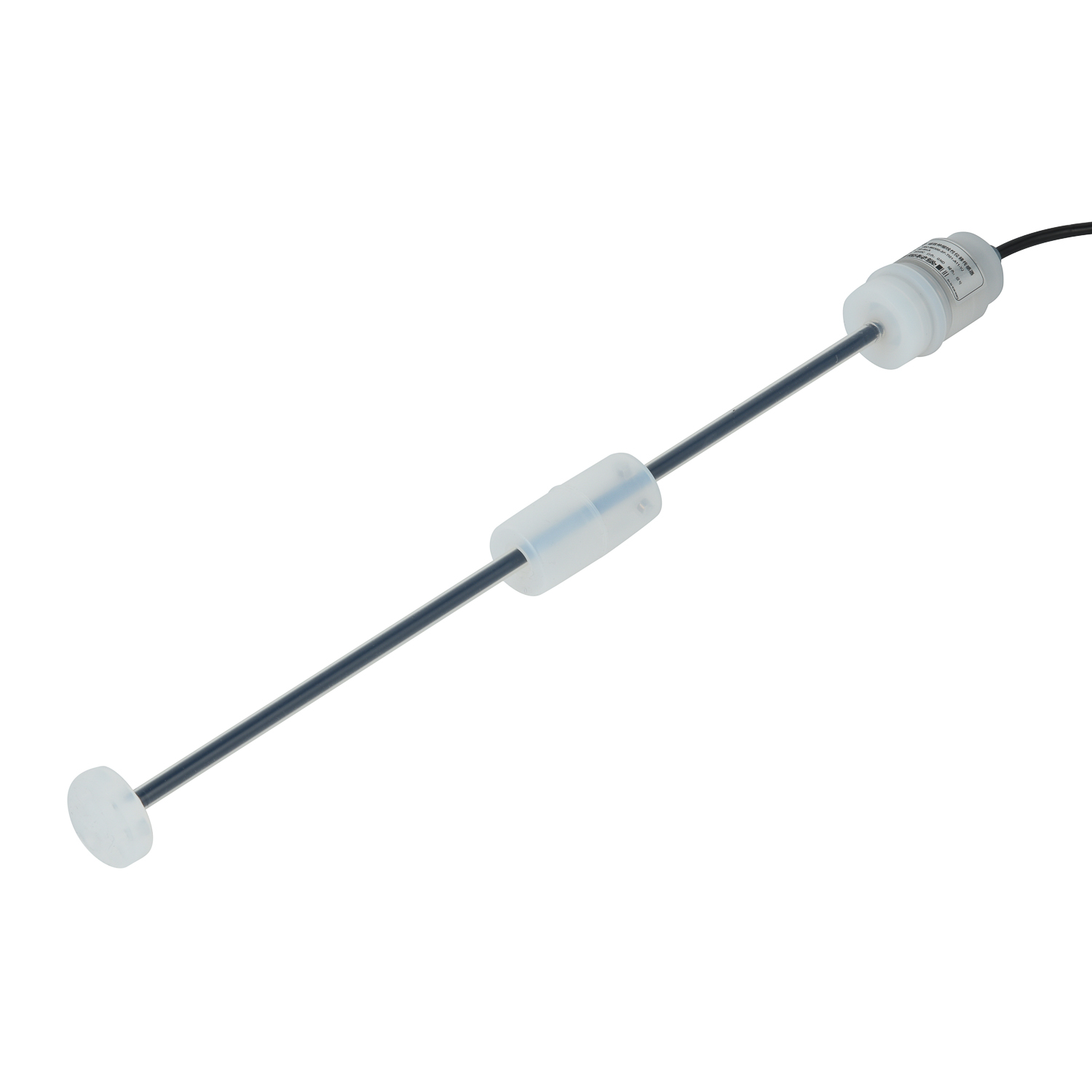
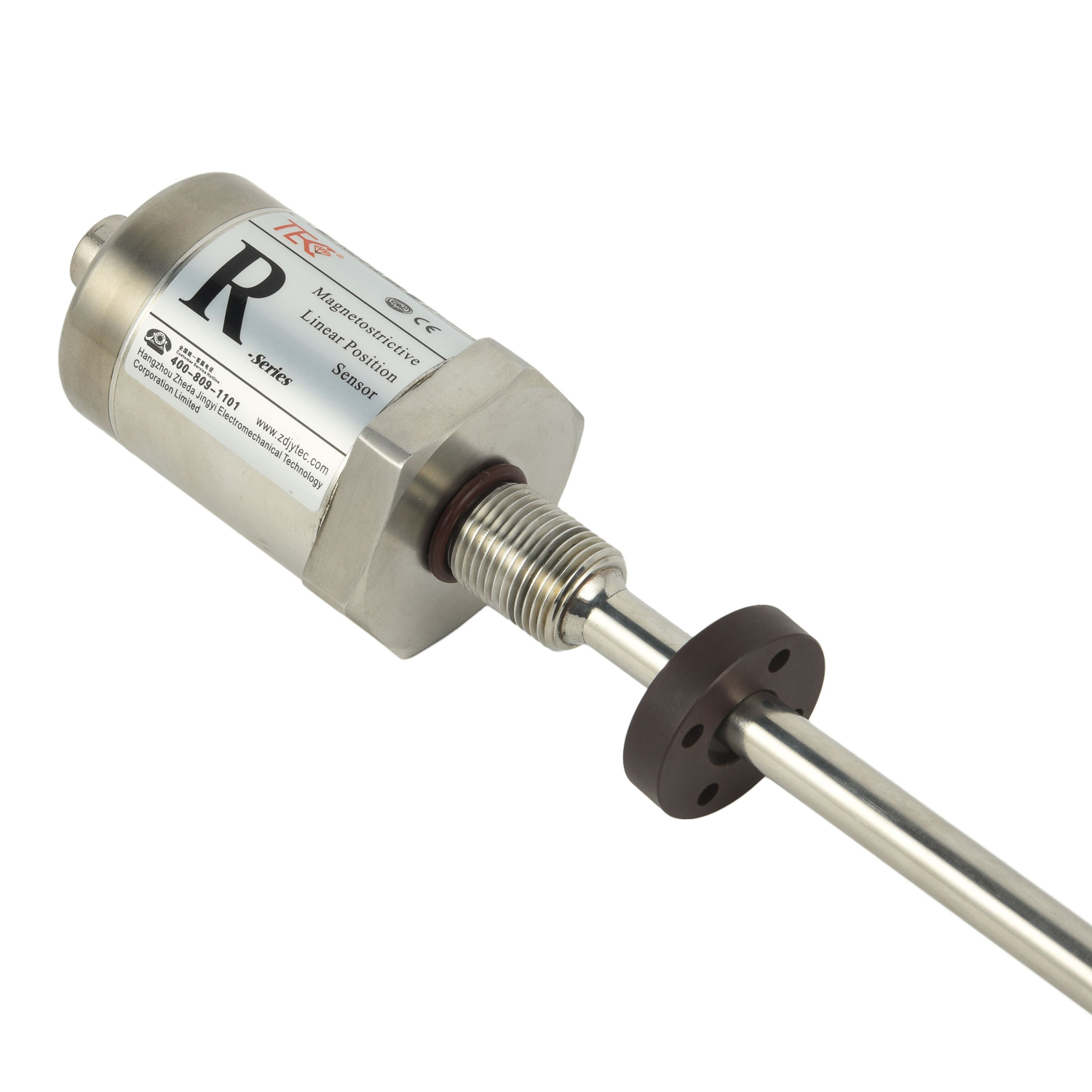
Magnetostrictive level gauges employ sophisticated physics principles to deliver unprecedented measurement accuracy. The technology utilizes a magnetostrictive wire within a protective tube and a permanent magnet float that moves with the liquid level. When an electrical pulse is sent through the wire, it interacts with the magnetic field from the float, creating a torsional wave that precisely identifies the float position. This non-contact measurement method eliminates the mechanical wear issues that plague traditional gauges while providing resolution down to millimeter accuracy.
Superior Performance in Challenging Process Conditions
Unlike their mechanical counterparts, magnetostrictive gauges maintain exceptional performance across extreme operating conditions. They consistently deliver reliable measurements despite temperature variations, pressure changes, and viscous liquid applications. The technology's immunity to common industrial challenges like foam, vapor, and turbulence makes it particularly valuable for applications where other technologies fail. This resilience translates to reduced maintenance requirements, fewer calibration interventions, and continuous operational reliability that process engineers can depend on.
Transforming Safety and Efficiency in Hazardous Environments
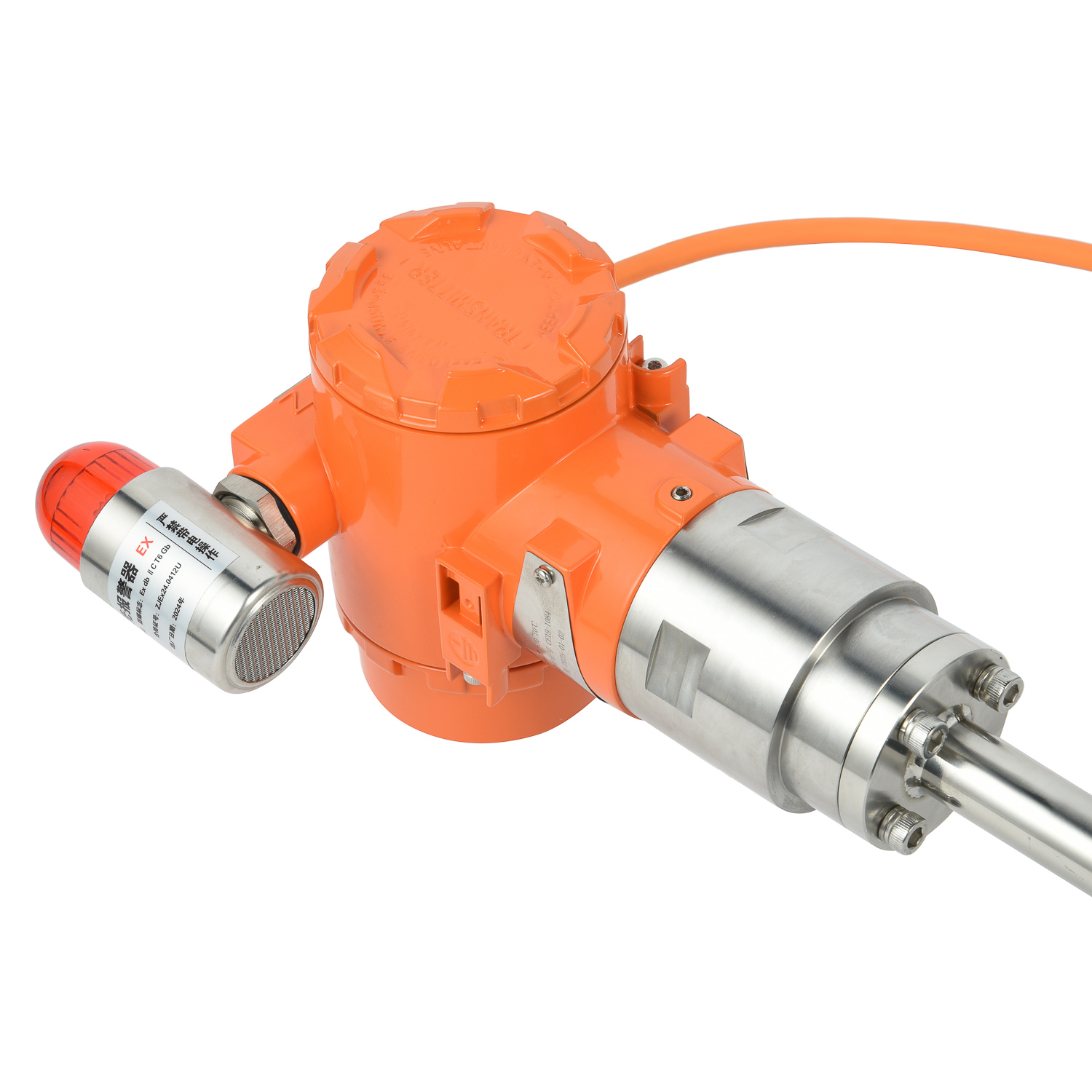
The intrinsic safety features of magnetostrictive gauges make them ideal for classified hazardous areas. With no moving parts that can generate sparks and completely sealed designs, these gauges prevent ignition risks in volatile atmospheres containing flammable gases or vapors. This safety-by-design approach, combined with their fail-safe operation, provides operations managers with peace of mind while meeting stringent safety standards. The result is not just compliance with regulations but genuine protection of personnel, facilities, and the surrounding environment.
The Economic Advantage: Reducing Total Cost of Ownership
While the initial investment in magnetostrictive technology may exceed traditional gauges, the long-term economic benefits are substantial. Reduced maintenance requirements, elimination of frequent recalibration, and prevention of costly errors deliver a rapid return on investment. The exceptional reliability of these systems minimizes unplanned downtime while their extended service life—often exceeding decades of continuous operation—makes them economically superior to technologies requiring regular replacement or overhaul.
Implementing Magnetostrictive Solutions: Best Practices
Successful implementation of magnetostrictive level measurement begins with proper selection and installation. Understanding application-specific requirements including temperature ranges, pressure conditions, and liquid characteristics ensures optimal performance. Proper installation following manufacturer guidelines, including correct float selection for specific gravity calculations and appropriate mounting orientation, guarantees the technology will perform as engineered. Regular validation checks, though less frequent than with traditional gauges, maintain measurement integrity over the system's operational lifetime.
Future-Proofing Your Operations with Advanced Level Measurement
As industrial processes grow more automated and data-driven, magnetostrictive technology provides the measurement foundation for digital transformation. The compatibility of these gauges with modern control systems and IIoT platforms enables seamless integration into smart factory environments. With capabilities for remote monitoring, predictive maintenance, and real-time inventory management, magnetostrictive level measurement represents not just a solution for current challenges but an investment in operational excellence for years to come.
 Graybus Cable Fault
 Field Application of Graybus C
 Model and Specification of Gra
 Import Substitute Graybus Cabl