
WhyYourCompetitorsAreSwitchingtoMagnetostrictiveLiquidLevelGauges
In today's competitive industrial landscape, precision and reliability in liquid level measurement aren't just advantages—they're necessities for maintaining operational excellence. Forward-thinking companies are rapidly transitioning from traditional measurement technologies to magnetostrictive liquid level gauges, recognizing the substantial benefits these advanced systems deliver across various applications. This strategic shift isn't merely following trends; it's about embracing technology that fundamentally improves process control and bottom-line results.
Unmatched Accuracy and Precision
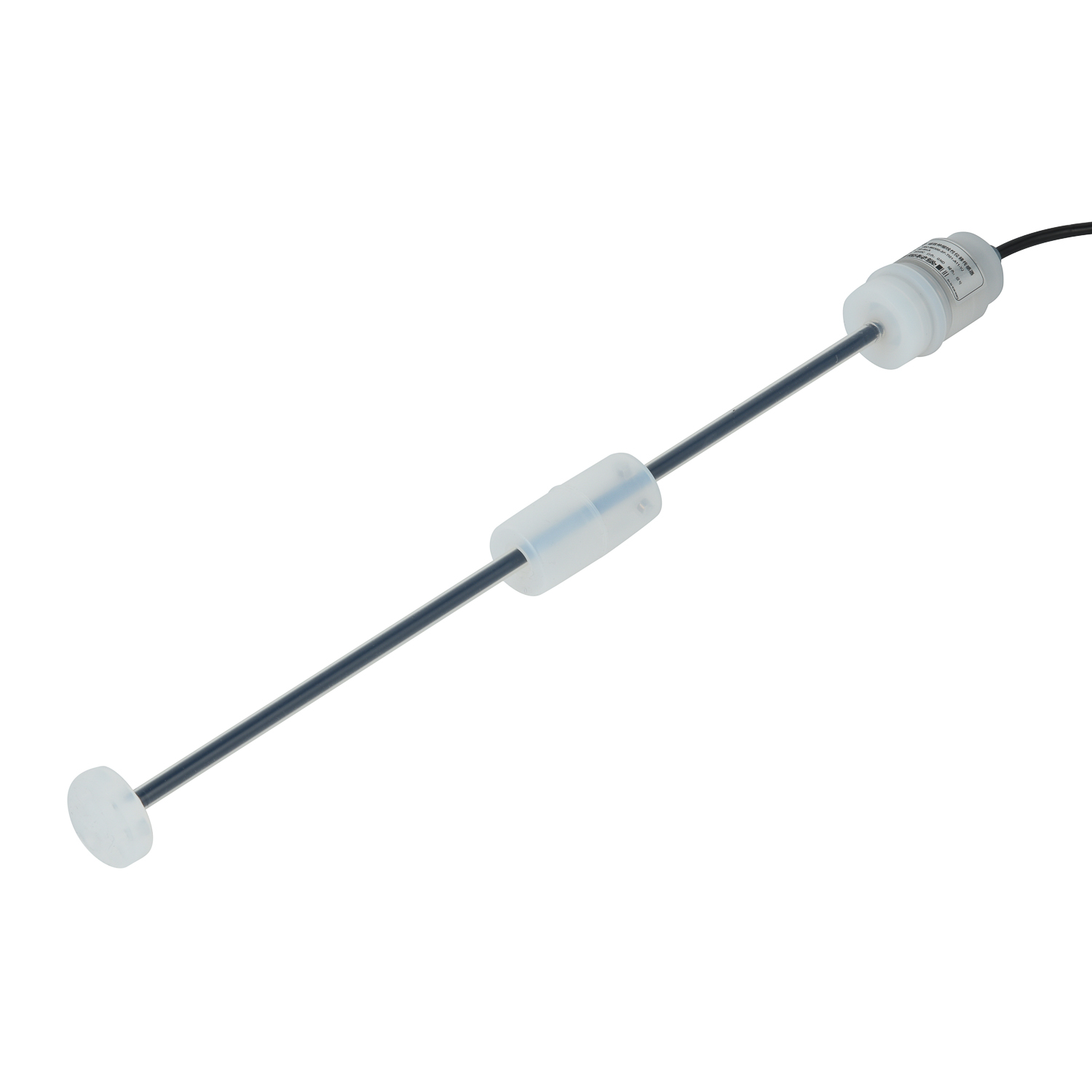
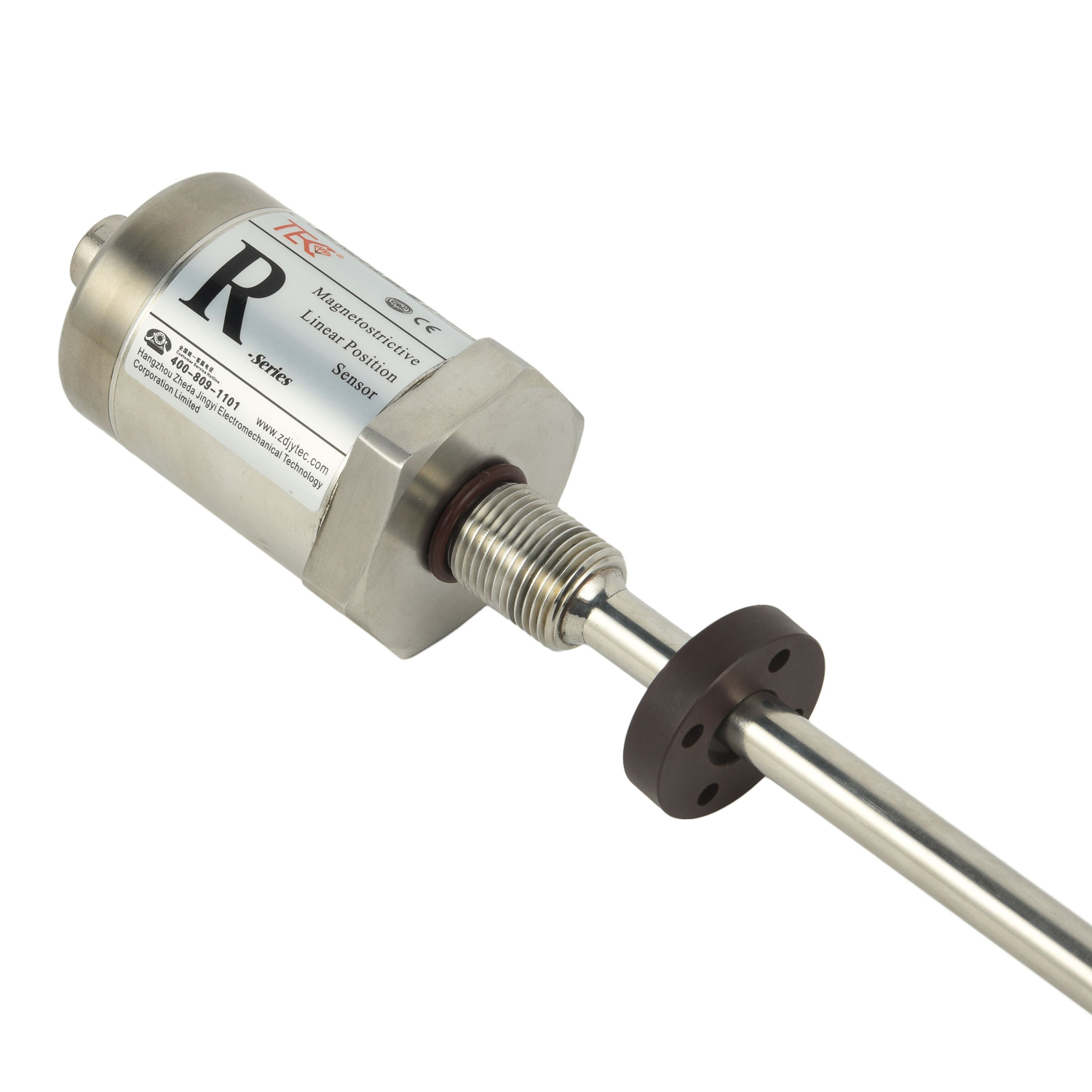
Magnetostrictive technology represents a quantum leap in measurement accuracy, delivering exceptional precision that consistently outperforms traditional float-type gauges and other conventional methods. These sophisticated devices operate using a unique principle where a magnetic float moves along a wire that carries current pulses. The interaction between the float's magnetic field and the current pulse creates a torsional wave that precisely determines the float's position. This method eliminates the mechanical linkages and potential error sources common in older technologies, providing resolution down to 0.1% of full scale with remarkable repeatability. For industries where minute measurement errors can translate into significant product quality issues or safety concerns, this level of precision becomes indispensable.
Enhanced Reliability and Reduced Maintenance
The operational reliability of magnetostrictive gauges significantly surpasses that of mechanical alternatives, primarily due to their non-contact measurement principle and minimal moving parts. Traditional level measurement devices often suffer from wear and tear on mechanical components, requiring frequent calibration and replacement parts. Magnetostrictive sensors, by contrast, feature a simple design with essentially only one moving part—the float—which doesn't make physical contact with the sensing element. This robust construction translates to dramatically reduced maintenance requirements, fewer process interruptions, and lower total cost of ownership. Companies implementing these systems report substantial decreases in downtime and maintenance expenses, directly impacting profitability.
Superior Performance in Challenging Conditions
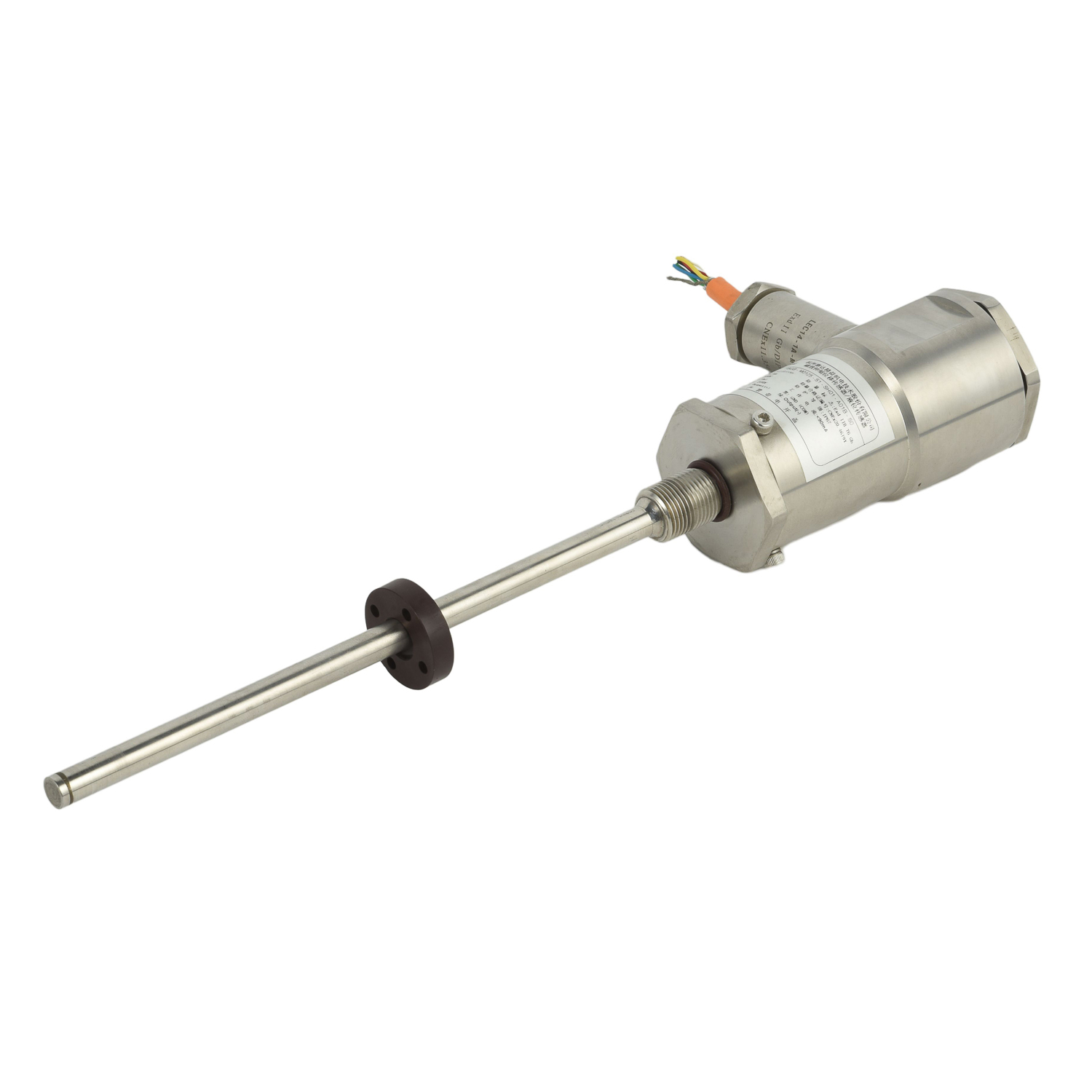
Industrial environments frequently present harsh conditions that can compromise conventional level measurement instruments. Magnetostrictive liquid level gauges excel where other technologies falter, maintaining accurate performance despite temperature fluctuations, pressure variations, and aggressive media characteristics. Engineered with high-quality materials including various stainless steel grades and specialized floats, these gauges withstand corrosive liquids, high-pressure environments, and extreme temperatures that would degrade or destroy less robust instruments. This resilience ensures consistent operation in critical applications from chemical processing to hydrocarbon storage, where environmental challenges routinely test equipment limits.
Advanced Diagnostics and Digital Integration
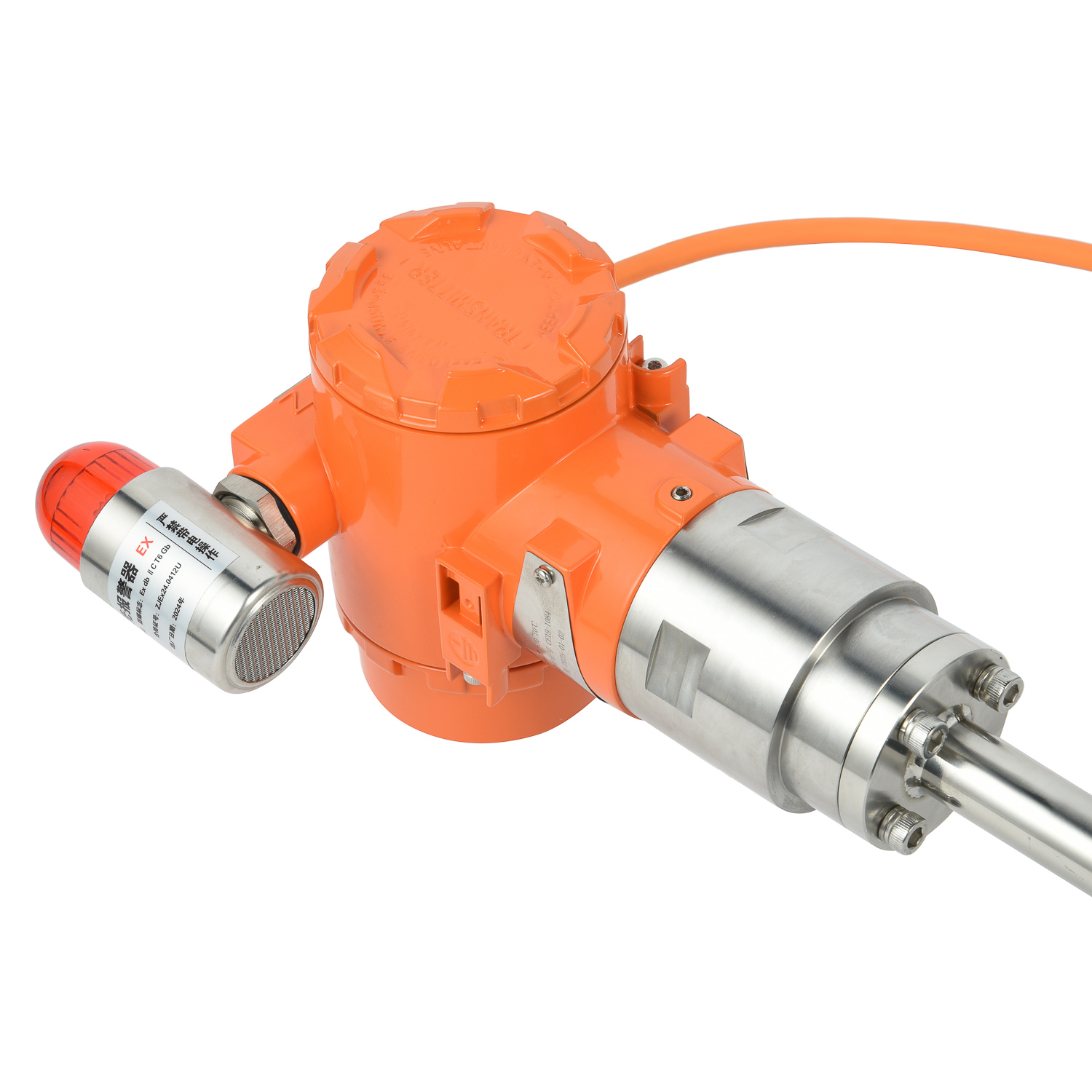
Modern magnetostrictive level gauges offer sophisticated diagnostic capabilities that empower operators with unprecedented insight into system performance and health. Unlike basic mechanical gauges that provide only level indication, advanced magnetostrictive transmitters continuously monitor their own operational status, detecting potential issues before they affect process reliability. These intelligent devices seamlessly integrate with industrial automation systems through multiple communication protocols including 4-20mA analog signals, HART, Foundation Fieldbus, and PROFIBUS PA. This digital connectivity enables remote monitoring, centralized configuration, and data integration for comprehensive process optimization, aligning perfectly with Industry 4.0 initiatives and smart factory implementations.
Significant Operational Cost Reduction
The transition to magnetostrictive technology delivers substantial financial benefits beyond the initial investment, creating compelling economic arguments for adoption. While the upfront cost may exceed some traditional alternatives, the long-term savings through reduced calibration frequency, minimal maintenance requirements, and eliminated mechanical replacements typically generates rapid return on investment. Additionally, the precision of these systems prevents product loss through accurate inventory management and reduces quality-related waste. Many organizations discover that the combination of these factors results in payback periods measured in months rather than years, making the switch both an operational improvement and a financially astute decision.
Future-Proofing Your Measurement Strategy
As industrial processes become increasingly automated and data-driven, magnetostrictive liquid level gauges position companies for future technological advancements. Their digital-native design and communication capabilities ensure compatibility with evolving control systems and emerging industrial IoT platforms. Unlike obsolete technologies that may require complete replacement to interface with modern infrastructure, magnetostrictive instruments readily adapt to new requirements through software updates and configuration adjustments. This forward compatibility protects capital investment while providing a pathway to increasingly sophisticated process optimization strategies, ensuring that your measurement infrastructure evolves alongside your operational needs rather than limiting your capabilities.
 Graybus Cable Fault
 Field Application of Graybus C
 Model and Specification of Gra
 Import Substitute Graybus Cabl