
What control systems use them in smart beer fermentation?
In the evolving world of craft brewing, smart beer fermentation leverages advanced control systems to ensure consistency, quality, and efficiency. These systems integrate cutting-edge technologies to monitor and adjust critical parameters in real-time, transforming traditional brewing into a precise science. By automating processes, breweries can achieve superior flavor profiles and reduce human error, making every batch a masterpiece.
One of the primary control systems employed is the PID controller, which stands for Proportional-Integral-Derivative. PID controllers are essential for maintaining precise temperature control during fermentation, as even minor fluctuations can impact yeast activity and final beer quality. By continuously calculating the difference between a setpoint and actual temperature, these controllers make fine adjustments to heating or cooling elements, ensuring optimal conditions for yeast health and fermentation kinetics. This results in consistent brews with desired aromas and flavors, highlighting the importance of stability in the brewing process.
Another key system is the Programmable Logic Controller, or PLC, which serves as the brain of automated brewing operations. PLCs are used to manage multiple aspects of fermentation, such as timing cycles, valve operations, and pump controls, based on pre-programmed logic. In smart beer fermentation, PLCs integrate with sensors to execute complex sequences—like cooling wort or transferring beer—without manual intervention. This automation not only boosts productivity but also enhances safety and repeatability, allowing brewers to scale up production while maintaining high standards.
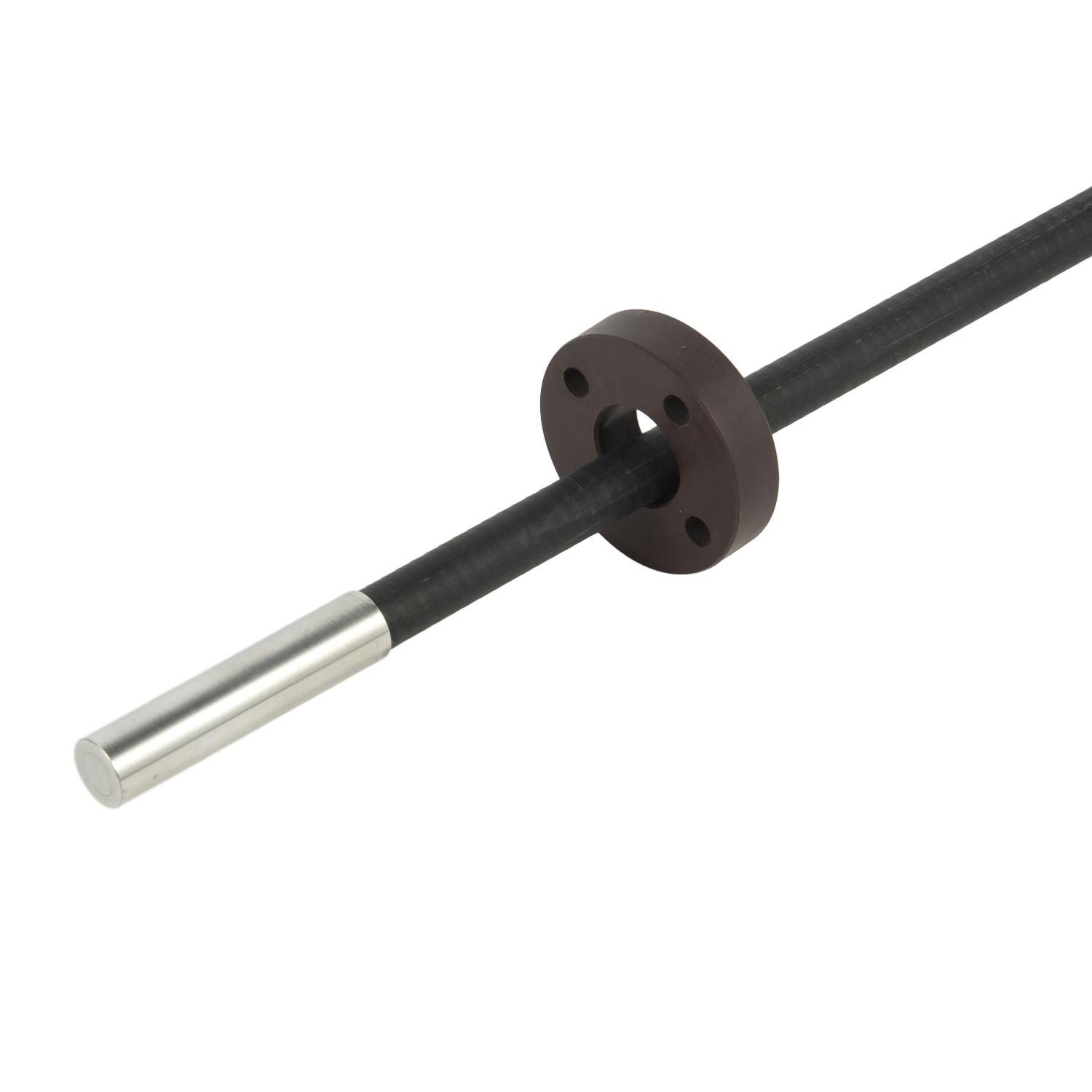
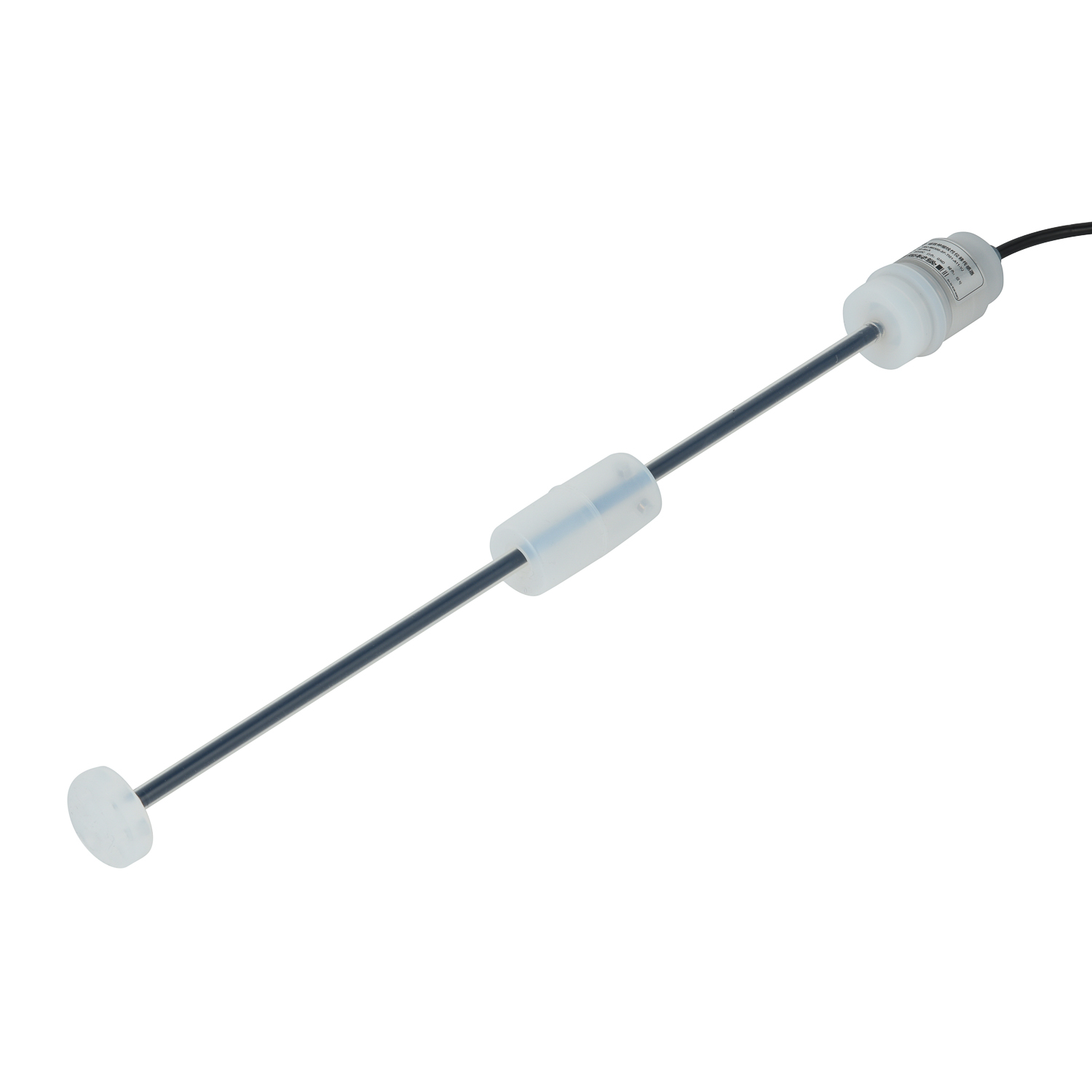
IoT sensors and data analytics play a crucial role in modern fermentation control by providing real-time insights into variables like temperature, pressure, and specific gravity. These sensors collect vast amounts of data, which is then analyzed to detect trends, predict outcomes, and trigger automated responses. For instance, if a sensor detects a rise in tank pressure, the system can automatically vent excess CO2 to prevent over-pressurization. This data-driven approach enables proactive quality assurance and resource optimization, leading to smarter decision-making and reduced waste in the brewery.
Overall, the integration of these control systems—PID controllers, PLCs, and IoT technologies—creates a seamless ecosystem for smart beer fermentation. By embracing automation and data, breweries can achieve unparalleled precision, from monitoring yeast performance to ensuring batch-to-batch uniformity. As the industry advances, these systems will continue to evolve, driving innovation and excellence in the art and science of brewing.
 Graybus Cable Fault
 Field Application of Graybus C
 Model and Specification of Gra
 Import Substitute Graybus Cabl