
How to address dust-proof sealing challenges in these gauges?
Understanding the critical importance of dust protection for industrial gauges is fundamental to maintaining operational efficiency. Dust infiltration can compromise gauge accuracy, leading to faulty readings and potential system failures. This comprehensive guide explores practical solutions to ensure your gauges remain protected in even the most challenging environments.
Implementing Advanced Sealing Materials
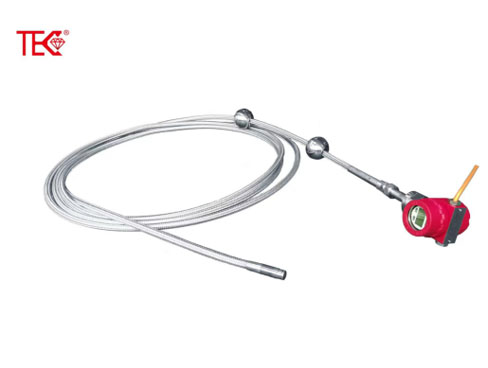
Modern sealing technology offers numerous material options specifically designed for dust prevention. Silicone rubber seals provide excellent flexibility and temperature resistance, while fluorocarbon materials offer superior chemical compatibility. For extreme conditions, PTFE-based seals deliver exceptional performance against fine particulate matter. The selection process should consider environmental factors including temperature fluctuations, chemical exposure, and particulate size to ensure optimal protection.
Designing Effective Seal Mechanisms
The architecture of seal mechanisms plays a pivotal role in dust prevention. Dual-lipped seals create multiple barriers against dust penetration, while magnetic seal configurations offer contactless protection for sensitive applications. Labyrinth seal designs effectively trap particulate matter through intricate pathways, preventing direct access to gauge interiors. Each design approach presents unique advantages depending on specific operational requirements and environmental challenges.
Regular Maintenance and Inspection Protocols
Establishing consistent maintenance schedules ensures long-term seal effectiveness. Visual inspections should occur monthly, with detailed examinations quarterly. Look for signs of seal degradation, including cracking, hardening, or compression set. Cleaning procedures must use compatible solvents that won't damage seal integrity. Replacement intervals should align with manufacturer recommendations while considering actual environmental exposure conditions.
Environmental Protection Strategies
Beyond direct sealing, implementing secondary protection measures significantly enhances dust prevention. Protective housings with transparent covers allow visibility while shielding gauges from direct exposure. Air purge systems create positive pressure barriers, effectively repelling dust particles. Strategic gauge placement away from high-traffic areas and installing additional baffles or shields can dramatically reduce dust accumulation and penetration risks.
Testing and Validation Methods
Verifying seal effectiveness requires systematic testing approaches. Pressure decay tests detect minute leaks that could permit dust entry. Environmental chamber testing simulates actual operating conditions to validate performance. Regular calibration checks ensure gauges maintain accuracy despite sealing implementations. Documentation of all testing procedures creates valuable historical data for predicting maintenance needs and improving future seal selection.
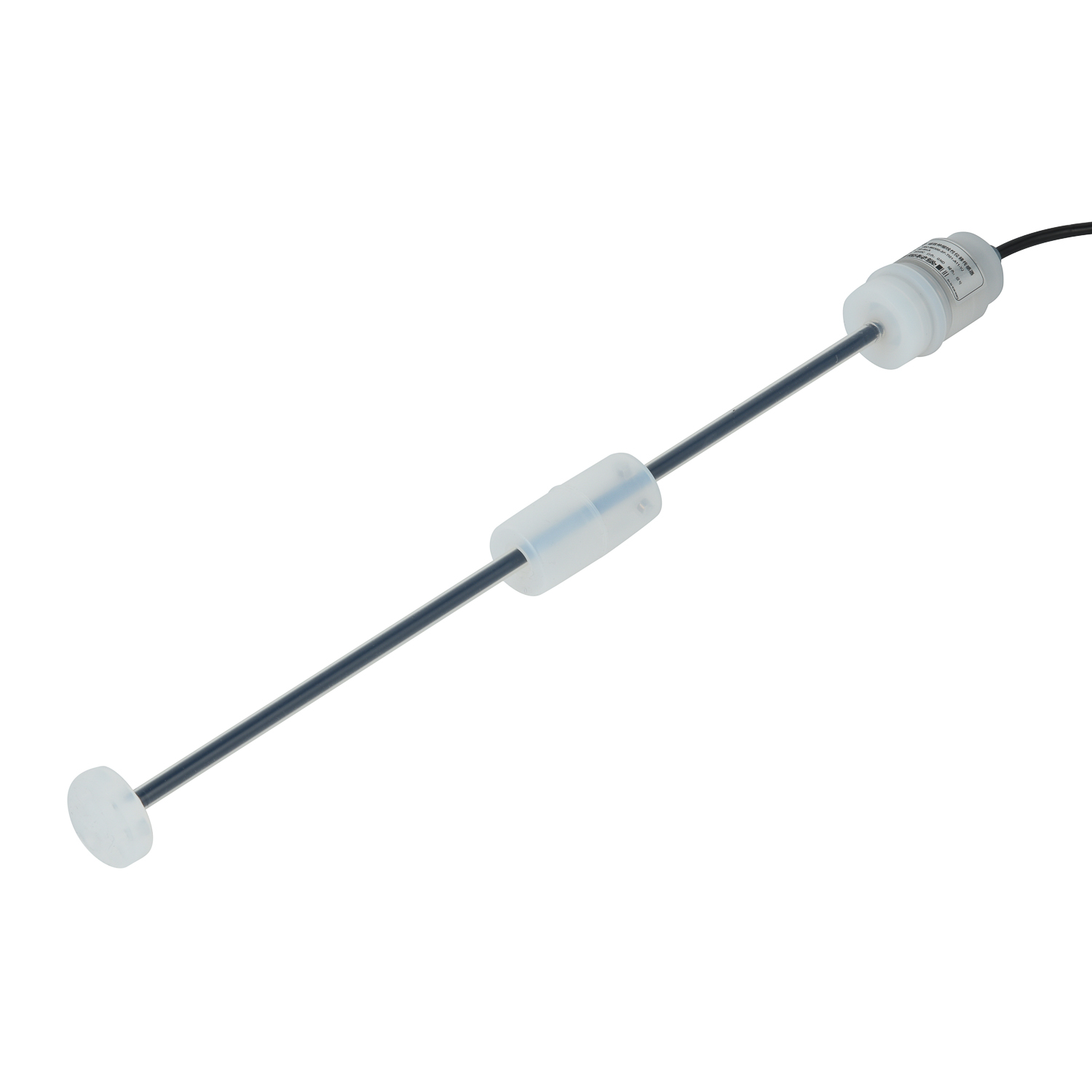 Graybus Cable Fault
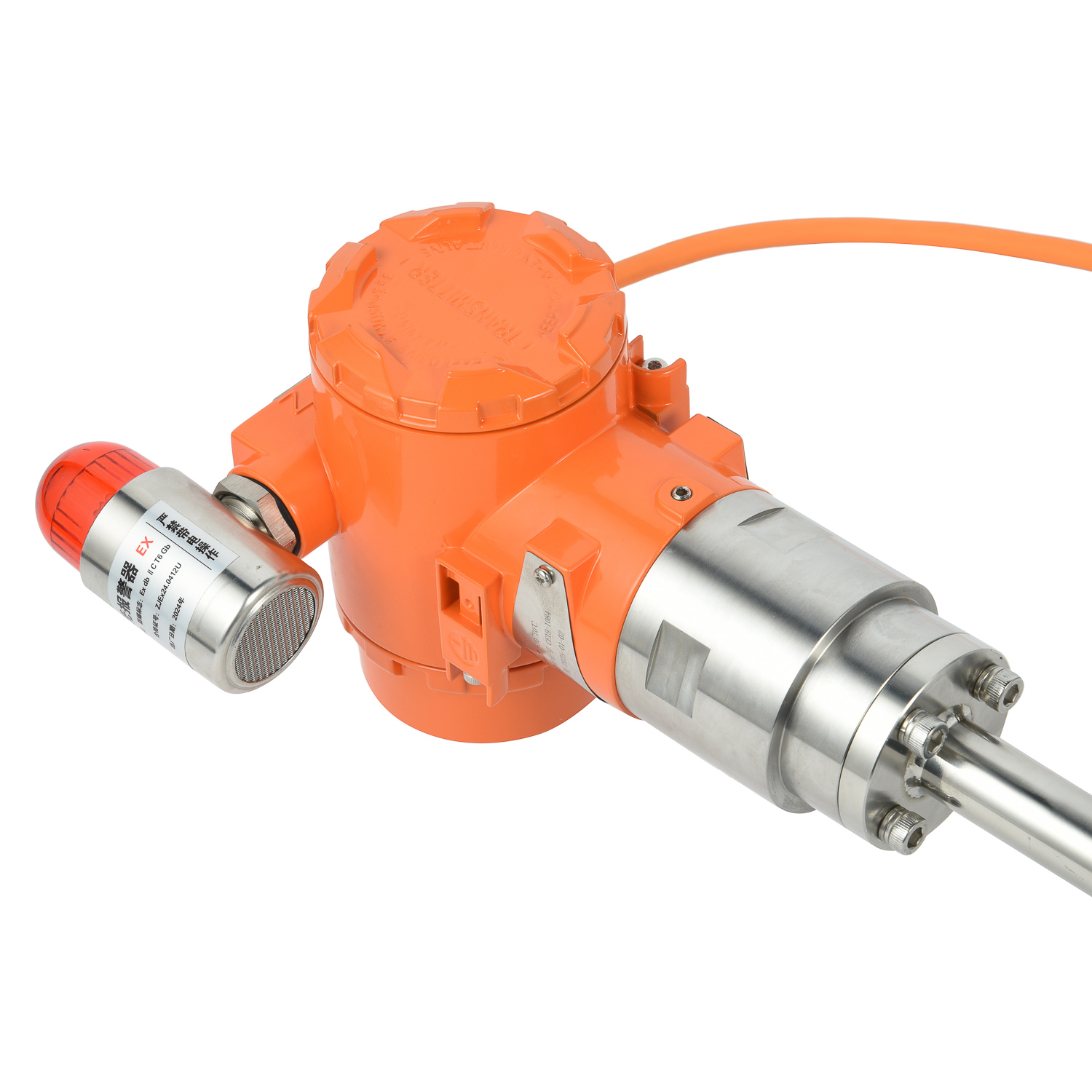 Field Application of Graybus C
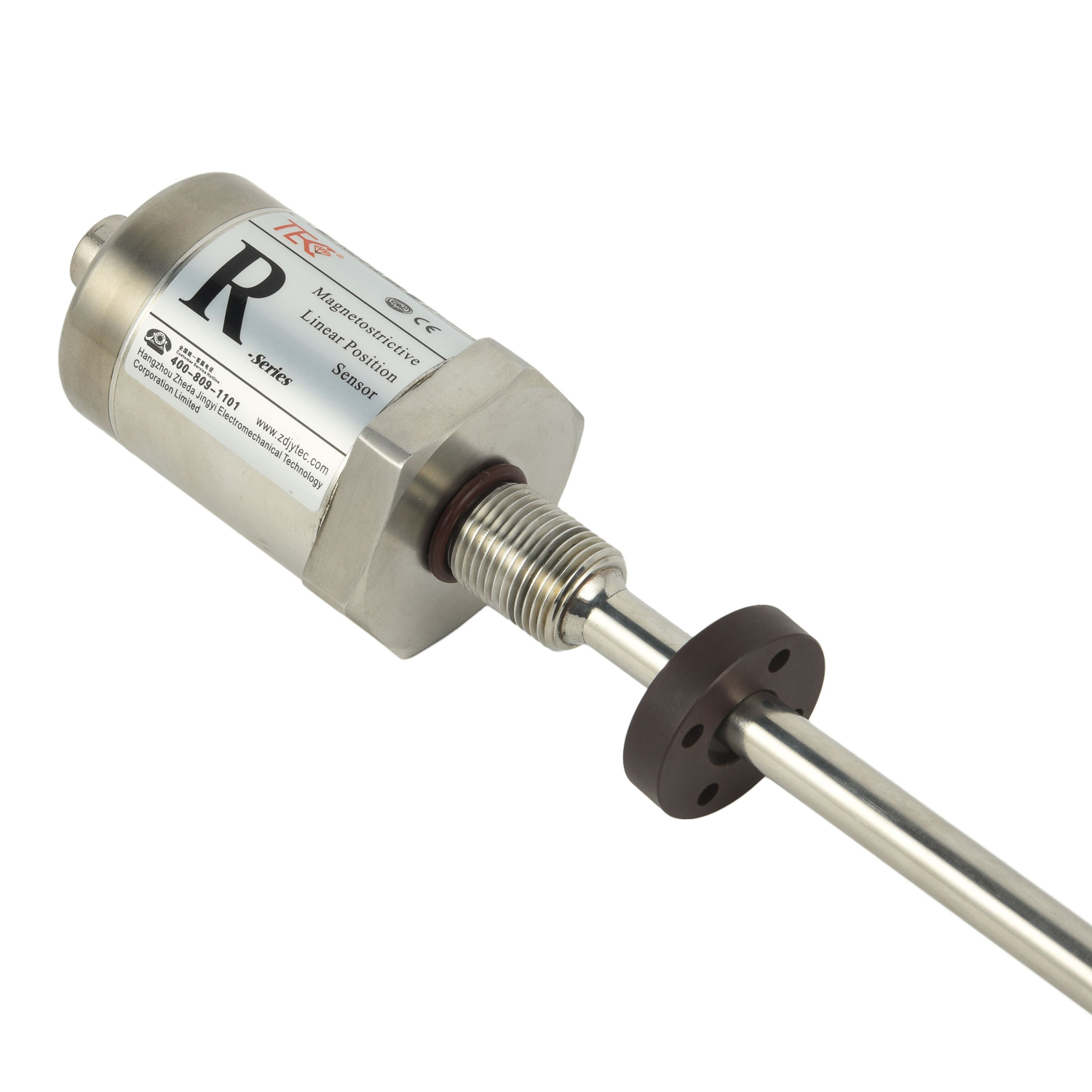 Model and Specification of Gra
 Import Substitute Graybus Cabl