
What role do these gauges play in smart fire suppression systems?
In the realm of modern fire safety, smart fire suppression systems represent a significant leap forward, integrating advanced technology to protect lives and property with unprecedented efficiency. These systems rely on a network of sophisticated components, each playing a crucial part in the detection, decision-making, and extinguishing processes. Among these components, pressure gauges stand out as fundamental yet often overlooked elements that are vital for system integrity and performance.
Monitoring System Integrity and Pressure Levels
Pressure gauges serve as the primary indicators of a smart fire suppression system's operational status. They continuously monitor the pressure within pipes and tanks, whether the system uses water, foam, or inert gases. A stable pressure reading confirms that the system is charged and ready for immediate deployment. Any significant deviation from the normal range can signal a potential issue, such as a leak or a blockage, allowing for proactive maintenance before an emergency occurs. This real-time monitoring is essential for ensuring the system's reliability when every second counts.
Providing Critical Data for Automated Control Panels
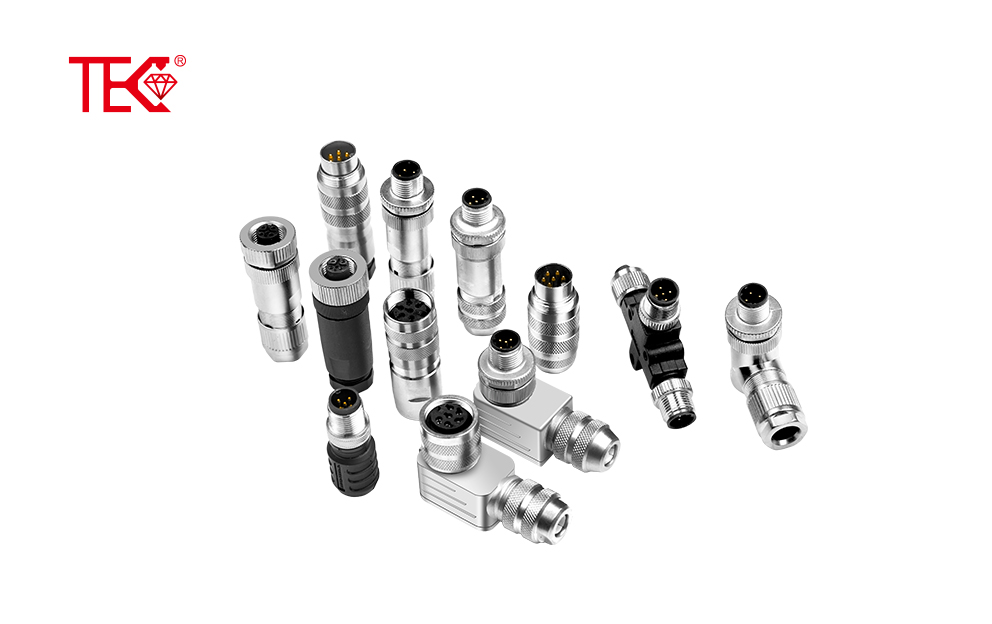
In a smart system, pressure gauges are not standalone devices; they are integrated sensors that feed vital data to the central control panel. This panel uses the pressure readings to make automated decisions. For instance, if a pressure drop is detected in a specific zone, the system can automatically identify the location of a potential fire and activate suppression agents precisely where needed. This data-driven automation enhances the system's speed and accuracy, minimizing water damage and maximizing firefighting effectiveness.
Ensuring Optimal Performance of Suppression Agents
The effectiveness of any suppression agent depends on it being delivered at the correct pressure. Water, for example, must be at adequate pressure to form a proper spray pattern and reach the seat of a fire. Pressure gauges ensure that pumps and tanks maintain this optimal pressure. In chemical or gas-based systems, they verify that the agent is stored at the required pressure to ensure it will discharge correctly and disperse effectively to suppress the fire rapidly.
Facilitating Predictive Maintenance and System Diagnostics
Beyond emergency response, pressure gauges are invaluable for system health diagnostics. By tracking pressure trends over time, facility managers can identify gradual changes that might indicate wear and tear on pumps, valves, or seals. This enables a shift from reactive repairs to predictive maintenance. Scheduling service based on data from the gauges prevents unexpected system failures, extends the system's lifespan, and guarantees continuous protection, thereby reducing long-term operational costs.
Enhancing Overall Safety and Compliance
Ultimately, the role of pressure gauges is intrinsically linked to safety and regulatory compliance. They provide a verifiable, at-a-glance assurance that the fire suppression system is functional and compliant with NFPA and other local safety standards. Regular checks of these gauges are a critical part of safety inspections, providing documented proof that the system is maintained correctly. This not only safeguards occupants but also protects property owners from liability, making these gauges indispensable for any smart fire safety infrastructure.
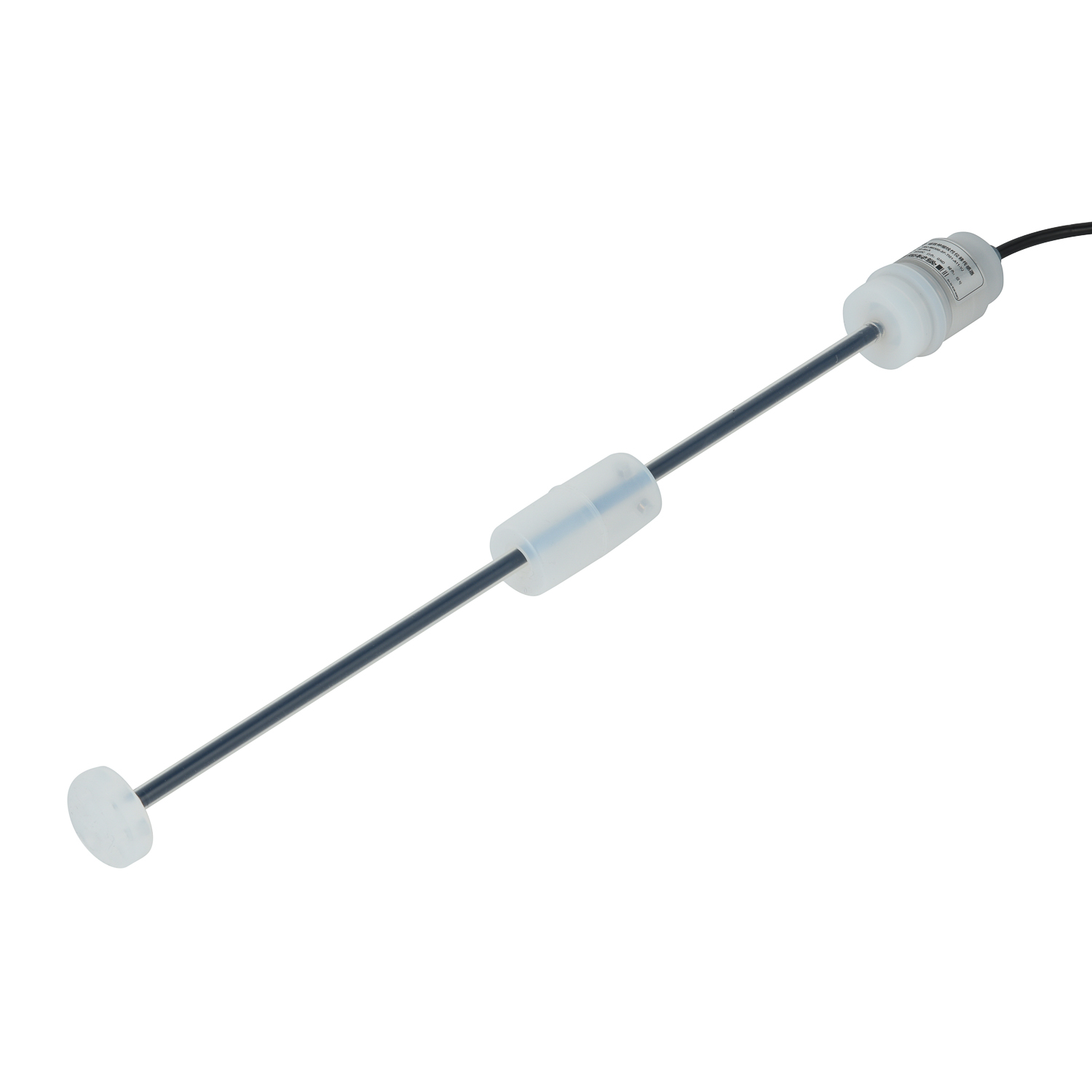 Graybus Cable Fault
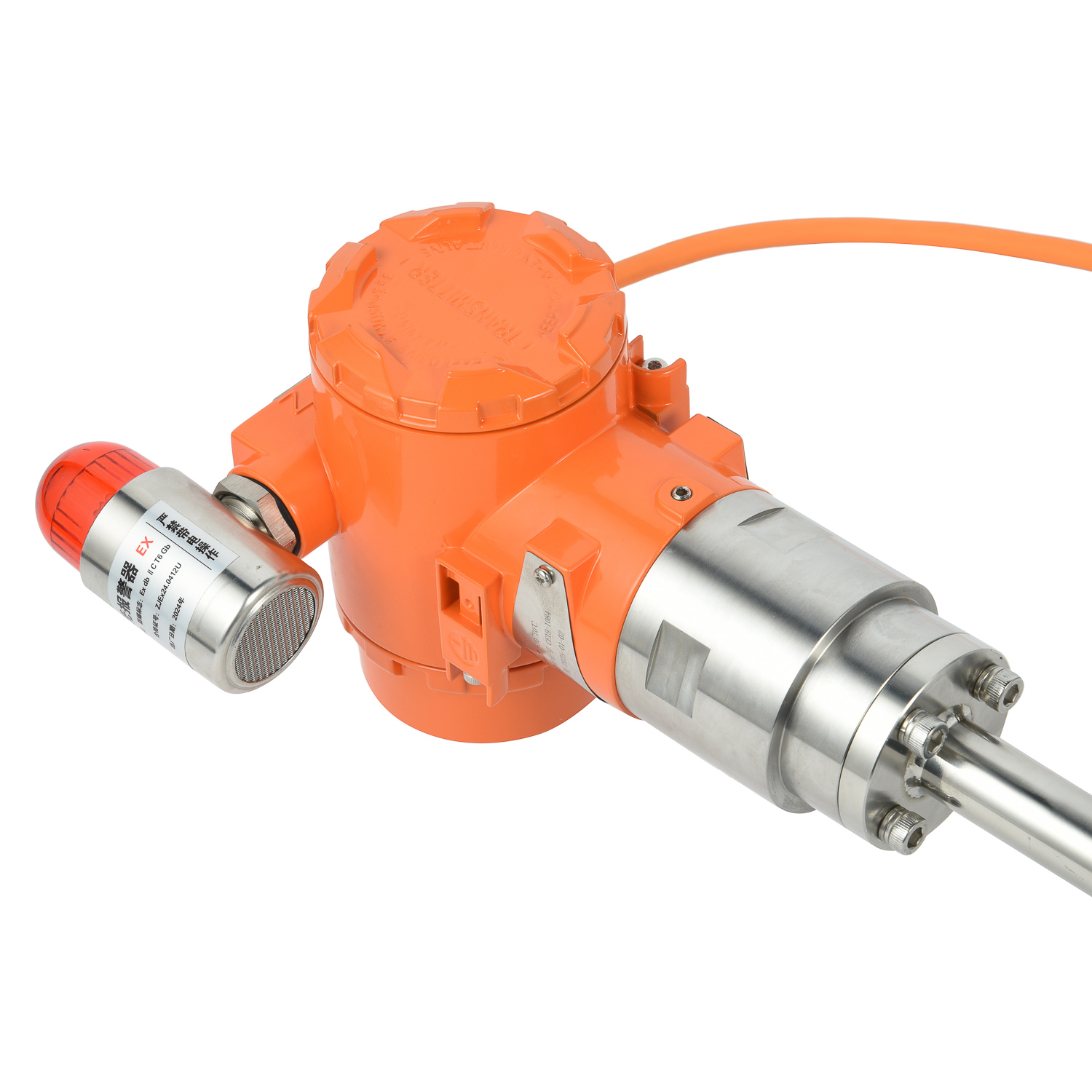 Field Application of Graybus C
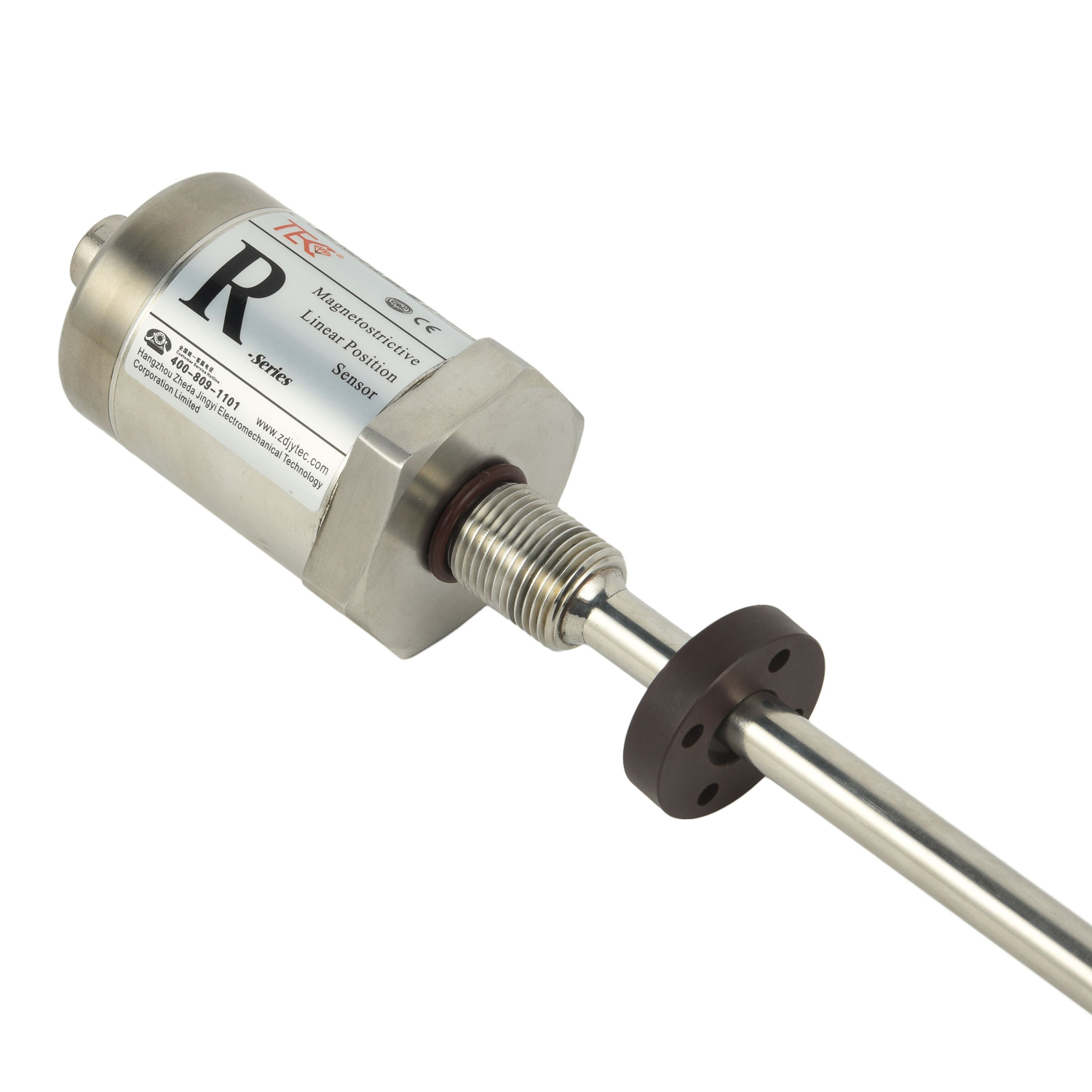 Model and Specification of Gra
 Import Substitute Graybus Cabl