
How to perform calibration without tank opening using magnetostrictive methods?
Understanding Magnetostrictive Level Measurement Technology
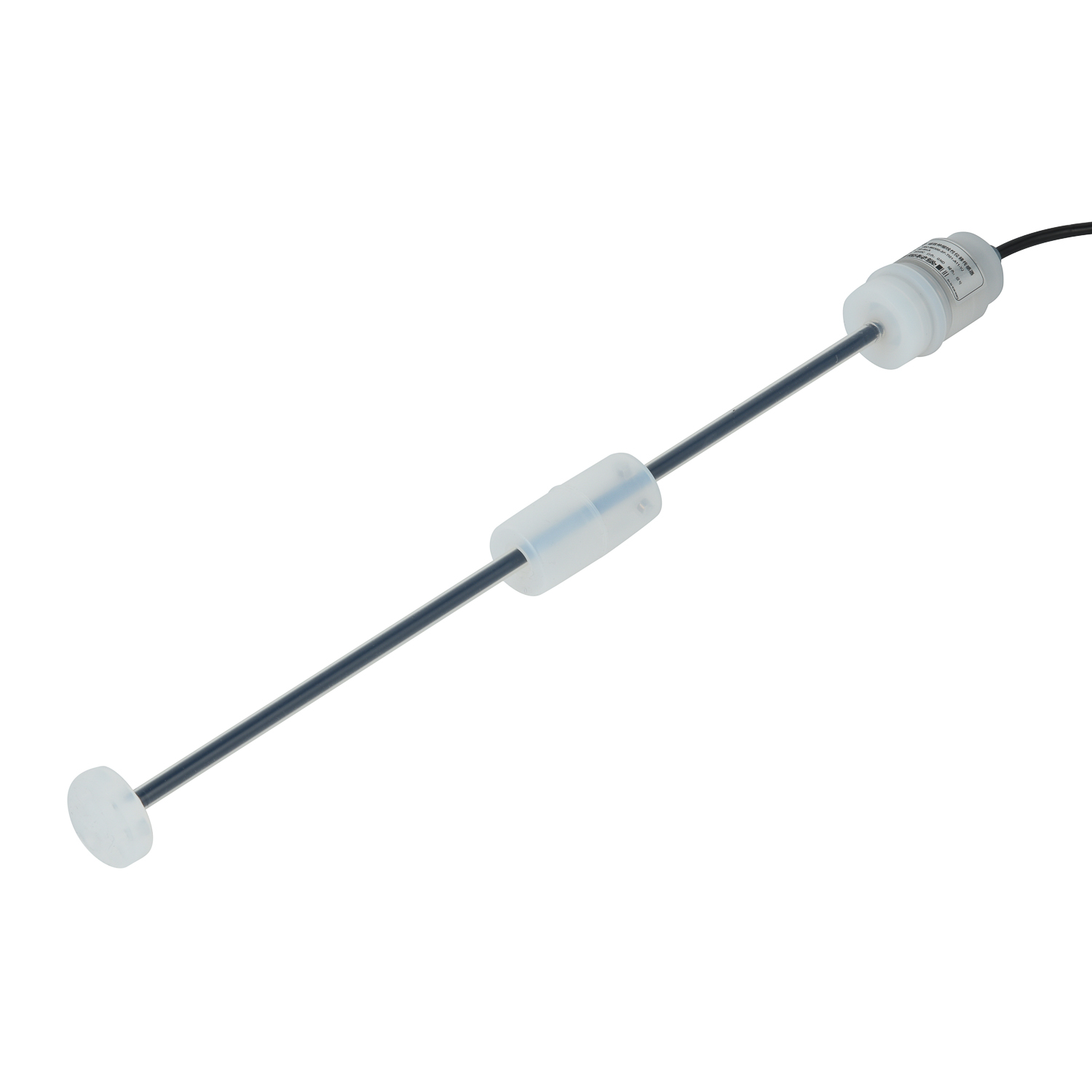
Magnetostrictive level measurement represents a sophisticated approach to liquid level detection that offers exceptional accuracy and reliability. This technology operates on the principle of magnetostriction, where a ferromagnetic material changes its magnetic properties when subjected to mechanical stress. The system consists of a sensing probe containing a waveguide wire, a float with permanent magnets, and an electronic transceiver unit. When current pulses are sent through the waveguide, they interact with the magnetic field from the float, generating torsional stress waves that travel back to the sensor head. By precisely measuring the time delay between pulse transmission and wave return, the system calculates the exact float position with remarkable precision, typically achieving accuracies within ±0.5mm.
Benefits of Non-Intrusive Calibration Methods
The advantages of performing calibration without tank opening extend far beyond mere convenience. Non-intrusive methods eliminate the need for system shutdowns, maintaining continuous operations and preventing production losses. This approach significantly enhances workplace safety by avoiding exposure to hazardous materials and confined space entry risks. Furthermore, it preserves the tank's internal environment, preventing contamination and maintaining temperature or pressure conditions that could be disrupted by opening the vessel. The cost savings associated with non-intrusive calibration are substantial, reducing labor requirements, eliminating product loss during shutdowns, and minimizing safety compliance costs.
Preparation for External Calibration Procedures
Proper preparation forms the foundation for successful magnetostrictive calibration without tank access. Begin by verifying the transmitter's accessibility and ensuring safe working conditions around the tank area. Confirm that the process connections are secure and check for any visible damage to the external components. Review the manufacturer's documentation and calibration procedures specific to your magnetostrictive level transmitter model. Establish communication with the control room to coordinate the calibration process and implement appropriate safety protocols. Ensure you have the necessary calibration tools, including the manufacturer's recommended configuration software, communication cables, and any specialized interface equipment required for your specific transmitter model.
Step-by-Step External Calibration Process
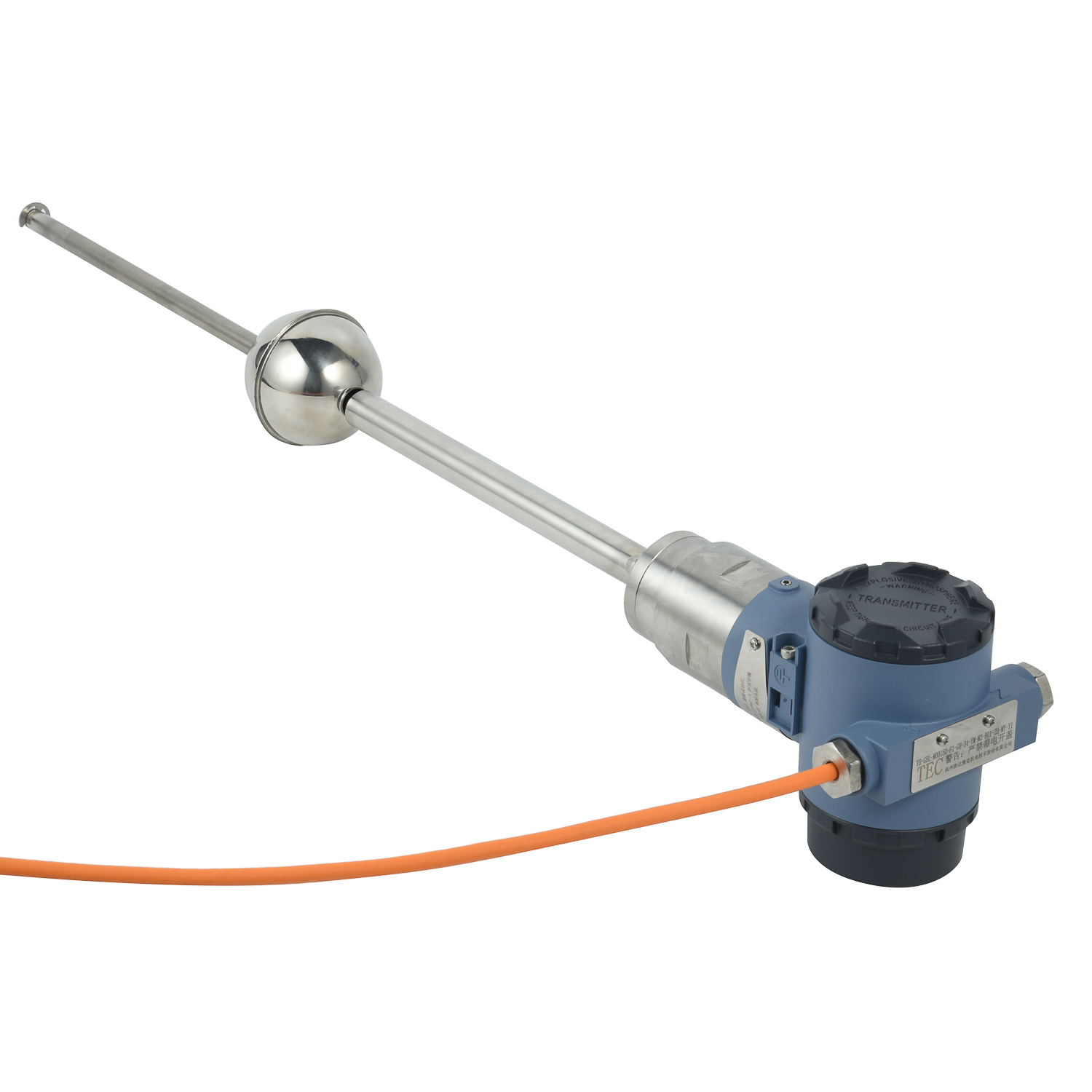
The external calibration process for magnetostrictive transmitters involves several methodical steps. First, establish communication between your configuration device and the transmitter using the appropriate interface protocol. Access the calibration menu in the configuration software and select the zero and span adjustment functions. For zero-point calibration, ensure the tank is at its minimum safe operating level or use the current level reading if verified accurate. The span calibration requires inputting the precise distance between the transmitter's reference point and the maximum level measurement point. Many modern magnetostrictive transmitters offer advanced features like electronic re-ranging, allowing calibration adjustments without mechanical modifications. Complete the process by verifying the new calibration settings through simulated level changes and functional tests.
Verification and Quality Assurance Measures
Implementing robust verification procedures ensures the reliability of your non-intrusive calibration results. Perform cross-verification by comparing the magnetostrictive transmitter readings with other available level indicators or inventory management systems. Conduct a stability test by monitoring the transmitter output over an extended period under stable process conditions. Utilize the transmitter's built-in diagnostic functions to check for signal quality, temperature compensation accuracy, and overall system health. Document all calibration data, including pre-calibration and post-calibration values, environmental conditions, and any observations made during the process. This documentation provides valuable reference for future calibrations and supports regulatory compliance requirements.
Troubleshooting Common Calibration Challenges
Even with advanced magnetostrictive technology, calibration challenges may arise that require systematic troubleshooting. If calibration fails or provides inconsistent results, first verify the electrical connections and communication integrity between the configuration device and transmitter. Check for environmental factors that might affect performance, such as extreme temperatures, vibration, or electrical interference. Review the mechanical installation to ensure proper mounting alignment and float freedom. For persistent issues, consult the transmitter's diagnostic history and error logs, which often provide specific guidance for resolution. When troubleshooting complex problems, consider contacting the manufacturer's technical support with detailed information about your specific application and the challenges encountered.
Best Practices for Long-Term Accuracy Maintenance
Maintaining long-term calibration accuracy requires implementing proactive maintenance strategies. Establish a regular calibration schedule based on your specific process requirements and the manufacturer's recommendations. Monitor performance trends through historical data analysis to identify potential issues before they affect measurement accuracy. Implement environmental protection measures for exposed components, including weatherproof enclosures and vibration dampeners where necessary. Train operations and maintenance personnel in proper handling procedures and basic troubleshooting techniques. Regularly update your calibration procedures based on manufacturer recommendations and technological advancements in magnetostrictive measurement systems to ensure optimal performance throughout the transmitter's lifecycle.
 Graybus Cable Fault
 Field Application of Graybus C
 Model and Specification of Gra
 Import Substitute Graybus Cabl