
How do magnetostrictive level gauges perform in strong acid/alkali environments?
In industrial settings where aggressive chemicals are present, reliable level measurement becomes both crucial and challenging. Magnetostrictive level gauges have emerged as a preferred solution for these demanding applications, offering exceptional accuracy even when exposed to corrosive substances. These sophisticated instruments utilize magnetostriction principles to deliver precise liquid level readings without direct contact with the media, making them particularly suitable for harsh chemical environments where traditional measurement methods often fail.
Material Selection for Chemical Compatibility
The performance of magnetostrictive level gauges in acidic and alkaline environments primarily depends on proper material selection. Manufacturers typically construct these gauges using stainless steel 316L or Hastelloy for the probe and housing, providing excellent resistance to corrosion. For particularly aggressive chemicals like concentrated sulfuric acid or sodium hydroxide solutions, specialized materials including titanium, Tantalum, or PTFE-coated components offer enhanced protection. The careful matching of wetted materials to specific chemical properties ensures long-term reliability and prevents premature failure due to corrosion or chemical attack.
Protective Coatings and Specialized Designs
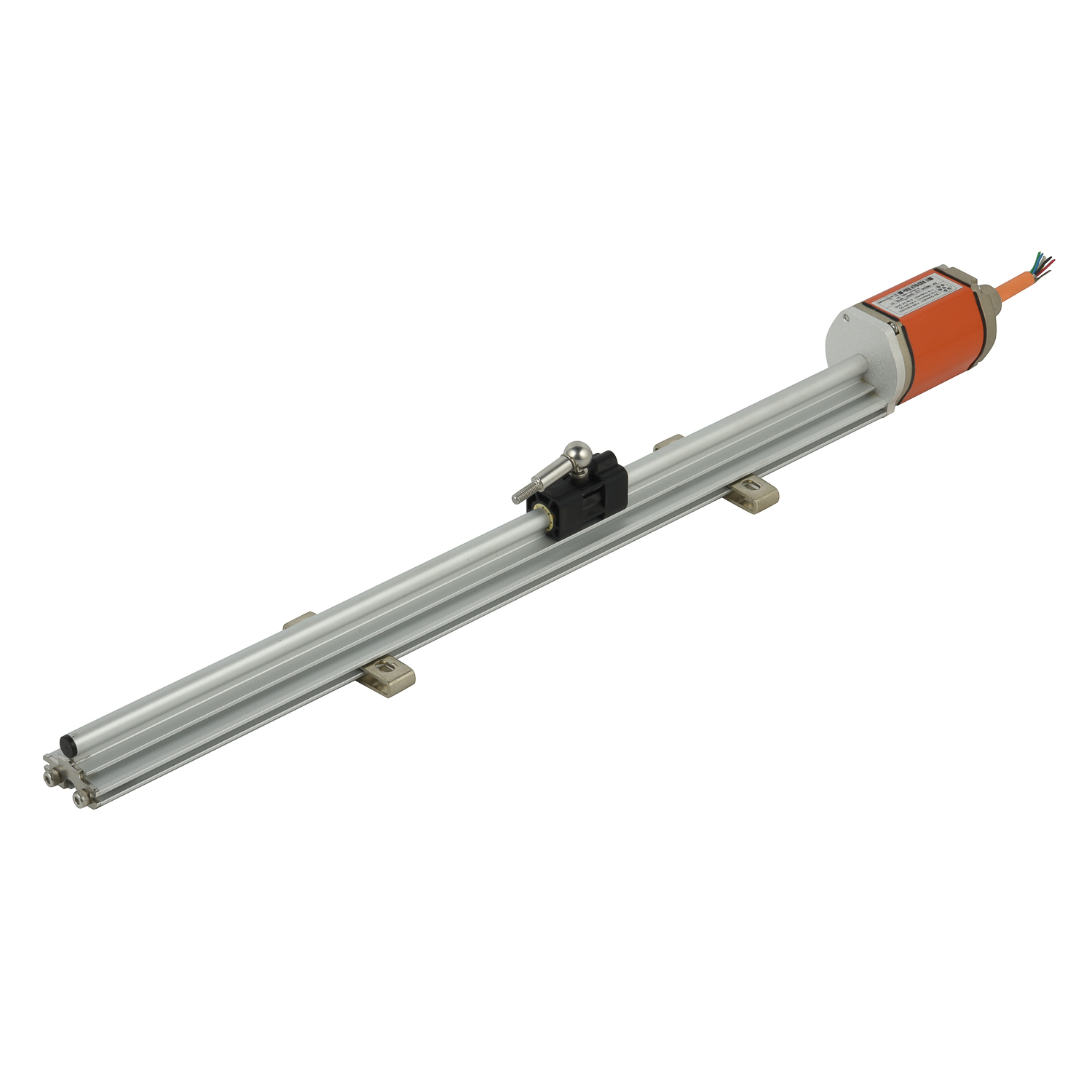
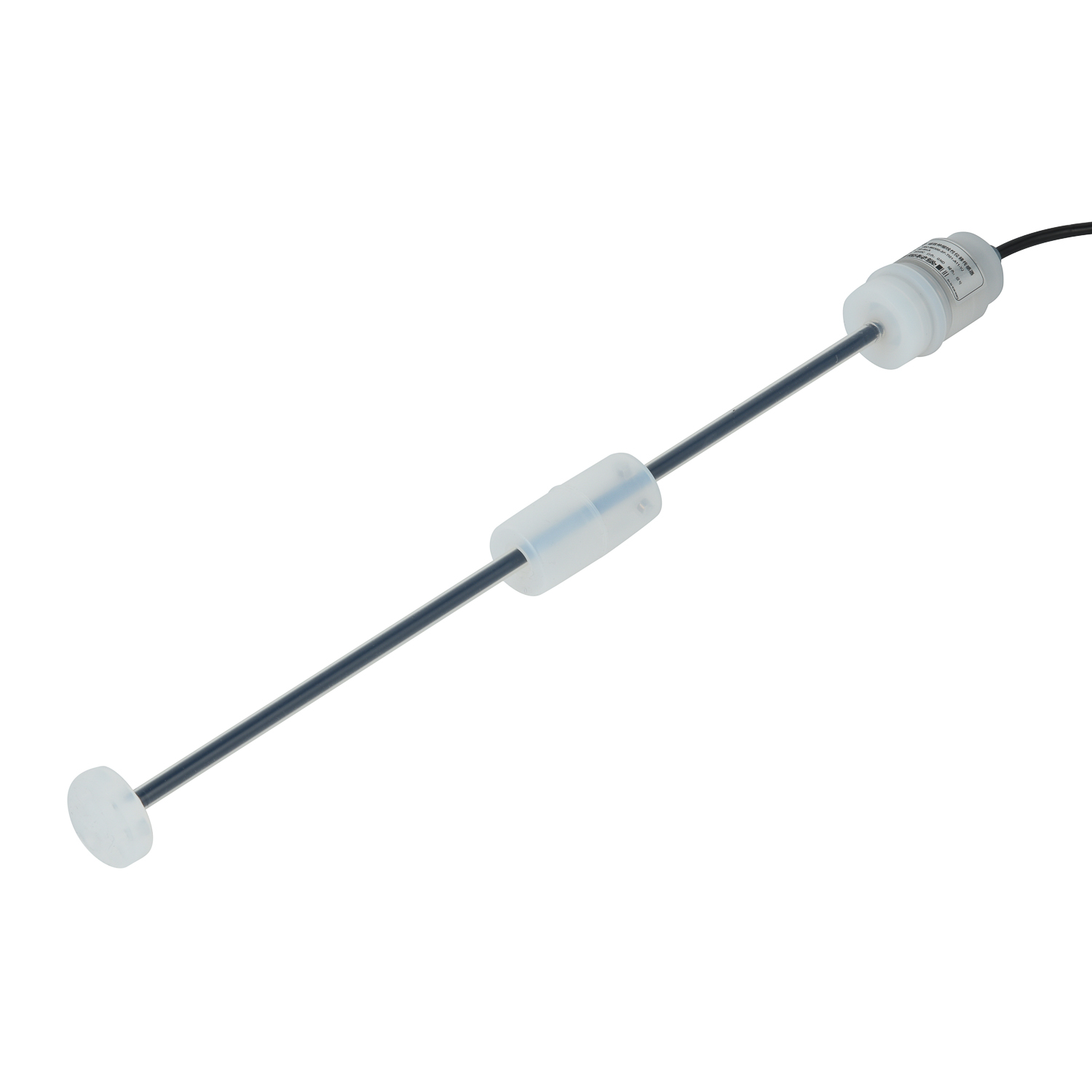
Beyond base material selection, advanced protective coatings significantly enhance the chemical resistance of magnetostrictive level gauges. Epoxy coatings, PFA lining, and ceramic surfaces create additional barriers against corrosive attack. Many manufacturers offer custom-designed float materials specifically engineered for extreme pH conditions, with thick-walled floats and specialized seals that prevent chemical ingress. The non-contact measurement principle allows for complete isolation of the electronic components from the process media, while hermetically sealed electronics compartments provide an extra layer of protection against corrosive vapor exposure.
Performance in Specific Acidic Environments
When deployed in strong acid applications such as hydrochloric acid storage or sulfuric acid processing, magnetostrictive level gauges demonstrate remarkable stability. The technology maintains measurement accuracy within ±0.05% of full scale even when exposed to pH levels below 2.0. The absence of moving parts in contact with the process fluid eliminates concerns about chemical degradation that plague mechanical float devices. Regular calibration verification in these environments shows minimal drift over extended periods, with many installations maintaining specification accuracy for years without requiring maintenance or replacement.
Alkaline Solution Measurement Capabilities
In caustic environments featuring concentrated alkaline solutions like sodium hydroxide or potassium hydroxide, magnetostrictive gauges perform with equal reliability. The technology withstands pH levels exceeding 12.0 without performance degradation, making them ideal for chemical processing, pharmaceutical manufacturing, and water treatment applications. The immunity to fluid density changes caused by temperature variations ensures consistent reading accuracy even as solution concentrations fluctuate. This stability proves particularly valuable in batch processes where chemical concentrations vary significantly throughout production cycles.
Installation Considerations for Harsh Chemical Service
Proper installation practices dramatically impact the longevity and performance of magnetostrictive level gauges in aggressive environments. Orientation, mounting position, and connection types must be carefully planned to minimize areas where chemicals could accumulate or become trapped. For tank applications with agitation or mixing, additional structural support may be necessary to prevent probe vibration from affecting measurement accuracy. Installation in vented systems requires special attention to potential chemical vapor exposure, often necessitating vapor barriers or purge systems to protect the upper electronics housing.
Maintenance and Long-Term Reliability
The maintenance requirements for magnetostrictive level gauges in strong acid/alkali environments remain remarkably low compared to alternative technologies. Periodic verification checks and visual inspections typically suffice to ensure continued optimal performance. The robust construction and chemical-resistant materials result in mean time between failures (MTBF) exceeding 10 years in many aggressive chemical applications. When maintenance becomes necessary, the modular design allows for component-level replacement without requiring full system removal, minimizing downtime and maintenance costs in critical chemical processing operations.
Real-World Applications and Case Studies
Across various industries, magnetostrictive level gauges have proven their worth in challenging chemical environments. In chemical processing plants, they accurately measure hydrochloric acid levels in storage tanks with consistent reliability. Pharmaceutical manufacturers utilize them for sodium hydroxide solution monitoring in purification processes, while petrochemical facilities depend on them for interface detection in acid treatment systems. These real-world applications demonstrate the technology's versatility and durability, with documented cases of continuous operation exceeding a decade in pH environments that rapidly degrade alternative measurement technologies.
Future Developments in Chemical-Resistant Design
Ongoing research and development continues to enhance the performance of magnetostrictive level gauges in extreme chemical environments. Emerging materials including advanced polymers and ceramic composites promise even greater chemical resistance across wider pH ranges. Sensor fusion technologies incorporating temperature and density compensation are improving measurement accuracy in applications where chemical concentrations vary significantly. Wireless connectivity and advanced diagnostics are becoming standard features, enabling predictive maintenance and remote monitoring capabilities that further enhance reliability in critical chemical measurement applications.
 Graybus Cable Fault
 Field Application of Graybus C
 Model and Specification of Gra
 Import Substitute Graybus Cabl