
How to enable remote diagnosis with magnetostrictive level gauges?
Remote diagnosis capabilities have revolutionized industrial level monitoring, allowing operators to access critical data from anywhere in the world. Magnetostrictive level gauges, known for their precision and reliability, serve as ideal instruments for implementing these advanced remote monitoring solutions. By integrating these sophisticated devices with modern communication technologies, facilities can achieve unprecedented operational visibility and control.
Understanding Magnetostrictive Level Measurement Technology
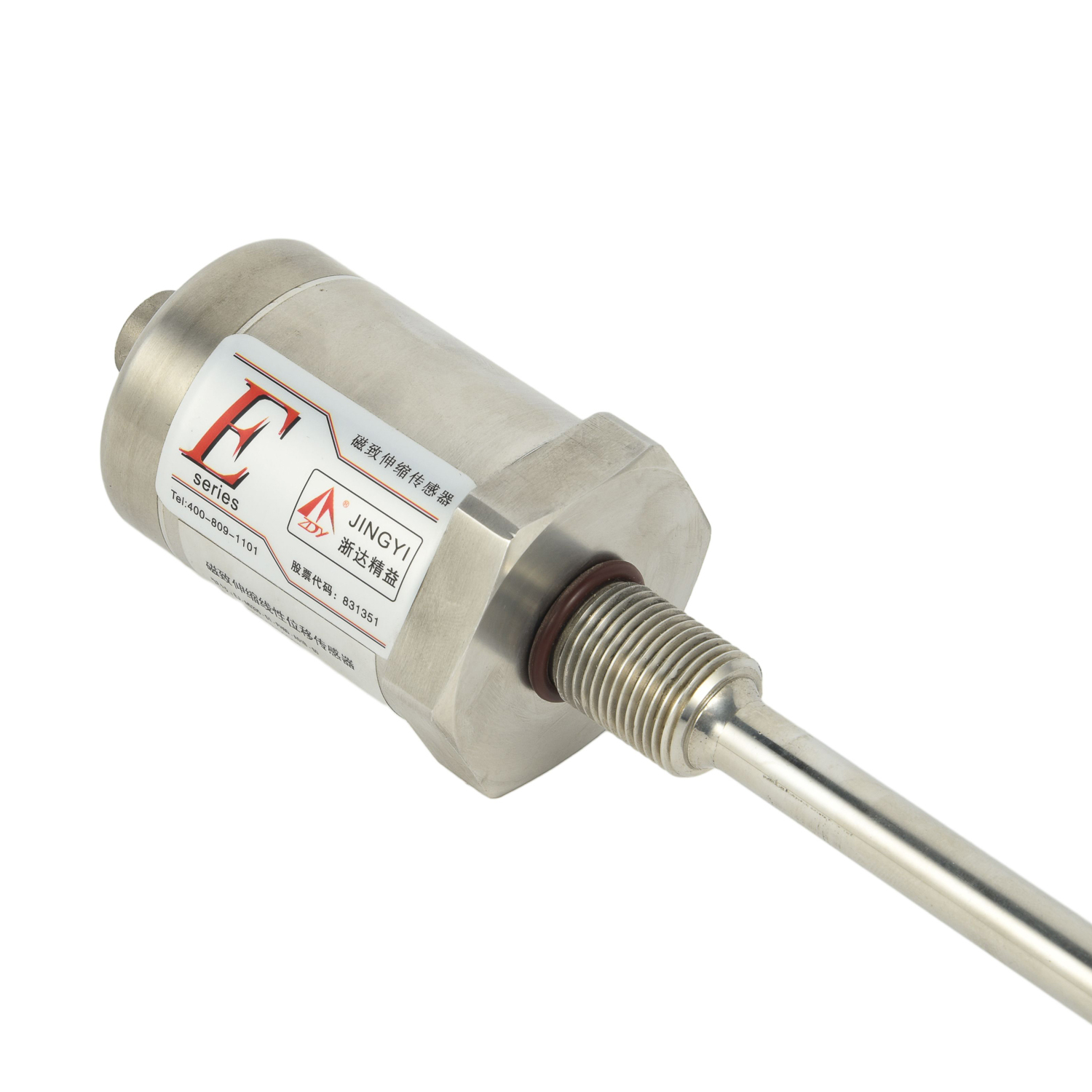
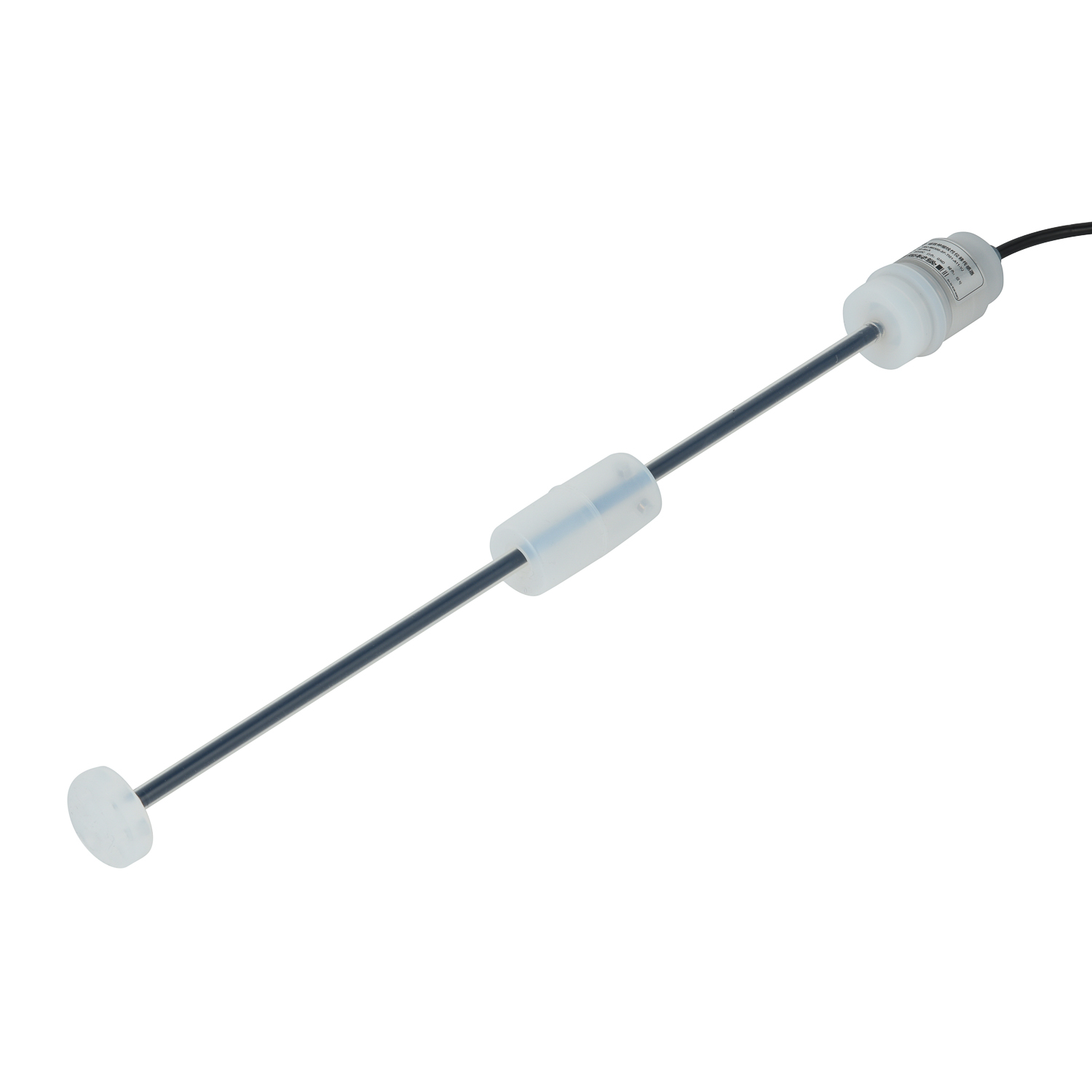
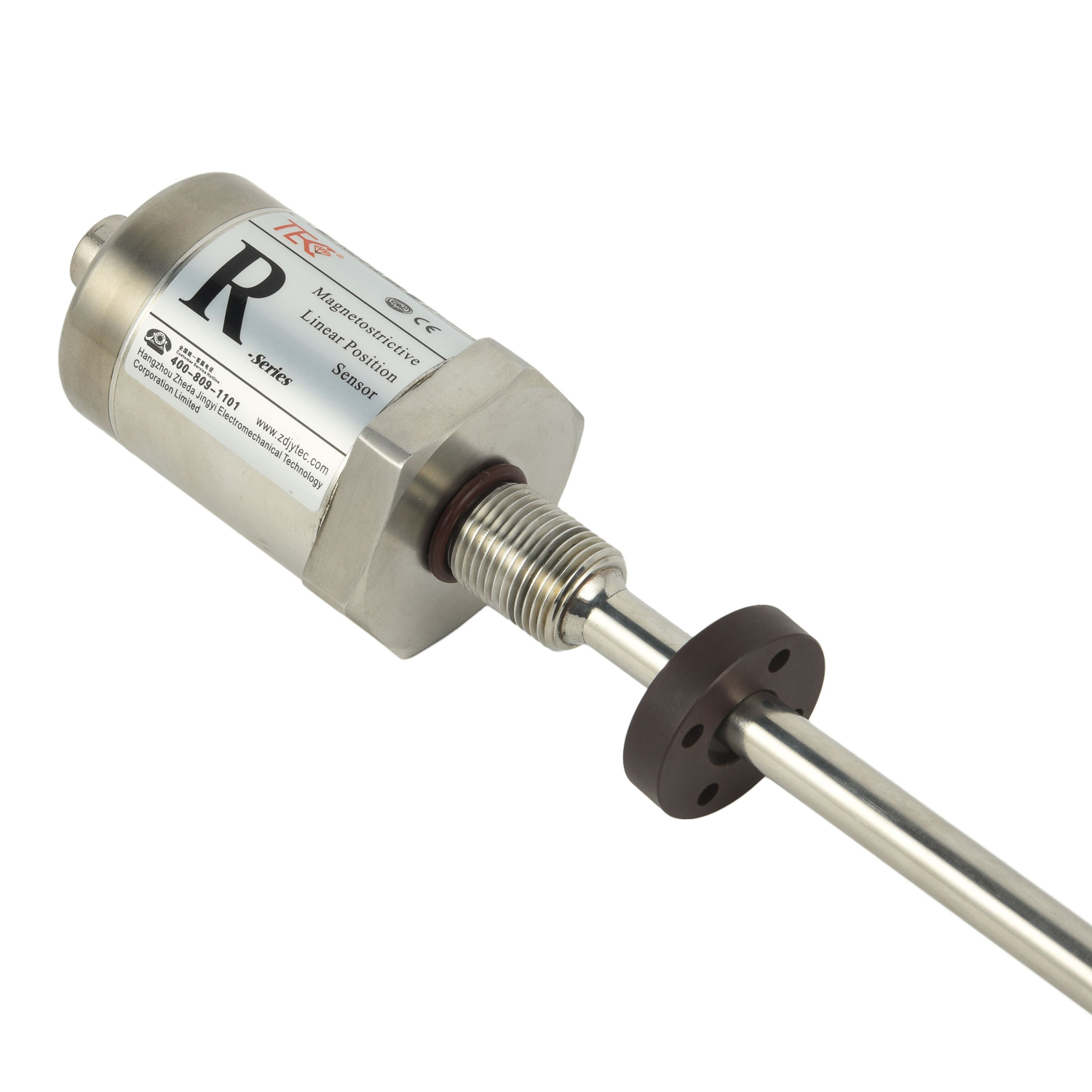
Magnetostrictive level gauges operate using a unique principle that combines magnetic and mechanical interactions to deliver exceptional accuracy. These devices utilize a waveguide wire enclosed within a protective tube and a float containing permanent magnets that moves with the liquid level. When triggered, a current pulse travels down the waveguide, generating a circumferential magnetic field that interacts with the float's magnetic field. This interaction creates a torsional stress wave that returns to the sensor head, where sophisticated electronics precisely calculate the float position by measuring the time differential. This robust measurement methodology ensures reliable level detection across diverse industrial applications, from chemical processing to fuel storage facilities.
Essential Components for Remote Diagnosis Implementation
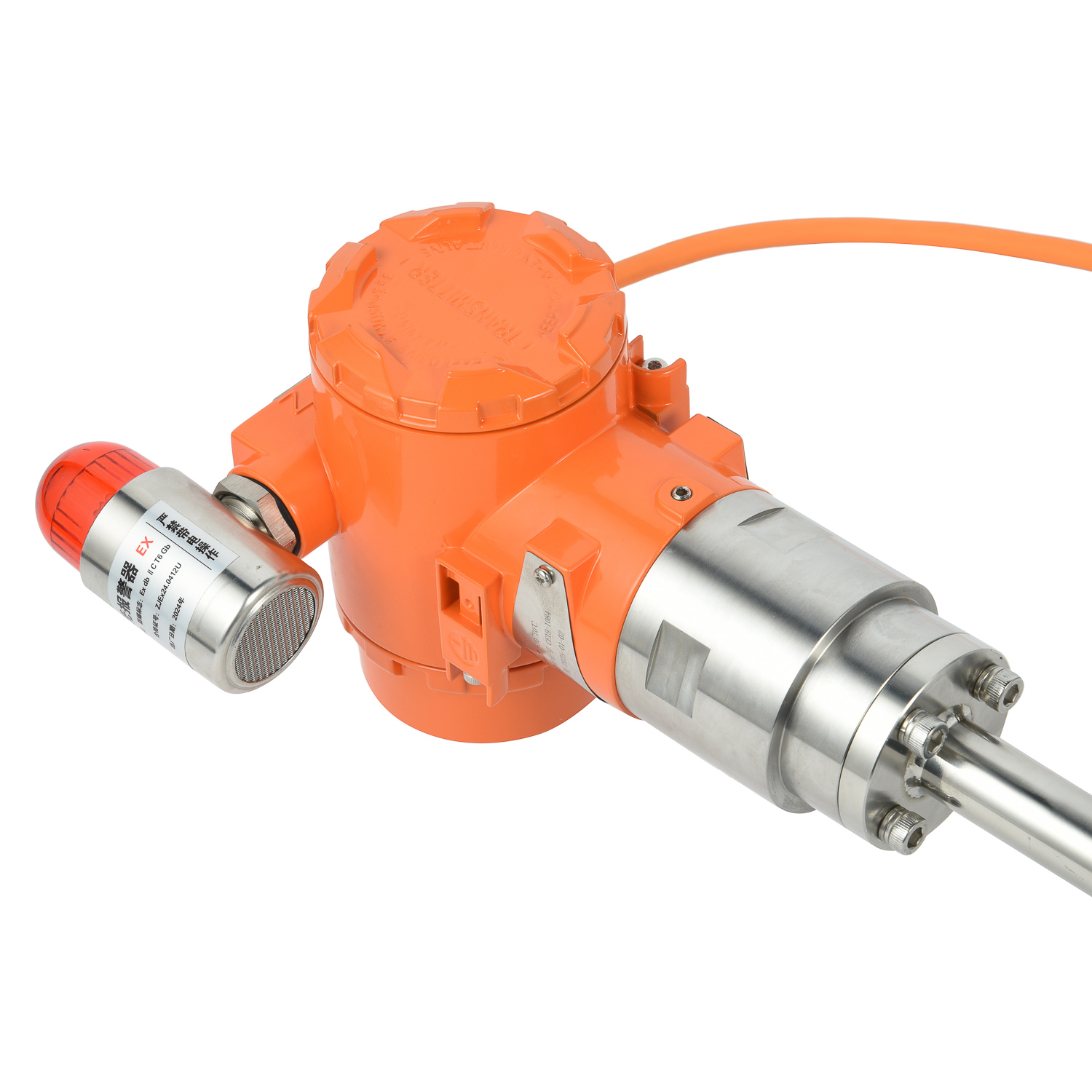
Implementing remote diagnosis requires specific hardware and software components working in seamless coordination. The core system includes magnetostrictive transmitters equipped with communication modules supporting protocols like HART, Modbus, or WirelessHART. These industrial-grade communication interfaces enable seamless data transmission to centralized monitoring systems. Additional essential components comprise gateway devices for protocol conversion, secure network infrastructure, cloud-based or on-premises data storage solutions, and advanced diagnostic software platforms. The integration of these elements creates a comprehensive ecosystem that not only monitors level parameters but also performs sophisticated health monitoring of the instrumentation itself, enabling true predictive maintenance capabilities.
Step-by-Step Configuration Process
Configuring remote diagnosis begins with proper installation and calibration of magnetostrictive level gauges according to manufacturer specifications. Once physically installed, technicians must establish communication links between the gauges and the control system through appropriate network configurations. This involves setting unique device identifiers, configuring communication parameters, and establishing secure data transmission channels. Subsequently, operators must configure alarm thresholds, diagnostic parameters, and data logging intervals within the supervisory software. The final implementation phase includes comprehensive testing of all remote functions, verification of data accuracy, and validation of alarm notifications across multiple communication channels including email, SMS, and centralized control system alerts.
Benefits of Remote Monitoring Systems
The implementation of remote diagnosis systems delivers substantial operational advantages that directly impact bottom-line performance. Facilities benefit from significantly reduced site visits for routine monitoring, leading to lower operational costs and enhanced personnel safety by minimizing exposure to hazardous environments. Real-time access to diagnostic information enables early detection of potential issues before they escalate into critical failures, substantially reducing unplanned downtime. Additionally, comprehensive data logging capabilities support regulatory compliance efforts and provide valuable insights for process optimization. The continuous health monitoring of instrumentation also extends equipment lifespan through timely maintenance interventions and ensures consistent measurement accuracy through automatic calibration verification.
Integration with Industrial IoT Platforms
Modern magnetostrictive level gauges seamlessly integrate with Industrial Internet of Things (IIoT) platforms, creating powerful ecosystems for comprehensive asset management. This integration enables bidirectional data flow between field instruments and enterprise-level management systems, facilitating advanced analytics and machine learning applications. Through standardized communication protocols like OPC UA and MQTT, these systems can correlate level data with other process parameters, identifying subtle patterns that indicate developing issues. The convergence of operational technology and information technology through these integrations enables truly intelligent monitoring systems that continuously improve their diagnostic capabilities through accumulated operational experience and data analysis.
Troubleshooting Common Implementation Challenges
While implementing remote diagnosis systems, organizations may encounter specific technical challenges that require systematic resolution approaches. Common issues include communication interruptions due to network configuration problems, signal interference in electrically noisy environments, and compatibility conflicts between legacy systems and modern communication protocols. Successful troubleshooting involves methodical diagnosis beginning with physical layer verification, progressing through network connectivity testing, and concluding with application-level configuration validation. Implementing comprehensive signal conditioning, proper grounding techniques, and communication protocol gateways typically resolves most implementation challenges. Establishing redundant communication pathways and regular system health checks ensures sustained reliability of the remote monitoring infrastructure.
Future Trends in Remote Level Monitoring
The evolution of remote diagnosis capabilities continues to accelerate with emerging technologies enhancing functionality and accessibility. Advancements in wireless communication technologies, particularly 5G and low-power wide-area networks (LPWAN), are eliminating traditional barriers to implementation in remote locations. The integration of artificial intelligence and machine learning algorithms enables increasingly sophisticated diagnostic capabilities that can predict failures with remarkable accuracy. Furthermore, developments in cybersecurity protocols ensure the integrity and confidentiality of transmitted data while blockchain technology introduces new possibilities for audit trail verification and regulatory compliance documentation in critical applications.
 Graybus Cable Fault
 Field Application of Graybus C
 Model and Specification of Gra
 Import Substitute Graybus Cabl