
What does IP68 protection rating mean for magnetostrictive level gauges?
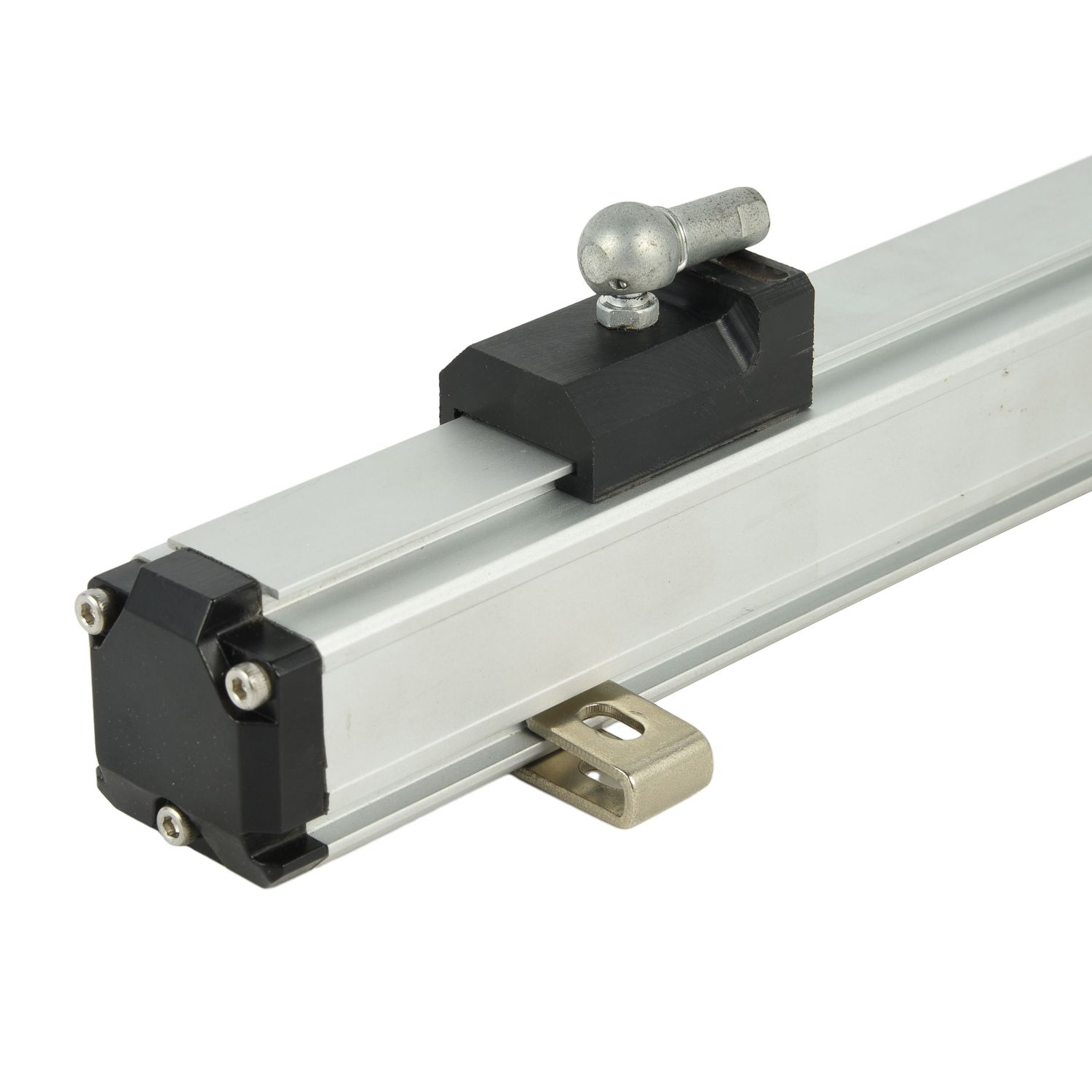
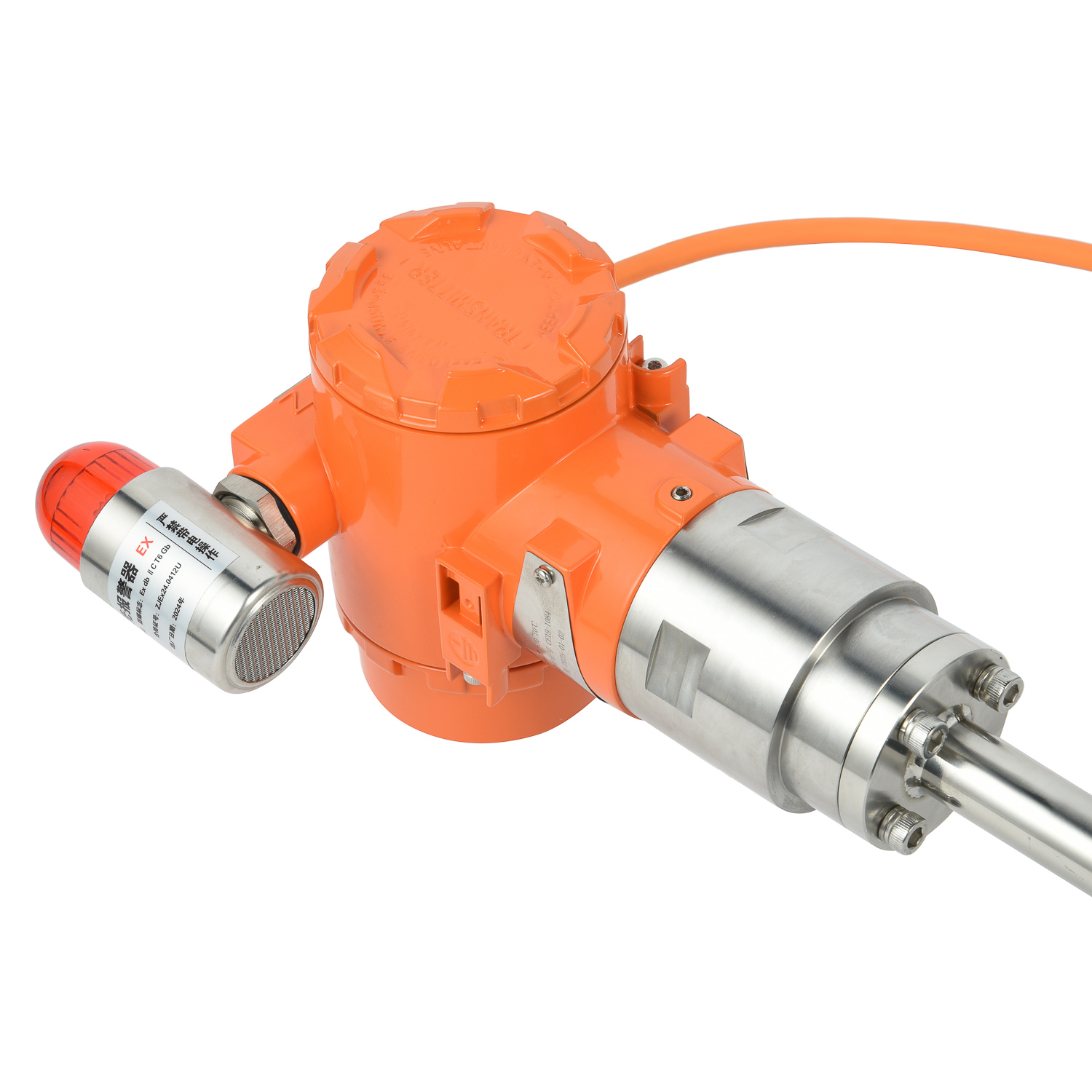
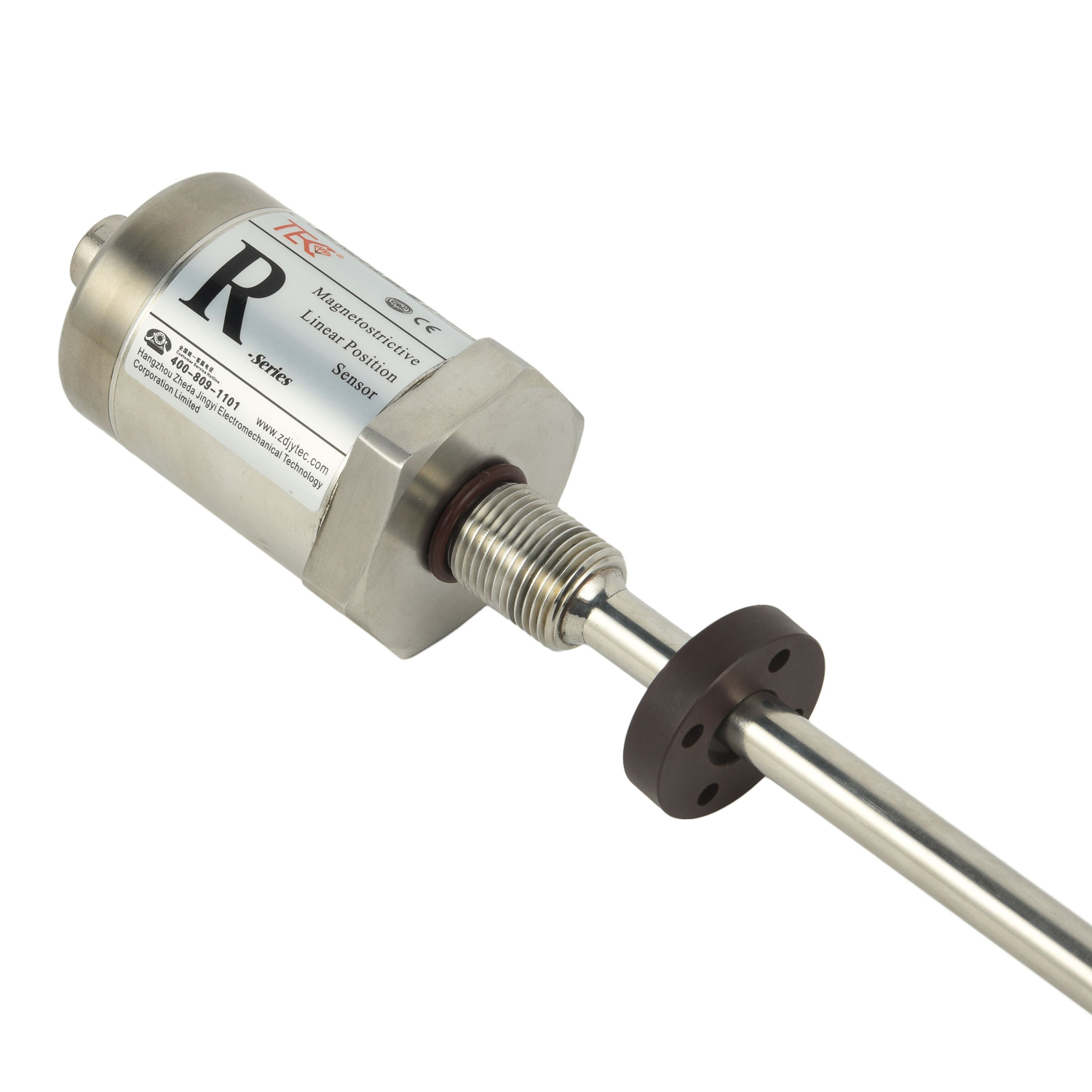
In industrial environments where reliability is non-negotiable, protection ratings become critical differentiators between equipment failure and sustained performance. The IP68 certification represents the pinnacle of environmental protection for magnetostrictive level gauges, ensuring these precision instruments can withstand conditions that would compromise ordinary sensors.
Understanding IP68 Certification Standards
The International Protection (IP) code, defined by IEC standard 60529, provides a clear classification system for electrical equipment enclosures. The first digit '6' indicates complete protection against dust ingress - no dust particles can penetrate the housing under vacuum conditions. The second digit '8' goes beyond basic water resistance, guaranteeing continuous submersion protection. While specific depth and duration parameters vary by manufacturer, IP68 typically ensures functionality at depths exceeding 1 meter for extended periods, with many industrial-grade magnetostrictive gauges rated for depths up to 3 meters continuously.
How IP68 Protection Enhances Magnetostrictive Gauge Performance
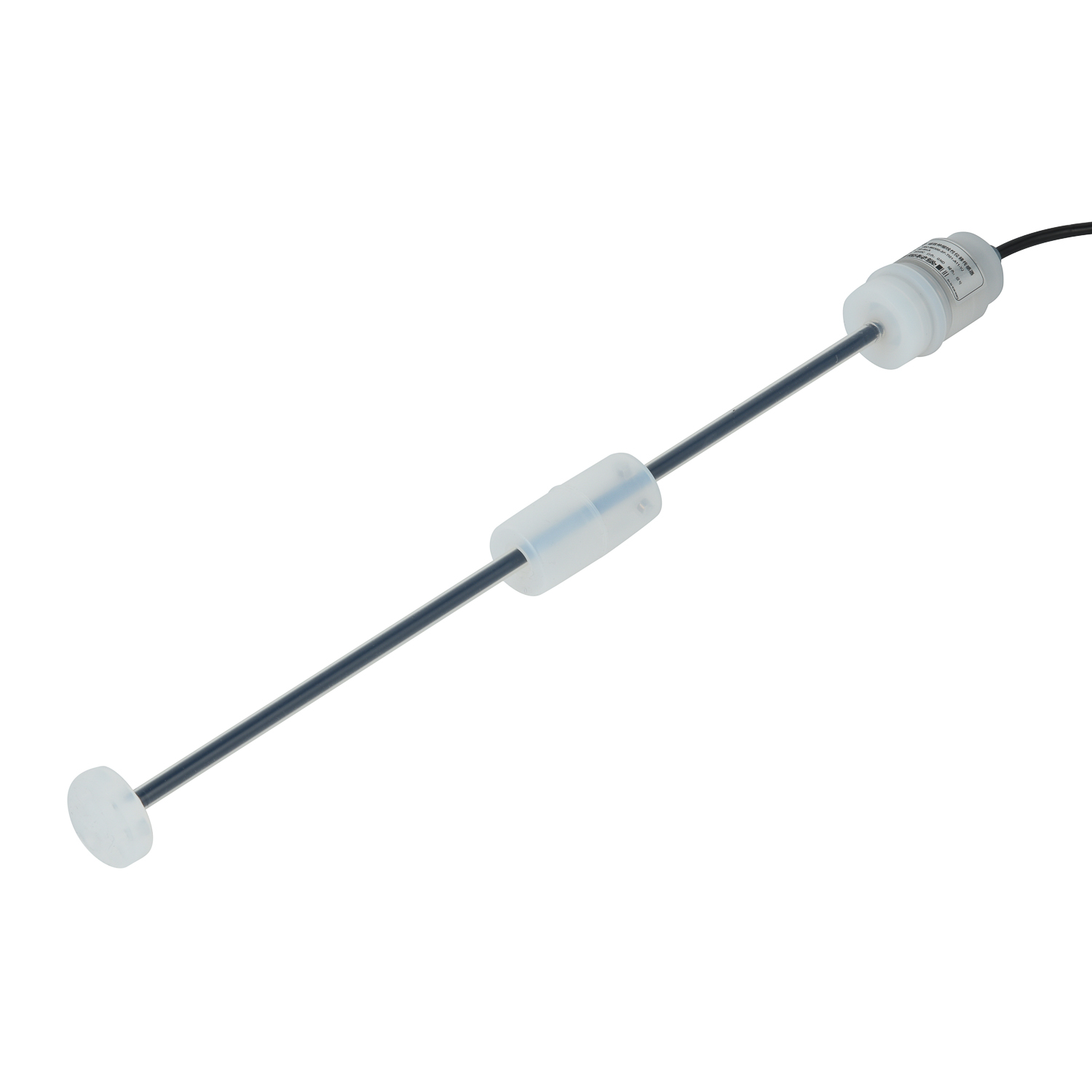
Magnetostrictive level gauges operate on precision timing measurements between a current pulse and torsion wave along a waveguide. Any contamination entering the housing can disrupt these sensitive measurements or cause complete failure. The IP68 rating ensures that the electronic components remain isolated from external contaminants, maintaining measurement accuracy better than ±0.05% of full scale. This protection is particularly crucial for the magnetic float's movement along the probe, where mineral deposits or corrosive elements could create friction or sticking points, leading to measurement drift or equipment failure.
Critical Applications Demanding IP68 Protection
Multiple industrial scenarios necessitate IP68-rated magnetostrictive level gauges. In chemical processing plants, where accidental tank overflows or washdown procedures occur regularly, the gauges must withstand complete immersion in aggressive chemicals. Wastewater treatment facilities require sensors that continue operating when submerged in aerated basins or during high-level events. Marine applications demand equipment that survives saltwater exposure and temporary submersion during vessel operations. Food and pharmaceutical industries benefit from IP68 protection during rigorous cleaning cycles where high-pressure, high-temperature cleaning solutions are routinely applied.
Installation and Maintenance Advantages
The robust construction of IP68 magnetostrictive level gauges significantly reduces maintenance frequency and costs. Unlike lower-rated instruments that require protective enclosures or special mounting considerations in wet environments, IP68 gauges can be installed directly in measurement locations without additional weatherproofing. This simplifies installation while providing peace of mind that temporary flooding, condensation, or direct spray won't compromise measurement integrity. The hermetic sealing also protects against humidity-related corrosion of internal components, extending service life in humid climates or temperature-cycling environments.
Comparing IP68 with Other Protection Ratings
While IP67 offers temporary immersion protection (typically 30 minutes at 1 meter), IP68 provides superior protection for permanent submersion scenarios. This distinction becomes critical in applications where water levels may rise above the gauge installation point for extended periods. Similarly, IP66-rated devices, while protected against powerful water jets, cannot withstand immersion scenarios. For magnetostrictive level gauges specifically, the IP68 rating ensures that both the electronics housing and the probe assembly maintain integrity during worst-case scenario flooding events.
Selection Criteria for IP68 Magnetostrictive Gauges
When specifying IP68-rated magnetostrictive level gauges, verify the manufacturer's testing parameters for depth and duration. Reputable manufacturers provide clear documentation of testing conditions that often exceed standard requirements. Consider the materials compatibility with your process media - while the IP68 rating protects the electronics, the wetted materials (probe and float) must still be compatible with your specific application. Additionally, confirm that cable entries and connection points maintain the IP68 rating when installed, as improper cable gland selection or installation can compromise the entire system's protection level.
Future-Proofing Your Measurement Systems
As industrial environments become more demanding and regulatory requirements tighten, investing in IP68-protected magnetostrictive level gauges provides long-term operational security. The marginal additional cost for IP68 protection is easily justified when compared to the expense of process downtime, product loss, or environmental incidents caused by instrument failure. Furthermore, as industries increasingly adopt predictive maintenance strategies, the reliability of IP68-protected sensors ensures consistent data collection for accurate system health monitoring and trend analysis.
 Graybus Cable Fault
 Field Application of Graybus C
 Model and Specification of Gra
 Import Substitute Graybus Cabl