
What's the rapid response mechanism of magnetostrictive level gauges?
In industrial process control and liquid level measurement applications, response time can be critical for system safety and efficiency. Magnetostrictive level gauges have earned their reputation for precision largely due to their exceptionally rapid response mechanism. Unlike traditional float-type gauges or slower technologies, these devices can detect level changes within milliseconds, making them indispensable in dynamic process environments where every second counts.
The Core Working Principle Behind the Speed
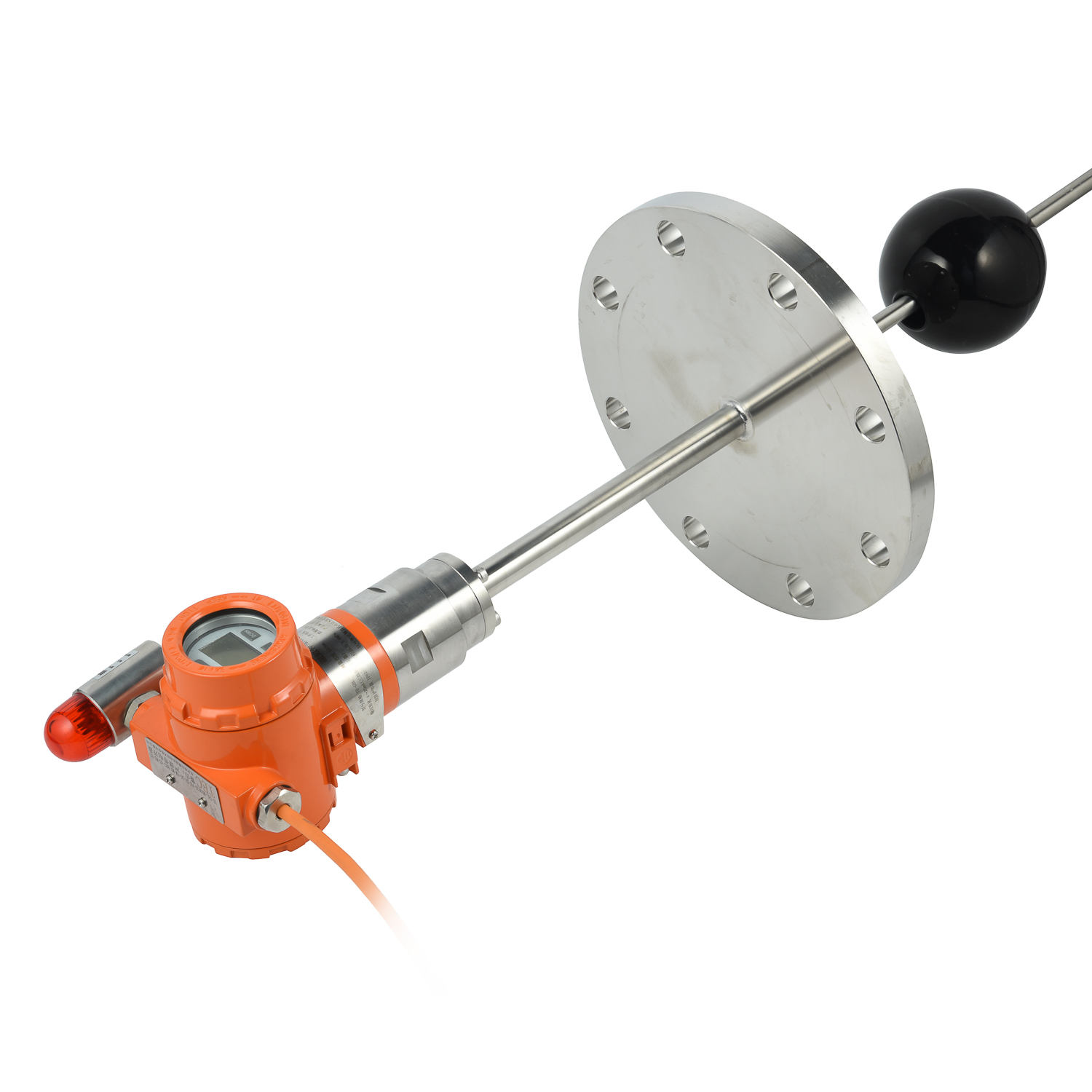
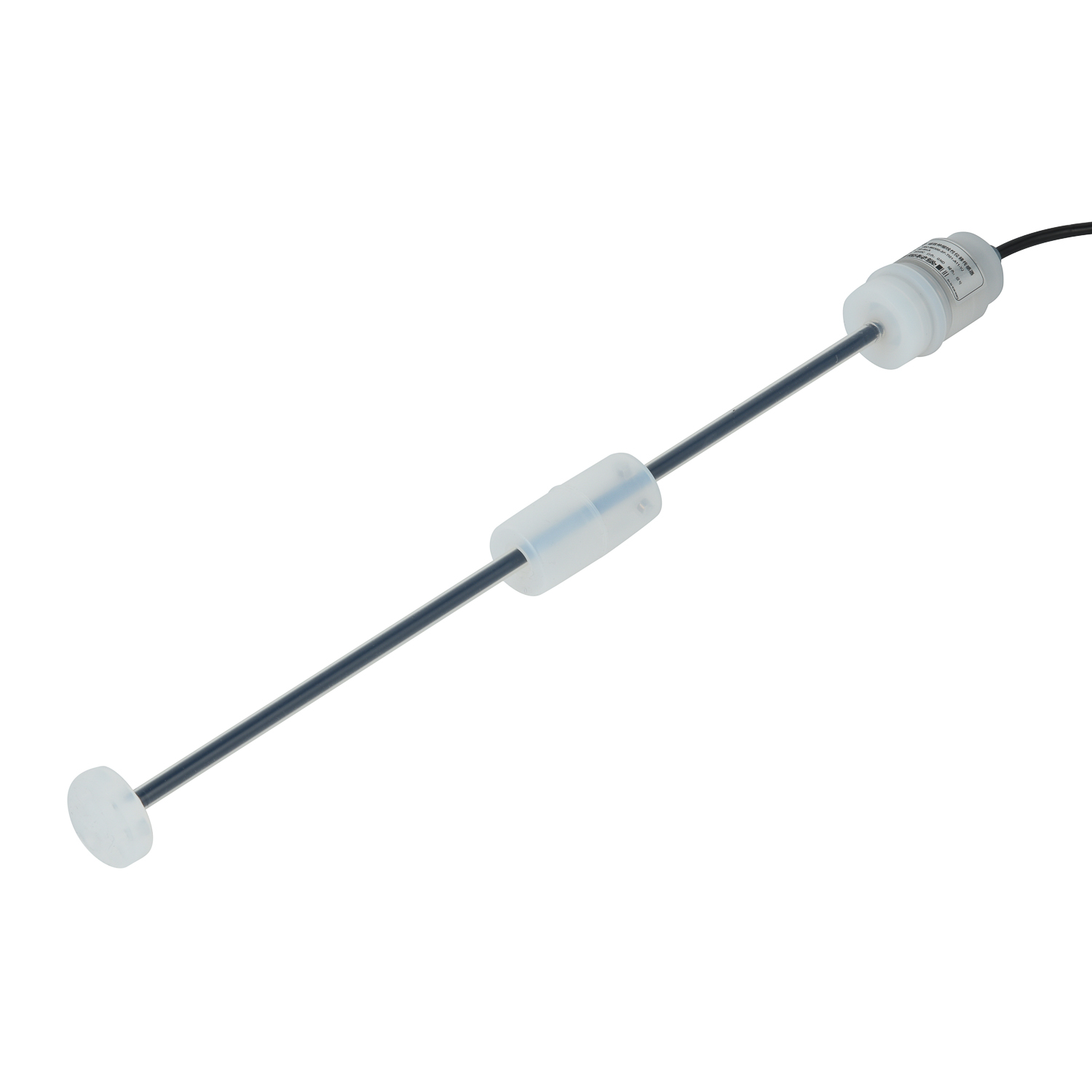
At the heart of every magnetostrictive level gauge lies a fundamentally fast physical principle. The device consists of three main components: a waveguide wire made of magnetostrictive material, a magnetic float that moves with the liquid level, and an electronic interrogator unit. When the electronics send a current pulse down the waveguide, it creates a circular magnetic field along its entire length. The magnetic float simultaneously creates its own magnetic field at the precise level position. Where these two fields intersect - at the float's location - the magnetostrictive effect occurs, generating a mechanical torsion wave in the waveguide. This wave travels back to the sensor head at the speed of sound through the waveguide material, where its arrival time is precisely measured to calculate the exact float position.
How Torsion Waves Enable Millisecond Response
The secret to the rapid response lies in the torsion wave propagation. Unlike mechanical linkages or pressure transmissions that can experience lag, the torsion wave travels through the solid waveguide material at approximately 2830 m/s in typical ferromagnetic materials. For a standard 2-meter tank height, the wave covers this distance in less than 0.7 milliseconds. The electronic detection and processing add minimal additional time, resulting in total response times typically under 10 milliseconds. This speed remains consistent regardless of tank height or liquid density, unlike pressure-based systems whose response slows with increasing vessel height.
Electronic Interrogation Cycle and Signal Processing
Modern magnetostrictive level gauges employ sophisticated electronic interrogation techniques that further enhance their responsiveness. The sensor head continuously sends current pulses at frequencies ranging from 10 to 100 times per second, creating a near-real-time measurement stream. Advanced signal processing algorithms immediately convert the time-of-flight measurements into precise level readings, filtering out noise while maintaining the speed advantage. This high sampling rate ensures that even rapid level changes are detected and reported without the lag associated with mechanical or hydrostatic systems.
Comparison with Other Level Measurement Technologies
When compared to other level measurement methods, magnetostrictive technology's speed advantage becomes evident. Hydrostatic pressure transmitters suffer from fluid inertia and damping effects that can slow response to several seconds. Radar and ultrasonic devices, while non-contact, require multiple echo samples for verification, introducing processing delays. Float switches and capacitance probes offer reasonable speed but lack the continuous measurement capability. Only magnetostrictive gauges combine continuous measurement with millisecond-level response times across the entire measurement range.
Applications Demanding Rapid Response
The rapid response capability of magnetostrictive level gauges makes them particularly valuable in specific industrial scenarios. In surge vessels and buffer tanks where levels change rapidly, they provide the timely data needed for control system intervention. For interface detection between immiscible liquids with similar densities, quick response prevents product mixing. In custody transfer applications and batch processes, their speed ensures precise batch cutoff points. High-speed filling systems, reactor level control, and safety shutdown systems all benefit from the nearly instantaneous feedback provided by magnetostrictive technology.
Factors Influencing Overall Response Time
While the fundamental technology offers exceptional speed, several factors can influence the overall response time in practical applications. The update rate of the output signal (4-20mA, HART, Fieldbus) may introduce minor delays depending on the communication protocol. The damping settings, often adjustable to filter process noise, can be optimized for either stability or speed. The float design itself must be properly selected for the specific gravity and viscosity of the medium to ensure it tracks level changes without lag. Proper installation away from turbulence and agitation sources also helps maintain the inherent speed advantages of the technology.
Future Developments in Response Speed
As industrial processes become increasingly dynamic, manufacturers continue to push the boundaries of response speed in magnetostrictive level gauges. Developments in waveguide materials with better magnetostrictive properties may further increase wave propagation speeds. Enhanced signal processing using FPGA technology allows for higher pulse repetition rates without sacrificing accuracy. Wireless versions now maintain the core speed advantage while adding communication flexibility. These ongoing improvements ensure that magnetostrictive level gauges will continue to set the standard for response speed in precision level measurement applications.
 Graybus Cable Fault
 Field Application of Graybus C
 Model and Specification of Gra
 Import Substitute Graybus Cabl