
How does the self-diagnostic function of magnetostrictive level gauges work?
Understanding Magnetostrictive Level Measurement Technology
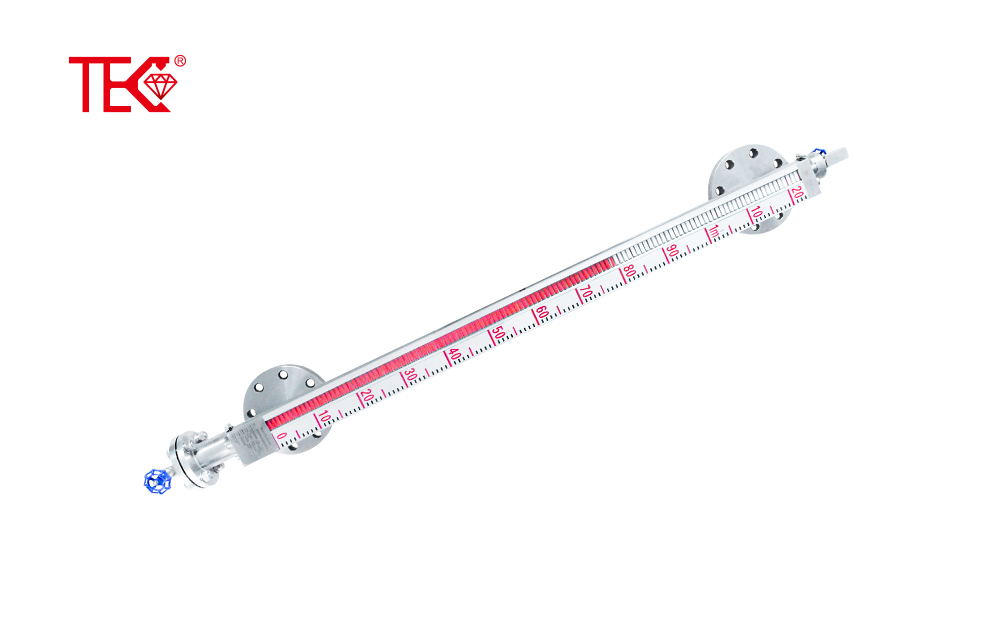
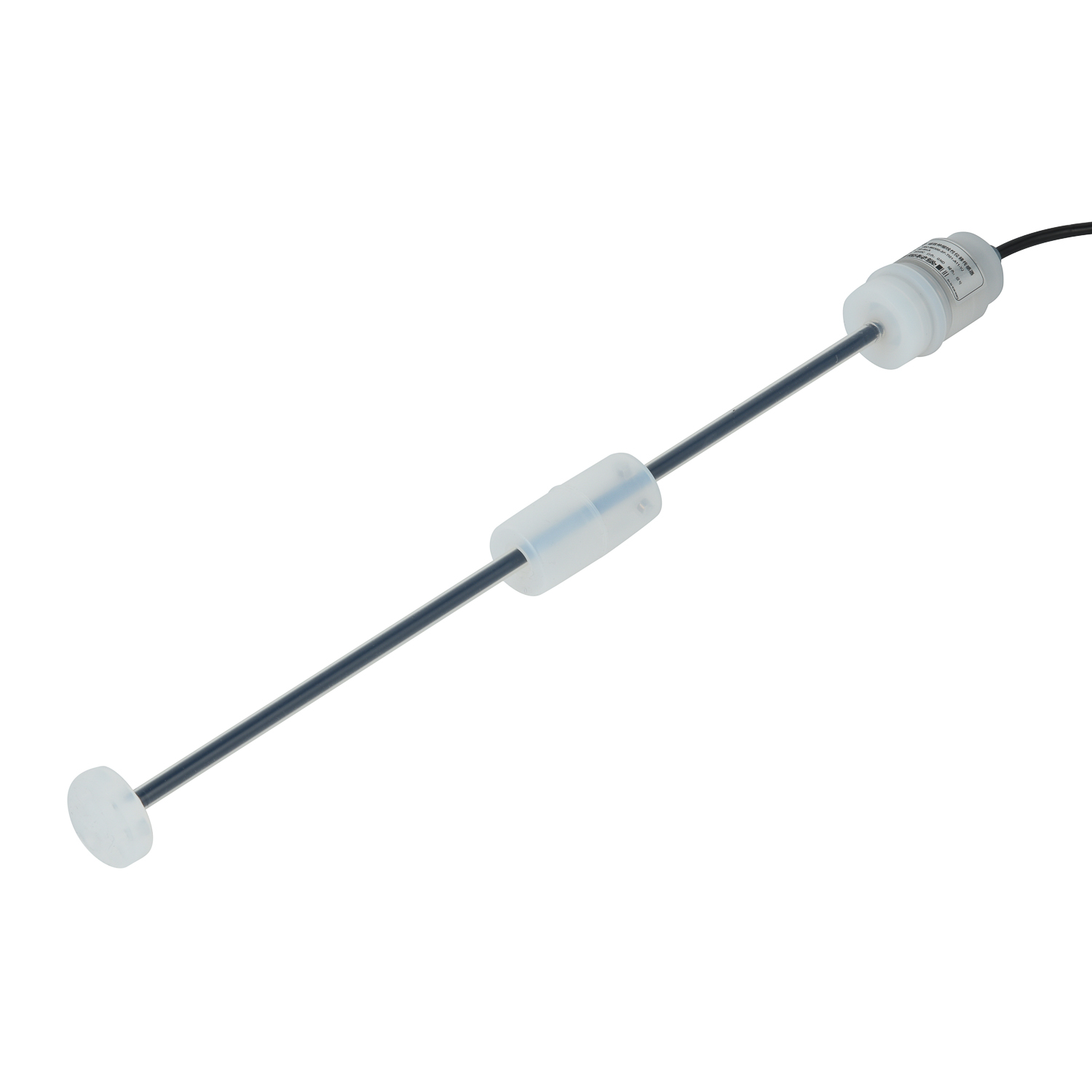
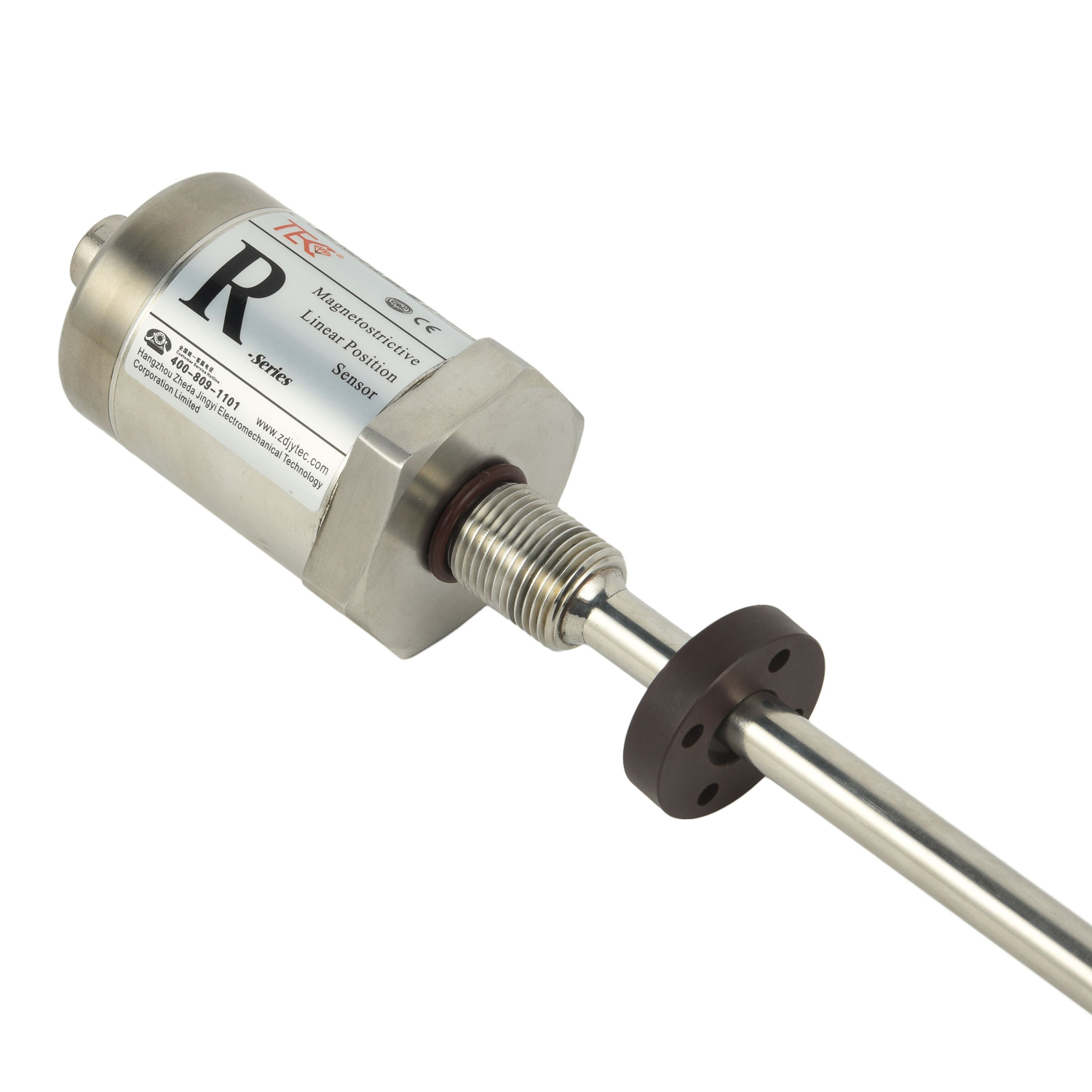
Magnetostrictive level gauges operate on a sophisticated principle that combines magnetic and mechanical interactions to deliver precise liquid level measurements. At the core of this technology lies a magnetostrictive wire or rod that serves as the sensing element. When a current pulse is sent through this wire, it interacts with a permanent magnet housed within the float that moves with the liquid level. This interaction creates a torsional stress wave that travels back along the wire at a known velocity. By precisely measuring the time interval between sending the current pulse and receiving the returning wave, the instrument accurately calculates the float's position and consequently the liquid level. This fundamental operating principle provides the foundation for the gauge's diagnostic capabilities, making it one of the most reliable level measurement solutions available for industrial applications.
The Architecture of Self-Diagnostic Systems
Modern magnetostrictive level gauges incorporate comprehensive self-diagnostic features through sophisticated electronic architecture. The system's brain consists of a microprocessor-based electronics module that continuously monitors various operational parameters. This includes tracking the signal strength, waveform characteristics, and response times of the magnetostrictive pulses. The diagnostic system also monitors power supply stability, temperature variations, and electronic component performance. Advanced models feature dual-processor designs where one processor handles routine measurement tasks while the second dedicates itself exclusively to diagnostic functions. This architectural approach ensures that potential issues can be identified before they affect measurement accuracy, providing users with proactive maintenance capabilities rather than reactive problem-solving.
Real-Time Fault Detection Mechanisms
The self-diagnostic function excels in real-time fault detection through continuous monitoring of critical operational parameters. The system constantly analyzes the returning torsional wave's characteristics, including amplitude, shape, and timing. Any deviation from established baselines triggers immediate diagnostic responses. For instance, if the system detects a weakened signal return, it might indicate float sticking or damage to the sensing element. Similarly, irregular pulse timing could suggest electronic component degradation. The diagnostic system employs sophisticated algorithms to distinguish between normal process variations and genuine fault conditions, minimizing false alarms while ensuring genuine issues receive immediate attention. This real-time monitoring extends to environmental factors as well, with temperature compensation and pressure effects being continuously evaluated and corrected.
Calibration Verification and Accuracy Maintenance
Self-diagnostic systems in magnetostrictive level gauges include comprehensive calibration verification protocols that ensure long-term measurement accuracy. The system automatically performs regular calibration checks by comparing current signal characteristics against factory-set reference values. Advanced diagnostic features can detect minute changes in the magnetostrictive wire's performance or float magnet strength that might affect calibration accuracy. Many instruments store calibration history and performance trends, allowing operators to track instrument behavior over time. The diagnostic system can alert users when calibration drift approaches predefined limits, enabling proactive maintenance scheduling. This capability is particularly valuable in applications requiring strict regulatory compliance or where measurement accuracy directly impacts product quality or process safety.
Diagnostic Output and Communication Protocols
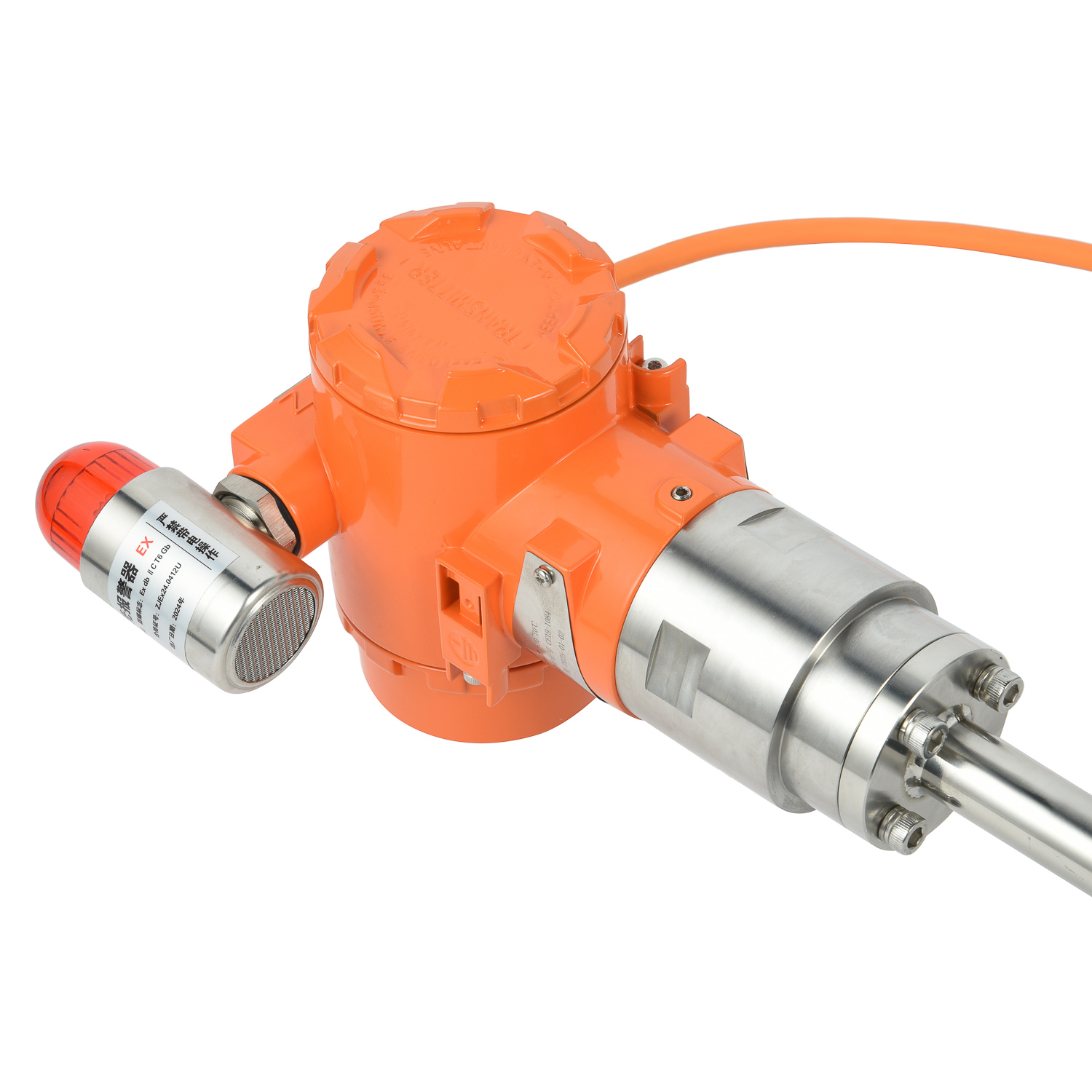
Modern magnetostrictive level gauges communicate diagnostic findings through multiple channels to ensure operators receive timely information about instrument health. Most instruments provide both local indications through display modules and remote communications via industry-standard protocols such as HART, Profibus, Foundation Fieldbus, or Modbus. The diagnostic information typically includes specific error codes, maintenance recommendations, and operational status reports. Advanced systems categorize faults by severity levels, distinguishing between critical failures requiring immediate attention and advisory messages suggesting future maintenance. Many instruments also feature predictive diagnostics that analyze performance trends to forecast potential future failures, allowing maintenance to be scheduled during planned shutdowns rather than reacting to unexpected instrument failures.
Benefits for Industrial Process Reliability
The implementation of robust self-diagnostic functions in magnetostrictive level gauges delivers significant benefits for industrial process reliability and maintenance efficiency. By providing early warning of potential issues, these systems help prevent unexpected downtime and maintain process continuity. The diagnostic capabilities reduce maintenance costs by enabling condition-based maintenance rather than fixed-interval replacements. Operators gain confidence in measurement validity, knowing the instrument continuously verifies its own performance. This proves particularly valuable in critical applications where level measurement directly impacts safety, environmental compliance, or product quality. The comprehensive diagnostic information also simplifies troubleshooting and reduces the need for specialized technical expertise during routine maintenance, making these instruments valuable assets in modern industrial automation systems.
 Graybus Cable Fault
 Field Application of Graybus C
 Model and Specification of Gra
 Import Substitute Graybus Cabl