
What's the critical role of magnetostrictive level gauges in nuclear plant safety monitoring?
In the high-stakes environment of nuclear power generation, every component must perform with absolute precision. Among these crucial elements, magnetostrictive level gauges stand out as vital instruments for maintaining operational safety and preventing potential disasters. These sophisticated devices provide the accurate liquid level measurements necessary for safe reactor operation, making them indispensable in nuclear safety systems.
Precision Measurement in Extreme Environments
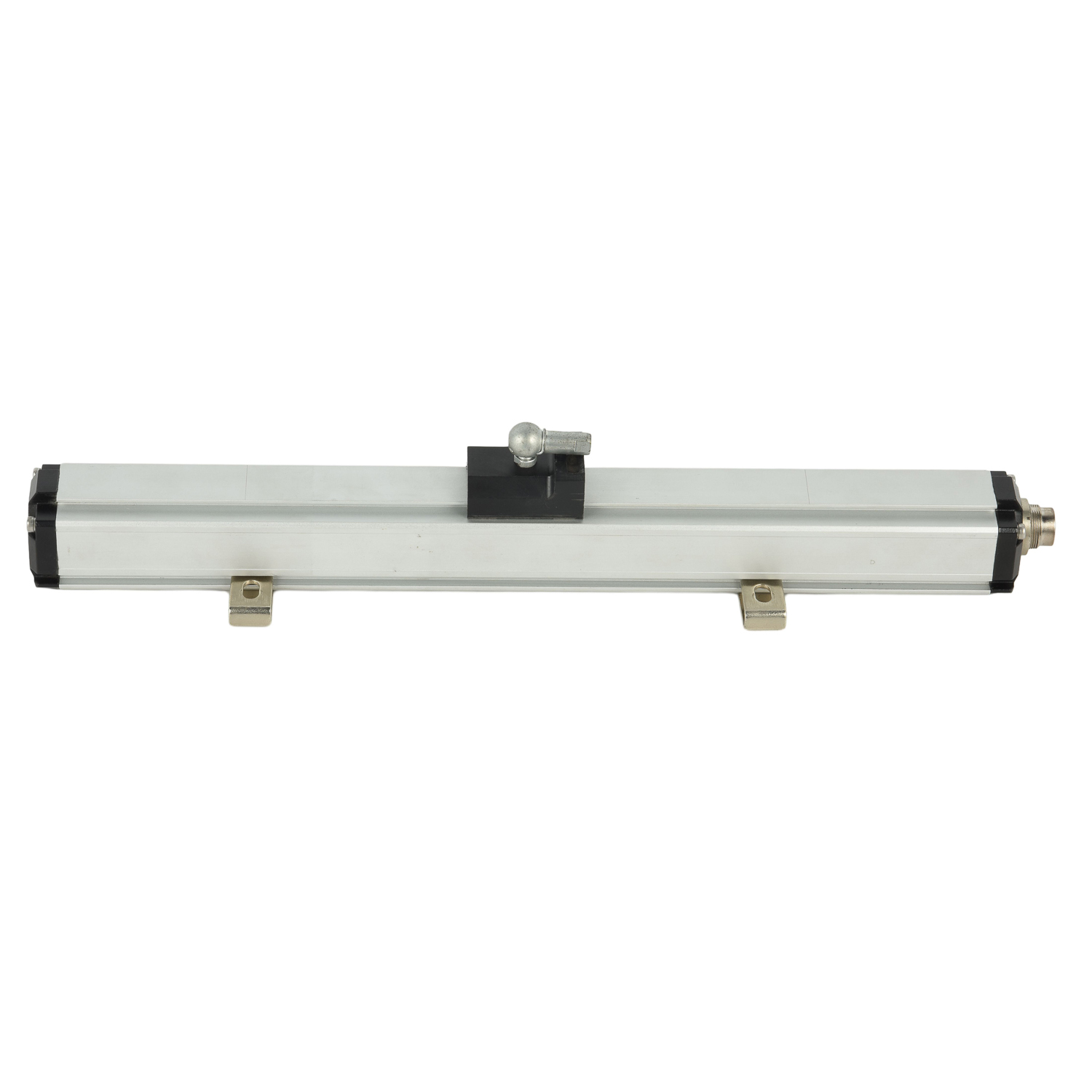
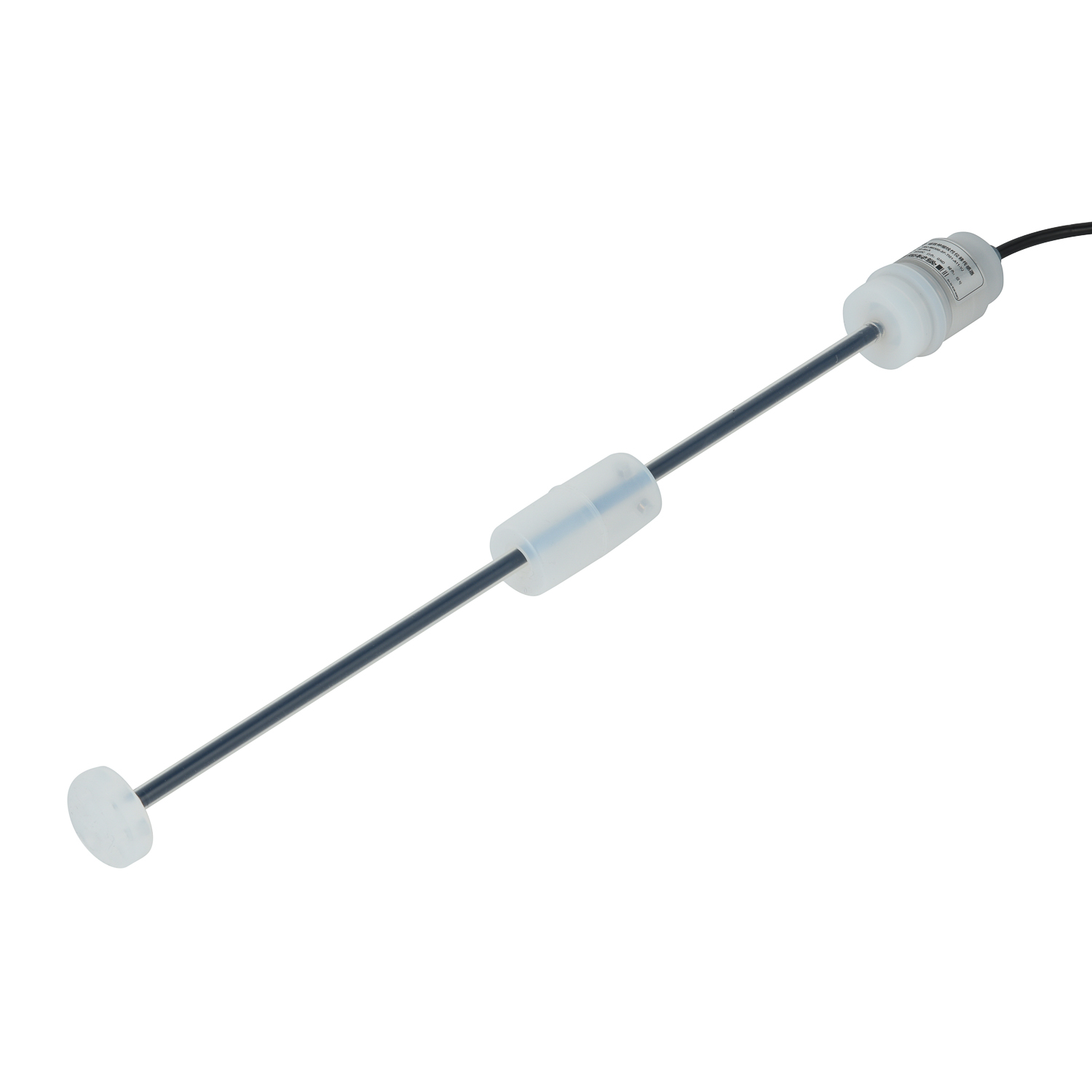
Nuclear power plants demand instrumentation that can withstand extreme conditions while delivering reliable data. Magnetostrictive level gauges excel in this environment through their unique operating principle. A magnetostrictive waveguide interacts with a permanent magnet float, precisely determining liquid levels by measuring the time delay of torsional waves. This technology maintains accuracy even under high temperature and pressure conditions typical in nuclear applications, ensuring continuous monitoring of critical fluids.
Core Safety Functions in Reactor Systems
The primary safety function of these gauges lies in monitoring reactor coolant levels. They track water levels in pressurizers and steam generators, crucial parameters for maintaining safe nuclear reactions. Additionally, they monitor emergency core cooling systems and backup water supplies, providing essential data during potential accident scenarios. This continuous monitoring helps operators maintain the reactor within safe operating parameters and initiates automatic safety systems when deviations occur.
Radiation Resistance and Reliability
Unlike conventional level measurement technologies, magnetostrictive gauges demonstrate exceptional resistance to radiation effects. Their design incorporates materials that maintain structural integrity and measurement accuracy despite prolonged exposure to ionizing radiation. This radiation-hardened characteristic ensures long-term reliability without degradation in performance, a crucial requirement in nuclear applications where equipment replacement poses significant challenges and risks.
Regulatory Compliance and Quality Assurance
Nuclear regulatory bodies worldwide mandate strict requirements for safety instrumentation. Magnetostrictive level gauges used in nuclear applications must meet rigorous qualification standards, including seismic testing, environmental qualification, and extended lifespan verification. Manufacturers subject these devices to comprehensive testing protocols that simulate decades of operation under worst-case accident conditions, ensuring they remain functional when most needed.
Advantages Over Alternative Technologies
When compared to other level measurement methods, magnetostrictive technology offers distinct benefits for nuclear applications. Their non-contact measurement principle eliminates mechanical wear issues, while providing superior accuracy and repeatability. The technology's immunity to fluid density changes and interface measurements between different liquids makes them particularly valuable for complex monitoring scenarios in nuclear power plants.
Integration with Safety Systems
These gauges don't operate in isolation but integrate seamlessly with the plant's overall safety architecture. They provide critical input to reactor protection systems, engineered safety features, and operator information systems. This integration enables automatic responses to abnormal conditions and supports operator decision-making during emergency situations, creating multiple layers of protection against potential accidents.
Maintenance and Testing Protocols
Regular maintenance and testing ensure continuous reliability of magnetostrictive level gauges in nuclear service. Plants implement strict calibration schedules and performance verification procedures. These protocols include comparison with redundant measurement systems, response time testing, and verification of alarm setpoints. Such rigorous maintenance practices guarantee that the gauges remain ready to perform their safety functions throughout their service life.
Future Developments and Enhancements
Ongoing research continues to improve magnetostrictive technology for nuclear applications. Developments include enhanced digital communication capabilities, improved diagnostics, and increased resistance to extreme environmental conditions. These advancements aim to provide even greater reliability and functionality while reducing maintenance requirements, contributing to the continuous improvement of nuclear safety worldwide.
The implementation of magnetostrictive level gauges represents a critical investment in nuclear safety infrastructure. Their proven performance and reliability make them an essential component in the defense-in-depth safety approach employed by nuclear power plants globally. As nuclear technology evolves, these precision instruments will continue to play their vital role in protecting both plant personnel and the surrounding environment.
 Graybus Cable Fault
 Field Application of Graybus C
 Model and Specification of Gra
 Import Substitute Graybus Cabl