
What's the application of magnetostrictive technology in smart irrigation level monitoring?
In the evolving landscape of modern agriculture, technological innovations continue to transform traditional farming practices. Among these advancements, magnetostrictive technology has emerged as a groundbreaking solution for irrigation management. This sophisticated approach to water level monitoring represents a significant leap forward in precision agriculture, offering unprecedented accuracy and reliability that surpasses conventional measurement methods.
Understanding Magnetostrictive Technology Fundamentals
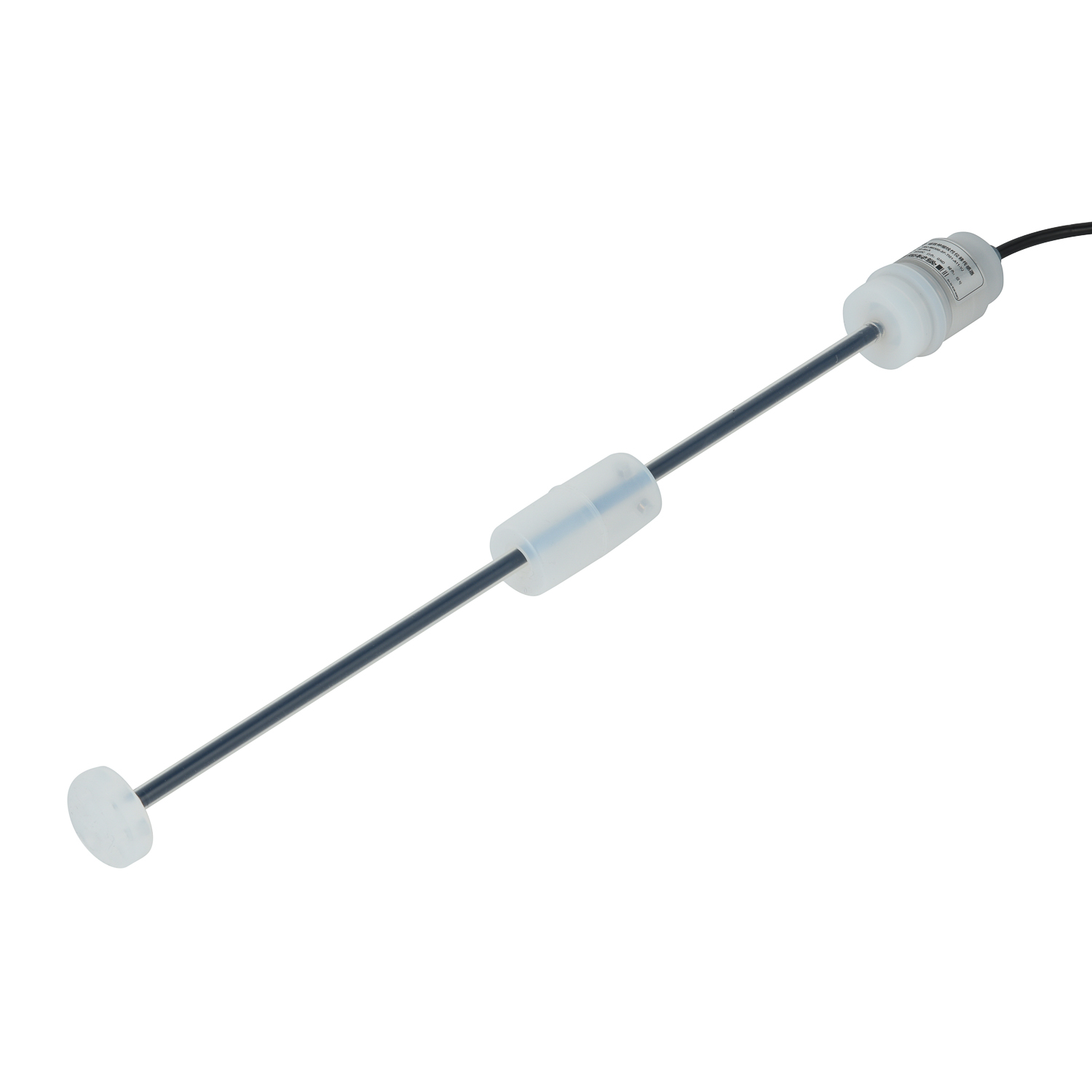
Magnetostrictive technology operates on the principle of magnetostriction, where certain materials change their shape or dimensions when subjected to a magnetic field. In water level monitoring applications, this technology utilizes a specialized sensor containing a magnetostrictive wire and a float with permanent magnets. When an electrical current pulse is sent through the wire, it generates a torsional stress wave that interacts with the magnetic field from the float. The time difference between the transmitted pulse and the returned wave provides highly accurate water level measurements, typically with precision levels reaching ±0.05% of full scale.
Superior Advantages for Irrigation Systems
The implementation of magnetostrictive technology in irrigation systems offers multiple distinct advantages that make it particularly suitable for agricultural applications. These sensors provide exceptional measurement accuracy, ensuring that farmers receive reliable data for making critical irrigation decisions. Their non-contact measurement principle eliminates mechanical wear, resulting in extended operational lifespan and reduced maintenance requirements. Furthermore, magnetostrictive sensors demonstrate remarkable resistance to environmental factors such as temperature variations, humidity changes, and chemical exposure commonly encountered in agricultural settings. The technology's immunity to foam, vapor, and liquid density variations ensures consistent performance across diverse irrigation scenarios.
Smart Irrigation Integration and Implementation
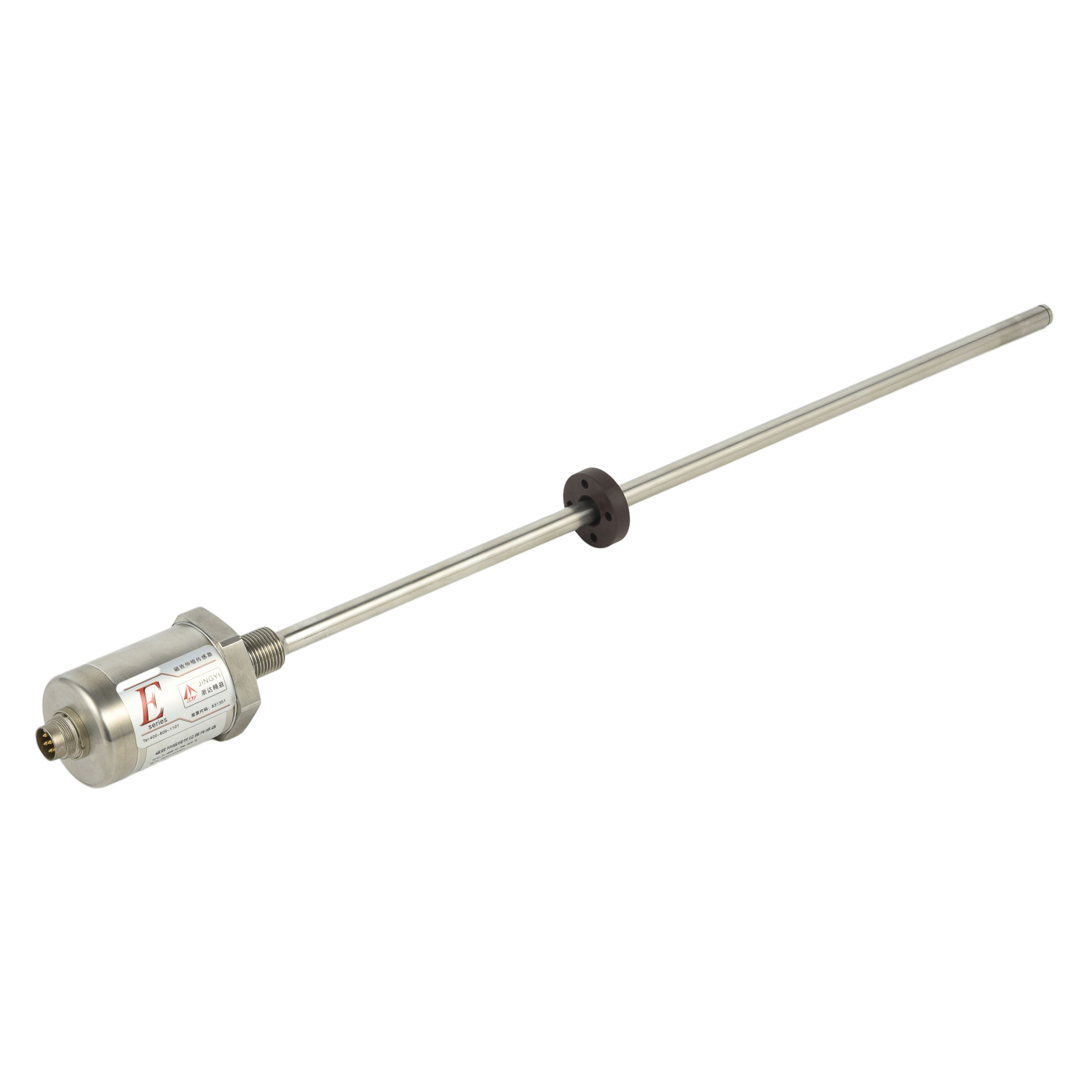
Integrating magnetostrictive level sensors into smart irrigation systems creates a comprehensive water management solution that optimizes resource utilization. These sensors seamlessly connect with central control systems through various communication protocols, including 4-20mA analog signals, HART protocol, or digital interfaces like Modbus. The real-time water level data enables automated control of irrigation pumps, valves, and distribution systems, ensuring precise water delivery based on actual reservoir levels and crop requirements. Modern implementations often incorporate wireless connectivity, allowing remote monitoring and control through web interfaces or mobile applications, thereby enhancing operational convenience and efficiency.
Practical Applications in Agricultural Water Management
Magnetostrictive technology finds diverse applications across various aspects of agricultural water management. In reservoir and storage tank monitoring, these sensors provide continuous level measurements for irrigation water storage facilities, enabling better water allocation planning. For open channel flow monitoring, they help regulate water distribution in irrigation canals and ditches. The technology also proves invaluable in groundwater monitoring wells, assisting in sustainable aquifer management by tracking water table fluctuations. Additionally, in precision irrigation systems, magnetostrictive sensors ensure proper functioning of fertigation equipment by monitoring chemical solution levels in mixing tanks.
Future Prospects and Technological Evolution
The future development of magnetostrictive technology in smart irrigation appears promising, with ongoing advancements focusing on enhanced connectivity and intelligence. Emerging trends include the integration of IoT capabilities for cloud-based data analytics and predictive maintenance features. Researchers are developing self-powered magnetostrictive sensors that harvest energy from environmental sources, eliminating the need for external power supplies. The technology is also evolving toward multi-parameter sensing capabilities, simultaneously measuring water level, temperature, and quality parameters. These innovations will further strengthen the role of magnetostrictive technology in creating sustainable, efficient, and intelligent irrigation ecosystems for modern agriculture.
Economic and Environmental Impact Assessment
The adoption of magnetostrictive technology in irrigation systems generates significant economic and environmental benefits. From an economic perspective, the precision offered by these systems reduces water consumption by 20-30%, directly translating to lower operational costs for farmers. The reduced energy consumption for water pumping and decreased fertilizer usage through precise application contribute additional savings. Environmentally, the technology supports sustainable water management practices by minimizing water waste and reducing agricultural runoff. The long-term reliability of magnetostrictive sensors decreases electronic waste generation, while the optimized water usage helps preserve local water resources and maintain ecological balance in agricultural regions.
 Graybus Cable Fault
 Field Application of Graybus C
 Model and Specification of Gra
 Import Substitute Graybus Cabl