
How to design ultra-long-life magnetostrictive level gauges?
Understanding Magnetostrictive Technology Fundamentals
Magnetostrictive level gauges operate on a sophisticated physical principle where a magnetic field interacts with a waveguide to generate precise position measurements. The core mechanism involves a ferromagnetic waveguide wire enclosed within a protective tube. When a current pulse passes through this waveguide, it creates a circular magnetic field. A permanent magnet housed in the float surrounding the waveguide produces its own magnetic field. The interaction between these fields generates a torsional stress wave that travels along the waveguide at ultrasonic speeds. This wave's travel time from initiation to detection accurately determines the float position, translating directly to level measurement. The non-contact measurement principle between the float and waveguide forms the foundation for achieving exceptional operational longevity and reliability in demanding industrial environments.
Selecting Superior Materials for Maximum Durability
Material selection represents the cornerstone of designing ultra-long-life magnetostrictive level gauges. The waveguide, typically made from specialized ferromagnetic alloys like FeCo or Ni-Fe compounds, must exhibit excellent magnetostrictive properties while resisting corrosion and mechanical fatigue. For the float magnets, samarium-cobalt or neodymium-iron-boron compounds provide stable magnetic fields over extended periods despite temperature fluctuations. The protective probe tube demands materials compatible with process media – 316L stainless steel handles most applications, while Hastelloy C-276 or titanium serve corrosive environments. All seals and O-rings should utilize perfluoroelastomer or FFKM materials capable of withstanding extreme temperatures and aggressive chemicals. These material choices ensure the gauge maintains measurement integrity throughout its operational lifespan.
Optimizing Electronic Components for Long-Term Stability
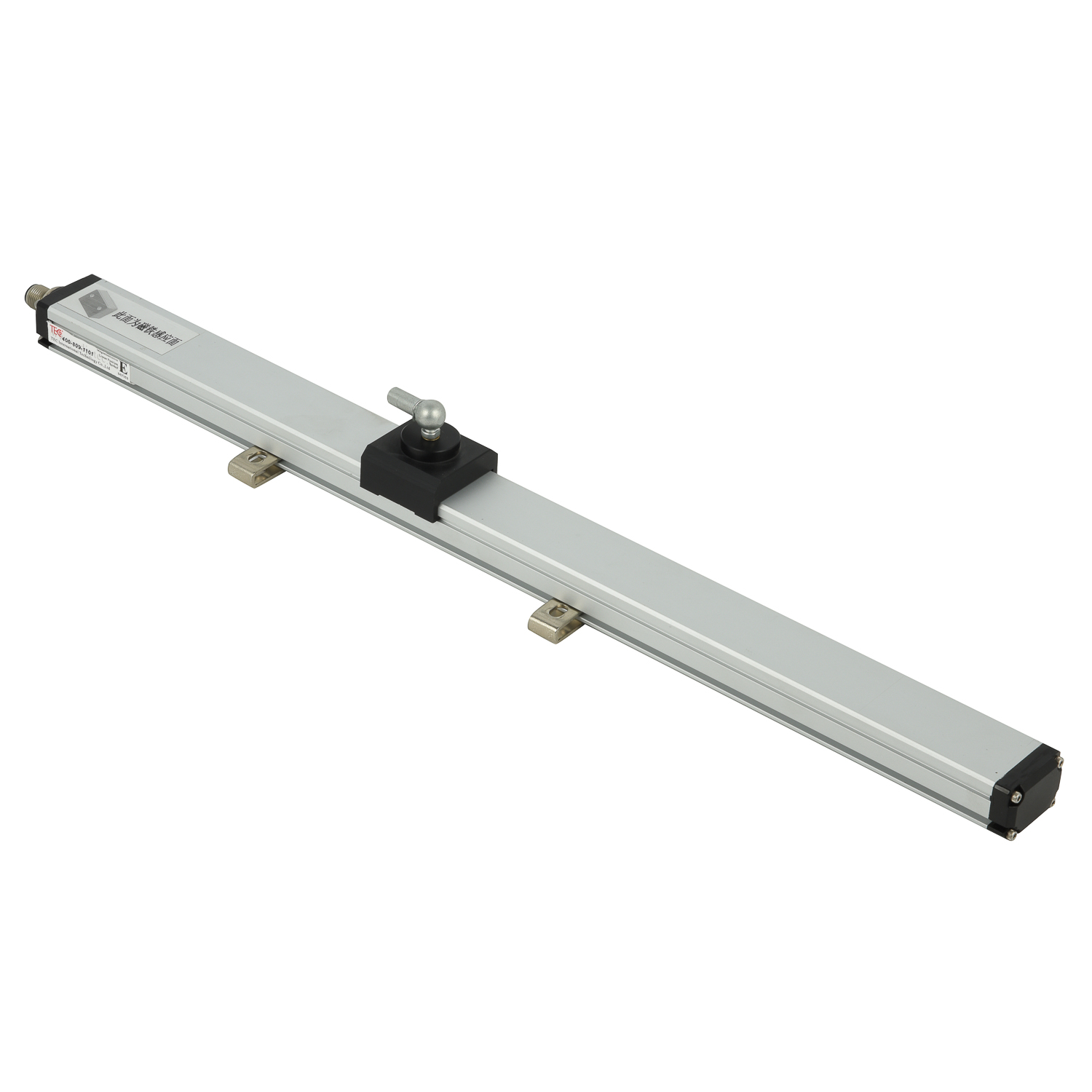
The electronic components governing signal processing and transmission require meticulous engineering for sustained performance. Implementing temperature-compensated crystal oscillators (TCXOs) ensures timing circuit stability across operational temperature ranges. Redundant microprocessors with error-correcting memory provide computational reliability, while surge protection devices safeguard against voltage spikes. Low-power consumption designs incorporating sleep modes between measurement cycles reduce thermal stress on electronic components. Utilizing industrial-grade capacitors with rated lifespans exceeding 100,000 hours and conformal coating on circuit boards protect against moisture and contamination. These electronic optimization strategies significantly contribute to the gauge's operational longevity and measurement consistency.
Implementing Advanced Signal Processing Algorithms
Sophisticated signal processing represents a critical differentiator in achieving both accuracy and extended service life. Digital signal processors (DSPs) running adaptive filtering algorithms effectively distinguish the returning torsional wave from electrical noise and mechanical vibrations. Self-calibration routines automatically compensate for component aging by adjusting baseline parameters during operation. Advanced diagnostics continuously monitor signal strength, float integrity, and electronic health, providing early warnings of potential issues. Signal averaging techniques improve measurement resolution while filtering out transient disturbances. These processing capabilities not only enhance measurement precision but also prevent false readings that could lead to unnecessary maintenance or premature component replacement.
Designing Robust Mechanical Structures
The mechanical architecture must withstand continuous operation in challenging industrial settings. The probe assembly requires precise alignment between the waveguide and protective tube to prevent friction-induced wear on the float. Pressure-balanced designs equalize internal and external pressures to minimize stress on sealed components. Float geometries optimized for specific gravity ranges ensure consistent magnetic coupling while resisting buildup of process materials. Vibration damping elements integrated at mounting points protect internal components from mechanical fatigue. All wetted parts should feature polished surfaces and continuous welds to prevent crevice corrosion and material accumulation. These mechanical considerations directly impact the gauge's ability to maintain performance through years of continuous operation.
Ensuring Proper Installation and Calibration Procedures
Correct installation and calibration practices significantly influence the long-term performance of magnetostrictive level gauges. Installation must maintain proper clearance between the probe and tank walls to prevent mechanical damage while ensuring the float moves freely throughout its range. Grounding the gauge according to manufacturer specifications prevents electrical interference that could degrade signal quality. Initial calibration should establish accurate zero and span points under normal operating conditions, with verification performed after process stabilization. Using laser alignment tools during installation ensures vertical orientation critical for measurement accuracy. Proper mounting flange torque specifications prevent stress concentration that could lead to mechanical failure. These installation protocols establish the foundation for reliable long-term operation.
Implementing Predictive Maintenance Strategies
Proactive maintenance approaches maximize operational lifespan through continuous performance monitoring. Advanced diagnostics track key parameters including signal strength, response time, and temperature compensation efficiency. Establishing baseline performance metrics during commissioning enables detection of gradual degradation before it affects measurement accuracy. Regular verification against master gauges or manual measurements identifies calibration drift early. Monitoring the rate of change in diagnostic parameters helps predict component failure, allowing planned maintenance during scheduled shutdowns. Thermal imaging during operation identifies abnormal heating patterns in electronic components. These predictive strategies transform maintenance from reactive to proactive, significantly extending the gauge's service life while maintaining measurement integrity.
Validating Performance Through Accelerated Life Testing
Comprehensive testing protocols verify design longevity before field deployment. Accelerated life testing subjects prototypes to extreme conditions including thermal cycling between -40°C and 85°C, vibration profiles simulating decades of operation, and prolonged exposure to aggressive media. HALT (Highly Accelerated Life Testing) identifies design weaknesses by applying stresses beyond specified limits. Continuous operation testing runs units through millions of measurement cycles to validate mechanical and electronic endurance. Corrosion testing evaluates material compatibility with process media over extended periods. These rigorous validation procedures ensure the designed magnetostrictive level gauge will deliver reliable performance throughout its intended service life in industrial environments.
 Graybus Cable Fault
 Field Application of Graybus C
 Model and Specification of Gra
 Import Substitute Graybus Cabl