
What innovations exist in lightning protection design for magnetostrictive level gauges?
In industrial settings where precise level measurement is critical, magnetostrictive level gauges have become indispensable instruments. These sophisticated devices provide accurate continuous level monitoring for various liquids in storage tanks and process vessels. However, their electronic components and long probe assemblies make them particularly vulnerable to lightning-induced surges and electromagnetic interference. When lightning strikes near industrial facilities, it can generate massive voltage spikes that travel through power lines, signal cables, and even metallic structures. These transient overvoltages can damage sensitive electronics in level gauges, leading to measurement inaccuracies, equipment failure, or complete system breakdown. The consequences extend beyond equipment replacement costs to include production downtime, safety hazards, and potential environmental incidents. Understanding these vulnerabilities is the first step toward implementing effective protection strategies that ensure operational continuity and measurement reliability.
Intrinsically Safe Barriers and Isolation Technology
Modern magnetostrictive level gauges incorporate intrinsically safe (IS) barriers as a fundamental lightning protection measure. These specialized electronic devices limit the electrical energy available in hazardous areas to levels below what's required to ignite specific atmospheric mixtures. By placing IS barriers between the safe area (control room) and hazardous area (field installation), manufacturers ensure that even under fault conditions, any spark or thermal effect remains non-incendiary. This approach provides dual benefits: it enhances safety in potentially explosive environments while simultaneously protecting the gauge electronics from power surges. The isolation technology works by creating a galvanic separation between the field device and control system, preventing ground loops and blocking the path for surge propagation. Advanced optical isolators and transformer-based isolation modules can withstand common-mode voltages up to 6000V, effectively breaking the path for lightning-induced currents while maintaining signal integrity.
Advanced Surge Protection Devices (SPDs)
Surge Protection Devices represent the frontline defense against lightning-induced transients in magnetostrictive level gauge systems. Modern SPDs are specifically engineered to handle the unique characteristics of level measurement signals while providing robust overvoltage protection. These devices employ multi-stage protection architecture, typically combining gas discharge tubes, metal oxide varistors, and transient voltage suppression diodes. This configuration ensures rapid response times (nanosecond range) and high current-handling capacity (up to 20kA). For magnetostrictive gauges, SPDs are installed at critical interfaces: power supply lines, communication ports (4-20mA, HART, Foundation Fieldbus), and sometimes directly at the probe termination points. The latest innovations include smart SPDs with remote monitoring capabilities that can alert maintenance teams about protection status and cumulative surge events. Some advanced models feature thermal disconnectors that automatically isolate degraded protection elements while maintaining circuit continuity, ensuring uninterrupted level measurement during protection component failure.
Comprehensive Grounding and Bonding Systems
A robust grounding system forms the foundation of effective lightning protection for magnetostrictive level gauges. Proper grounding involves creating a low-impedance path to earth that safely dissipates lightning energy away from sensitive electronics. For level gauge installations, this requires establishing a unified grounding grid that interconnects the tank structure, gauge housing, cable shields, and surge protection devices. Modern approaches utilize copper-clad steel ground rods driven deep into high-conductivity soil layers, combined with ground enhancement materials that improve soil conductivity around the grounding system. Bonding practices ensure all metallic components maintain equal potential during lightning events, preventing dangerous potential differences that could cause side-flashing. Advanced installations employ frequency-selective grounding systems that present low impedance to lightning frequencies while maintaining high impedance to power frequencies, effectively steering surge currents away from electronic equipment. Regular ground resistance testing and continuous monitoring ensure the grounding system maintains its protective effectiveness throughout the equipment lifecycle.
Enhanced Shielding and Cable Management
The interconnecting cables between magnetostrictive level gauges and control systems often act as entry points for lightning-induced surges. Implementing comprehensive shielding and proper cable routing significantly reduces this vulnerability. Modern installations use double-shielded cables with both aluminum foil and braided copper shields, providing over 95% coverage against electromagnetic interference. The outer shield is typically grounded at both ends through surge protection devices, while the inner shield is grounded at one end only to prevent ground loops. Cable routing follows strict separation guidelines, maintaining minimum distances from power cables and lightning protection system down-conductors. In high-risk areas, cables are run through grounded metallic conduits or cable trays that provide additional shielding. For above-ground installations, cables are routed along the equipotential bonding network to minimize loop areas that could capture electromagnetic energy from nearby lightning strikes. Advanced installations may include surge-protected cable junction boxes at regular intervals, particularly where cables transition between different zones of lightning protection.
Explosion-Proof Enclosures and Environmental Sealing
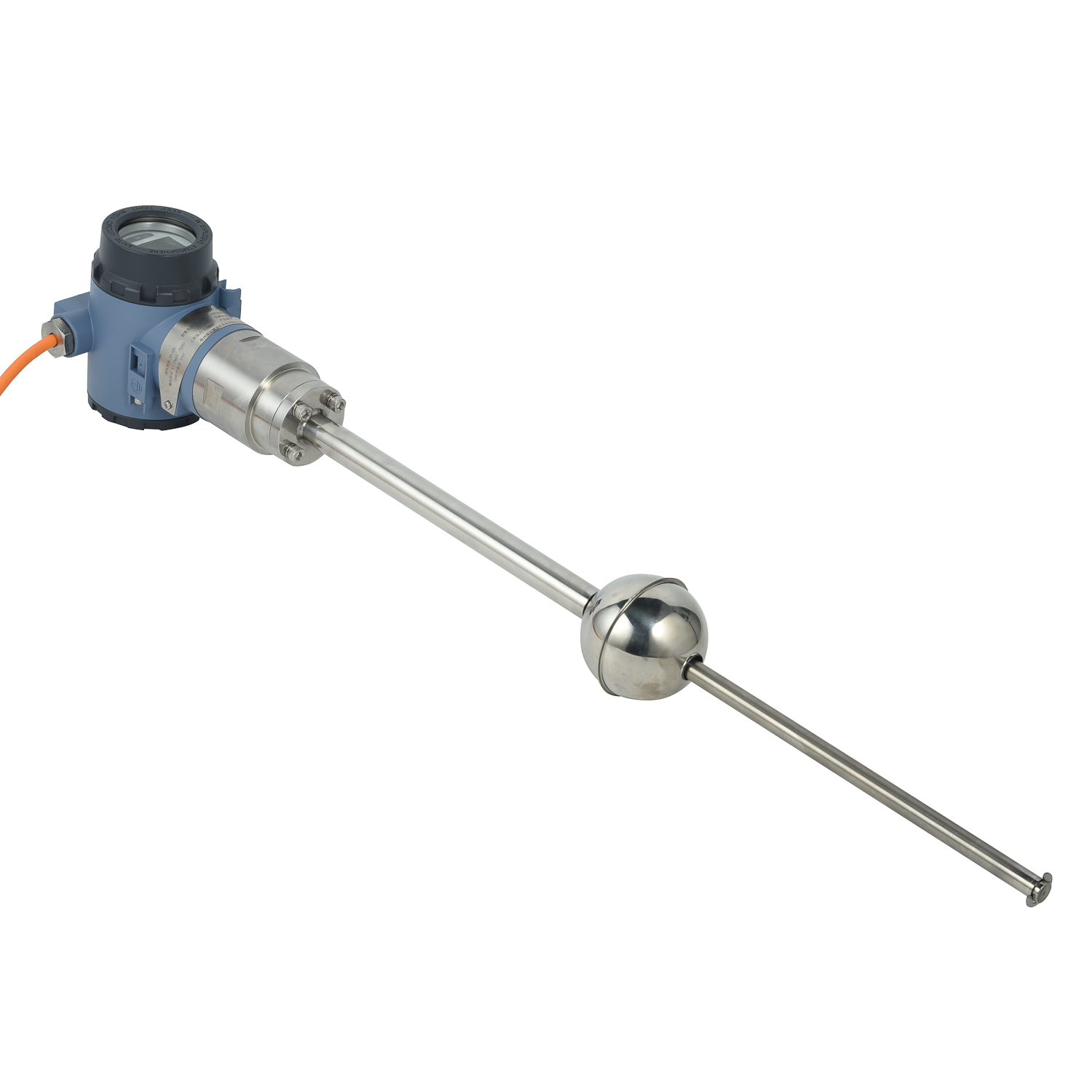
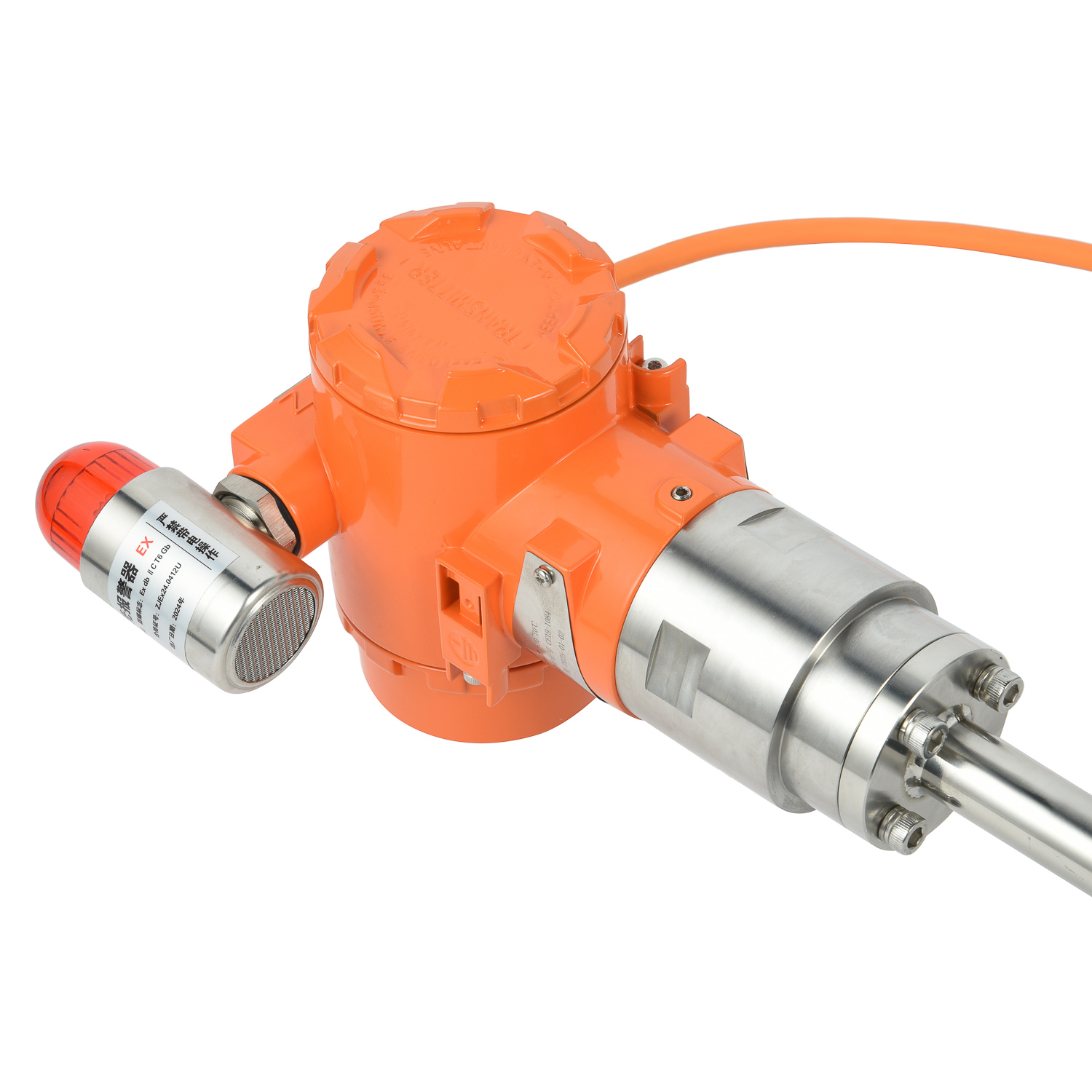
Magnetostrictive level gauges installed in hazardous areas require explosion-proof enclosures that also contribute to lightning protection. These specialized enclosures are designed to withstand internal explosions without allowing flames or hot gases to escape and ignite the surrounding atmosphere. The same robust construction provides excellent electromagnetic shielding against lightning-induced electromagnetic pulses (LEMP). Modern explosion-proof enclosures feature labyrinth-style flame paths, heavy-duty cast aluminum or stainless steel construction, and corrosion-resistant coatings that maintain integrity in harsh industrial environments. Environmental sealing using multiple gasket layers and potting compounds for electronic compartments prevents moisture ingress, which could otherwise create secondary surge paths during lightning events. Some advanced designs incorporate Faraday cage principles, with continuous conductive gasketing around enclosure doors and cable entry points, effectively blocking electromagnetic interference from nearby lightning strikes while maintaining explosion-proof integrity.
Smart Monitoring and Predictive Maintenance Integration
The latest innovation in lightning protection for magnetostrictive level gauges involves integrating smart monitoring capabilities that predict and prevent lightning-related failures. Advanced gauges now include built-in surge counters and transient recorders that log surge events, capturing details about magnitude, duration, and waveform characteristics. This data, combined with weather prediction information and lightning detection networks, enables predictive maintenance strategies. When a lightning storm approaches, the system can automatically initiate protective measures such as temporarily switching to redundant measurement systems or increasing data backup frequency. Following a lightning event, the system performs self-diagnostics to detect any performance degradation and alerts maintenance personnel about necessary inspections or component replacements. Some systems even incorporate machine learning algorithms that analyze historical surge data and equipment performance to optimize protection settings and predict remaining useful life of surge protection components, transforming lightning protection from a reactive to a proactive discipline.
 Graybus Cable Fault
 Field Application of Graybus C
 Model and Specification of Gra
 Import Substitute Graybus Cabl