
How do magnetostrictive level gauges handle violently fluctuating liquid surfaces?
In industrial processes where liquid surfaces experience violent fluctuations, accurate level measurement becomes particularly challenging. Traditional measurement methods often fail to provide reliable data under such demanding conditions, leading to process inefficiencies and potential safety concerns. This is where magnetostrictive level gauges demonstrate their remarkable capabilities, offering precise measurements even in the most turbulent environments.
Understanding Magnetostrictive Technology Fundamentals
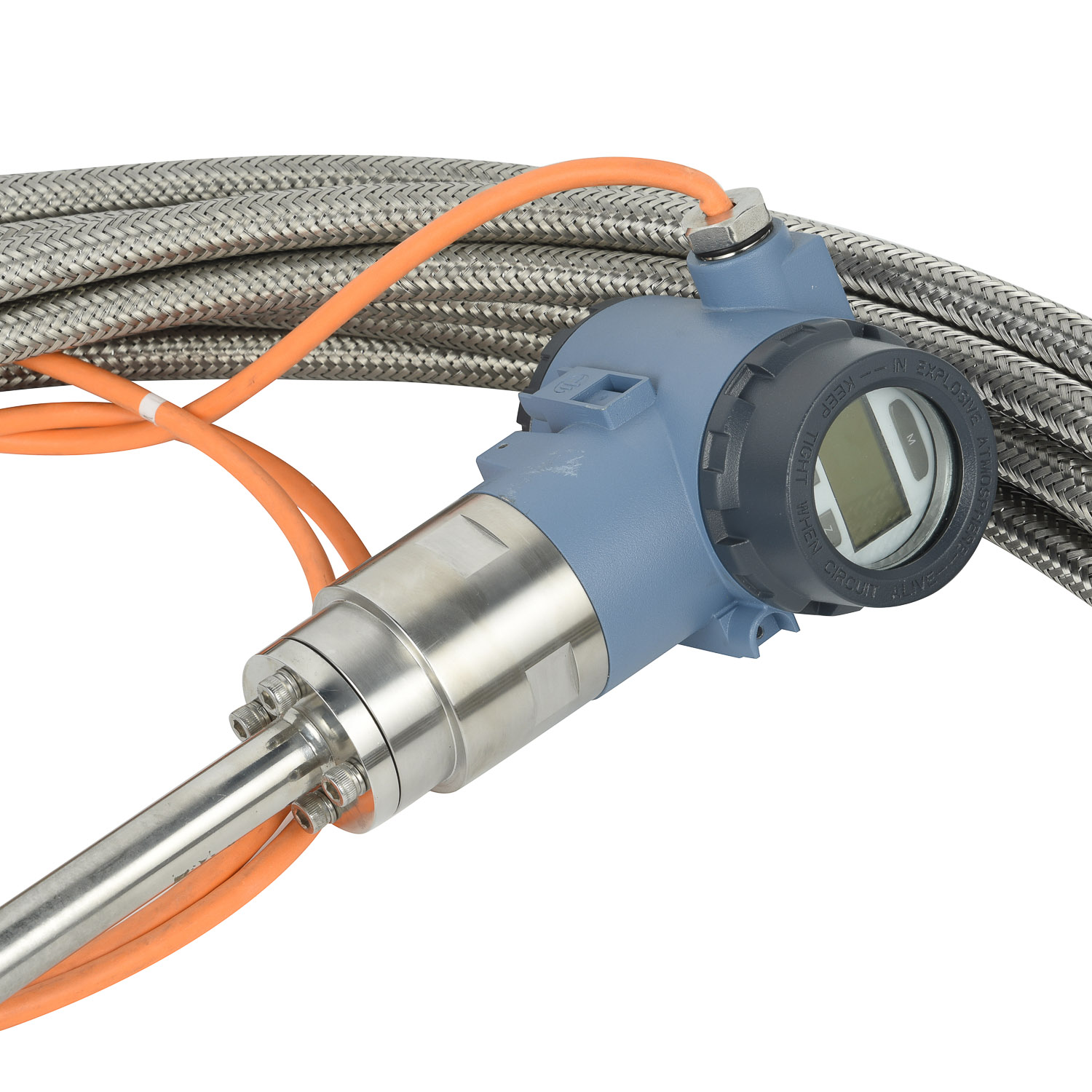
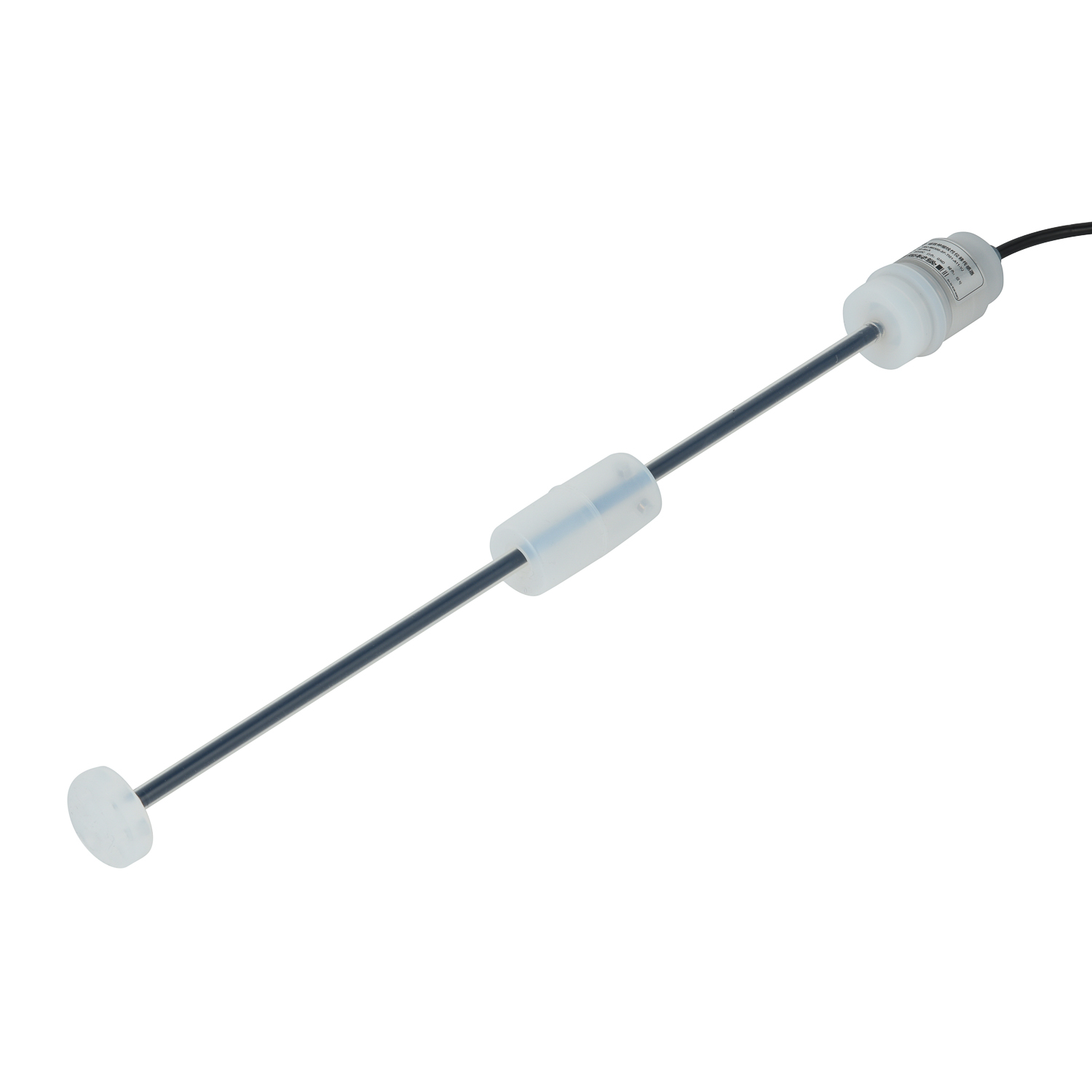
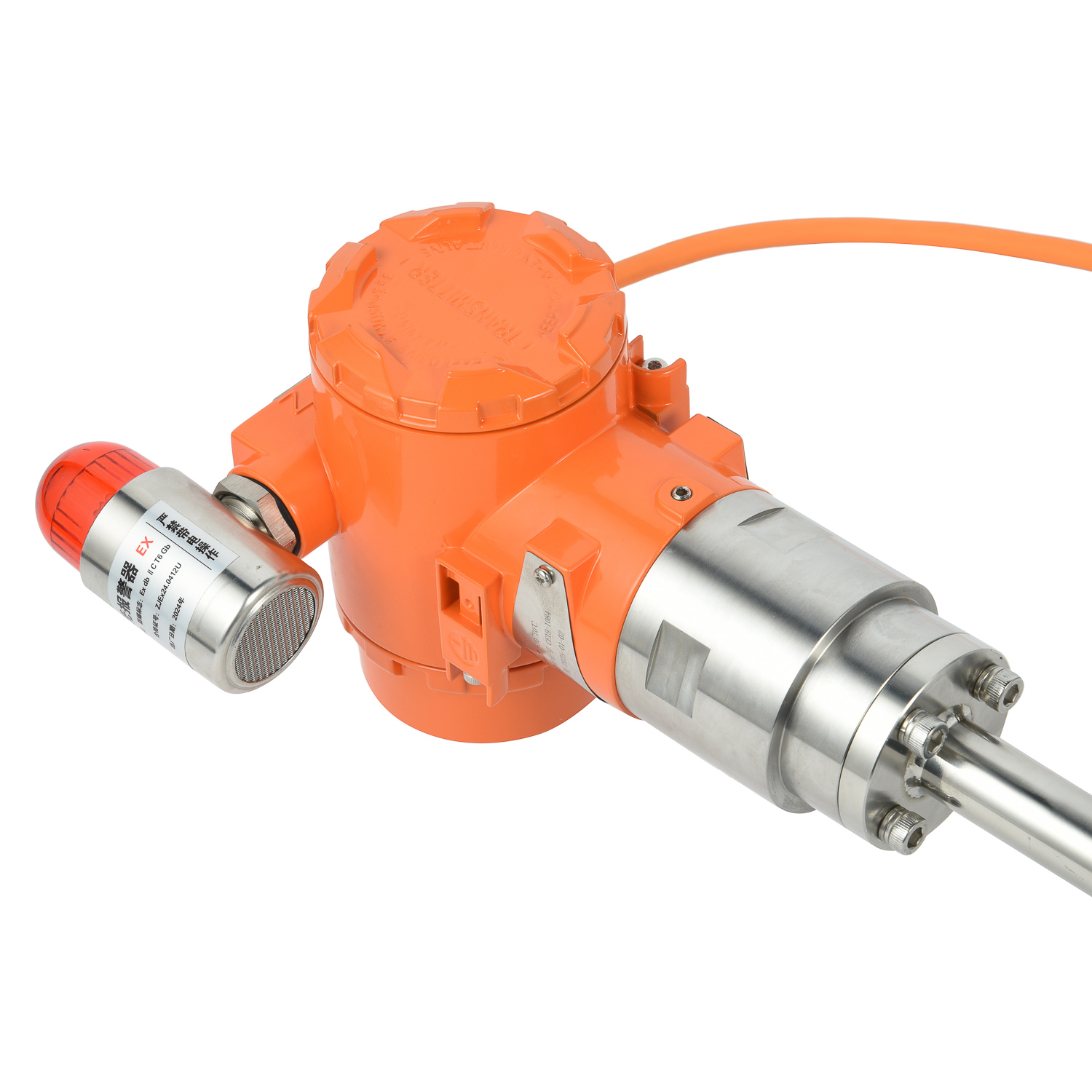
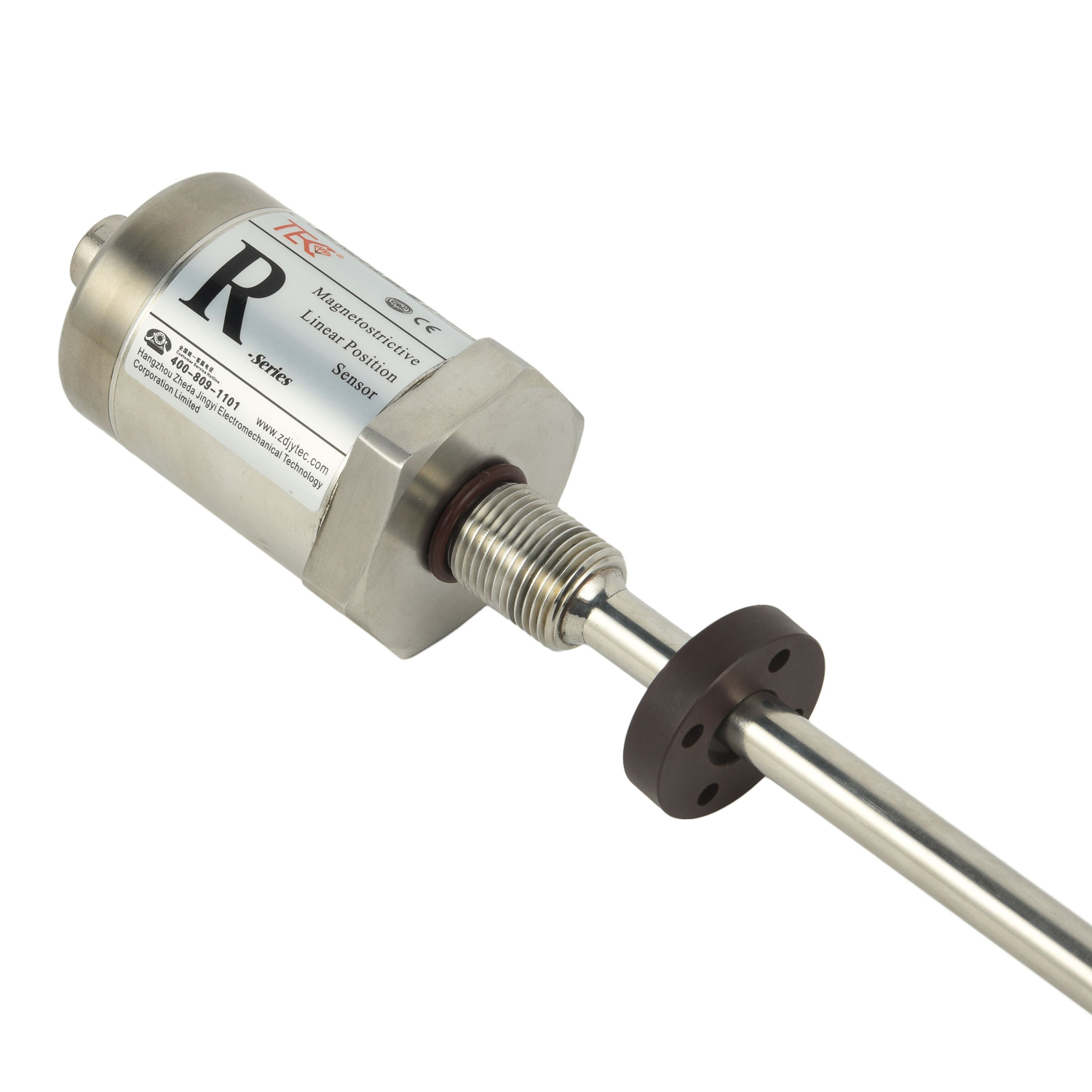
Magnetostrictive level gauges operate on a sophisticated principle that combines magnetic and acoustic phenomena. The system consists of a sensing rod made of magnetostrictive material, a float containing permanent magnets that moves with the liquid level, and an electronic transceiver. When the transceiver sends an electrical current pulse through the sensing rod, it generates a circular magnetic field along the entire length of the wire. The float's permanent magnet interacts with this magnetic field, creating a torsional stress wave that travels back to the transceiver at ultrasonic speed. By precisely measuring the time difference between the current pulse and the returning stress wave, the system calculates the exact position of the float with exceptional accuracy.
The Challenge of Violent Surface Fluctuations
Violently fluctuating liquid surfaces present multiple challenges for level measurement devices. Rapid surface movements can cause conventional float-based systems to become unstable, while pressure-based systems may provide inaccurate readings due to dynamic pressure variations. Capacitive and ultrasonic sensors often struggle with foam formation and splashing, which are common in agitated liquids. These fluctuations typically occur in mixing vessels, reactors undergoing chemical reactions, storage tanks during filling operations, and processing equipment where temperature changes cause rapid expansion or contraction of liquids.
Advanced Signal Processing Capabilities
Modern magnetostrictive level gauges incorporate sophisticated signal processing algorithms that effectively filter out noise caused by surface turbulence. The systems utilize multiple echo analysis and advanced digital filtering techniques to distinguish between the actual float position and false signals generated by surface agitation. Many high-end models feature adaptive filtering that automatically adjusts to changing process conditions, ensuring consistent performance regardless of fluctuation intensity. This intelligent signal processing allows the gauges to maintain accuracy within millimeters, even when the liquid surface experiences severe sloshing or wave action.
Robust Mechanical Design Features
The mechanical construction of magnetostrictive level gauges contributes significantly to their performance in fluctuating conditions. The sensing element is typically enclosed in a protective tube that shields it from direct liquid impact while allowing the float to move freely. High-quality units feature weighted floats with optimized hydrodynamic shapes that remain stable despite surface turbulence. The magnetostrictive wire itself is tensioned precisely to maintain consistent performance characteristics, and the entire assembly is designed to withstand vibration, pressure variations, and temperature extremes common in industrial environments.
Real-World Applications and Performance
In practical applications, magnetostrictive level gauges excel in measuring fluctuating surfaces across various industries. In chemical processing, they accurately monitor levels in reactors where exothermic reactions cause violent boiling. The petroleum industry relies on them for tank farm applications where filling operations create significant surface waves. Pharmaceutical manufacturers use these gauges in bioreactors where aeration and mixing generate substantial surface movement. Food processing plants employ them in mixing vessels where ingredient addition causes temporary surface instability, demonstrating the technology's versatility across different fluid types and process conditions.
Comparative Advantages Over Alternative Technologies
When compared to other level measurement technologies, magnetostrictive gauges offer distinct advantages for fluctuating surfaces. Unlike radar and ultrasonic devices that measure the surface directly and can be confused by foam or splashing, magnetostrictive systems measure the float position, which remains stable relative to the actual liquid level. Compared to displacer-type instruments, they provide higher resolution and faster response times. Differential pressure systems cannot distinguish between level changes and pressure variations caused by surface turbulence, whereas magnetostrictive technology remains unaffected by these dynamic pressure conditions.
Installation Best Practices for Optimal Performance
Proper installation plays a crucial role in maximizing the performance of magnetostrictive level gauges in applications with fluctuating surfaces. Mounting the gauge away from inlet streams and agitators minimizes direct exposure to the most turbulent areas. In large tanks, stilling wells or bypass chambers can be employed to dampen surface fluctuations while maintaining accurate level representation. Regular calibration verification ensures long-term accuracy, and selecting appropriate float specifications based on liquid density and viscosity characteristics ensures optimal float response to level changes despite surface agitation.
Future Developments and Innovations
Ongoing research and development in magnetostrictive level measurement continues to enhance performance in challenging applications. Emerging technologies include multi-float systems for interface level measurement in separating liquids, wireless versions for simplified installation, and enhanced diagnostic capabilities that predict maintenance needs. Integration with industrial IoT platforms enables real-time performance monitoring and predictive analytics, while improved materials science contributes to more durable sensing elements capable of operating in increasingly aggressive process environments with violent surface fluctuations.
 Graybus Cable Fault
 Field Application of Graybus C
 Model and Specification of Gra
 Import Substitute Graybus Cabl