
How do magnetostrictive level gauges solve high failure rates of traditional float types?
In industrial settings where precise liquid level measurement is critical, the limitations of traditional float-type level gauges become increasingly apparent. These mechanical devices, while simple in concept, often suffer from high failure rates that compromise operational efficiency and safety. This article explores how magnetostrictive level gauges provide a sophisticated solution to these persistent challenges, offering unparalleled reliability and accuracy in demanding applications.
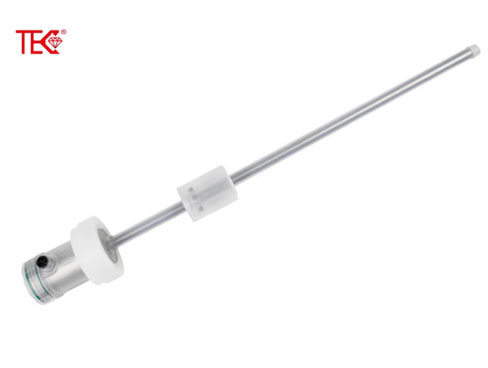
Understanding the Limitations of Traditional Float Level Gauges
Float-type level gauges operate on a straightforward mechanical principle, but this simplicity becomes their greatest weakness in harsh industrial environments. Mechanical wear and tear on moving parts leads to frequent calibration drift and eventual failure. Buildup of process media can cause floats to stick or bind, providing false readings that may go undetected until significant process upsets occur. The direct contact with measured liquids makes these gauges susceptible to corrosion, particularly when monitoring aggressive chemicals or solvents. These inherent vulnerabilities result in unexpected downtime, costly maintenance interventions, and potential safety hazards in critical processes.
The Fundamental Working Principle of Magnetostrictive Technology
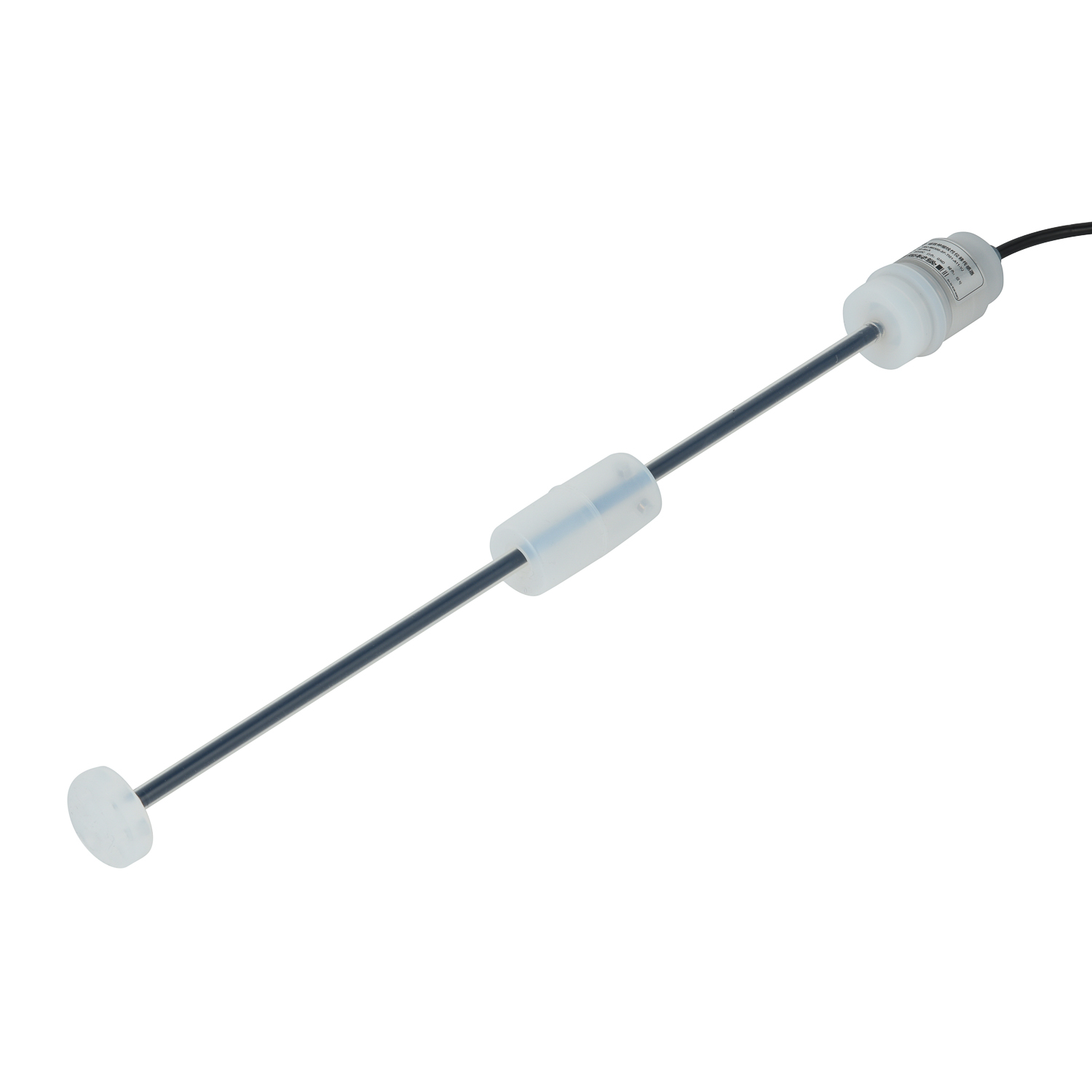
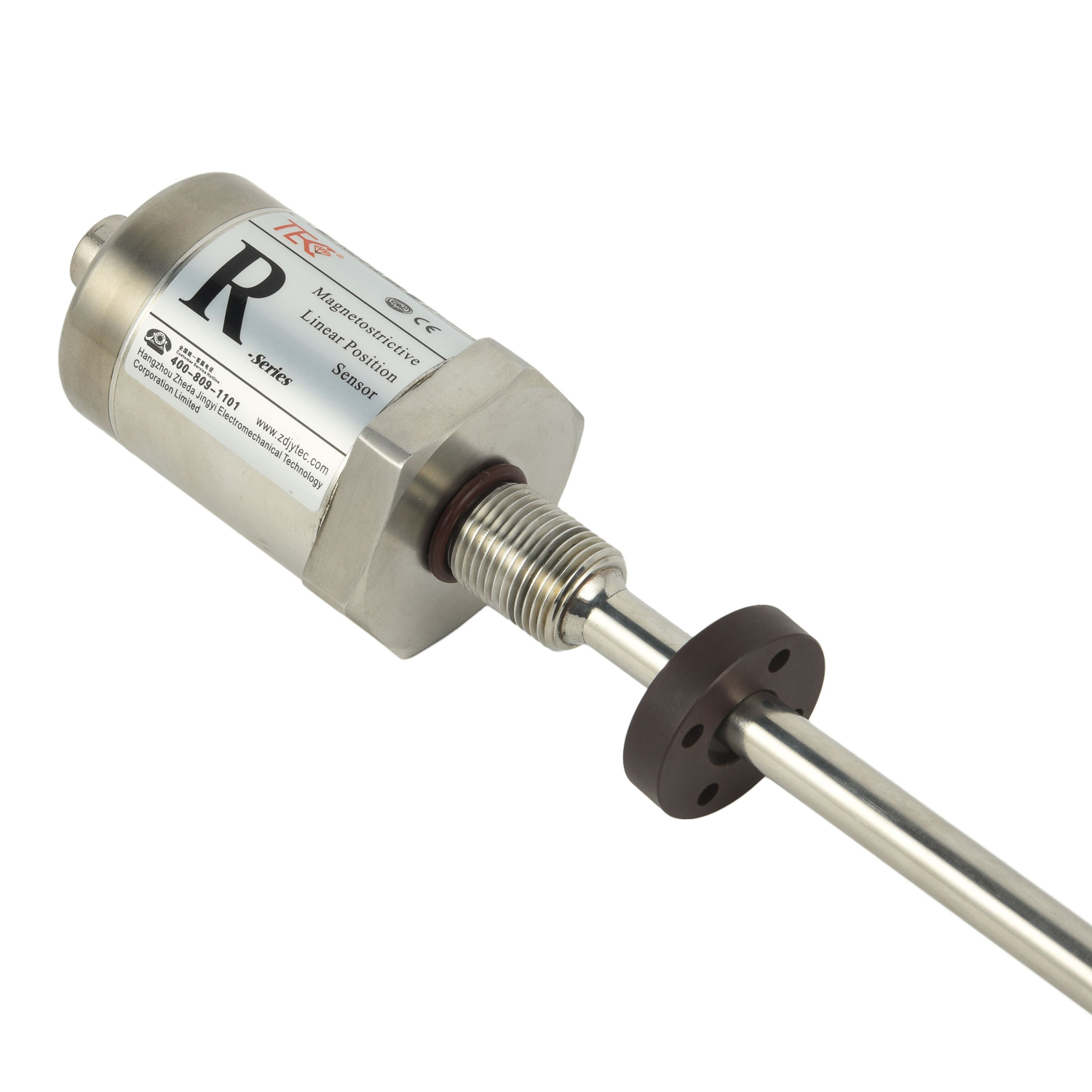
Magnetostrictive level gauges employ a completely different approach that eliminates mechanical components subject to wear. The technology utilizes the magnetostrictive effect, where a ferromagnetic wire generates a torsional stress pulse when subjected to two magnetic fields. A permanent magnet housed within a float creates one field, while an electrical current pulse sent down the wire creates the second. The time difference between the current pulse and the returning torsional wave precisely determines the float position. This non-contact measurement principle forms the foundation of the technology's exceptional reliability and longevity.
Key Advantages Over Float-Type Designs
The transition from mechanical to magnetostrictive technology delivers substantial operational benefits. Without mechanical linkages or moving parts, these gauges eliminate common failure points associated with traditional floats. They provide continuous, high-resolution measurement with accuracy typically within ±0.5mm, far surpassing mechanical alternatives. The non-contact sensing principle means there's no mechanical wear, ensuring stable performance over extended periods without recalibration. Additionally, advanced diagnostics capabilities allow for predictive maintenance rather than reactive repairs, significantly reducing unplanned downtime.
Applications Where Magnetostrictive Gauges Excel
Magnetostrictive level technology proves particularly valuable in applications where float gauges consistently underperform. In chemical processing plants, they reliably measure corrosive liquids without degradation. For fuel and oil storage tanks, they provide inventory accuracy unaffected by product density changes. In pharmaceutical and food production, their hygienic designs and precise control capabilities maintain product quality. High-temperature applications that would destroy mechanical floats present no challenge to properly specified magnetostrictive instruments. These gauges also excel in safety-instrumented systems where reliability is paramount.
Implementation Considerations for Optimal Performance
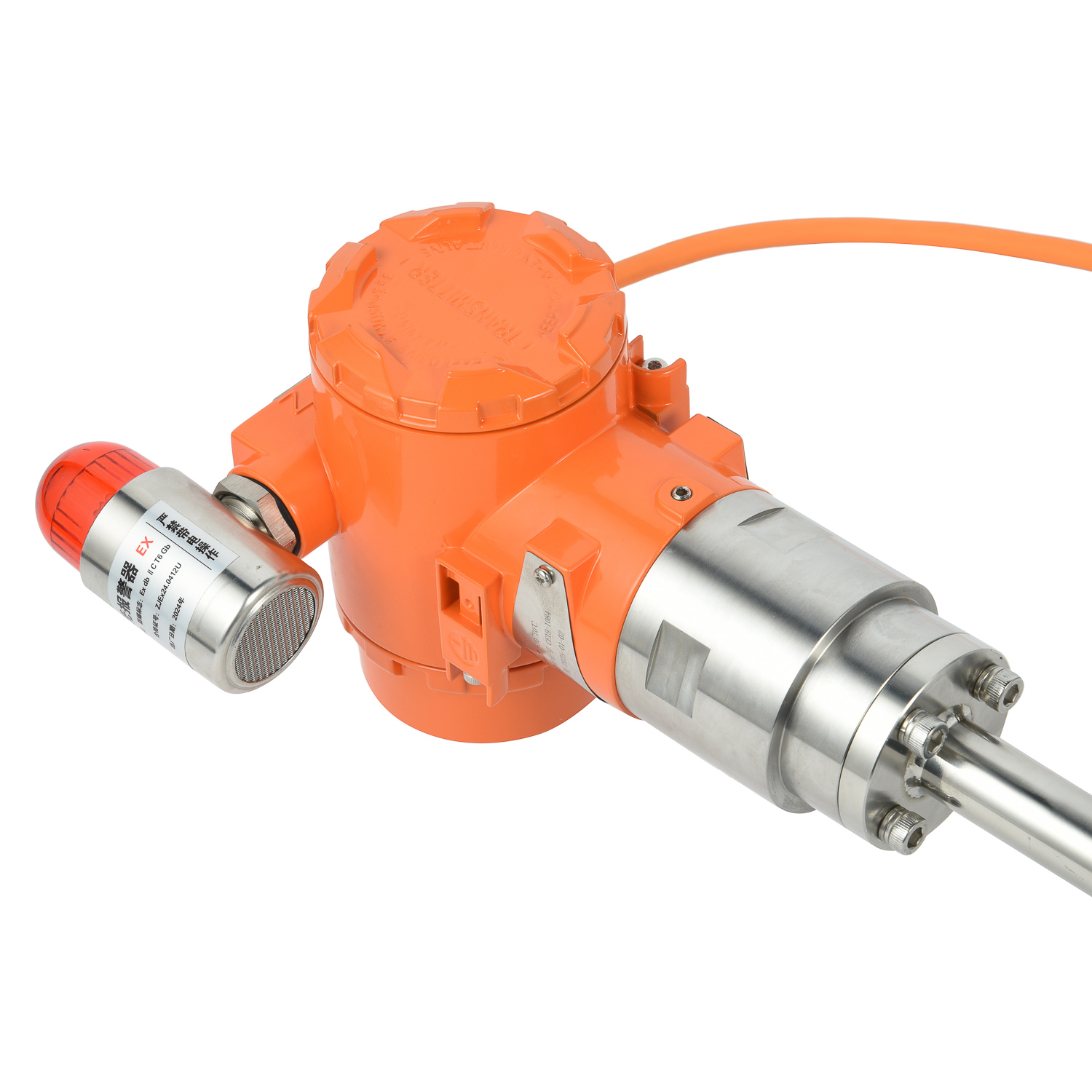
Successful implementation of magnetostrictive level gauges requires attention to several key factors. Proper material selection ensures compatibility with process media and environmental conditions. Correct installation orientation and mounting avoid measurement errors. Understanding the electronic output options—typically 4-20mA analog, HART, or fieldbus protocols—ensures seamless integration with control systems. Environmental factors such as temperature extremes, vibration, and potential electrical interference should be evaluated during selection. When properly specified and installed, these instruments deliver decades of maintenance-free service.
The compelling advantages of magnetostrictive level gauges present a clear case for upgrading from problematic float-type instruments. Their superior reliability, precision measurement capabilities, and reduced lifetime costs make them the intelligent choice for modern industrial processes. By addressing the fundamental weaknesses of mechanical float gauges, this advanced technology provides operations managers with confidence in their level measurement systems, ultimately contributing to safer, more efficient, and more profitable operations across numerous industries.
 Graybus Cable Fault
 Field Application of Graybus C
 Model and Specification of Gra
 Import Substitute Graybus Cabl