
What's the application of magnetostrictive technology in smart tank farm level management?
Introduction to Smart Tank Farm Management
The modern industrial landscape demands unparalleled efficiency and safety, particularly in the management of large-scale liquid storage facilities. Smart tank farms represent the evolution of this sector, integrating advanced technologies to monitor, control, and optimize operations. At the heart of this transformation lies the critical need for accurate and reliable level measurement. The precise knowledge of liquid volume within each tank is fundamental to inventory management, operational safety, and financial accounting. This is where cutting-edge sensing technologies, specifically magnetostrictive technology, prove indispensable.
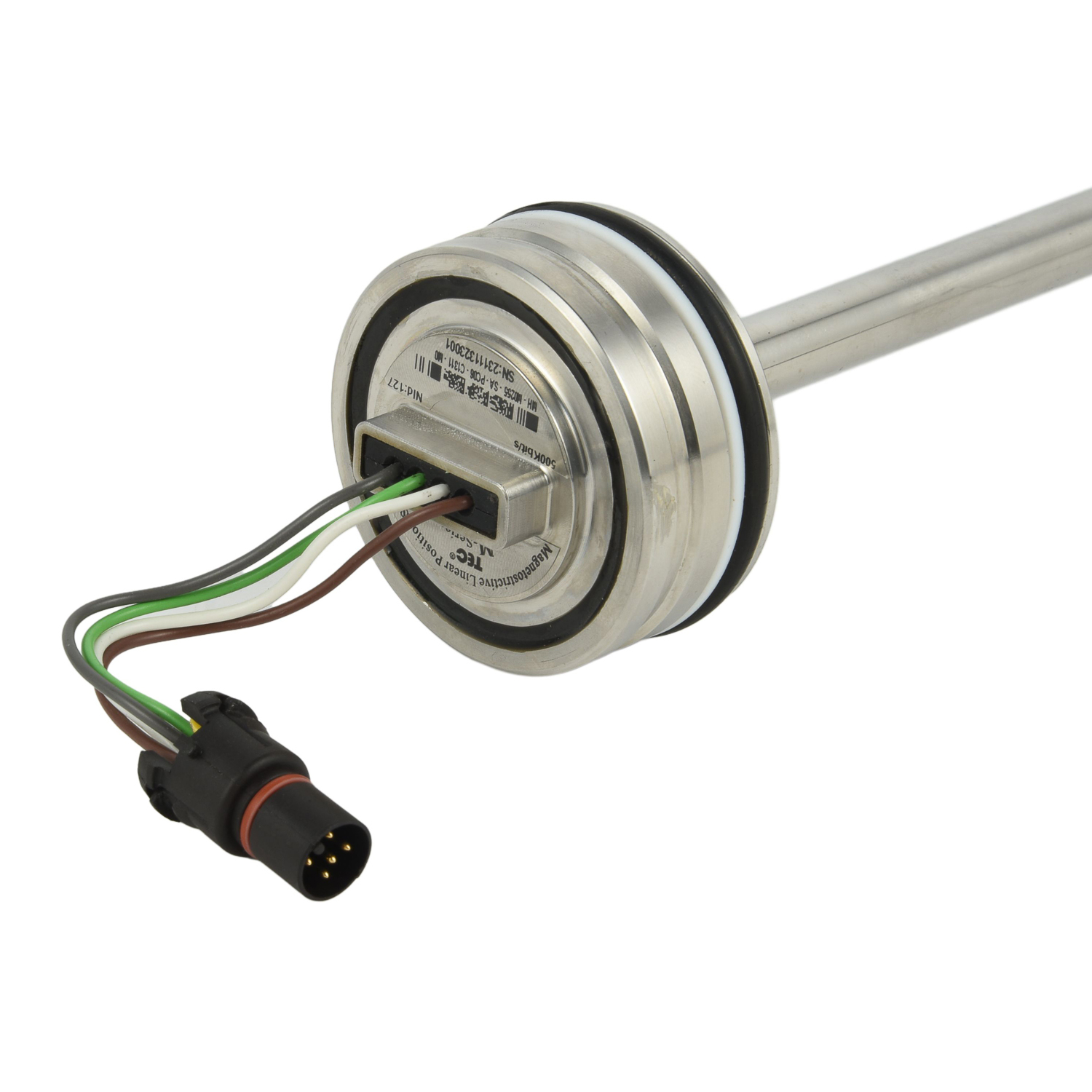
What is Magnetostrictive Technology?
Magnetostrictive technology is a highly sophisticated method for measuring liquid levels with exceptional precision. The core component is a magnetostrictive level transmitter, which operates on a physical principle known as magnetostriction. Inside a protective tube, a waveguide wire carries a low-current interrogation pulse. A float, containing a permanent magnet, moves freely along the outside of the tube, corresponding to the liquid level. When the current pulse interacts with the magnetic field of the float, it generates a torsional stress wave that travels back along the waveguide. The transmitter precisely calculates the time difference between the sent pulse and the returned wave to determine the exact position of the float, and thus, the liquid level. This non-contact measurement method ensures long-term reliability and minimal wear.
Superior Accuracy and Reliability for Inventory Control
For tank farm operators, inventory accuracy translates directly into financial accountability. Magnetostrictive transmitters excel in this domain, offering accuracy levels within ±0.5 mm or better. This high-resolution data is crucial for preventing costly errors in custody transfer, reducing inventory shrinkage, and optimizing supply chain logistics. Unlike mechanical float systems that can drift or radar systems that might be affected by vapor or foam, magnetostrictive technology provides consistent, repeatable measurements. This reliability ensures that operators have a trustworthy data foundation for making critical decisions regarding filling, blending, and dispatch operations, ultimately maximizing profitability.
Enhanced Safety in Hazardous Environments
Tank farms often store flammable or volatile liquids, making operational safety a non-negotiable priority. Magnetostrictive level transmitters are inherently safe for use in these hazardous areas. The technology is intrinsically explosion-proof as the sensing process occurs within a sealed tube without generating sparks or significant heat. Furthermore, these devices provide continuous, real-time level data that can be integrated into safety instrumented systems (SIS). This allows for immediate alarms in case of overfill situations or rapid level drops, enabling proactive interventions to prevent spills, fires, or environmental incidents, thereby protecting both personnel and assets.
Integration with IoT and Centralized Monitoring Systems
The true power of magnetostrictive technology is unlocked when integrated into the broader smart tank farm ecosystem. Modern magnetostrictive transmitters are equipped with digital communication protocols like HART, Profibus, or Foundation Fieldbus. This allows seamless integration with Supervisory Control and Data Acquisition (SCADA) systems and IoT platforms. Operators can monitor levels, temperature (if a thermowell is integrated), and device health from a centralized control room. This connectivity facilitates predictive maintenance by alerting technicians to potential issues before they cause downtime, creating a more resilient and data-driven operation.
Reducing Maintenance and Total Cost of Ownership
The economic benefits of magnetostrictive technology extend beyond accurate inventorying. Its robust design, with no moving parts in direct contact with the process fluid, significantly reduces mechanical wear and tear. This translates to lower maintenance requirements, less frequent calibration needs, and extended service intervals compared to traditional level sensors. The resulting reduction in labor costs, spare parts inventory, and unplanned downtime contributes to a lower total cost of ownership over the asset's lifecycle, making it a sound long-term investment for any tank farm operator focused on operational excellence.
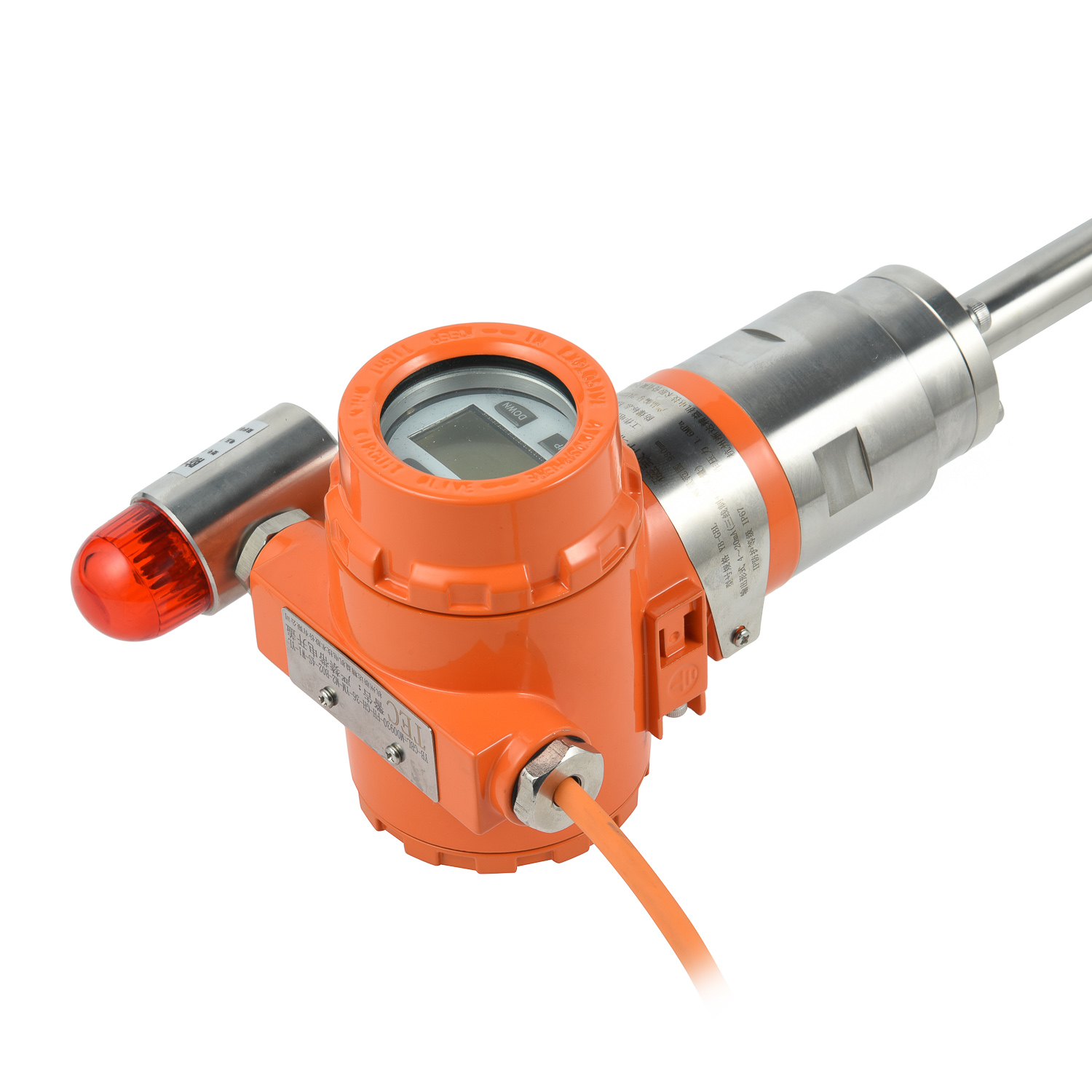 Intrinsically Safe Explosion-p
 Explosion-proof Magnetostricti
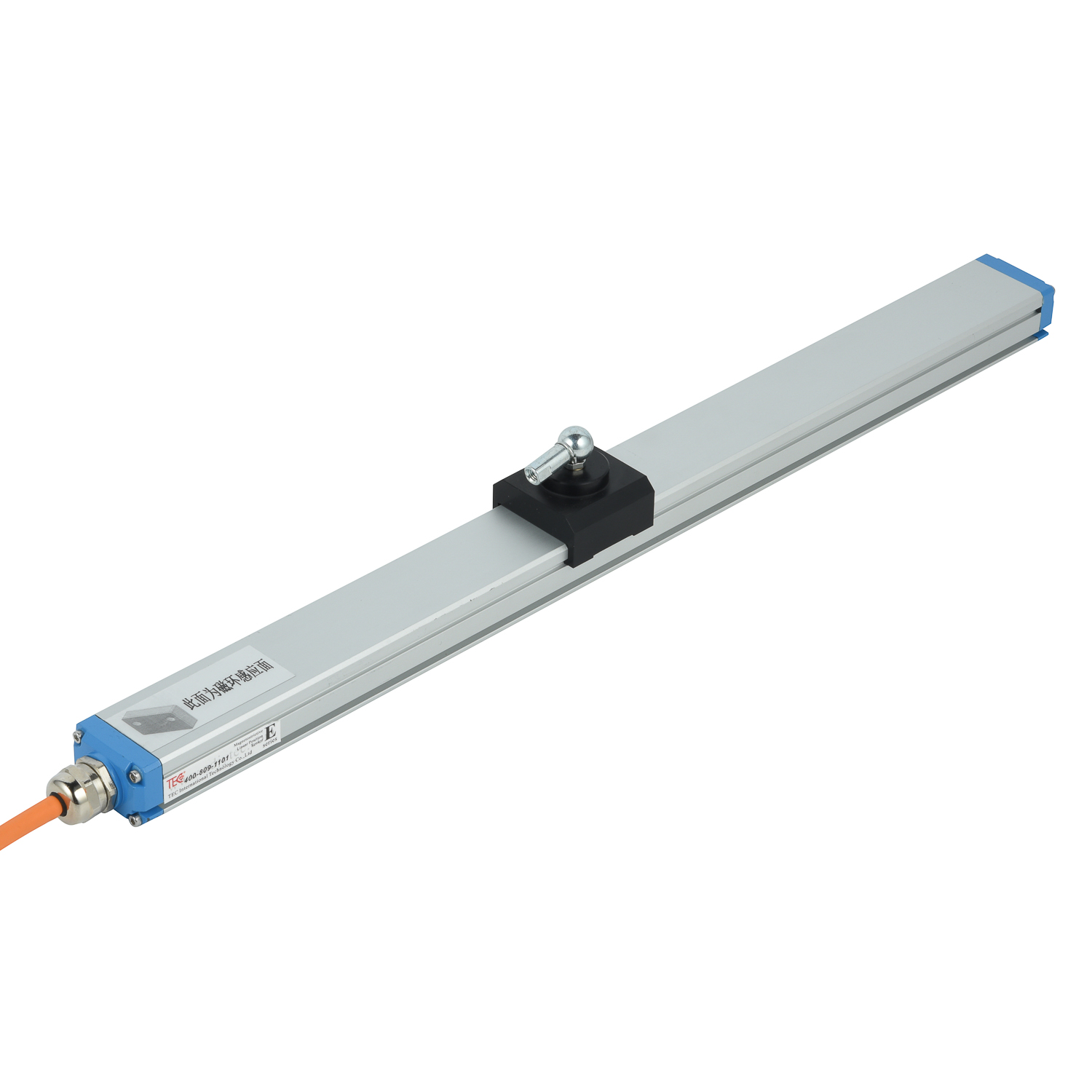 Magnetostrictive Displacement
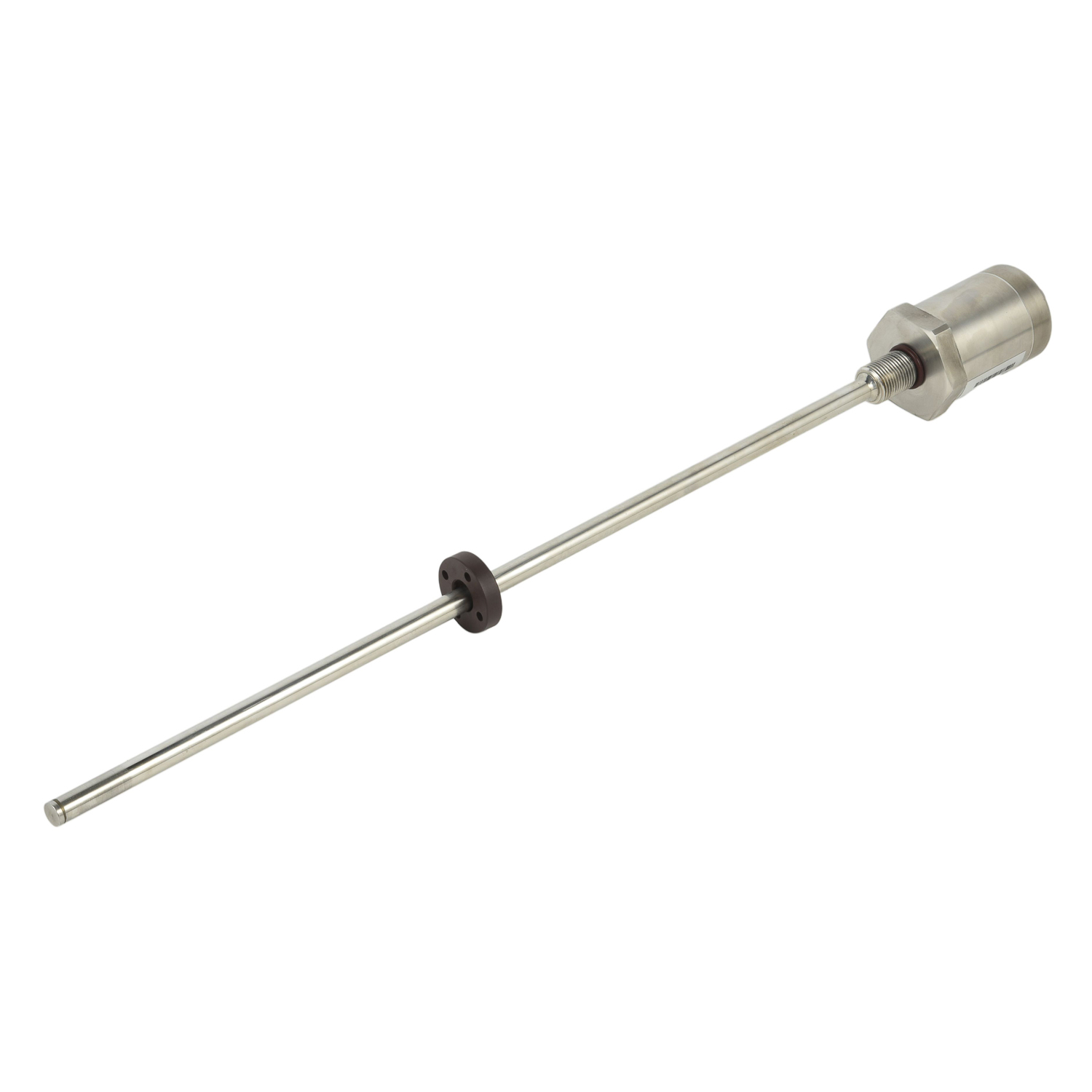 Mining High-temperature Electr