
How does magnetostrictive level gauge achieve high-precision tank measurement?
In the world of industrial process control and inventory management, achieving precise and reliable level measurement is paramount. For storage tanks containing liquids, from chemicals and fuels to food-grade products, accuracy directly impacts operational efficiency, safety, and profitability. Among the various technologies available, the magnetostrictive level gauge stands out for its ability to deliver high-precision measurements. But how exactly does this sophisticated instrument work to provide such dependable data?
The Core Principle: A Twist on Magnetism
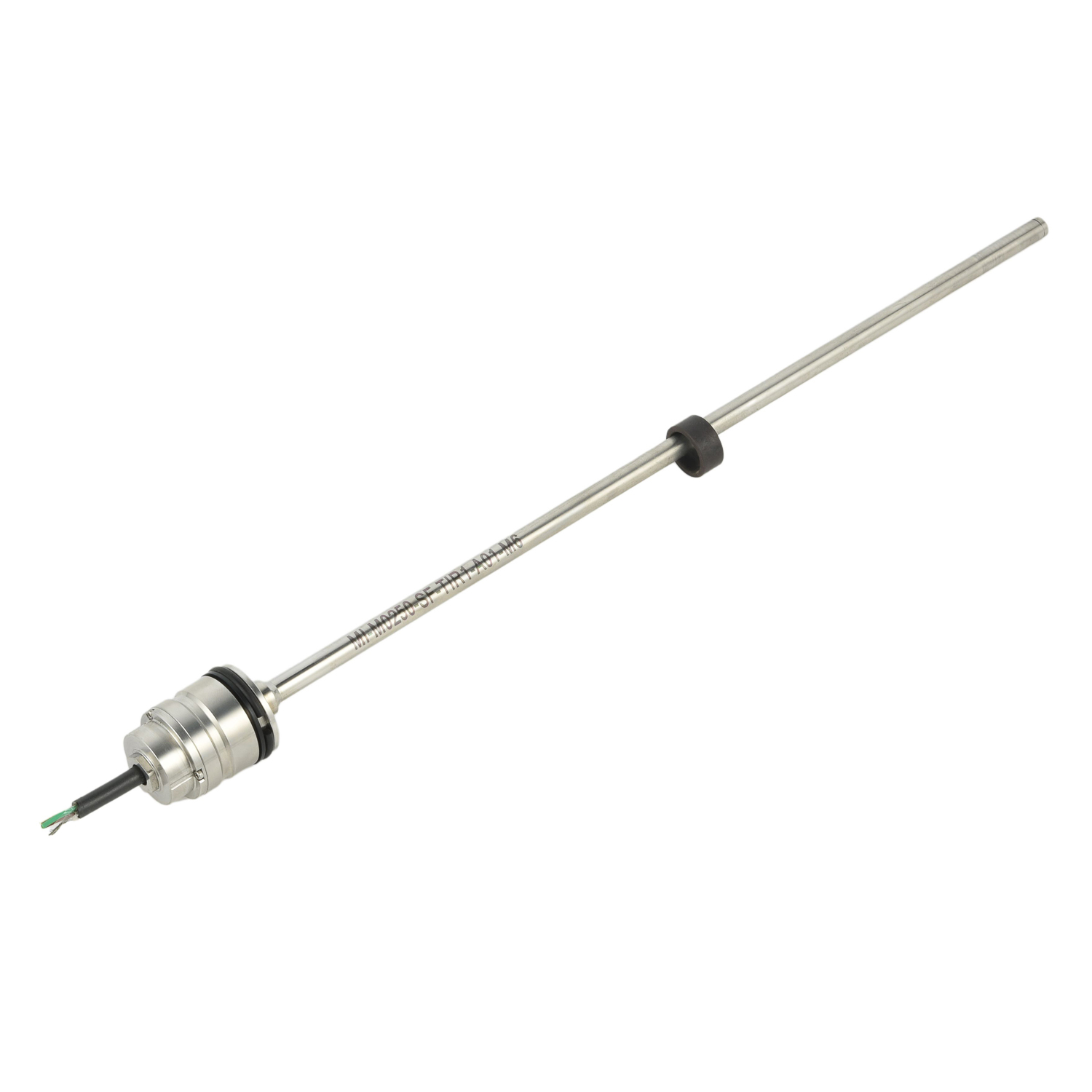
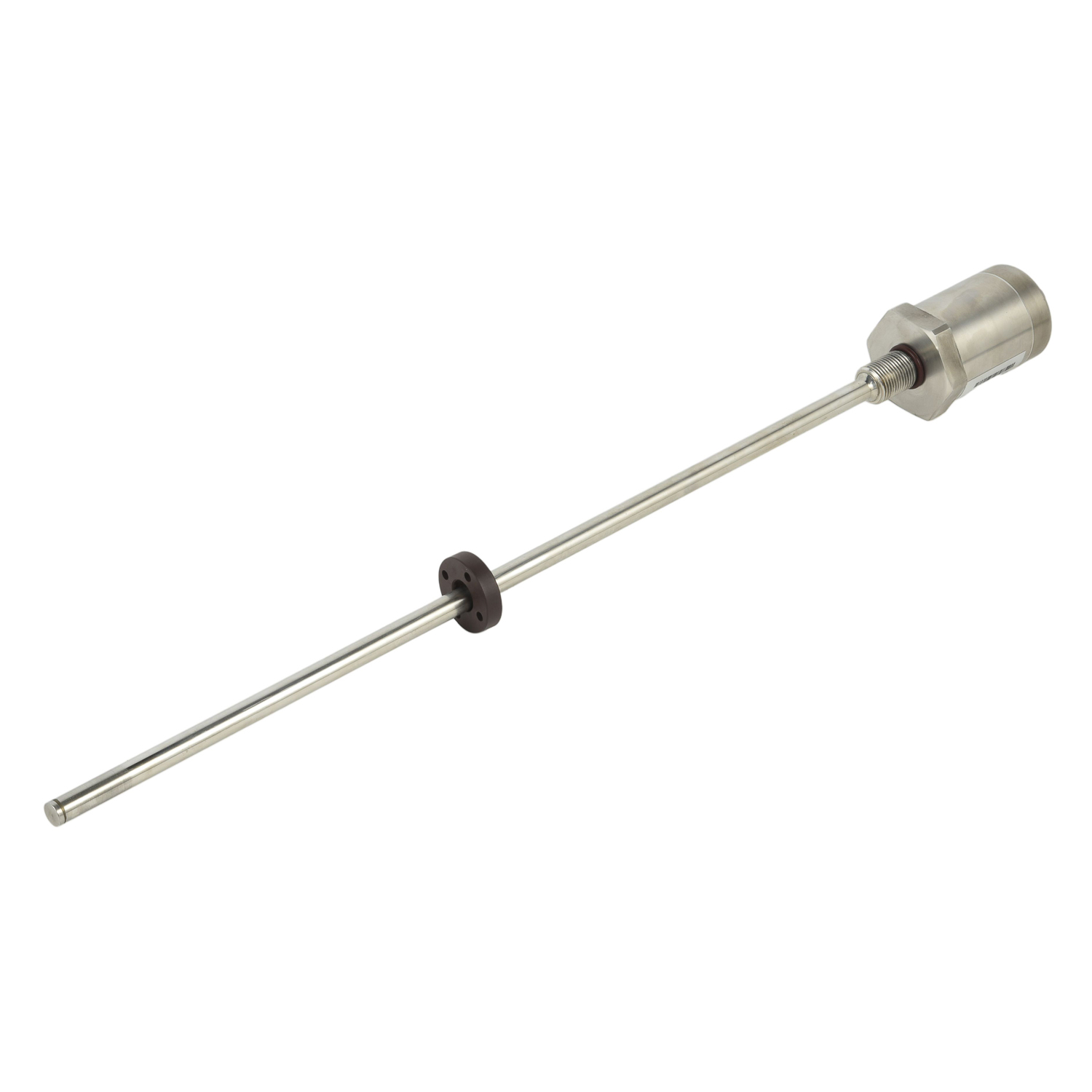
The fundamental operation of a magnetostrictive level gauge hinges on the interaction between magnetism and a physical property known as magnetostriction. Magnetostriction refers to the phenomenon where certain materials change their shape or dimensions when exposed to a magnetic field. In a typical magnetostrictive level gauge, a sensor probe—comprising a rigid waveguide wire—is installed vertically inside the tank. A permanent magnet is housed within a float that moves freely along the outside of this probe, precisely tracking the liquid level.
The High-Precision Measurement Process
The measurement cycle begins when the gauge's electronics module sends a short, low-energy current pulse down the waveguide wire. This current pulse generates a circumferential magnetic field around the wire. The float, positioned at the liquid surface, contains a permanent magnet which also produces its own magnetic field. The precise moment the two magnetic fields intersect at the location of the float, a phenomenon called the "Wiedemann Effect" occurs: the waveguide wire experiences a minute torsional strain or "twist" at that exact point. This torsional wave travels back along the wire at the speed of sound. A pickup device in the head of the sensor detects the returning wave. By precisely measuring the time interval between the initiation of the current pulse and the arrival of the torsional wave, the electronics can calculate the exact position of the float with exceptional accuracy, often within millimeters.
Key Components for Reliable Tank Gauging
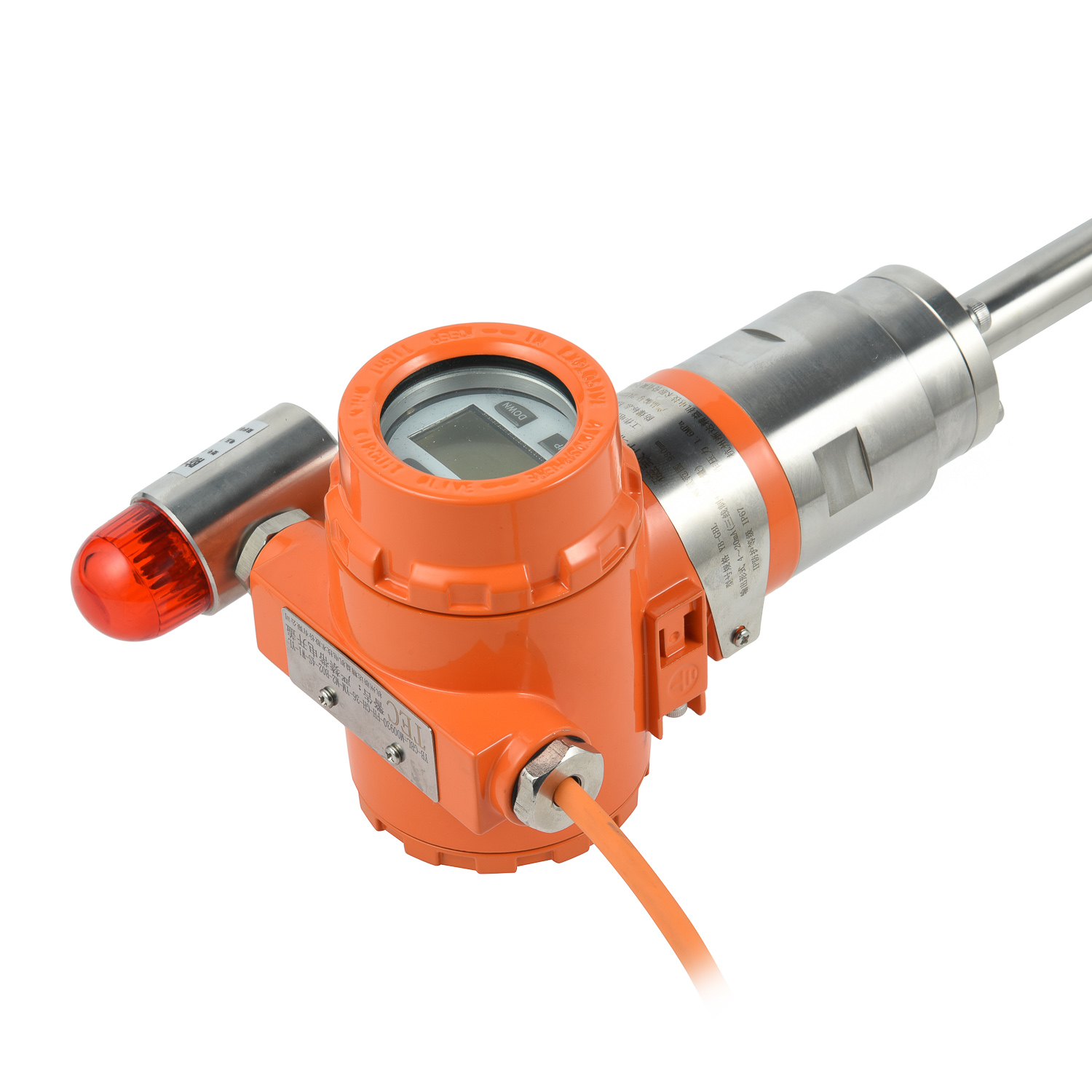
Several components are critical to the gauge's performance. The waveguide, typically made from a specialized magnetostrictive alloy, must be designed for minimal thermal expansion to maintain accuracy across temperature variations. The float is engineered to be buoyant in the specific liquid and is often sized according to the product's density. The electronics module is the brain of the system, responsible for generating pulses, timing the return signal with high resolution, and converting the time-of-flight measurement into a standard output signal, such as 4-20 mA or a digital signal via protocols like HART or Foundation Fieldbus.
Advantages Driving High Accuracy in Industrial Applications
The non-contact nature of the measurement between the float and the waveguide eliminates mechanical wear, ensuring long-term stability and precision. This technology is immune to variations in dielectric constant, density, or conductivity of the liquid, making it highly versatile. Furthermore, modern magnetostrictive gauges can integrate multiple floats on a single probe to measure both level and interface (e.g., oil and water), providing comprehensive tank data. Their robust design makes them suitable for high-pressure and high-temperature environments, common in many tank farms and process vessels.
Conclusion: A Benchmark for Precision Measurement
By leveraging the precise physical principles of magnetostriction and time-of-flight measurement, magnetostrictive level gauges offer a superior solution for high-precision tank gauging. Their inherent reliability, stability, and versatility make them an ideal choice for applications where accurate inventory control, process efficiency, and safety are non-negotiable. For any operation requiring trustworthy level data, this technology continues to set the benchmark.
 Intrinsically Safe Explosion-p
 Explosion-proof Magnetostricti
 Magnetostrictive Displacement
 Mining High-temperature Electr