
Why are magnetostrictive sensors preferred for Industrial IoT?
In the rapidly evolving landscape of industrial technology, the selection of sensing technology is paramount. Magnetostrictive sensors have emerged as a dominant force within Industrial Internet of Things (IIoT) ecosystems. Their unique operating principle, which combines reliability with exceptional precision, makes them uniquely suited for the demanding environments of modern smart factories and Industry 4.0 applications. This preference is not accidental but is rooted in a series of distinct advantages that directly address the core needs of connected industrial systems.
Unmatched Accuracy and Precision for Data Integrity
The foundation of any effective IIoT system is high-quality, reliable data. Magnetostrictive sensors provide non-contact, absolute position measurement with remarkable accuracy and repeatability. This high level of precision is critical for IIoT platforms that rely on accurate data to drive automation, optimize processes, and enable real-time decision-making. Unlike other sensing technologies that may suffer from drift or require frequent recalibration, magnetostrictive sensors deliver consistent, trustworthy data points, ensuring the integrity of the entire data chain from the sensor to the cloud analytics platform.
Exceptional Durability and Reliability in Harsh Environments
Industrial settings are notoriously harsh, characterized by extreme temperatures, significant vibration, exposure to moisture, and corrosive chemicals. Magnetostrictive sensors are engineered to thrive in these conditions. Their robust construction, often featuring stainless steel housings, and non-contact sensing mechanism mean there is no physical wear between the sensor and the target magnet. This inherent ruggedness translates to exceptional Mean Time Between Failures (MTBF), minimizing downtime and maintenance costs—a key consideration for IIoT deployments aimed at maximizing operational efficiency.
The Cornerstone of Predictive Maintenance Strategies
One of the most significant value propositions of the IIoT is the enablement of predictive maintenance. Magnetostrictive sensors are ideal for this application. By continuously monitoring the position and movement of critical components like hydraulic cylinders, these sensors can detect subtle changes in performance that signal impending failure. This data can be fed into IIoT analytics software to forecast maintenance needs accurately, allowing repairs to be scheduled proactively before a catastrophic breakdown occurs, thus avoiding costly unplanned downtime.
Seamless Integration with IIoT Architectures
For a sensor to be effective in an IIoT context, it must be able to communicate effortlessly with higher-level systems. Modern magnetostrictive sensors are available with a variety of digital outputs and industry-standard communication protocols like IO-Link. IO-Link, in particular, enhances their IIoT capabilities by allowing for parameter setting, remote diagnostics, and the transmission of detailed device status information alongside process data. This simplifies integration, provides richer data for analysis, and facilitates condition monitoring at a granular level.
Enabling Enhanced Safety and Operational Efficiency
Beyond predictive maintenance, the real-time data from magnetostrictive sensors directly contributes to both operational safety and efficiency. In automated machinery, precise position control prevents collisions and ensures sequences are executed correctly, safeguarding both equipment and personnel. Furthermore, the data collected can be analyzed to identify inefficiencies in machine cycles, leading to process optimizations that increase throughput and reduce energy consumption, delivering a compelling return on investment for IIoT initiatives.
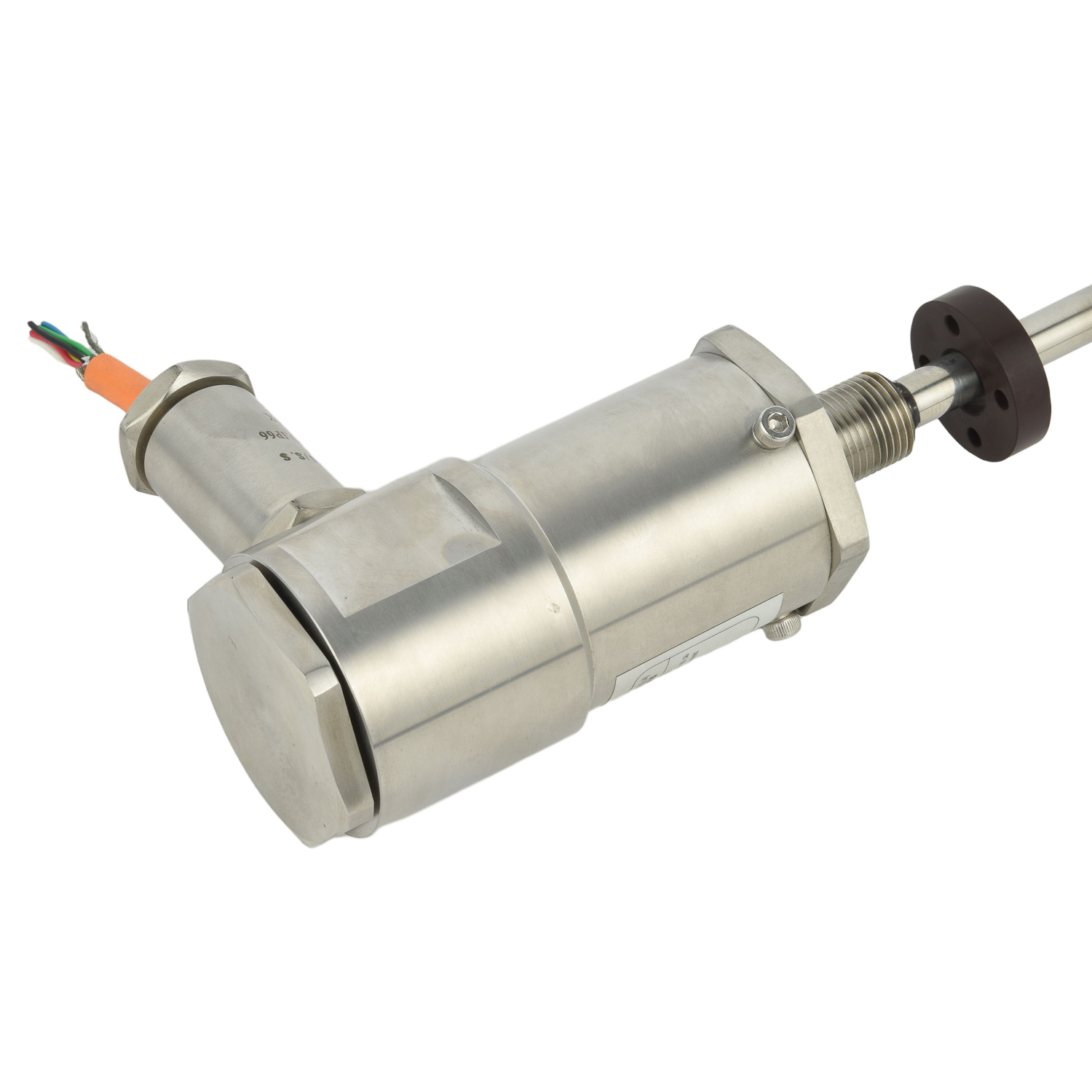
 Built-in Hydraulic Cylinder Ma
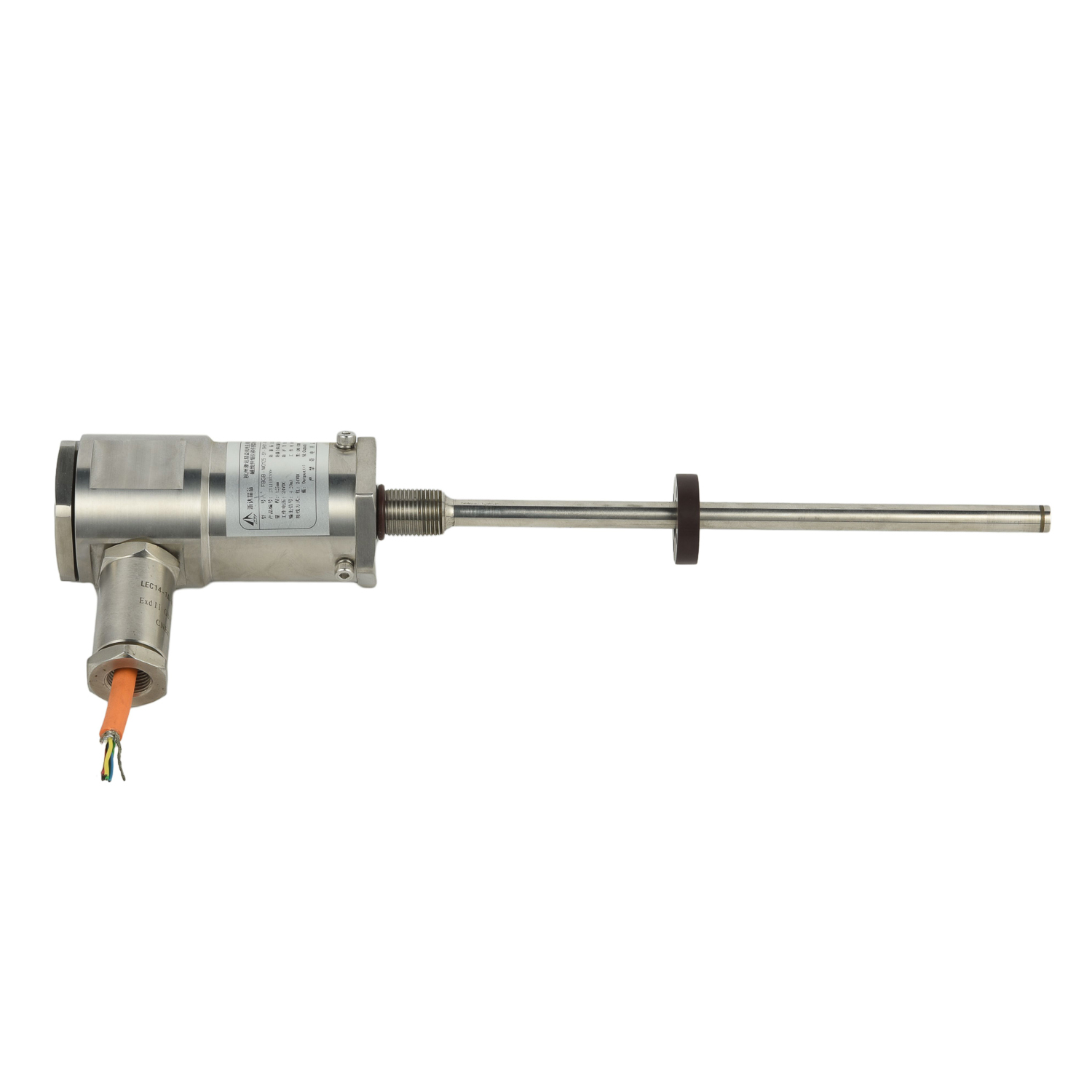 High-pressure Magnetostrictive
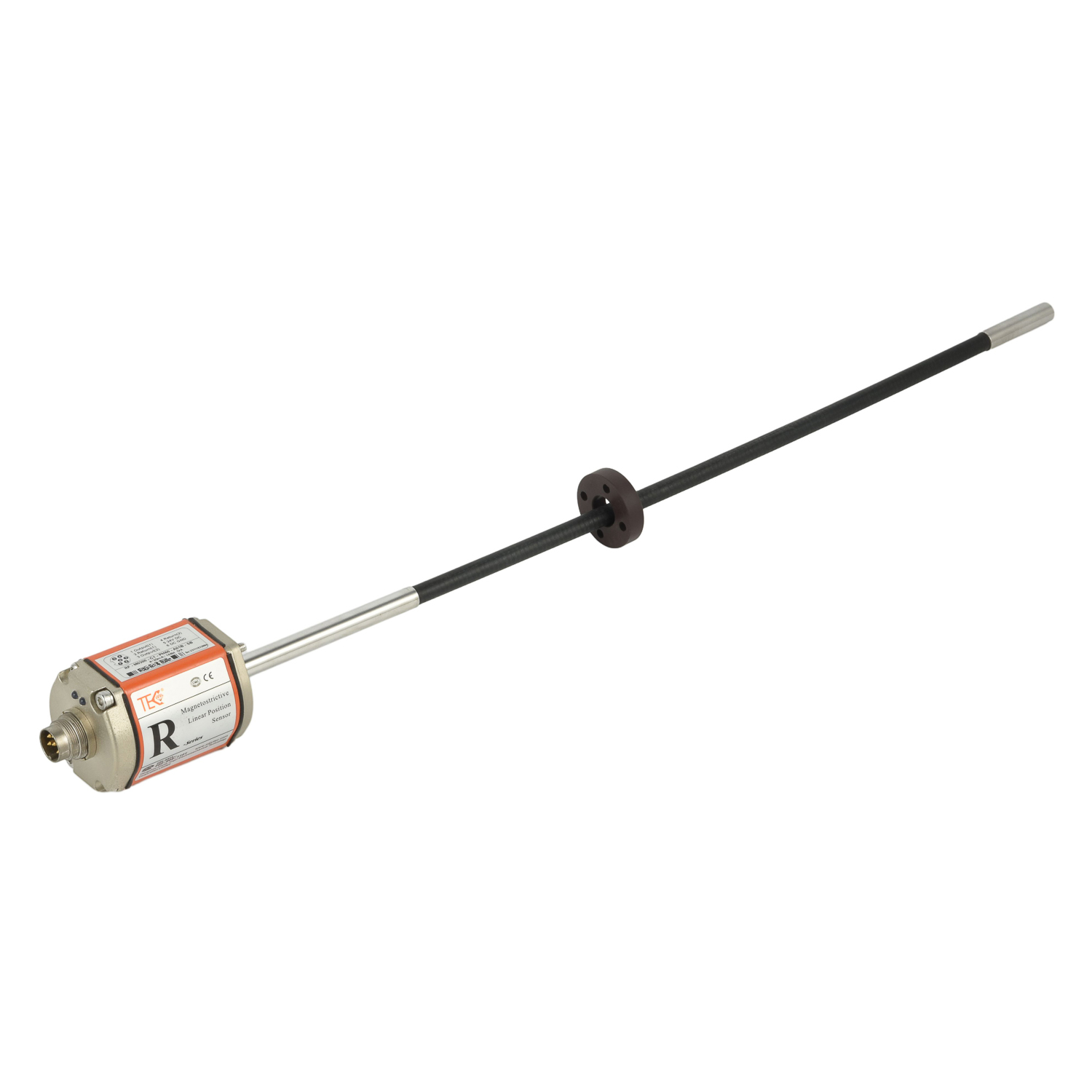 High-temperature Magnetostrict
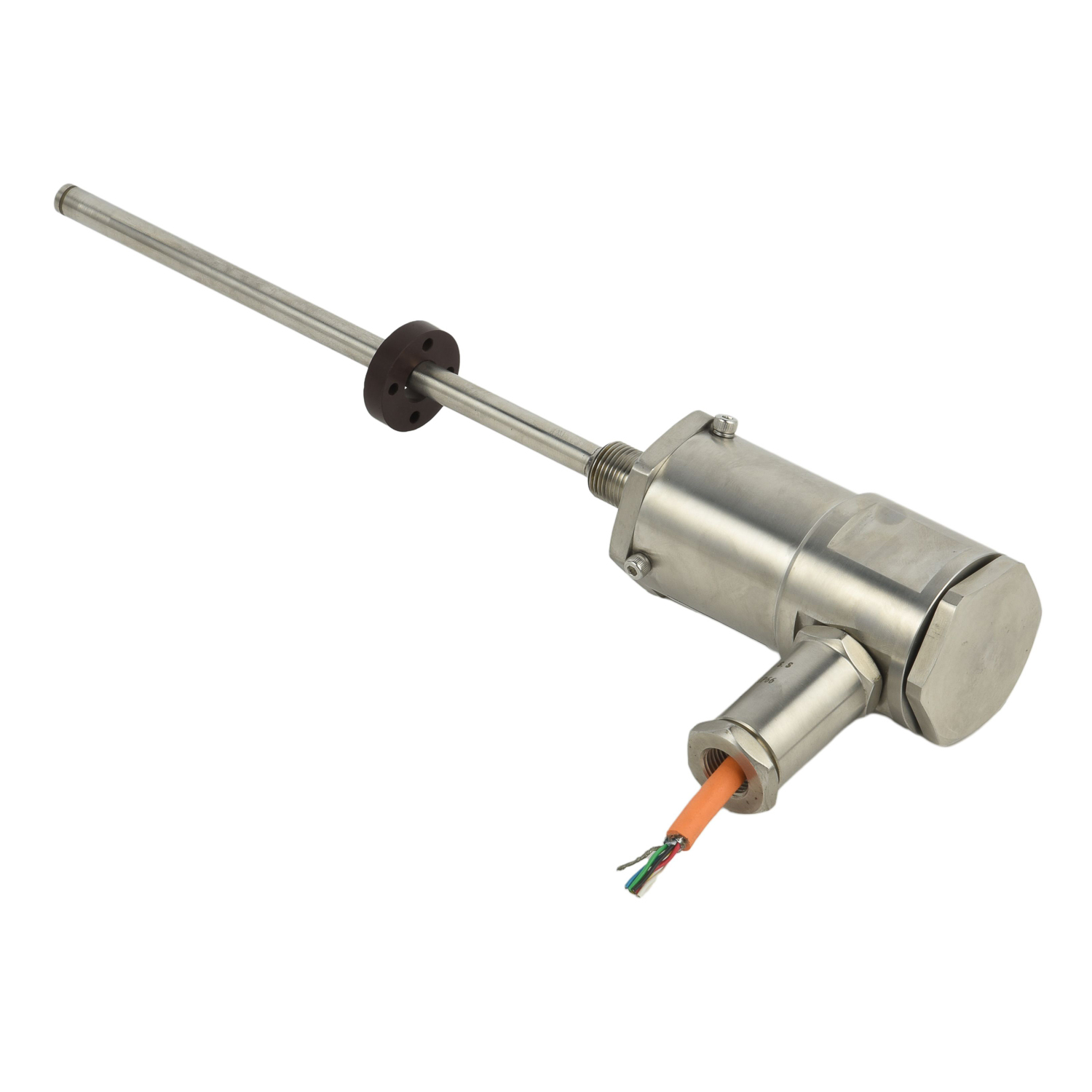 Waterproof Magnetostrictive Di