
How do magnetostrictive sensors ensure long-term stability in harsh environments?
In industrial settings where reliability is non-negotiable, magnetostrictive sensors stand as pillars of durability. These sophisticated measuring devices consistently deliver precise position and level measurements despite facing extreme conditions that would compromise conventional sensors. Their ability to maintain accuracy over extended periods stems from a combination of intelligent engineering and robust material selection that addresses the core challenges of harsh operational environments.
The Foundation of Reliability: Understanding Magnetostrictive Principles
At the heart of their resilience lies the fundamental physics of magnetostriction. Unlike optical or capacitive sensing technologies that can be compromised by environmental contaminants, magnetostrictive sensors operate based on the interaction between magnetic fields and specialized ferromagnetic materials. This principle creates a sensing mechanism that remains unaffected by dust, moisture, or temperature variations that typically degrade sensor performance. The non-contact nature of the measurement ensures there's no mechanical wear between critical components, establishing a solid foundation for long-term operational stability.
Advanced Material Science: Engineered for Environmental Resistance
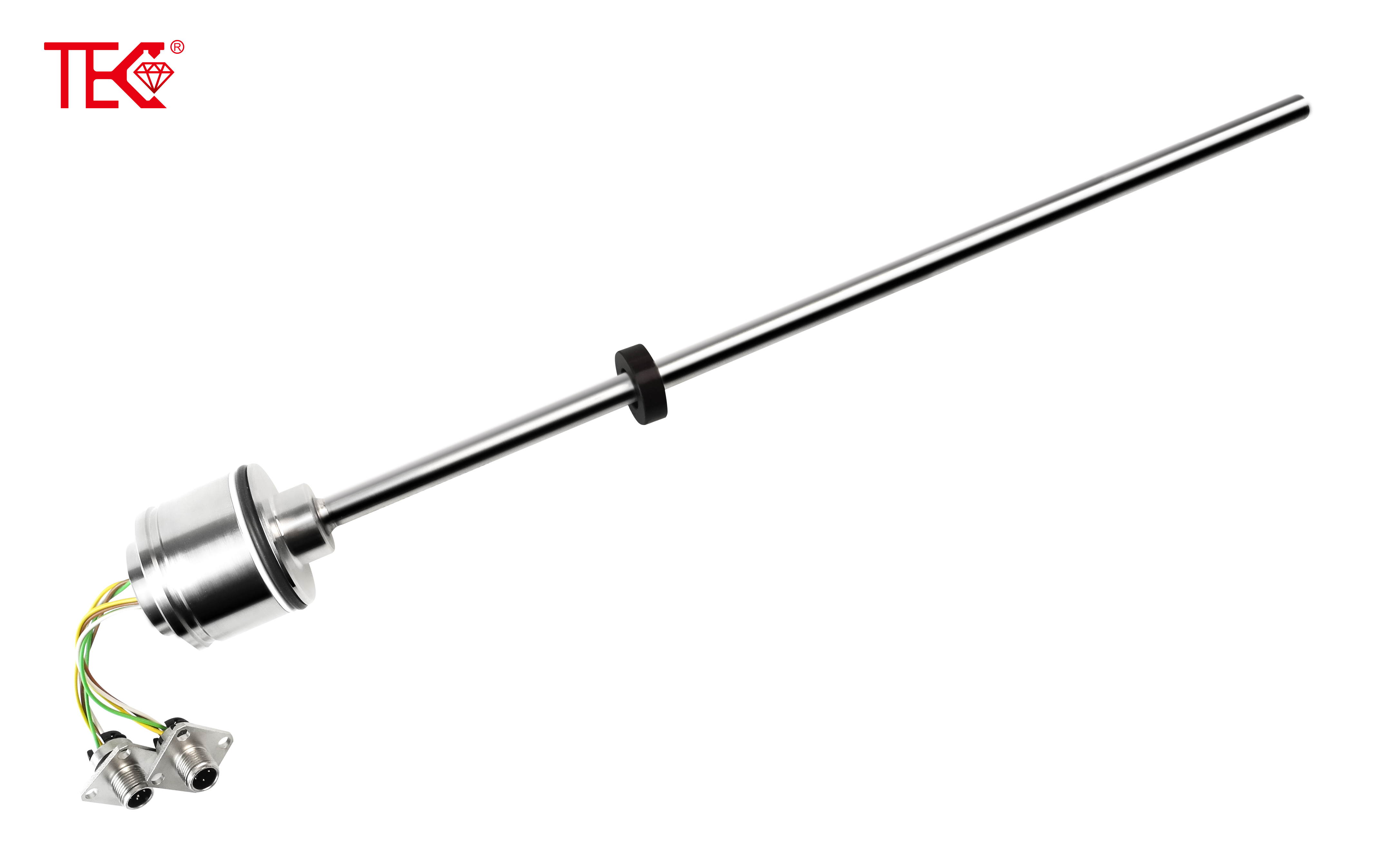
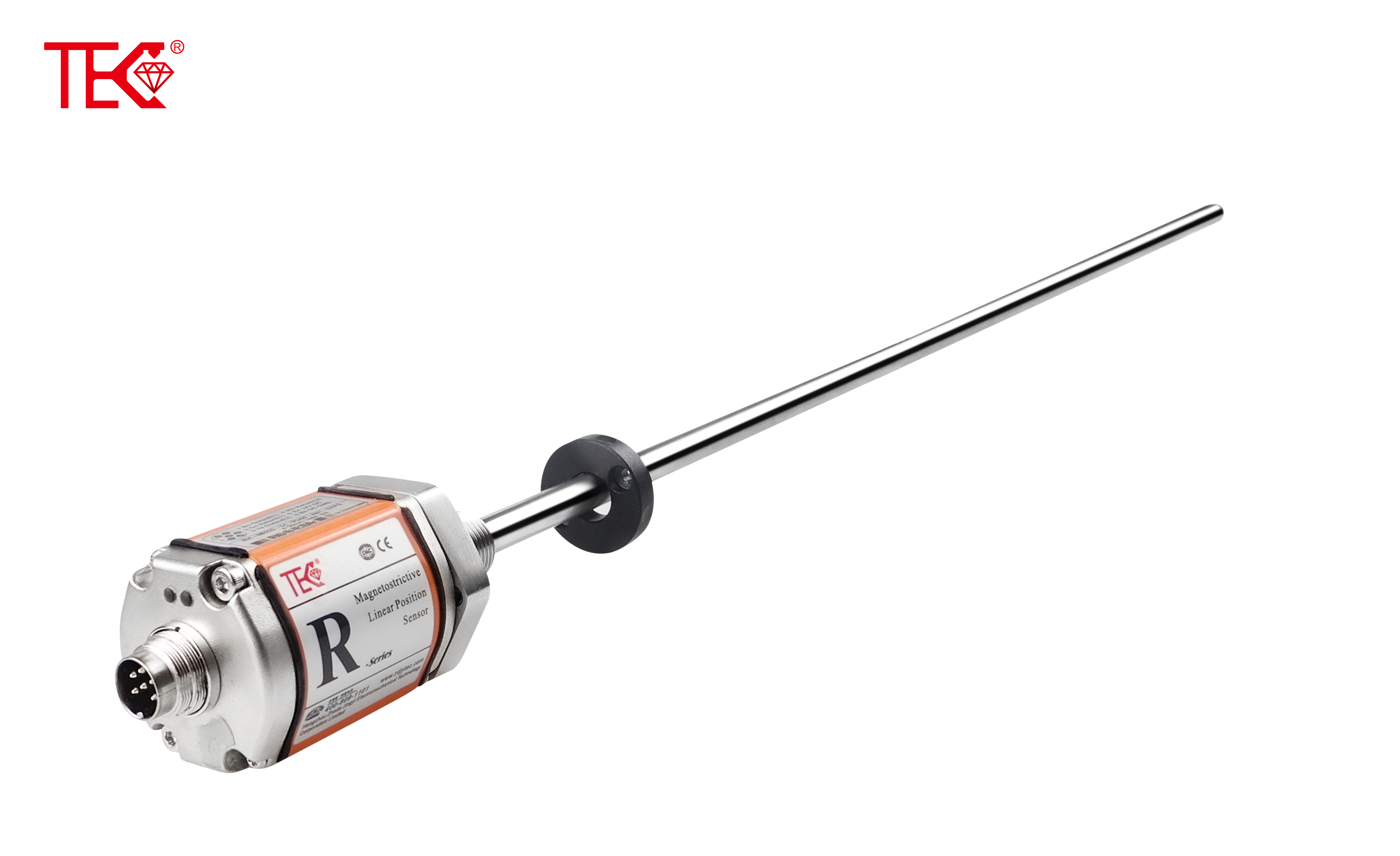
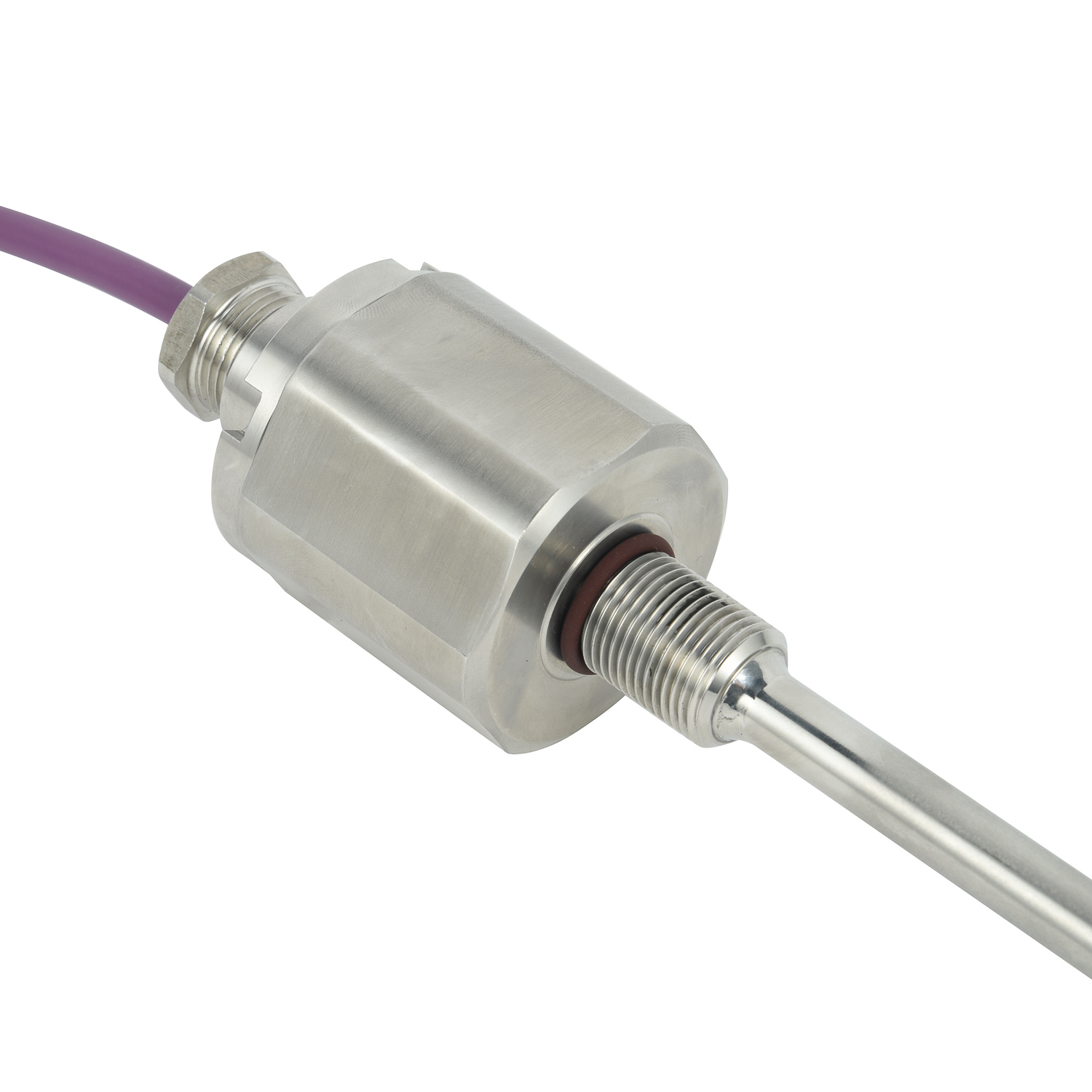
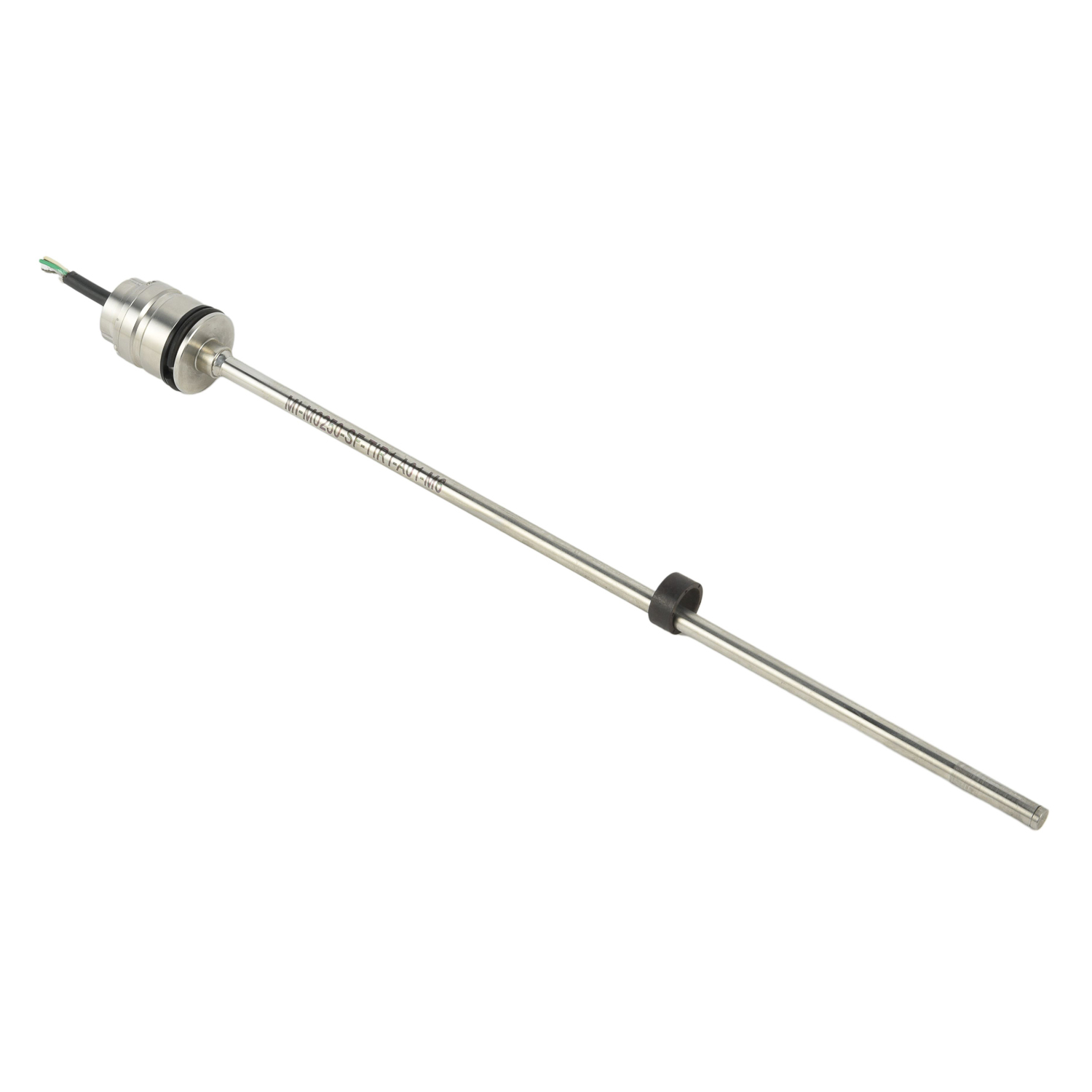
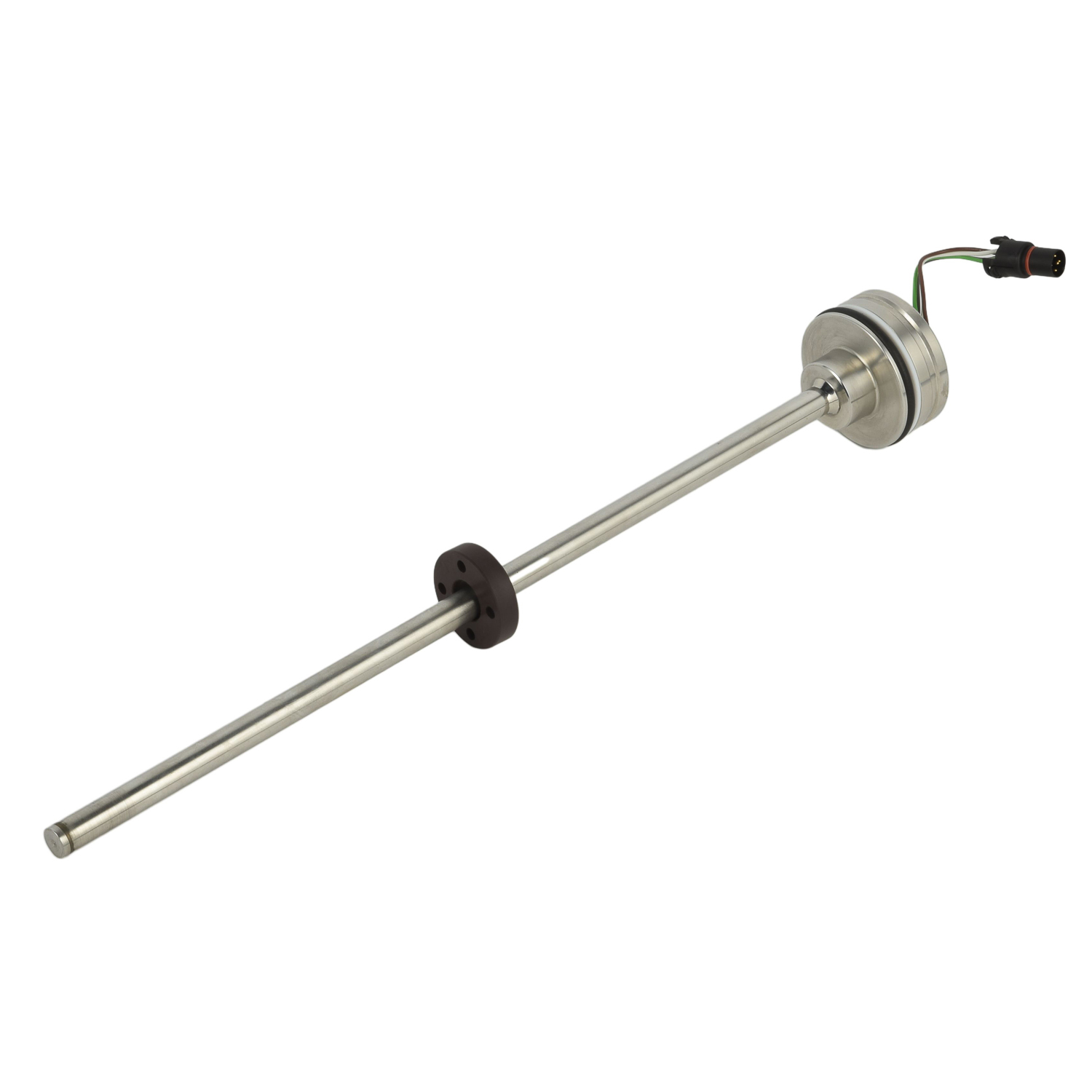
The construction materials selected for magnetostrictive sensors represent a critical factor in their environmental endurance. Manufacturers utilize high-grade stainless steels, often with specialized coatings, to combat corrosion in chemically aggressive atmospheres. The waveguide tube—the sensor's core component—is typically made from materials with precisely controlled thermal expansion properties to minimize temperature-induced errors. Additionally, hermetically sealed electronics compartments prevent moisture ingress, while specialized potting compounds protect internal components from vibration and shock, ensuring consistent performance despite physical stresses.
Thermal Compensation Mechanisms: Maintaining Accuracy Across Temperature Extremes
Temperature fluctuations present one of the most significant challenges to sensor stability in harsh environments. Magnetostrictive sensors incorporate sophisticated thermal compensation systems that actively counteract measurement drift caused by thermal expansion. Advanced models feature integrated temperature sensors and microprocessor-based correction algorithms that adjust readings in real-time. This intelligent compensation ensures measurement accuracy remains within specified tolerances across the entire operating temperature range, from freezing conditions to high-temperature industrial processes.
Structural Integrity: Mechanical Design for Vibration and Shock Resistance
The physical architecture of magnetostrictive sensors is optimized to withstand mechanical stresses common in industrial environments. Their robust housing designs dissipate vibration energy before it can affect internal components, while strategically placed damping materials absorb shock impacts. The waveguide is tensioned to its optimal mechanical resonant frequency, minimizing susceptibility to external vibrations. This structural fortification allows these sensors to maintain calibration and functionality in applications involving heavy machinery, hydraulic systems, and transportation equipment where vibration is inevitable.
Signal Processing Innovations: Filtering Out Environmental Noise
Modern magnetostrictive sensors incorporate advanced signal processing capabilities that distinguish true measurement signals from environmental interference. Digital filtering techniques effectively eliminate electrical noise from motors, welders, and other industrial equipment that could compromise reading accuracy. Adaptive algorithms continuously monitor signal quality and automatically adjust processing parameters to maintain clarity. This electronic resilience complements the physical robustness of the sensors, creating a comprehensive protection system against the electromagnetic challenges of industrial settings.
Validation and Testing: Proving Long-Term Performance Under Simulated Conditions
Before deployment, magnetostrictive sensors undergo rigorous accelerated life testing that simulates years of operation in compressed timeframes. Manufacturers subject prototypes to extreme temperature cycling, prolonged vibration exposure, corrosive atmosphere testing, and electrical stress evaluations. This comprehensive validation process identifies potential failure modes and drives design improvements, resulting in sensors with proven reliability metrics. The data gathered from these tests informs predictive maintenance schedules and gives engineers confidence in the long-term stability of their sensing solutions.
Application-Specific Customization: Tailoring Solutions for Unique Challenges
The versatility of magnetostrictive technology allows for customization that addresses specific environmental challenges. In subsea applications, sensors feature pressure-balanced designs and corrosion-resistant materials suited for saltwater exposure. For hydraulic systems, manufacturers develop models with enhanced resistance to pressure spikes and fluid contamination. In food and pharmaceutical industries, sensors with polished surfaces and specific material certifications prevent bacterial growth and withstand aggressive cleaning chemicals. This application-focused engineering ensures optimal performance in each unique operating environment.
Through this multi-faceted approach to durability, magnetostrictive sensors establish themselves as the preferred solution for critical measurements in demanding applications. Their combination of physical robustness, intelligent compensation systems, and proven reliability makes them indispensable assets in industries where sensor failure is not an option, delivering consistent performance throughout their operational lifespan despite environmental challenges.
 Technical Parameters of Magnet
 How Much is Magnetostrictive L
 Magnetostrictive Level Gauge P
 Magnetostrictive Level Gauge S