
What's the role of magnetostrictive sensors in smart parking management?
Introduction to Smart Parking Challenges
Urban centers worldwide face increasing parking congestion, leading to wasted time, fuel consumption, and environmental pollution. Traditional parking systems often rely on outdated methods that fail to provide real-time data, creating inefficiencies for both drivers and facility operators. The evolution of smart city infrastructure demands advanced solutions that can accurately monitor parking space occupancy while seamlessly integrating with larger urban management systems. This is where innovative sensing technologies come into play, offering unprecedented accuracy and reliability for modern parking challenges.
What Are Magnetostrictive Sensors?
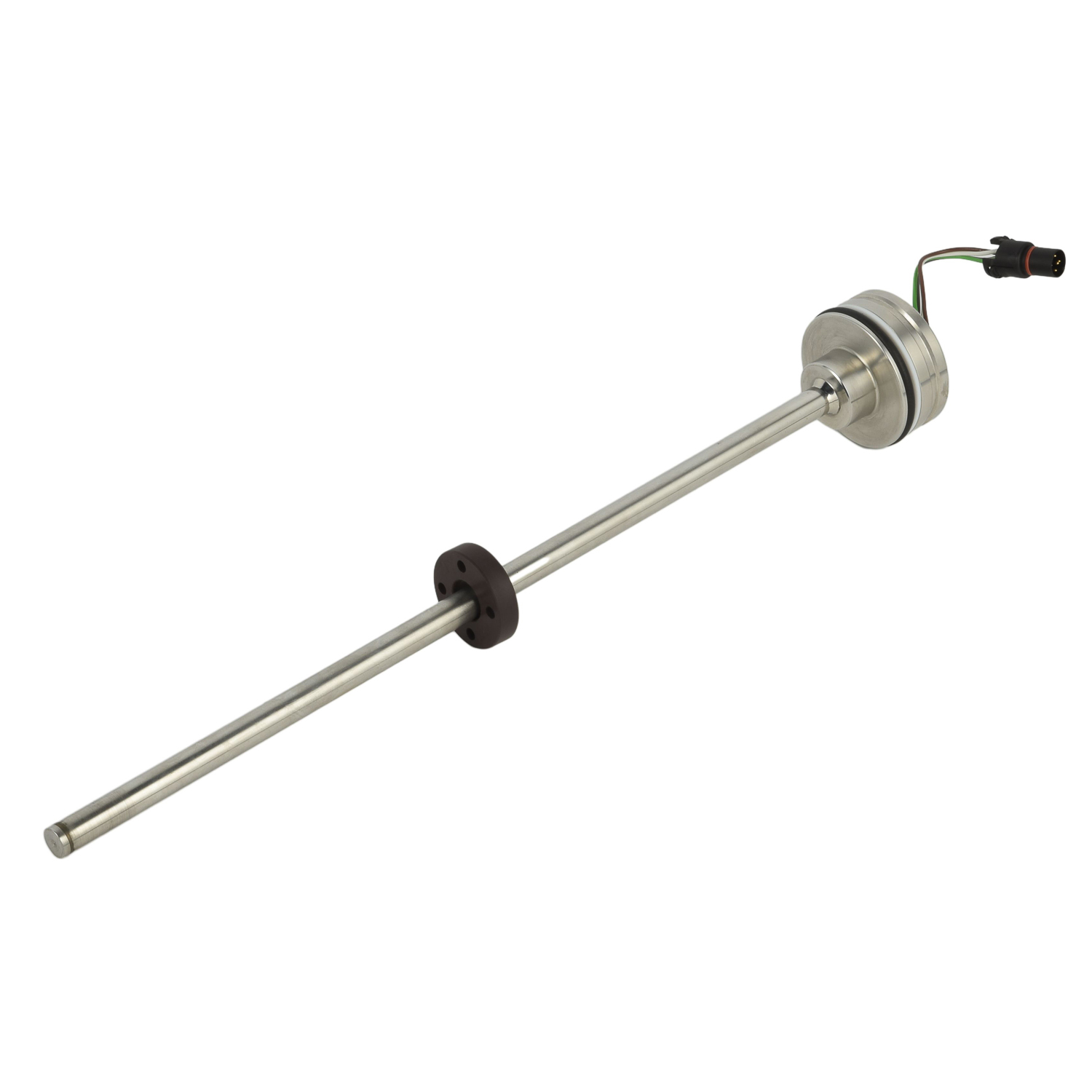
Magnetostrictive sensors represent a sophisticated class of detection devices that operate based on the magnetostrictive effect - a phenomenon where certain materials change shape when exposed to magnetic fields. These sensors generate precise measurements by analyzing torsional stress waves created when magnetic fields interact with magnetostrictive waveguide materials. Unlike simple magnetic sensors, magnetostrictive variants offer superior accuracy in detecting vehicle presence through minute changes in magnetic fields, making them exceptionally reliable for critical parking applications where false readings could disrupt entire systems.
Precision Vehicle Detection and Counting
The primary application of magnetostrictive sensors in parking management involves accurate vehicle detection and counting mechanisms. When installed beneath parking surfaces, these sensors detect vehicles by measuring disturbances in Earth's magnetic field caused by metallic vehicle components. This technology provides near-100% detection accuracy regardless of weather conditions or lighting, outperforming camera-based systems that struggle with darkness or adverse weather. The sensors' ability to distinguish between different vehicle types enables sophisticated parking analytics, helping facility managers optimize space allocation based on vehicle size and frequency patterns.
Real-Time Parking Space Monitoring
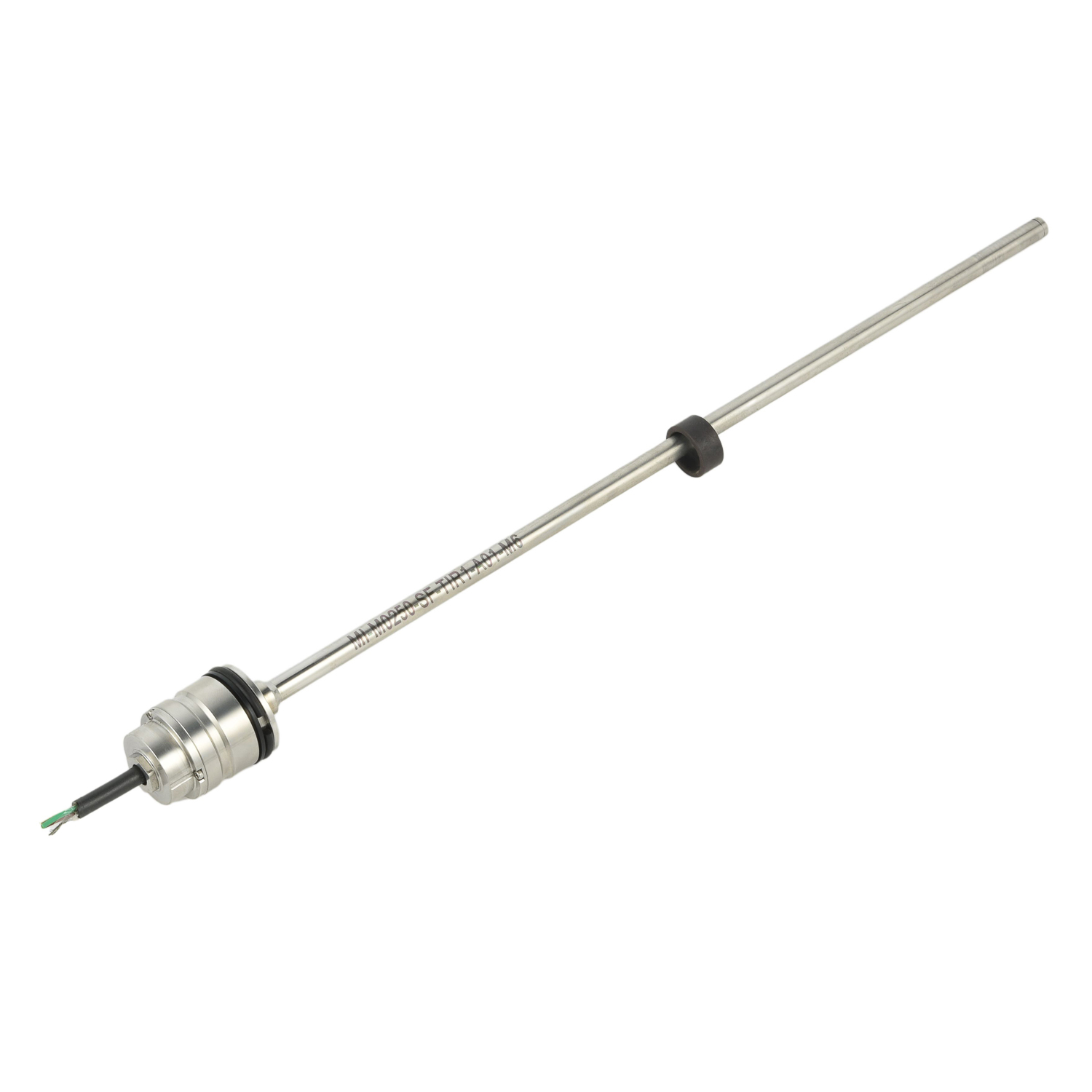
Magnetostrictive sensors form the backbone of real-time parking space monitoring systems by continuously transmitting occupancy data to central management platforms. Each sensor functions as an IoT node within a comprehensive network, updating space availability information within seconds of status changes. This real-time capability allows dynamic pricing models, reduces unnecessary circulation by directing drivers to available spots, and provides valuable usage pattern data for long-term planning. The technology's low latency ensures that parking guidance systems display accurate information, significantly improving user experience and operational efficiency.
Integration with Smart Parking Ecosystems
The true power of magnetostrictive sensors emerges when integrated into broader smart parking ecosystems. These sensors seamlessly connect with payment gateways, reservation systems, and mobile applications through standardized communication protocols. This integration enables fully automated parking experiences where sensors detect vehicle arrival, trigger payment processes, and guide drivers to assigned spaces. Furthermore, the data collected supports predictive analytics for maintenance scheduling and capacity planning, creating a proactive management approach that reduces operational costs while enhancing service quality.
Advantages Over Alternative Sensing Technologies
Compared to infrared, ultrasonic, or camera-based parking sensors, magnetostrictive technology offers distinct advantages that make it ideal for demanding urban environments. Its immunity to environmental interference ensures reliable operation despite rain, fog, or debris accumulation. The sensors' underground installation protects them from vandalism and vehicle damage while maintaining aesthetic appeal. With minimal maintenance requirements and lifespans exceeding ten years, magnetostrictive sensors provide superior long-term value despite higher initial investment, making them the preferred choice for permanent parking infrastructure projects.
Future Developments and Applications
The future of magnetostrictive sensors in parking management points toward increasingly sophisticated applications. Emerging developments include integration with autonomous vehicle systems for precise docking guidance, enhanced data analytics for predictive space availability modeling, and expansion into multi-story parking facilities with complex detection requirements. As smart city initiatives accelerate globally, these sensors will likely incorporate energy harvesting capabilities and advanced communication protocols, further solidifying their position as essential components of urban mobility infrastructure that continuously evolves to meet changing transportation needs.
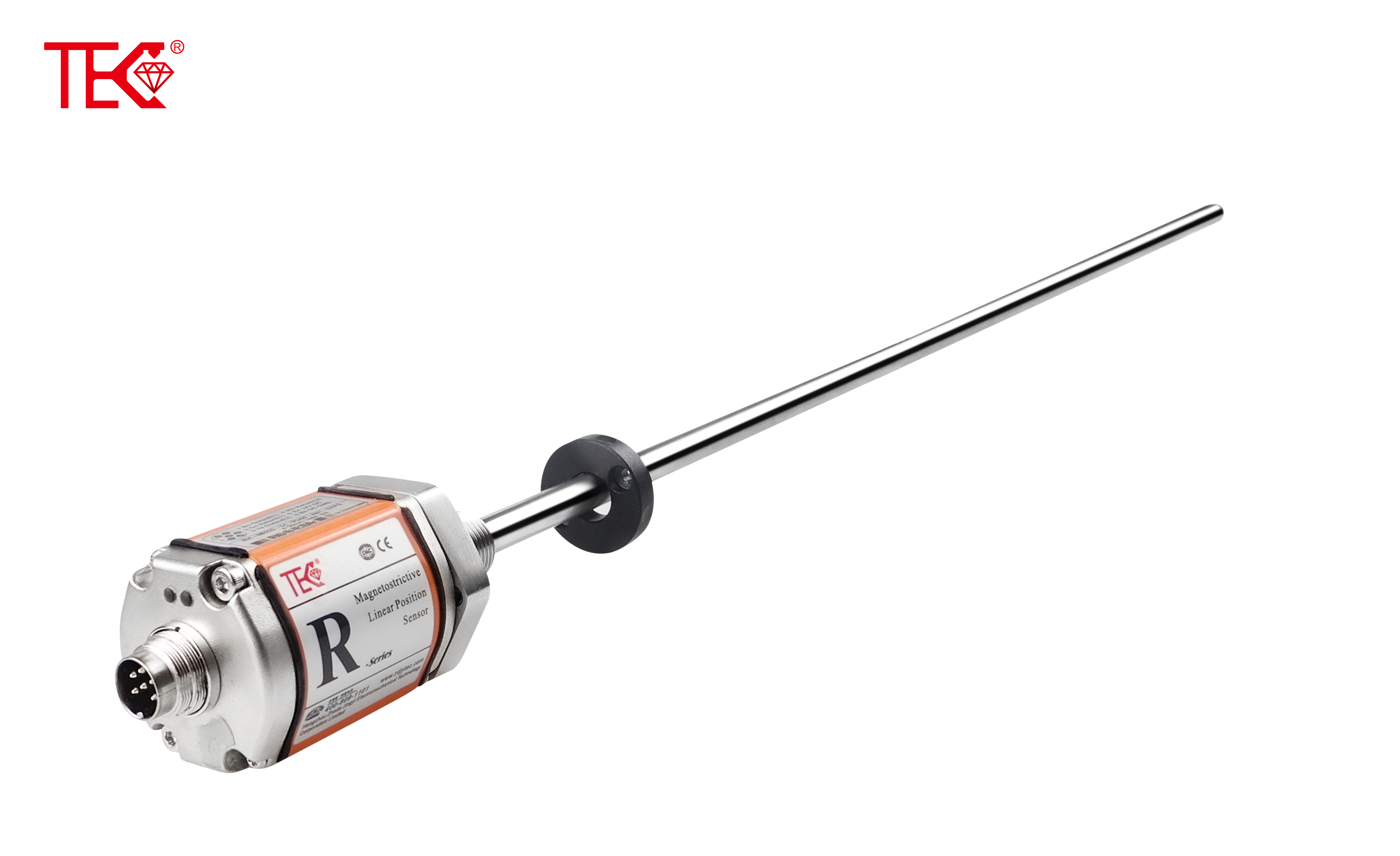 Technical Parameters of Magnet
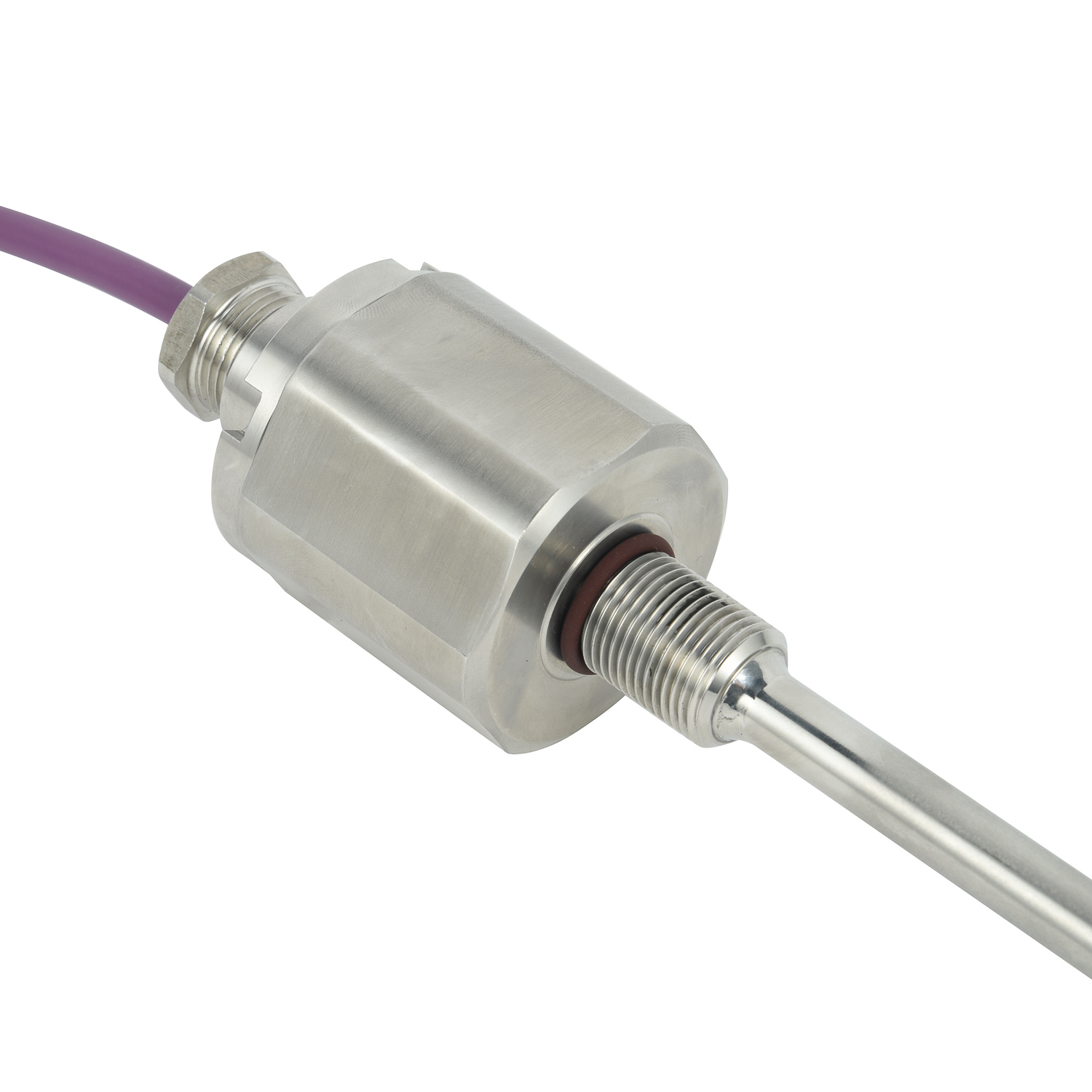 How Much is Magnetostrictive L
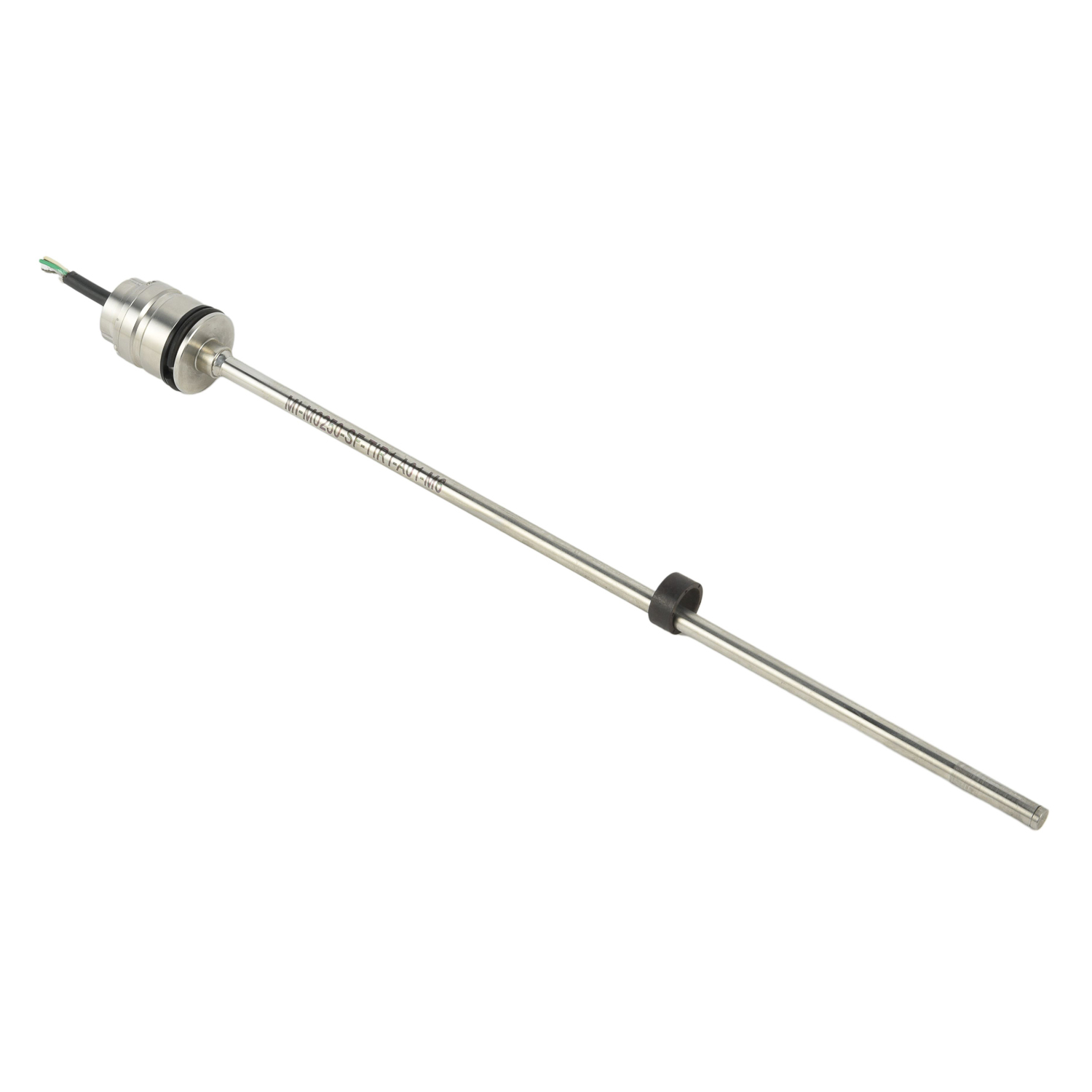 Magnetostrictive Level Gauge P
 Magnetostrictive Level Gauge S