
Why are magnetostrictive sensors standard in construction machinery?
In the demanding world of construction, where equipment faces extreme conditions and precision is paramount, magnetostrictive sensors have emerged as the undisputed champion for critical measurement tasks. These sophisticated devices provide the reliable data needed to ensure both safety and efficiency on job sites worldwide. Their adoption as a standard component is not accidental but the result of superior engineering meeting practical necessity.
Unmatched Precision in Harsh Environments
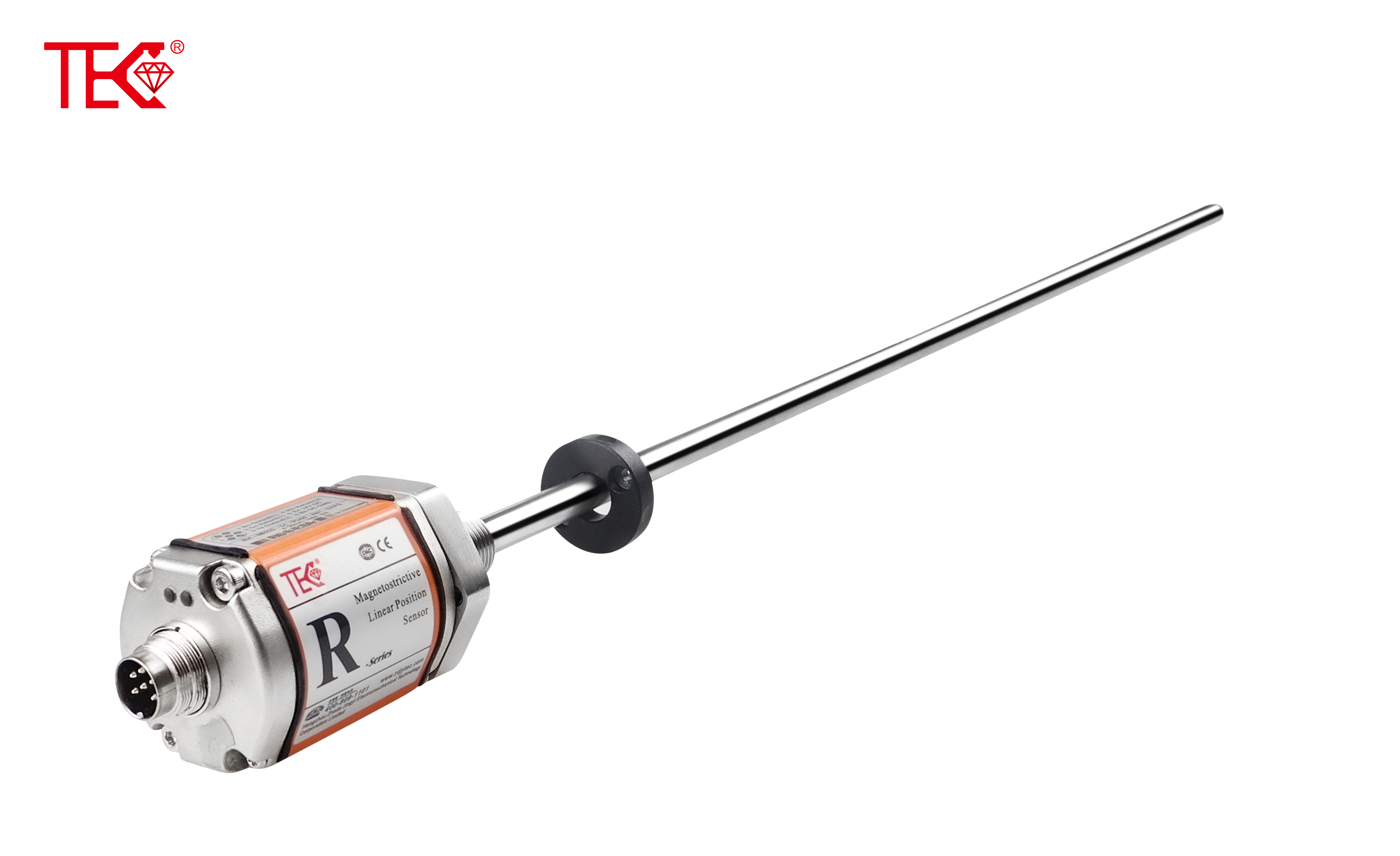
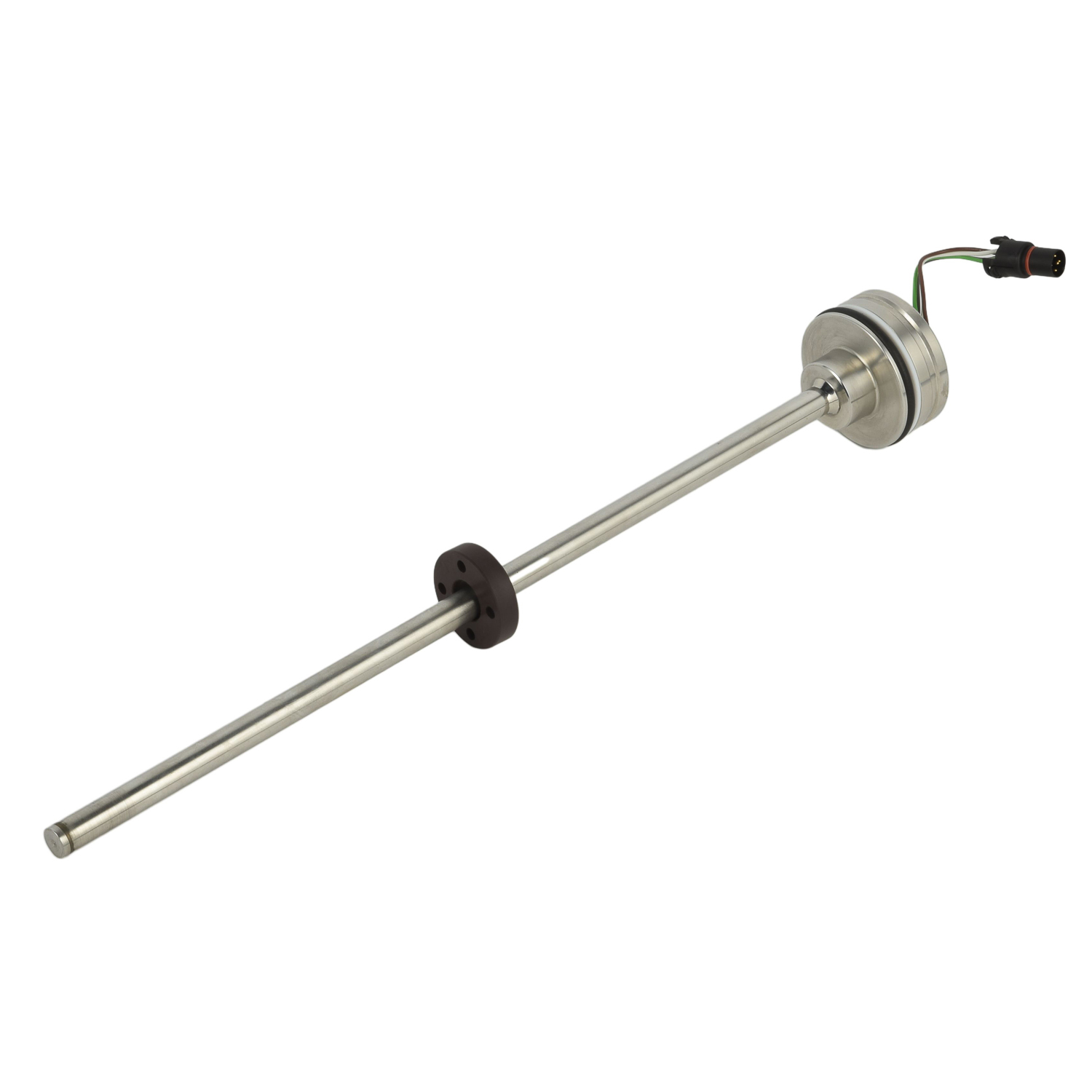
The fundamental advantage of magnetostrictive sensors lies in their non-contact measurement principle. A torsional strain wave is generated by the interaction between a permanent magnet ring and a current pulse in a waveguide. By precisely measuring the time it takes for this wave to travel, the sensor determines the magnet's position with remarkable accuracy. This technology delivers continuous, absolute position measurement with resolutions down to micrometers, which is essential for the precise control of hydraulic cylinders in applications like crane booms and excavator arms. Unlike potentiometers or other contact-based sensors, there is no mechanical wear, ensuring the precision remains consistent over the sensor's entire lifespan, even when exposed to constant vibration, shock, and temperature fluctuations common on construction sites.
Built to Withstand Extreme Conditions
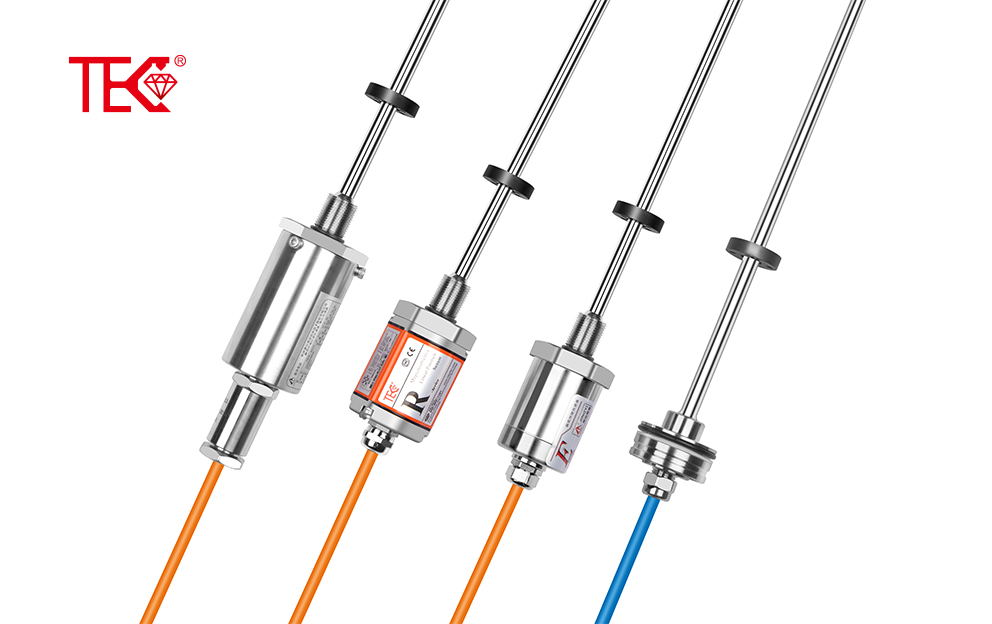
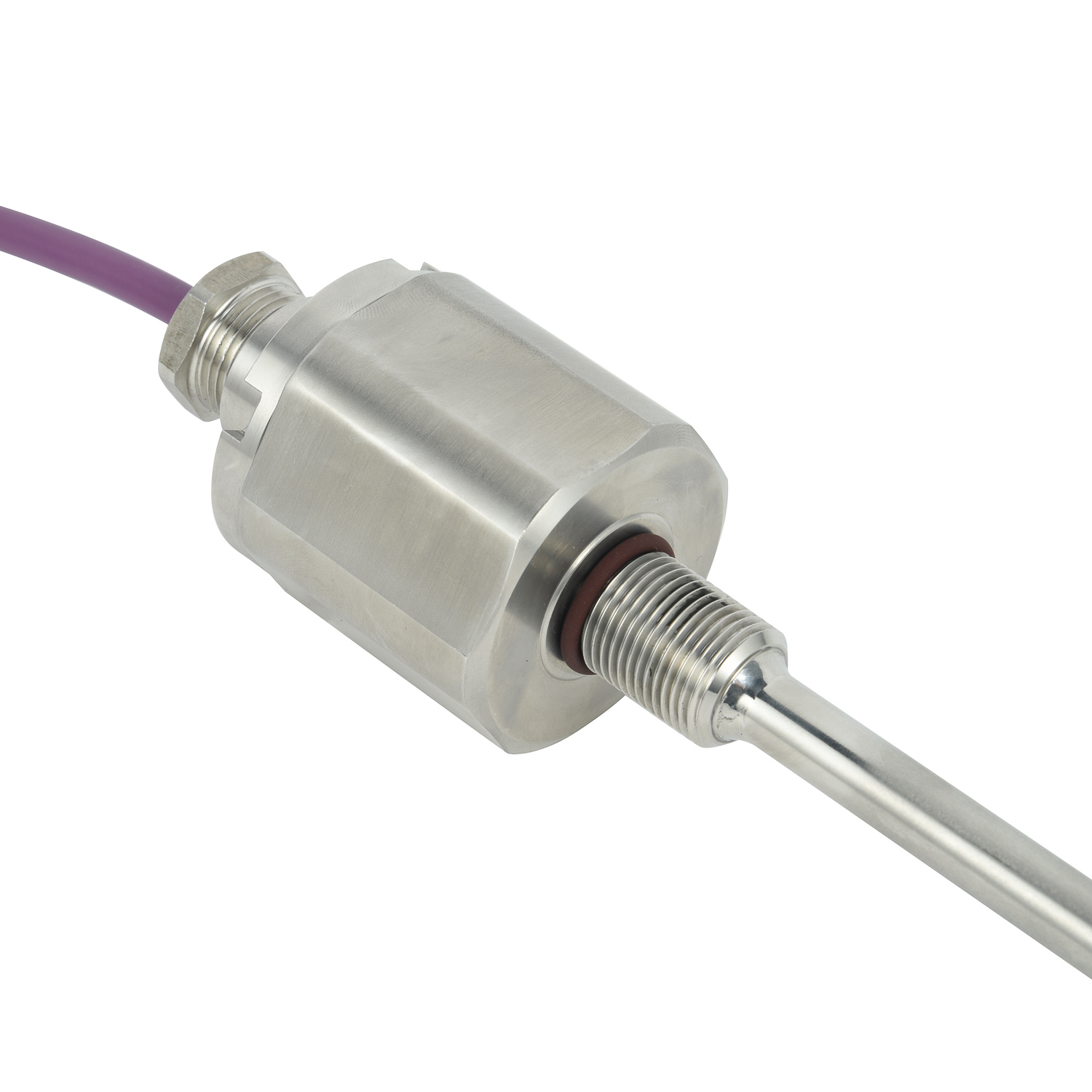
Construction machinery operates in some of the most punishing environments imaginable. Magnetostrictive sensors are specifically engineered for this reality. They are typically housed in robust, sealed stainless steel tubes that protect the internal components from moisture, dust, corrosive chemicals, and high-pressure washdowns. Their inherent durability means they can survive the intense shocks and vibrations that would quickly destroy lesser sensors. This ruggedness translates directly into reduced downtime and lower maintenance costs, as the sensors require no recalibration or replacement throughout thousands of hours of operation. This reliability is a key reason why OEMs standardize on this technology for mission-critical functions.
The Critical Role in Hydraulic System Control
The primary application of magnetostrictive sensors in construction equipment is the precise positioning of hydraulic cylinders. These cylinders are the muscles of machines like excavators, bulldozers, and concrete pumps. The sensor provides real-time feedback on the piston rod's position within the cylinder, enabling the machine's control system to execute movements with pinpoint accuracy. This allows for smooth, controlled operation when digging, lifting, or grading, enhancing both operator safety and productivity. Furthermore, this precise control contributes to better fuel efficiency and reduced wear on the hydraulic components themselves, leading to a lower total cost of ownership.
A Foundation for Automation and Safety
As the construction industry moves towards increased automation and telematics, the role of reliable sensors becomes even more critical. Magnetostrictive sensors provide the essential data backbone for automated grade control systems, anti-collision systems, and load monitoring. The high-resolution, absolute position data they deliver ensures that automated functions operate safely and effectively. This data can also be fed into telematics platforms for predictive maintenance, alerting managers to potential issues before they lead to costly breakdowns. By providing a trustworthy signal in real-time, these sensors form a foundational element for the smarter, safer construction sites of the future.
Conclusion: The Standard for a Reason
The combination of high accuracy, exceptional durability, and reliable performance under extreme conditions makes magnetostrictive sensors the logical and superior choice for construction machinery. While other sensing technologies exist, none offer the same comprehensive package of benefits tailored to the unique challenges of this industry. Their ability to provide critical data for precise control, while enduring the harshest environments, justifies their status as the standard component, ensuring that modern construction equipment remains productive, efficient, and safe.
 Technical Parameters of Magnet
 How Much is Magnetostrictive L
 Magnetostrictive Level Gauge P
 Magnetostrictive Level Gauge S