
What's the health monitoring solution using magnetostrictive technology in wearables?
In the rapidly evolving landscape of digital health, a groundbreaking innovation is capturing attention: magnetostrictive technology integrated into wearable devices. This advanced approach represents a significant leap beyond conventional monitoring methods, offering unprecedented precision in tracking vital health parameters. Unlike traditional optical sensors that struggle with accuracy during movement or on diverse skin tones, magnetostrictive solutions maintain consistent performance regardless of external conditions. The technology's ability to provide medical-grade data through everyday wearables marks a transformative moment for both consumers and healthcare providers seeking reliable, continuous health insights.
How Magnetostrictive Sensors Work in Wearable Technology
At the core of this innovation lies the magnetostrictive effect – a phenomenon where certain materials change shape when exposed to magnetic fields. In wearable applications, miniature sensors contain precisely engineered magnetostrictive elements that respond to subtle physiological changes. As blood pulses through arteries or muscles contract during activity, these microscopic dimensional changes generate detectable magnetic signatures. Sophisticated algorithms then translate these signals into accurate readings of heart rate, blood pressure, and even hydration levels. This physics-based approach eliminates the limitations of light-based sensing, functioning equally well during intense exercise or while sleeping.
Key Health Parameters Measured with Unprecedented Accuracy
The implementation of magnetostrictive technology enables comprehensive health assessment through multiple vital sign measurements. Cardiovascular monitoring reaches new levels of reliability with continuous blood pressure tracking without inflation, while respiratory rate detection occurs through chest wall movement analysis. The technology additionally captures subtle cardiac rhythms that might indicate emerging health issues, providing early warning capabilities far superior to conventional wearables. This multi-parameter approach creates a holistic health picture, empowering users with deeper insights into their physical condition than ever before possible in consumer-grade devices.
Advantages Over Traditional Wearable Monitoring Methods
Magnetostrictive wearables offer distinct benefits that address critical gaps in existing health technology. Their immunity to motion artifacts ensures accurate readings during physical activities where optical sensors typically fail. The technology performs consistently across all skin pigmentation levels, resolving a significant equity issue in health monitoring. With significantly lower power requirements than optical systems, these devices achieve extended battery life while maintaining continuous monitoring. Perhaps most importantly, the direct measurement approach reduces calibration needs and provides clinical-grade data reliability that bridges the gap between consumer convenience and medical device accuracy.
Real-World Applications and Future Potential
The practical applications of magnetostrictive health monitoring span from fitness enthusiasts optimizing workouts to chronic disease patients managing conditions like hypertension. Corporate wellness programs integrate these wearables for objective health assessment, while remote patient monitoring systems leverage the technology for telehealth interventions. The future potential extends to detecting early signs of cardiovascular diseases, monitoring stress levels through vascular changes, and even assessing neurological conditions through micro-vibrations. As the technology matures, integration with AI-powered health platforms will enable predictive health insights, potentially transforming reactive healthcare into proactive wellness management.
Implementation Challenges and Technical Considerations
Despite the promising advantages, implementing magnetostrictive technology presents engineering challenges that manufacturers must address. Sensor placement requires precise positioning relative to arteries for optimal signal acquisition, while electromagnetic interference from environments must be mitigated through advanced shielding techniques. The development of proprietary algorithms to interpret complex magnetic signatures represents significant research investment, and regulatory approval pathways demand rigorous clinical validation. However, ongoing miniaturization of components and improving manufacturing processes continue to reduce these barriers, paving the way for broader adoption across consumer and medical wearable markets.
The integration of magnetostrictive technology into wearable devices represents more than just incremental improvement – it constitutes a fundamental shift in how we monitor human health. By leveraging precise physical principles rather than indirect optical measurements, this approach delivers the reliability needed for meaningful health decisions while maintaining the convenience users expect from modern wearables. As development continues and adoption grows, magnetostrictive solutions promise to play a crucial role in the future of personalized healthcare, empowering individuals with accurate, continuous health insights that were previously available only in clinical settings.
 Technical Parameters of Magnet
 How Much is Magnetostrictive L
 Magnetostrictive Level Gauge P
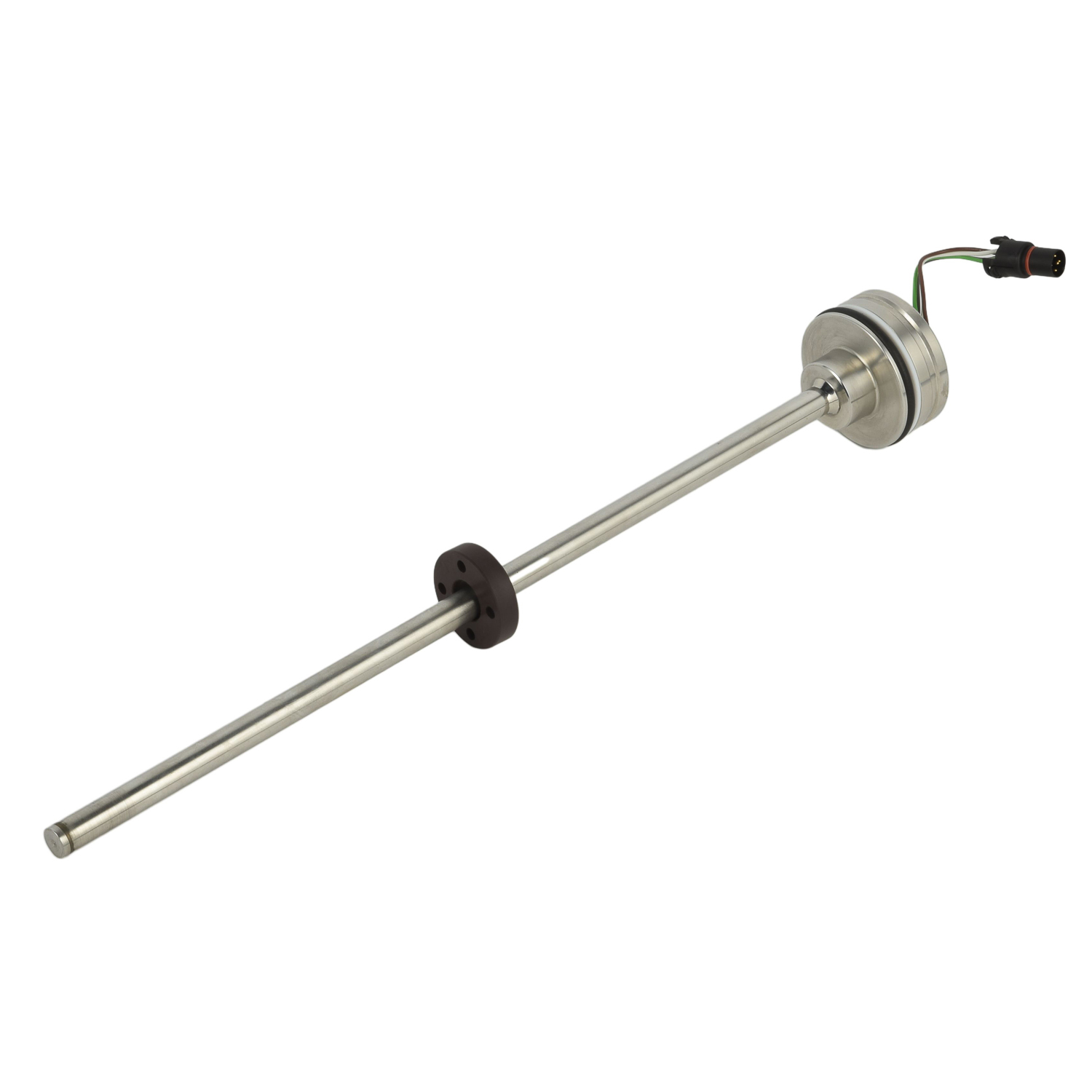 Magnetostrictive Level Gauge S