
Mixing Station Material Tank Turbine Flowmeter Field Application
At a concrete mixing station, accurate control of liquid additives and water directly affects mix quality and cost. The turbine flowmeter installed on the material tank outlet is a practical field solution. It measures flow by converting fluid velocity into rotor rotation, then into pulse signals. For field application, the meter should be mounted on a straight pipe section with sufficient upstream and downstream lengths, away from pumps, valves, and elbows that create turbulence. Before installation, flush the tank and pipeline to remove welding slag and sand, because debris can jam the rotor and cause under-reading. Select a flow range that keeps normal dosing within 20%-80% of the meter's capacity. For additive liquids with viscosity or suspended particles, use a suitable filter and verify compatibility. During commissioning, zero the display, check pulse output, and compare totalized volume with a graduated container. In daily field operation, operators should monitor instantaneous flow and alarm signals, clean the filter regularly, and inspect the rotor for wear or sticking. A bypass line helps maintenance without stopping batching. Proper grounding and shielded cable reduce signal interference from mixers and motors. With correct installation, periodic calibration, and simple maintenance, the turbine flowmeter provides reliable dosing feedback, reduces material waste, and supports stable production at the mixing station. Record calibration dates and batch totals for traceability.
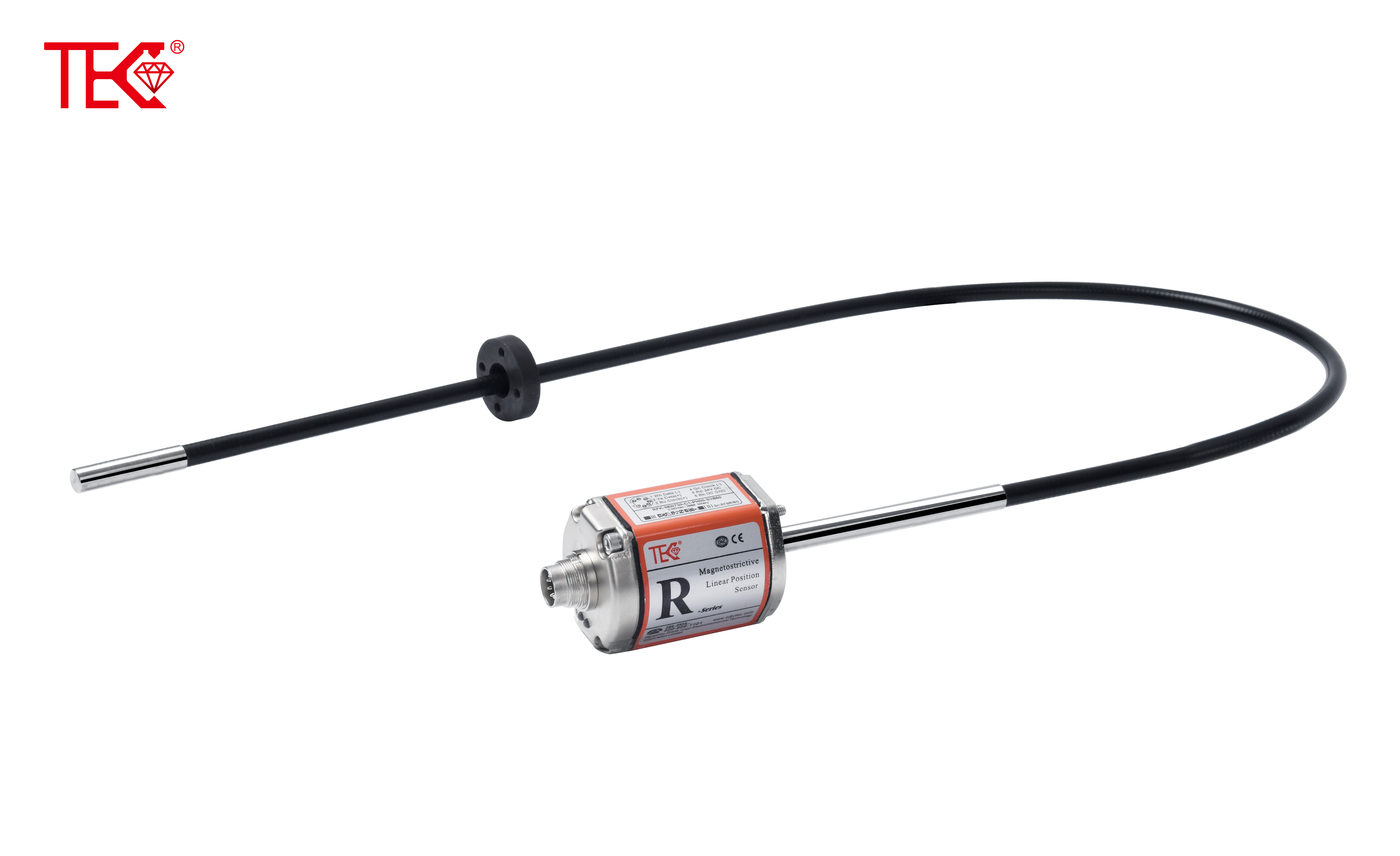
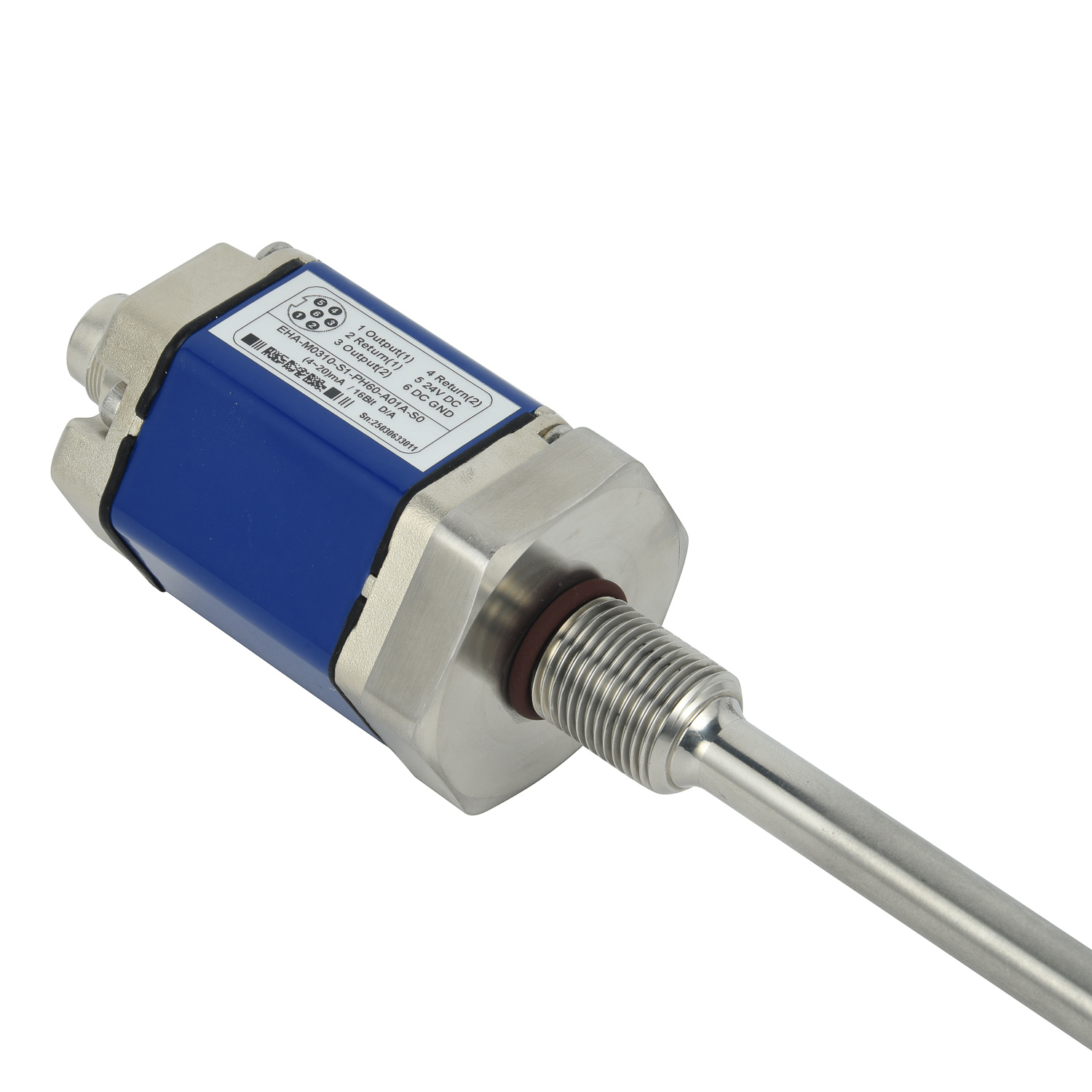 Sewage Treatment Gate Waterpro
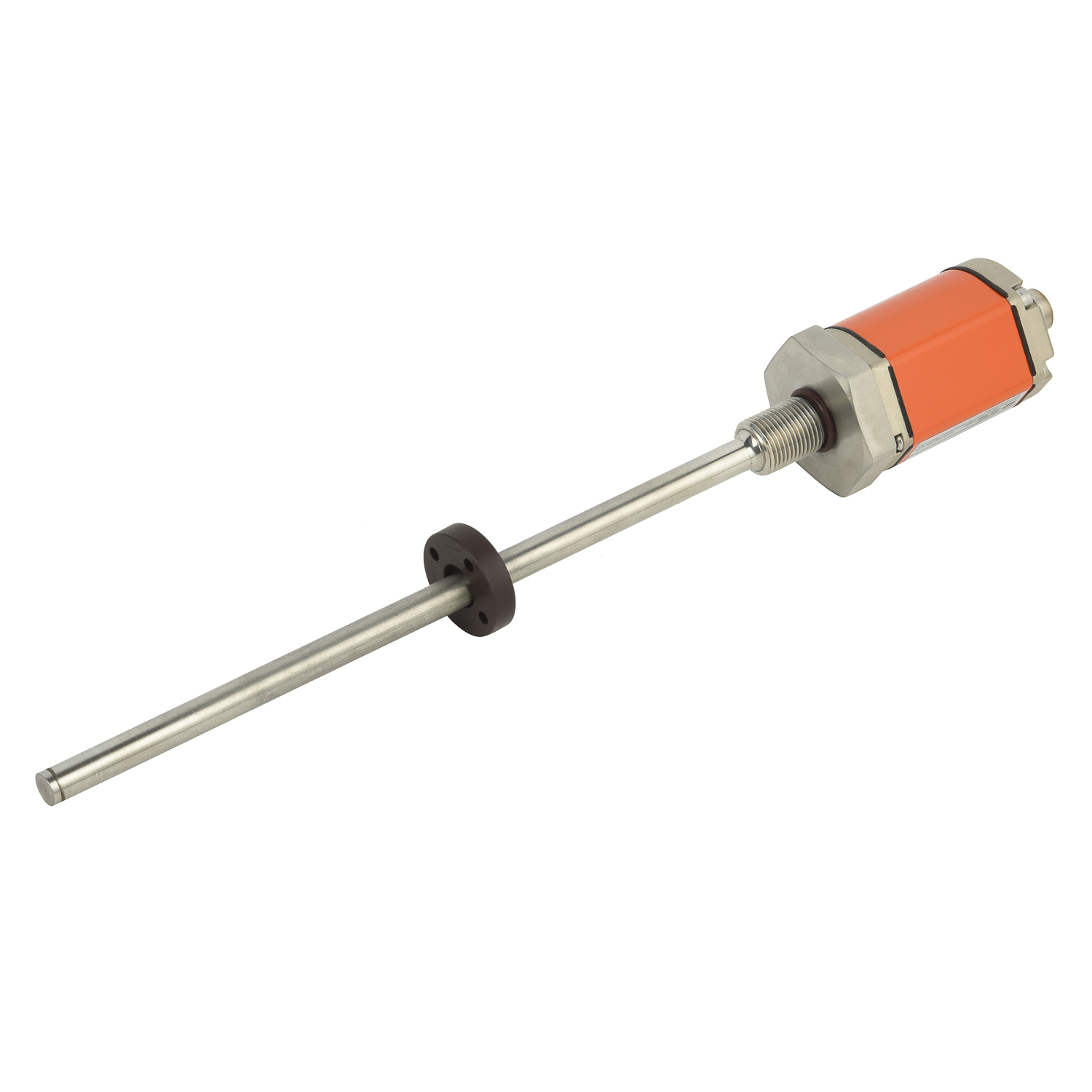 Cement Storage Tank High-press
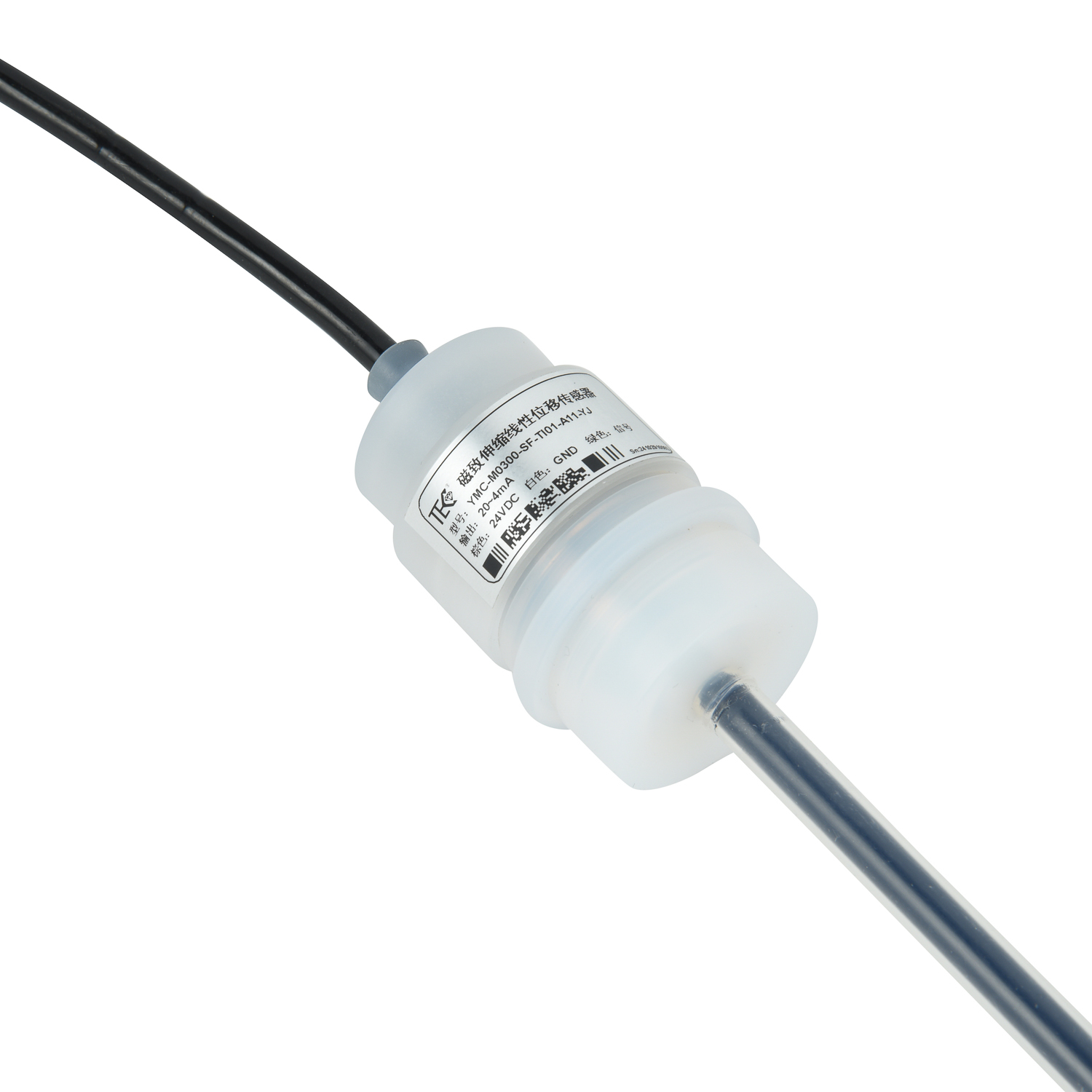 Mining Silo Intrinsically Safe
 Metallurgy Reaction Kettle Hig