
Silo High-temperature Electromagnetic Flowmeter Fault
Silo high-temperature electromagnetic flowmeter faults usually show as zero drift, unstable readings, signal loss, or lining damage. Heat is the main risk. In silos, radiant heat, poor ventilation, and conductive dust can push the meter body beyond its rated temperature. This weakens the lining, coils, and seals. Common causes include a wrong temperature rating, blocked cooling fins, loose grounding, damaged electrodes, and moisture in the terminal box. First, isolate the process and record the alarm and flow trend. Check power supply, grounding, cable shielding, and terminal tightness. Compare the display with a portable meter or process balance. Inspect the lining and electrodes for cracks, scaling, or corrosion. Replace damaged parts with high-temperature-compatible components. Confirm that the flowmeter is installed away from hot surfaces and that cooling or insulation is intact. For conductive slurry, keep electrodes clean and ensure the pipe is full. Recalibrate the transmitter after repair and monitor it for 24 hours. Preventive maintenance should include periodic thermal checks, grounding tests, seal inspection, and spare parts control. Keep the terminal box dry and sealed. If faults recur, review the temperature class, installation position, and silo operating cycle. Correct diagnosis protects measurement accuracy and reduces unplanned downtime. Train operators to report drift and overheating early, and keep maintenance records for trend analysis.
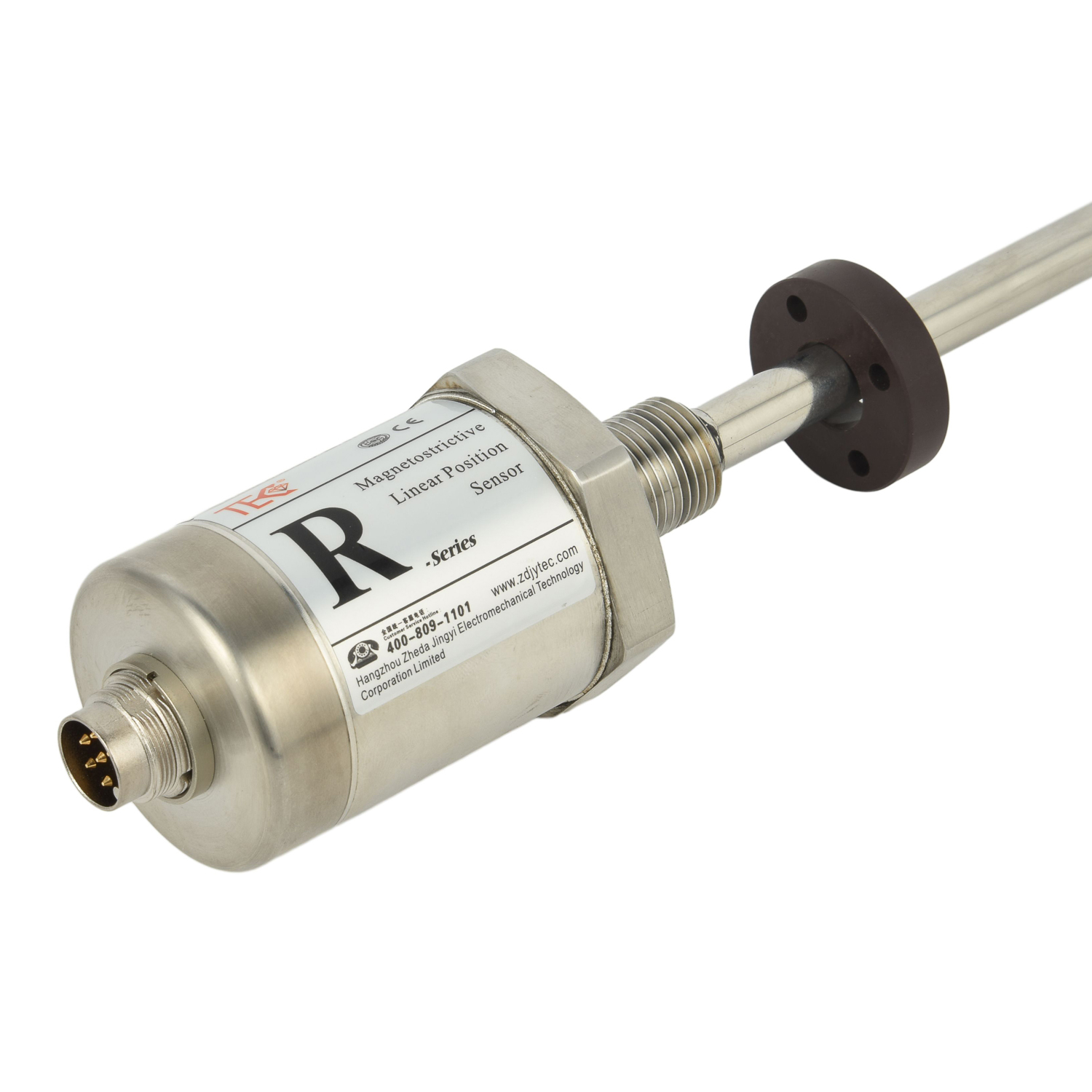 Silo High-temperature Electrom
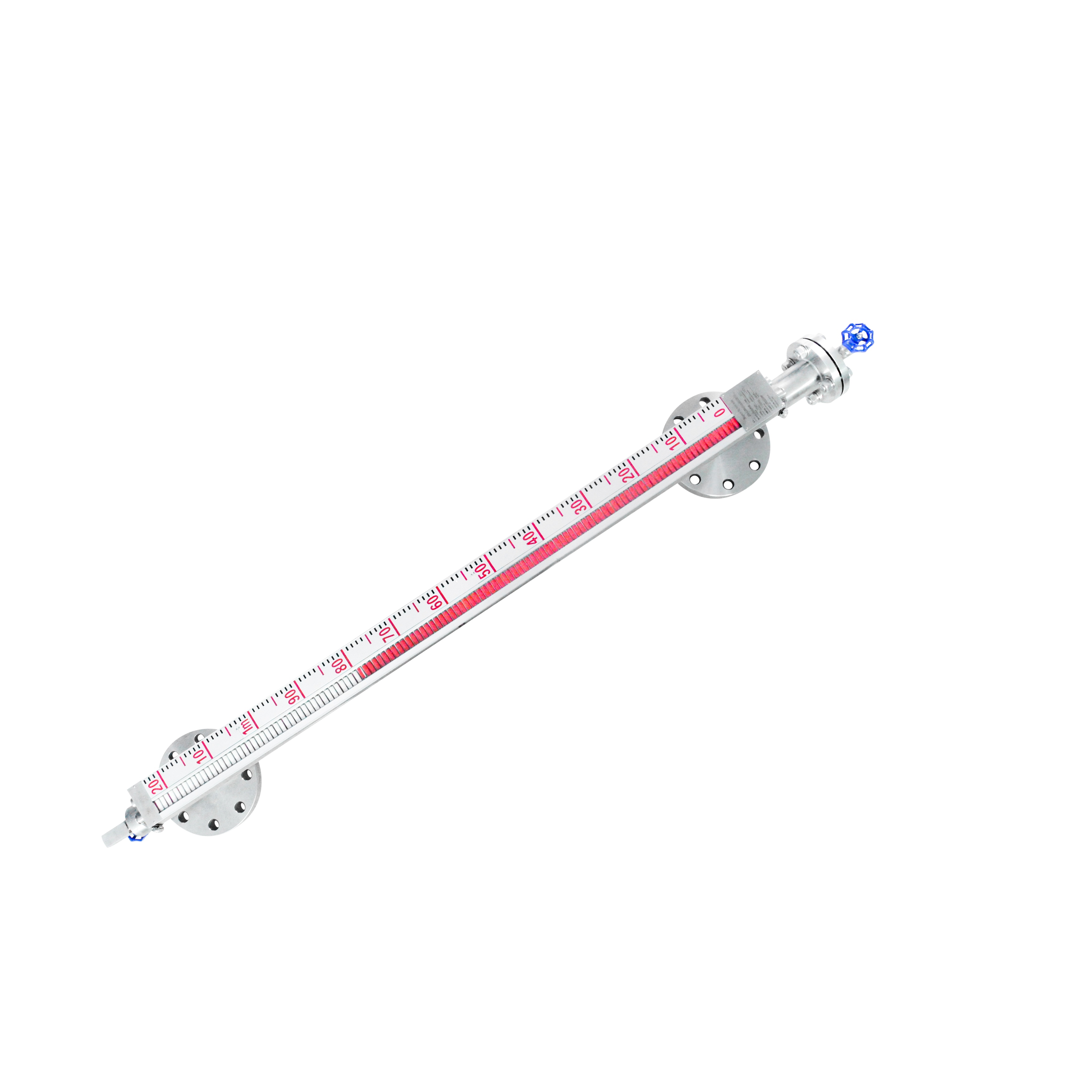 Reaction Kettle Explosion-proo
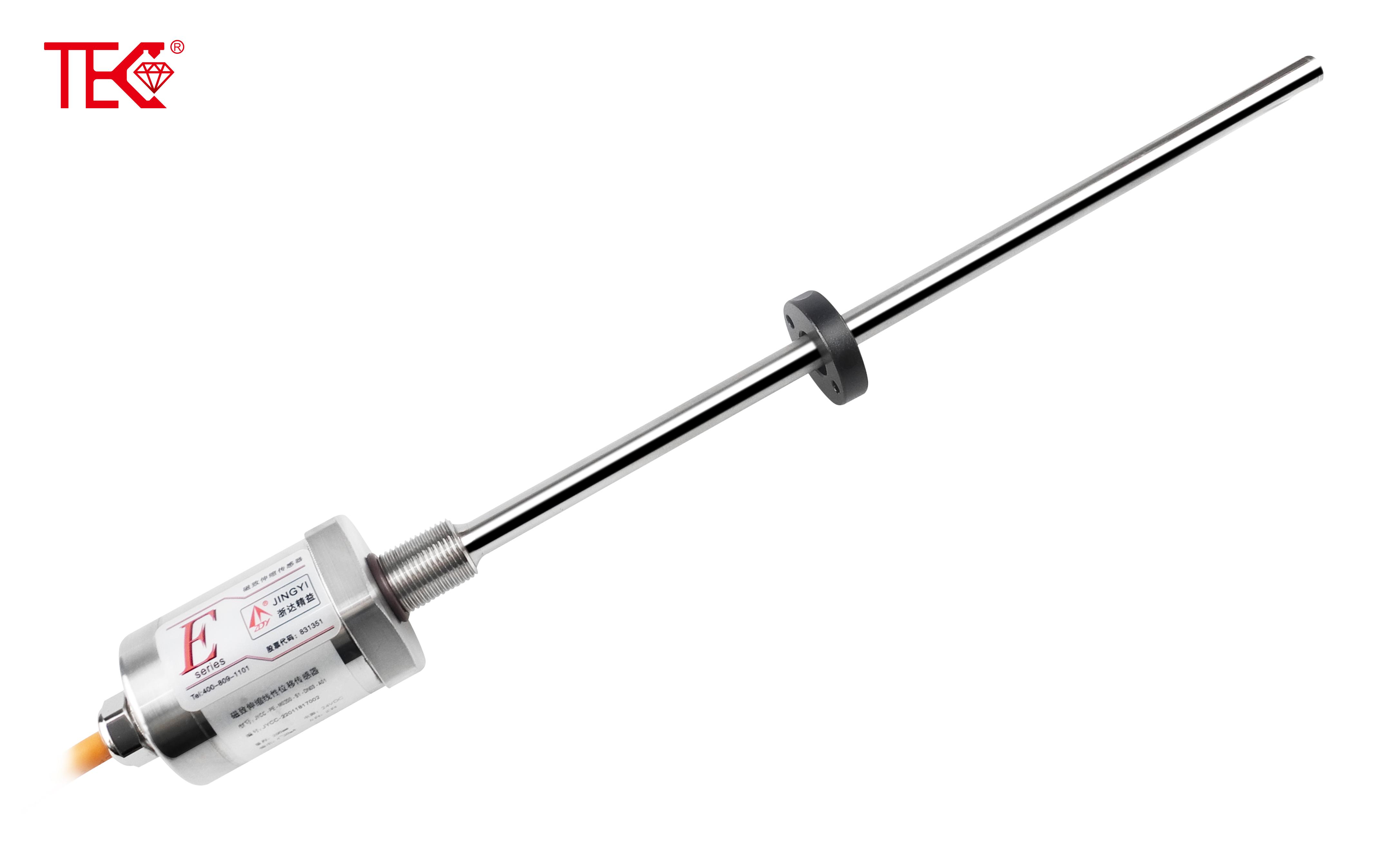 Material Tank Rod-type Electro
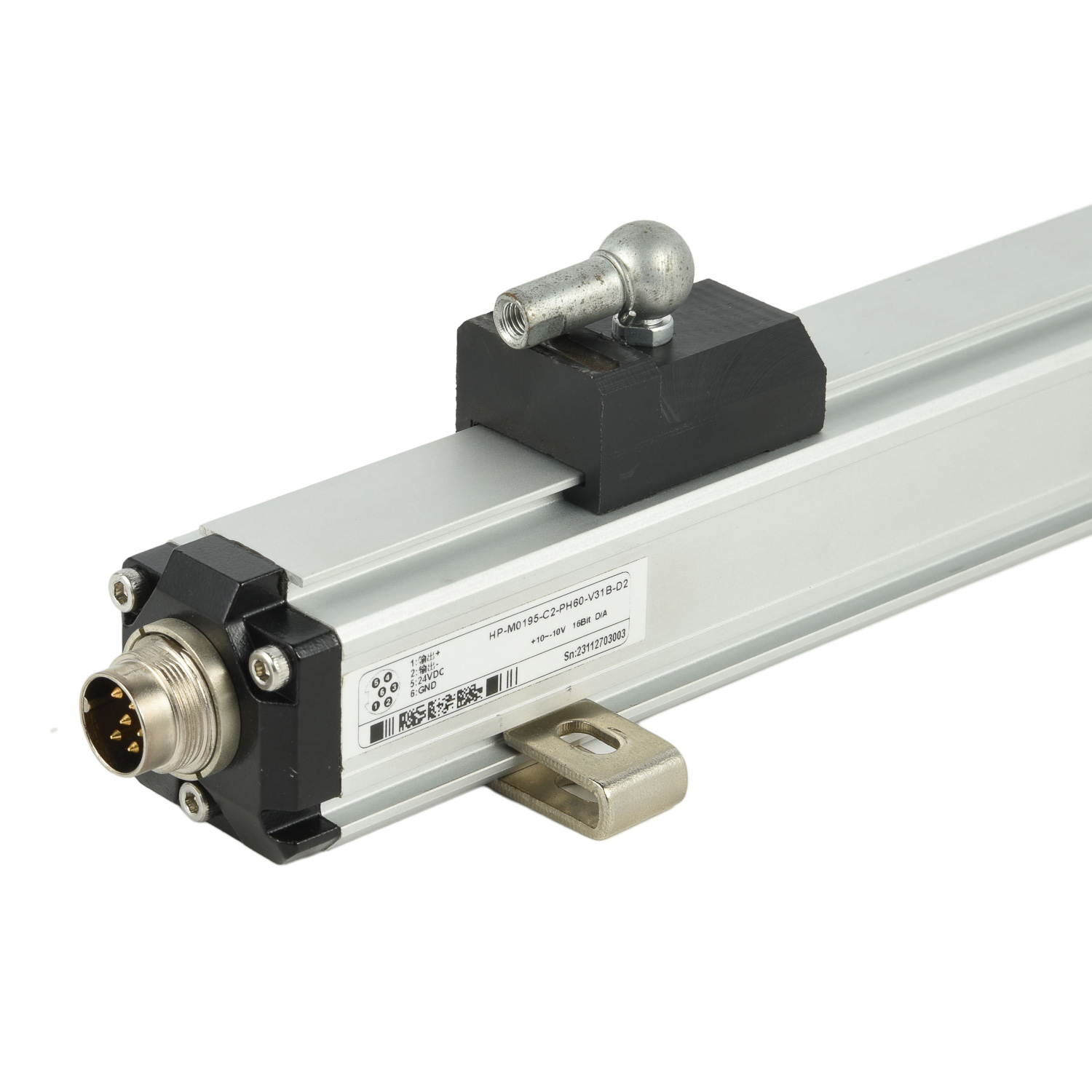 Storage Tank Flange-mounted El