
Chemical Reaction Kettle High-pressure Radar Sensor Selection
Selecting a high-pressure radar sensor for a chemical reaction kettle requires careful matching to pressure, temperature, chemistry, mixing, and safety conditions. First, confirm the maximum working pressure and temperature, then select a sensor with an appropriate flange, antenna, and sealing system. For aggressive media, choose corrosion-resistant wetted parts such as PTFE-covered antennas, Hastelloy flanges, or ceramic seals. In high-pressure vessels with foam, vapor, condensation, or agitation, 80 GHz radar sensors often provide a narrow beam and reliable focusing. Check the process liquid's dielectric constant; low-dielectric media may require guided-wave radar or a more sensitive configuration. Explosion-proof certification, SIL rating, output protocol, and local regulations must meet plant safety and control requirements. Confirm the output signal, power supply, display interface, and hazardous-area classification before installation, and document calibration settings for traceability. Consider nozzle height, installation position, and dead zones to avoid interference from agitators, coils, and baffles. A robust radar sensor should deliver stable measurement, easy commissioning, and remote diagnostics. Also review temperature compensation, pressure sealing, and long-term drift. Finally, verify vendor support, calibration services, and spare parts availability. Proper selection improves level control, reduces downtime, and protects high-pressure chemical reaction processes.
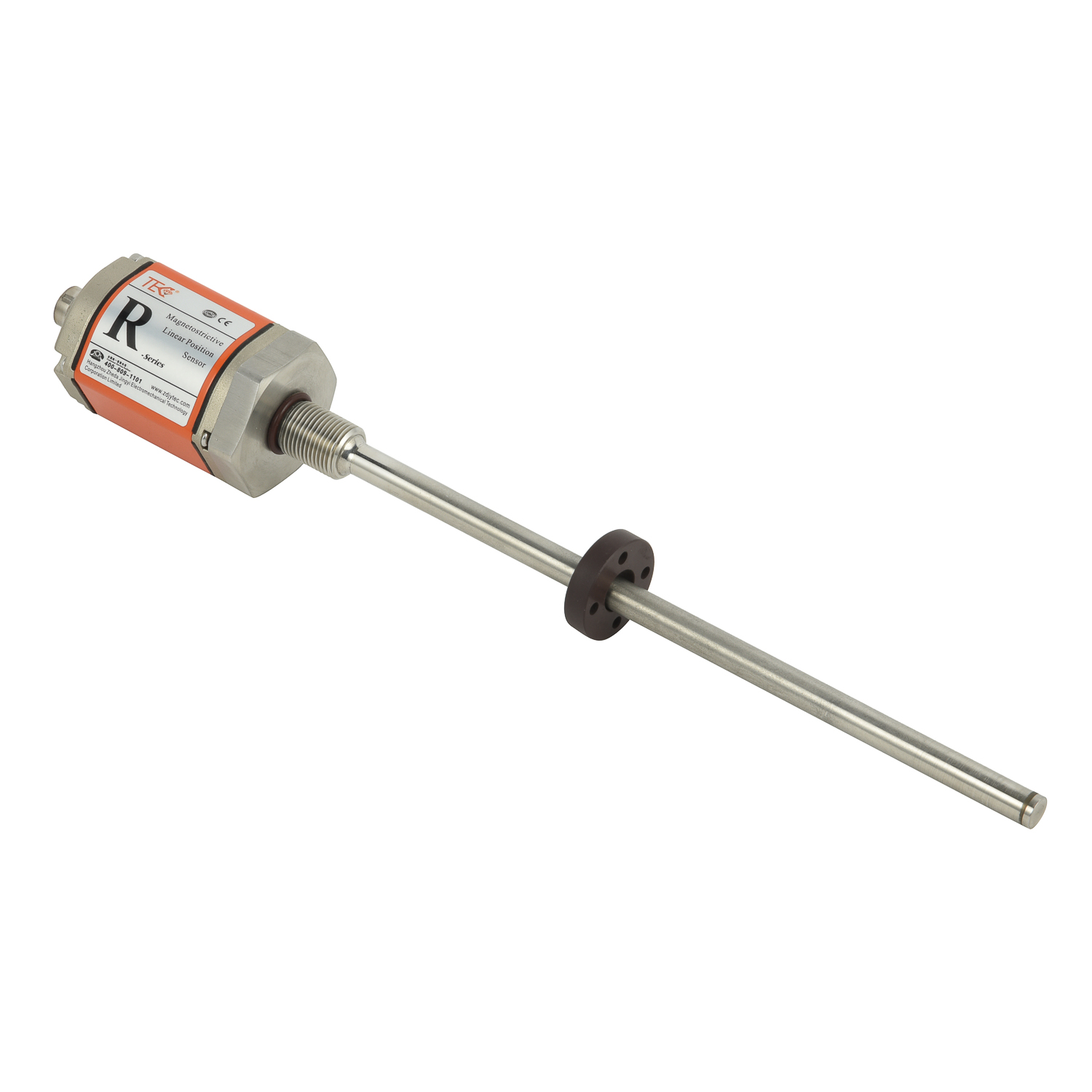 Chemical Reaction Kettle High-
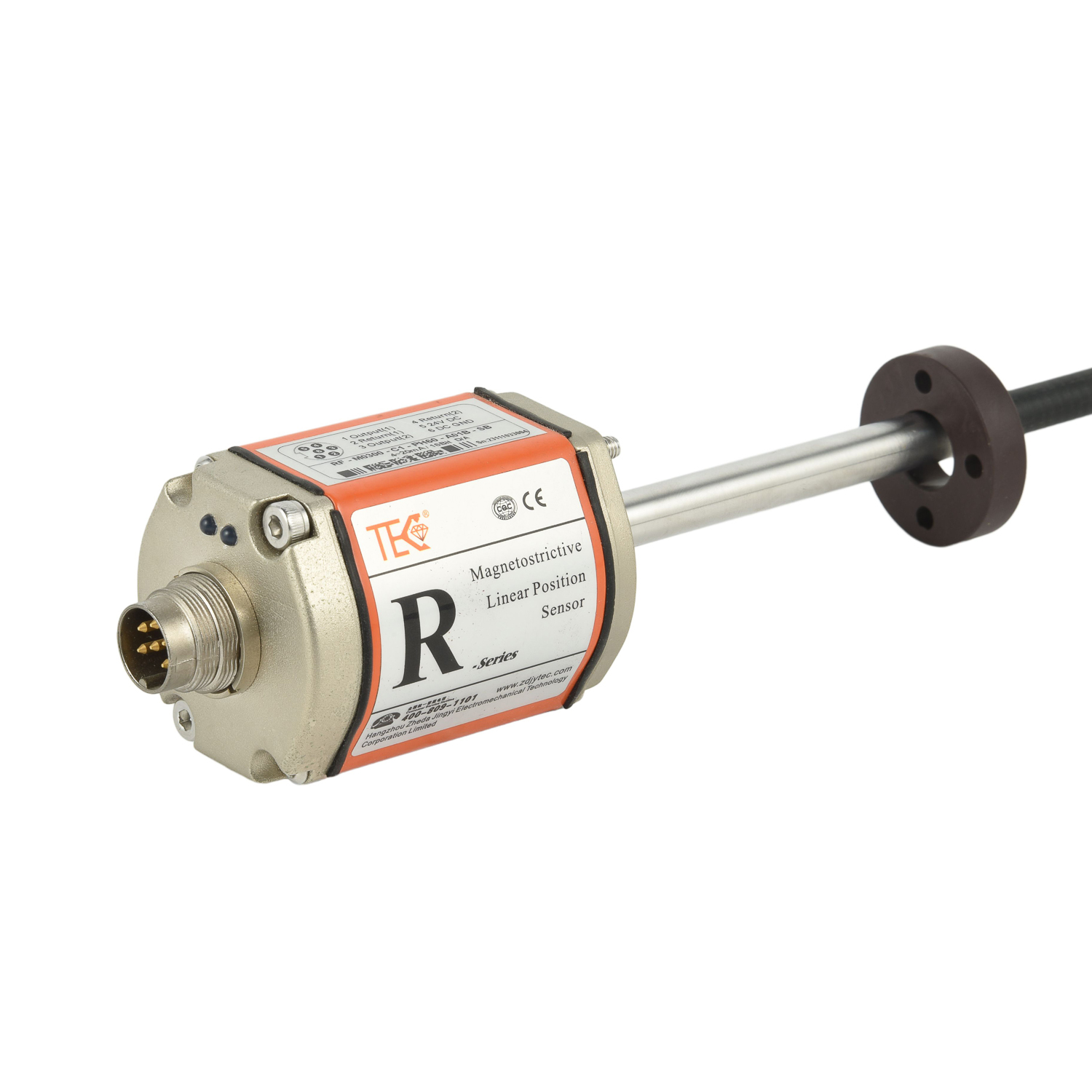 Mining Storage Tank High-tempe
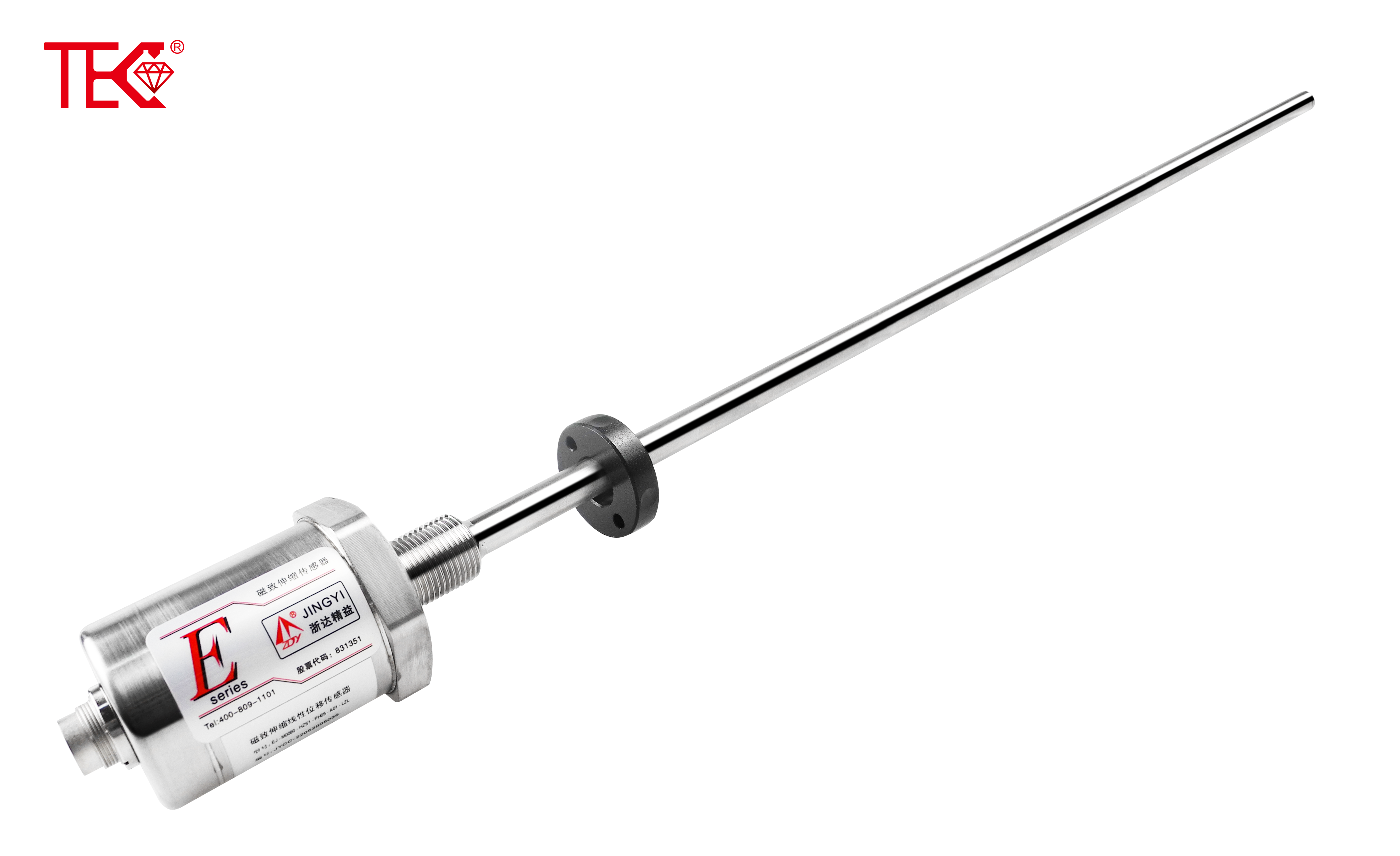 Metallurgy Material Tank Explo
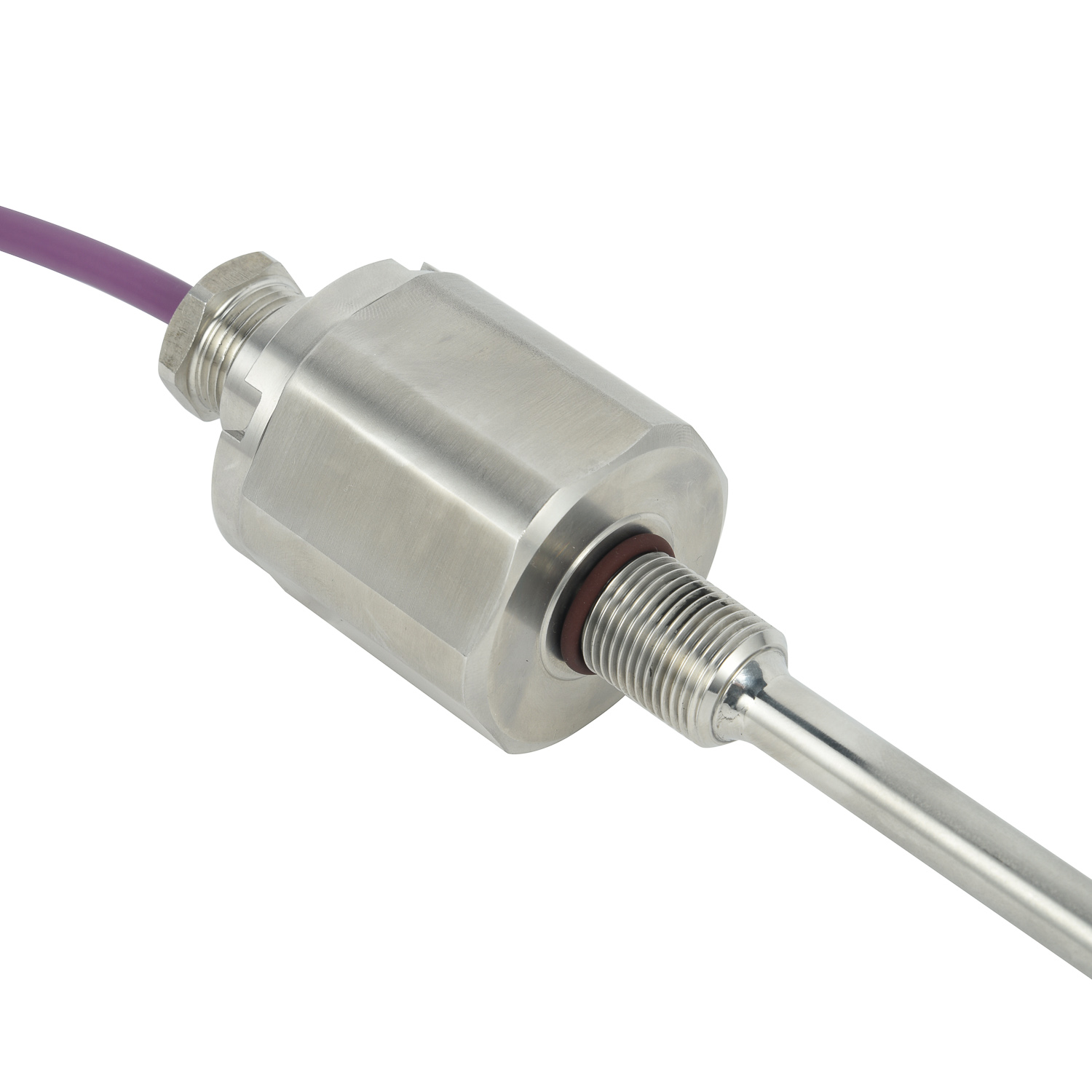 Chemical Industry Corrosion-re