
Metallurgy High-pressure Crane and Trolley Positioning Selection
Selecting a metallurgy high-pressure crane and trolley positioning system starts with process duty, not a catalog. Define lift capacity, span, travel speeds, duty class, ambient heat, dust, steam, and required stopping accuracy for long travel, cross travel, and hoist. In steel plants, M8 or higher duty, high temperature, and shock loads demand robust structures, insulated motors, heat shields, and reliable brakes. For trolley positioning, match the measuring principle to the environment. Absolute encoders suit rack-and-pinion or cable-driven trolleys; laser distance sensors offer non-contact measurement on long runways; magnetostrictive or linear encoders provide repeatable feedback where rails are stable. Avoid single-point sensing. Use redundant encoders, mechanical limit switches, laser anti-collision, and PLC safety logic. Confirm emergency braking, overload protection, and fail-safe travel limits before approval. Calibrate rail alignment and test repeatability under load. Controls should include anti-sway, creep speed, brake monitoring, and service diagnostics. High-pressure washdown or steam zones require IP65+ enclosures, stainless hardware, sealed connectors, and protected cable tracks. Compare lifecycle cost, spare parts, and local service, not only purchase price. During commissioning, document zero, span, repeatability, drift, and emergency stop performance. Train operators and maintenance teams on calibration and fault response. Review vendor references in similar steelmaking or continuous casting areas. Document calibration intervals, spare sensor strategy, and response times in the maintenance plan. Choose vendors who can support rapid troubleshooting during 24/7 production. A successful selection links mechanical design, sensing, and control into one validated positioning package.
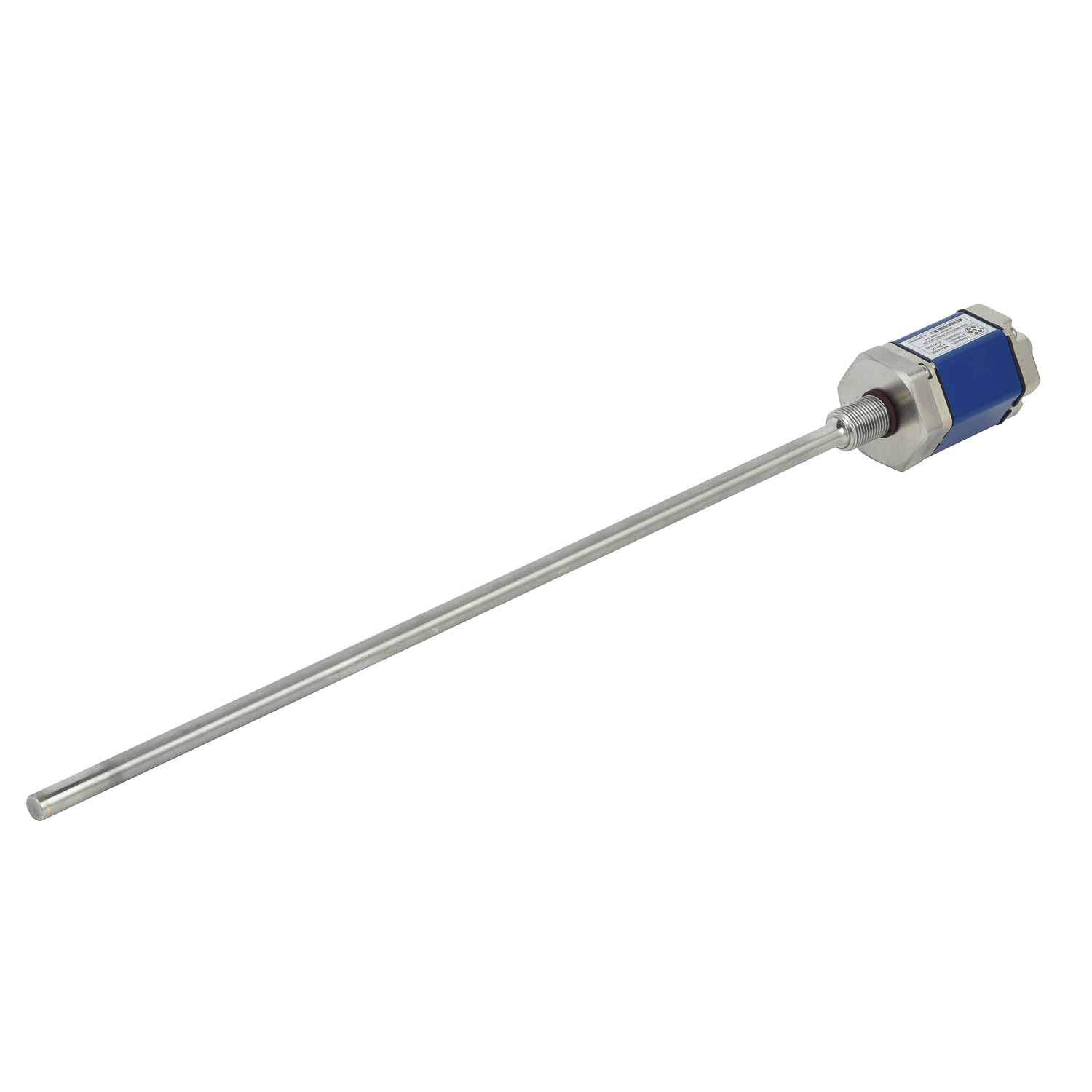 Metallurgy High-pressure Crane
 Mining High-temperature Crane
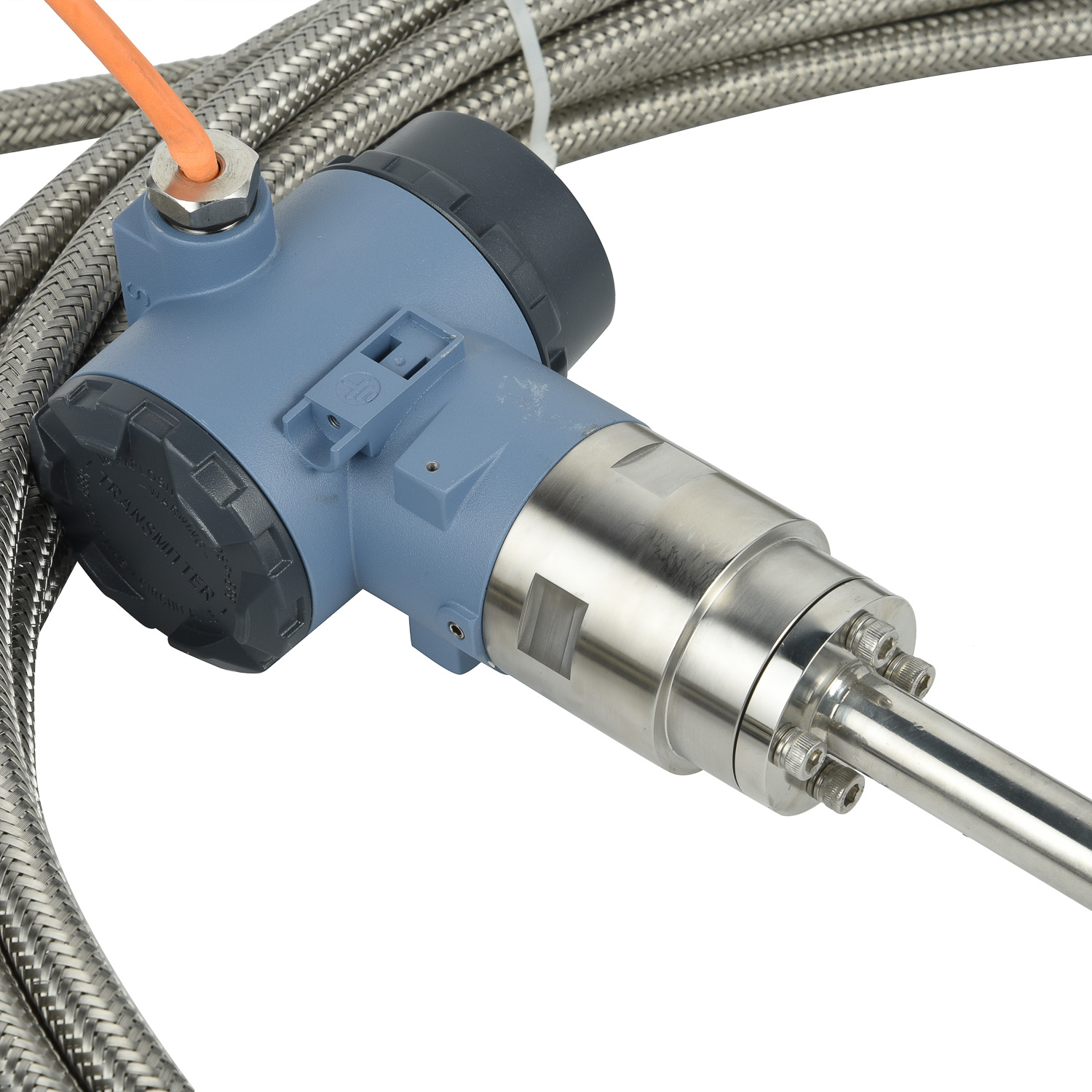 Port Explosion-proof Crane and
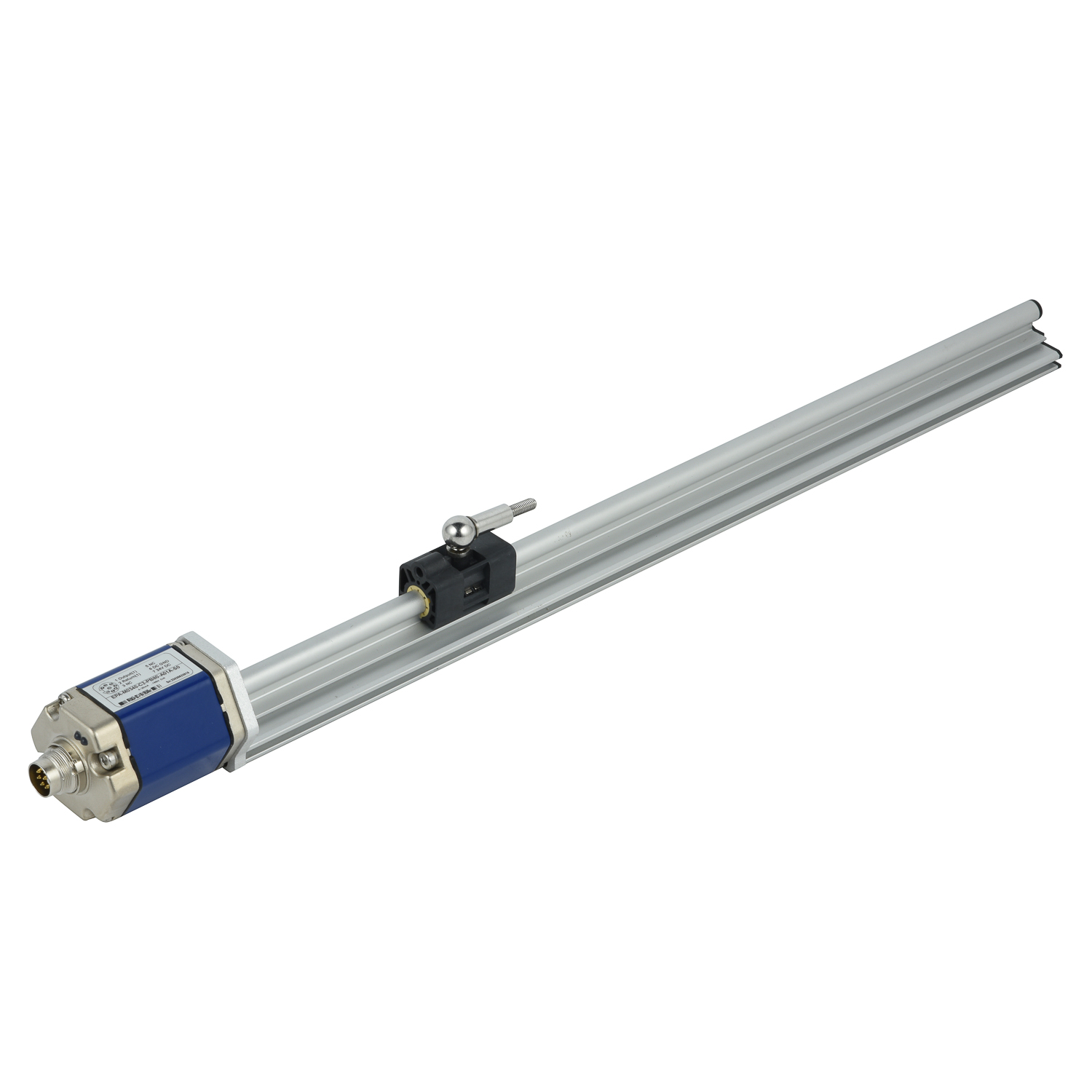 Hoist Explosion-proof Crane an