
Port Intrinsically Safe Explosion-proof Long-distance Positioning System Installation Method
Port intrinsically safe explosion-proof long-distance positioning system installation begins with a hazardous-area survey. Mark explosive zones, cable routes, power isolation points, and stable mounting structures. Confirm that readers, tags, gateways, and junction boxes carry the required intrinsic safety and explosion-proof certifications. Prepare permits, risk assessments, and as-built drawings before work starts. All devices must match the port's hazardous-area classification.
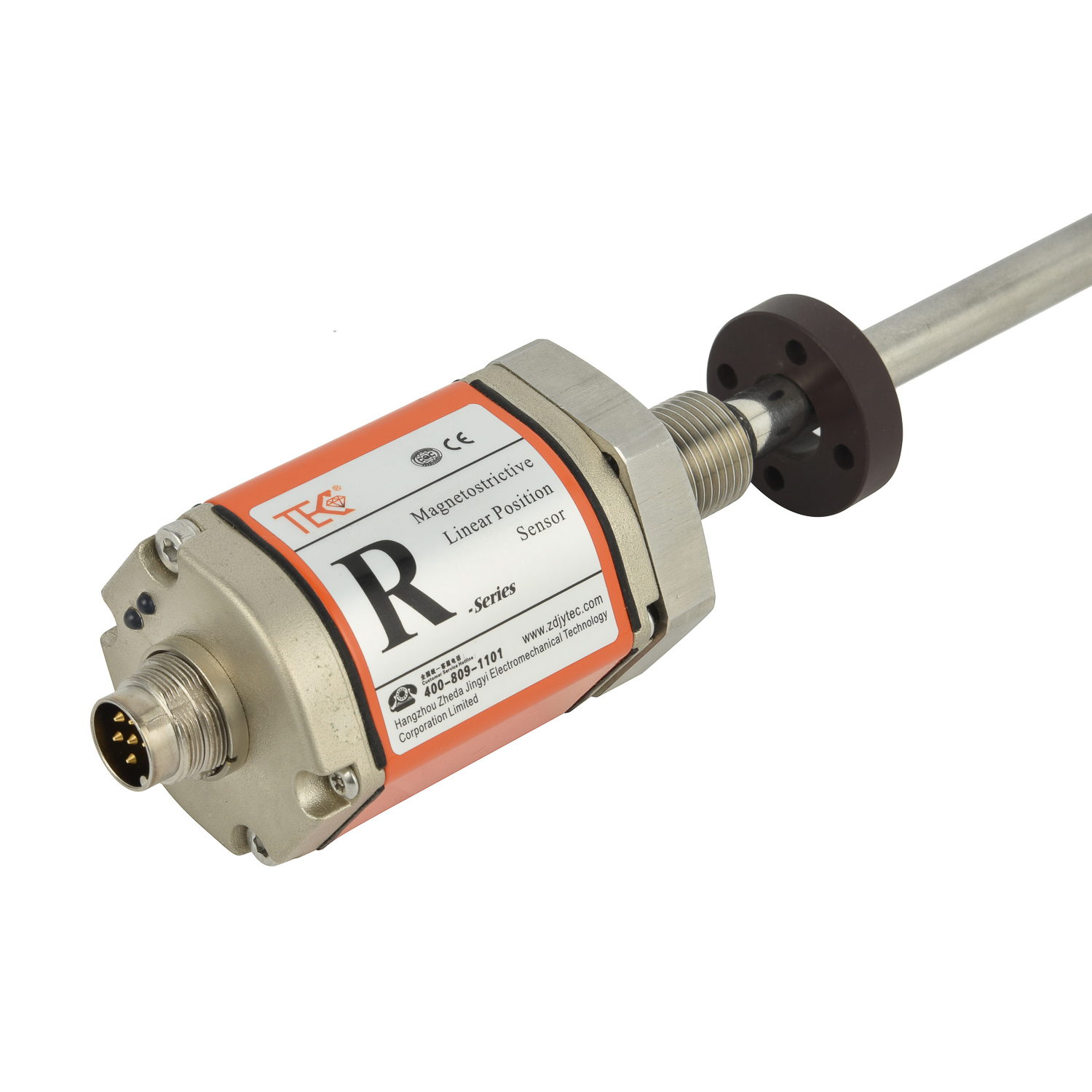
Mount base stations outside live loading areas and keep antennas clear of cranes, containers, and metal obstructions. Use approved shielded cables, certified glands, and dedicated trays. Separate signal cables from high-voltage lines and bond grounding points firmly. Align directional antennas, then test signal strength and ranging accuracy after each section.
Install intrinsically safe power and communication modules in a safe enclosure. Verify voltage, current, and isolation limits with calibrated instruments. Connect the positioning engine to the port network, configure tag IDs, and set geofences. Commission the system by checking heartbeat, handover stability, and alarm response. Record insulation, grounding, and explosion-proof inspection results. Keep records for compliance and audits.
Finally, label junction boxes, train operators, and schedule periodic inspections. This method improves safety, reduces interference, and ensures reliable long-distance positioning across port operations.
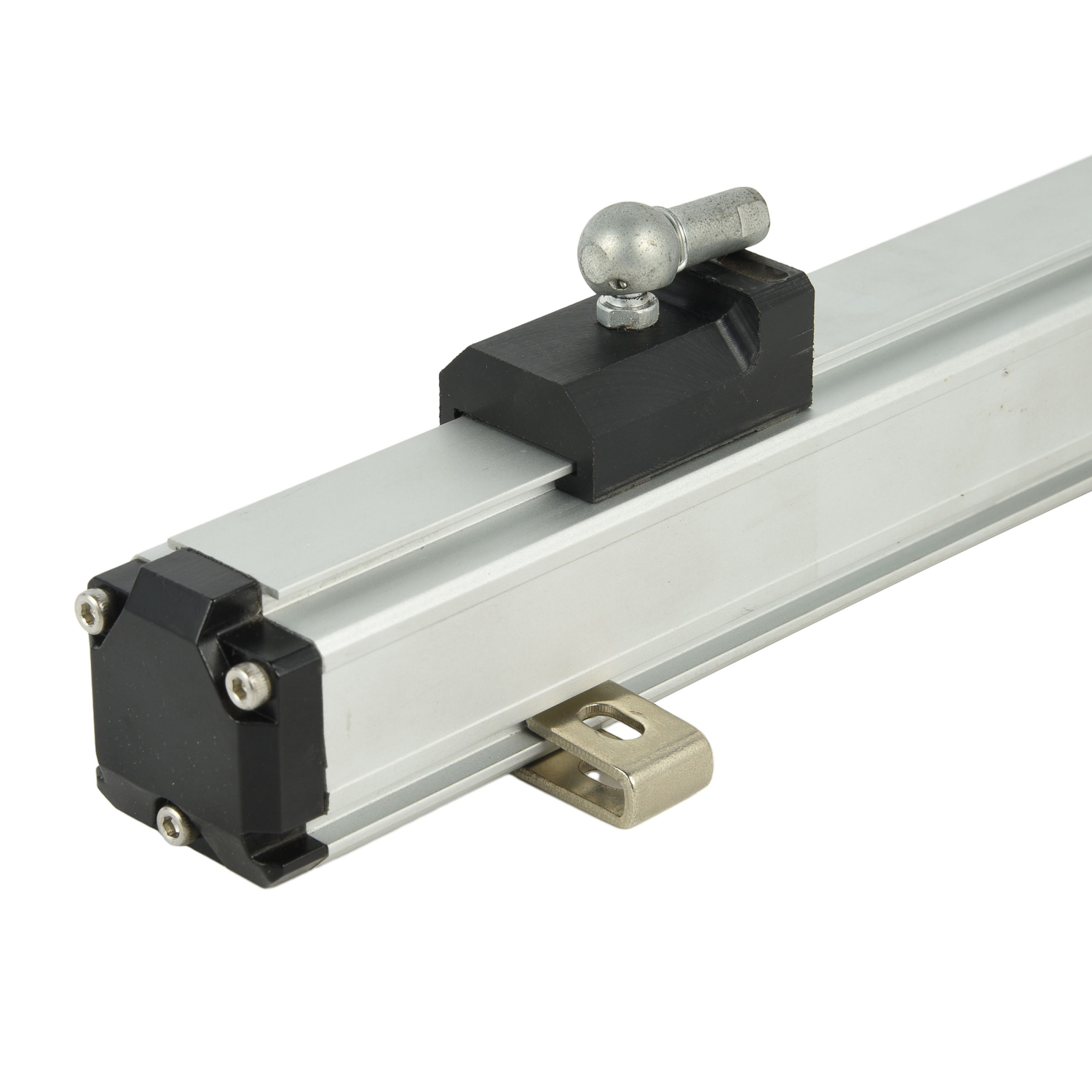 Grain and Oil Storage Tank Hig
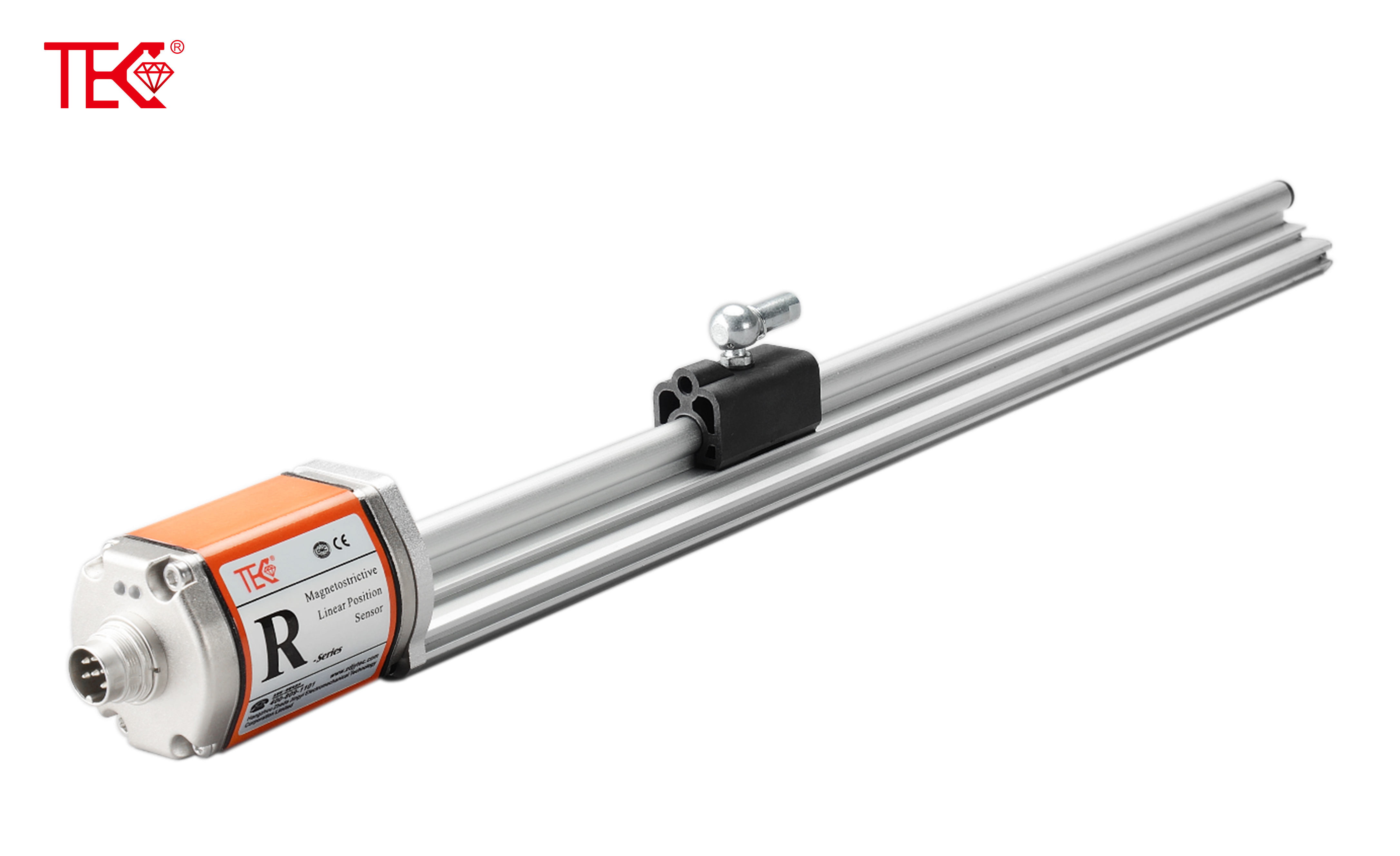 Mixing Station Silo Explosion-
 Shield Tunneling High-temperat
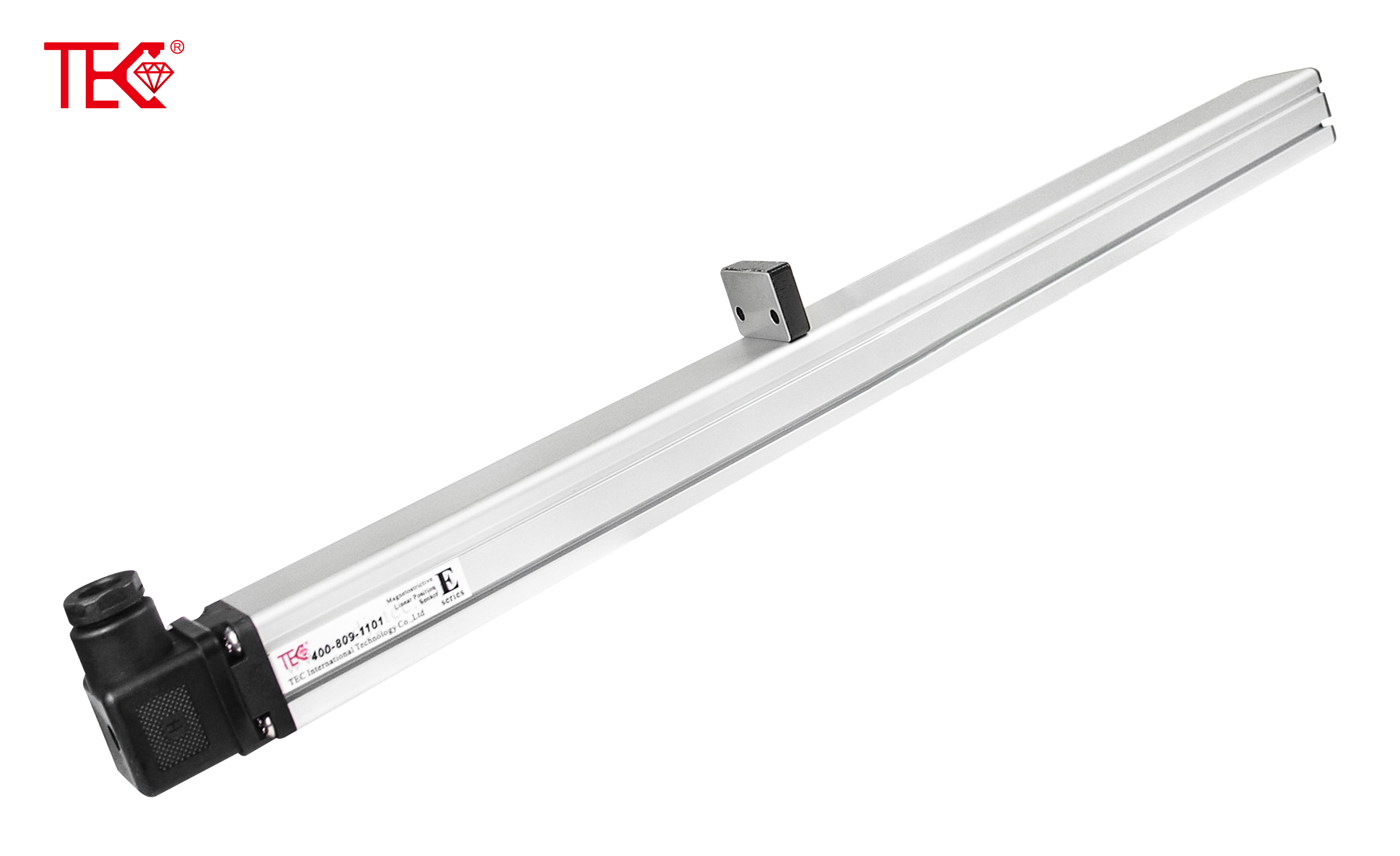 Injection Molding Die Casting