
Port Intrinsically Safe Explosion-proof Graybus Cable Installation Method
Installing Graybus cable in port hazardous areas requires a disciplined intrinsically safe and explosion-proof approach. First, verify area classification, gas group, temperature class, and the approved cable specification. Prepare a route that avoids mechanical damage, heat, corrosive salt spray, and electromagnetic interference. Keep the Graybus cable separate from power cables; maintain the specified minimum distance and use dedicated trays or conduits where required.
Use certified explosion-proof glands and seals at enclosure entries. Terminate shields according to the system design, bond metallic armor or screens at the designated point only, and connect equipotential bonding to the port grounding system. Do not create unintended ground loops. For intrinsically safe circuits, install only approved barriers or isolators, label all cables clearly, and keep non-IS circuits in separate ducts. Protect exposed sections with UV-resistant and salt-resistant conduit. Maintain bend radius, support spacing, and pull tension within manufacturer limits. Only trained personnel should perform installation, and work should be coordinated with port operations to prevent accidental damage.
After installation, inspect glands, seals, bonding, and segregation. Perform continuity, insulation, shield, and intrinsic safety parameter checks before energization. Record as-built routes, terminations, and test results, and update hazardous area documentation. Periodic inspection should check corrosion, loose glands, cable damage, and labeling. Following these steps improves reliability, reduces ignition risk, and ensures safe Graybus communication in port operations.
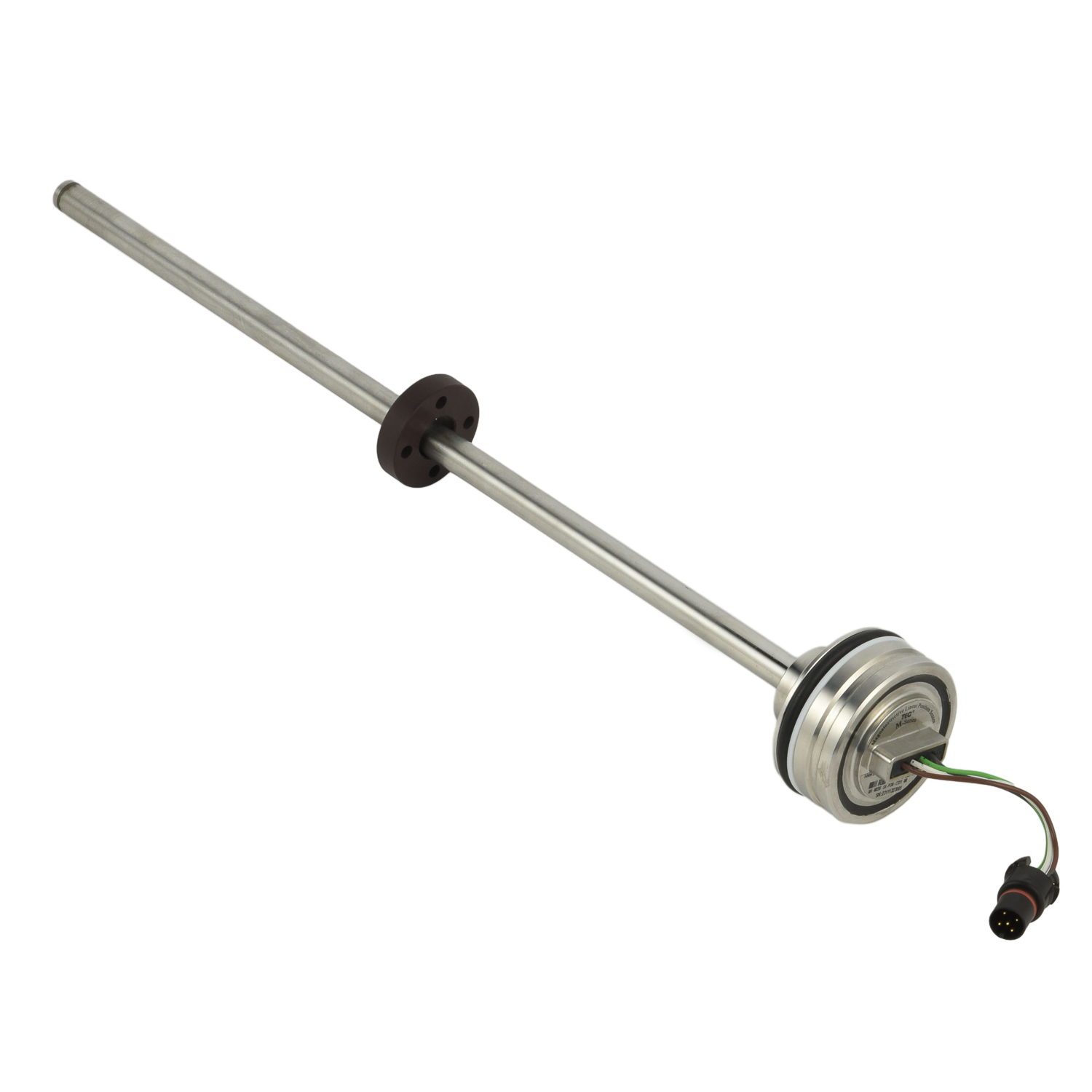
 Mining High-temperature Crane
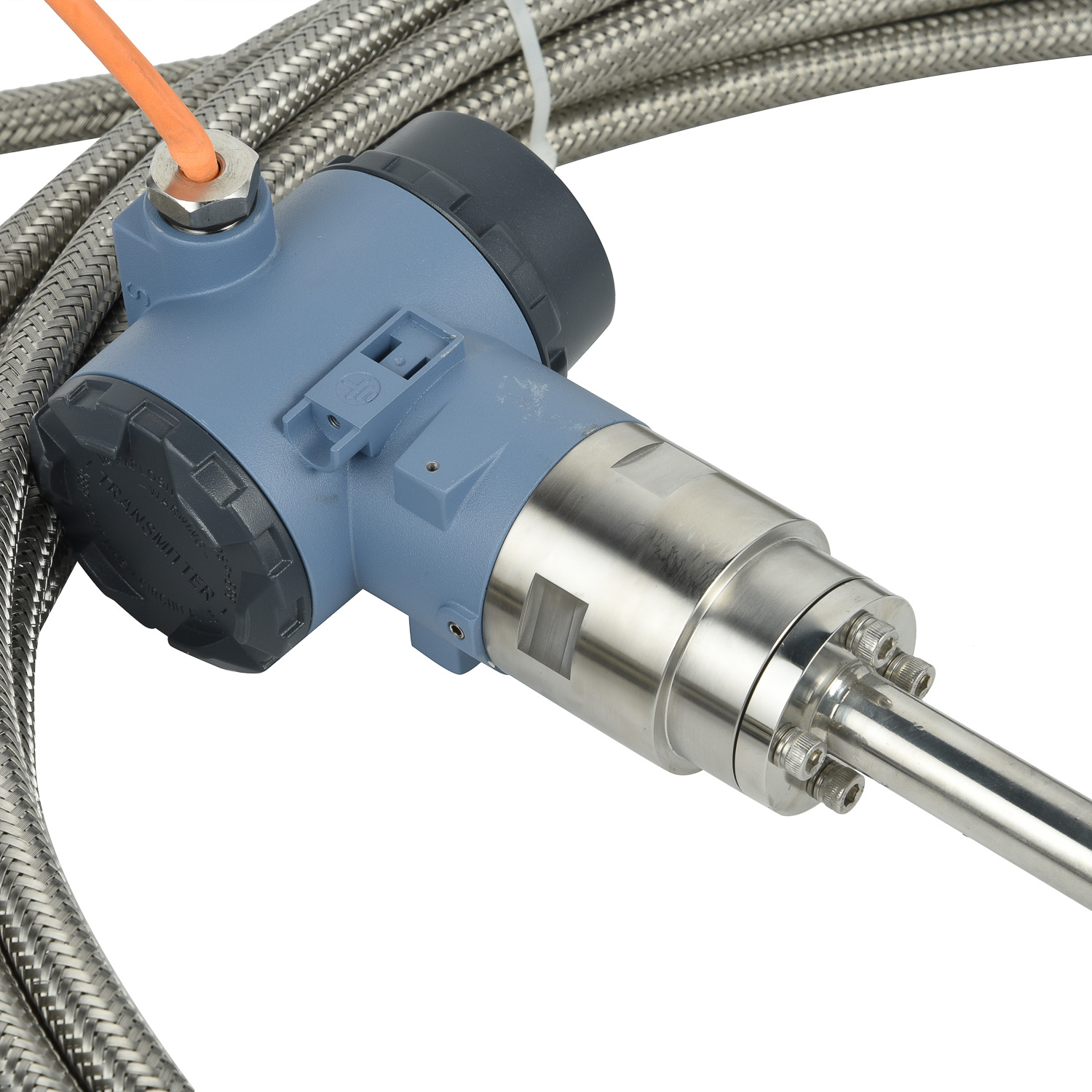 Port Explosion-proof Crane and
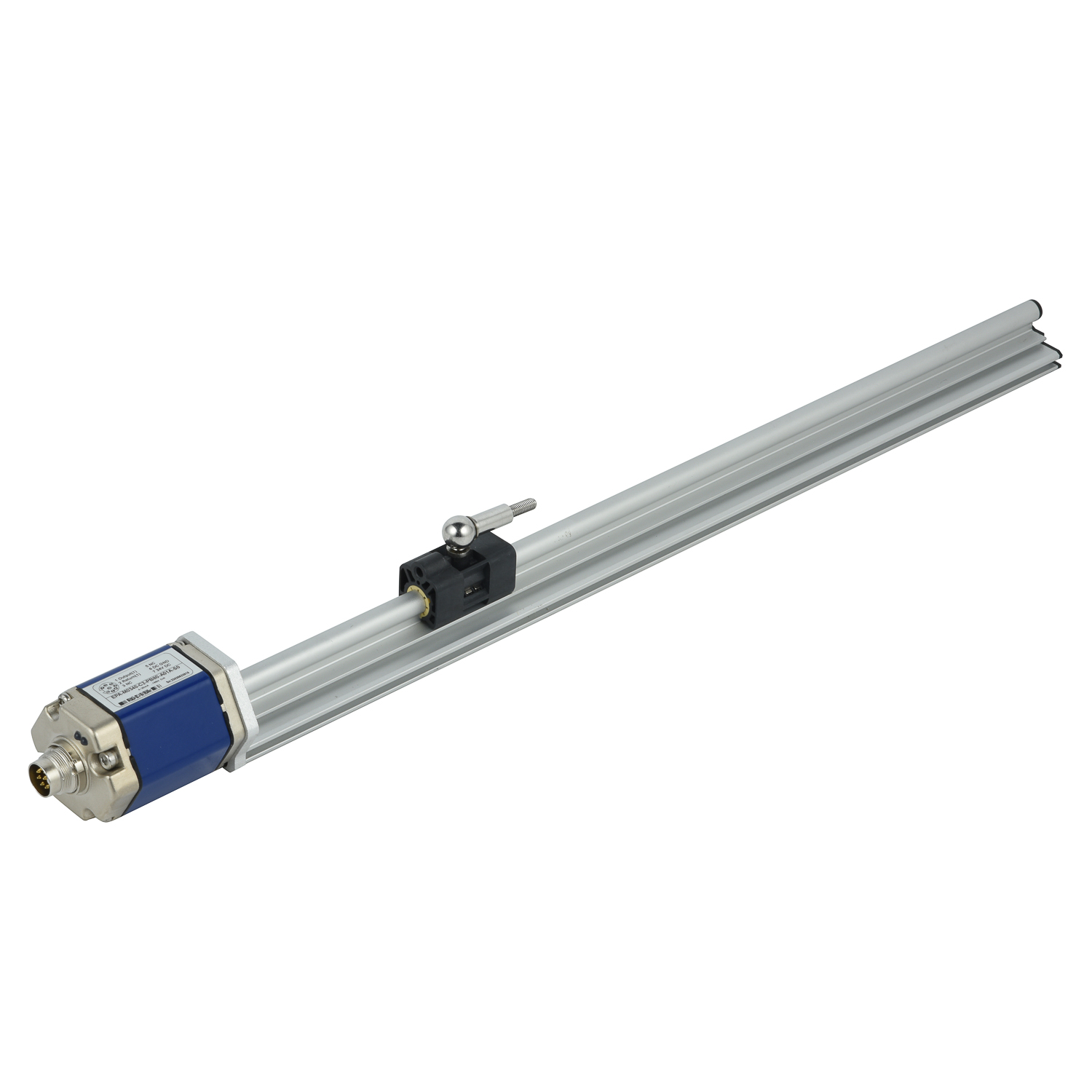 Hoist Explosion-proof Crane an
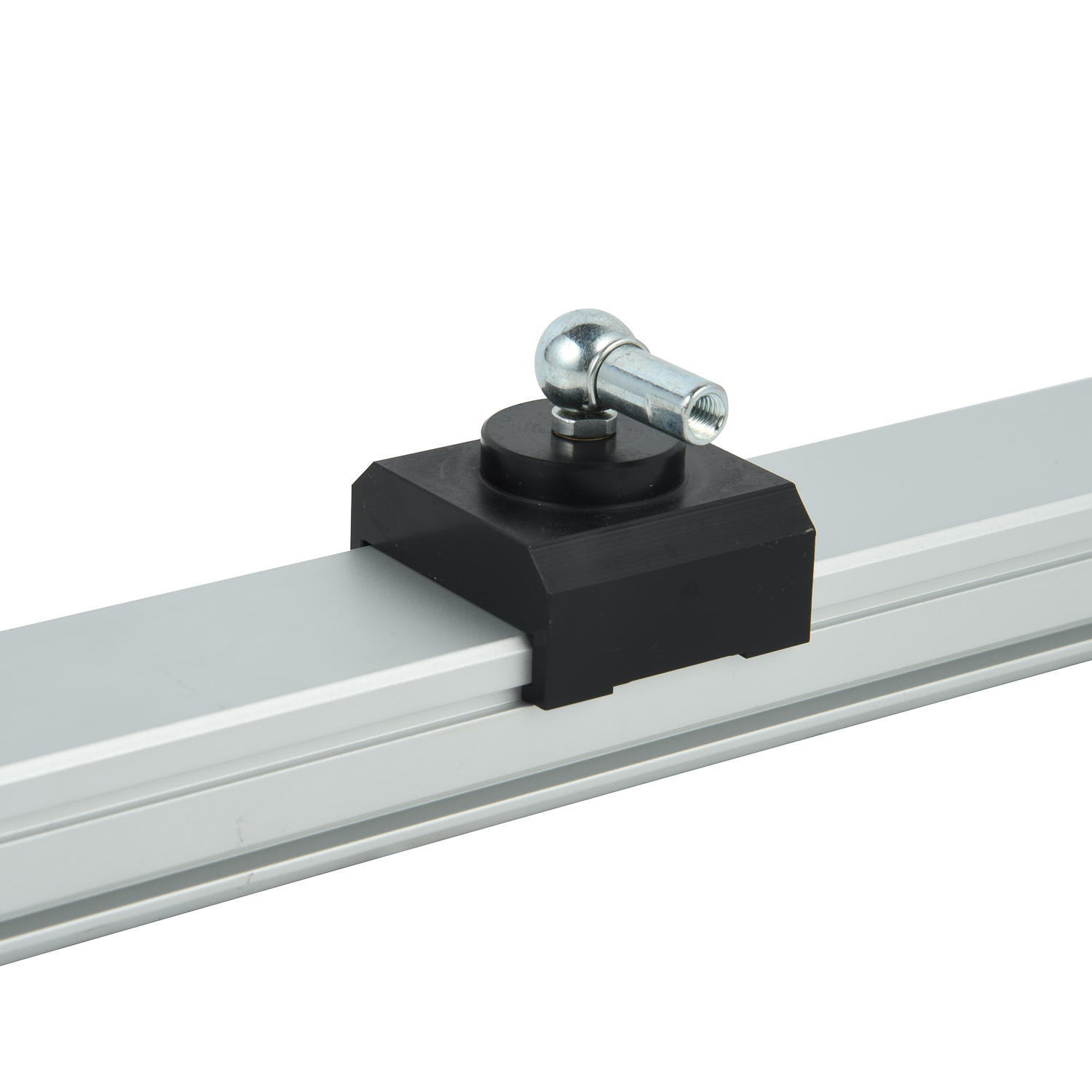 Gate Intrinsically Safe Explos