
Water Conservancy Corrosion-resistant Graybus Cable Working Principle
Water conservancy corrosion-resistant Graybus cables are engineered to carry stable bus signals and low-power control data in dams, pumping stations, sluice gates, and wet tunnels. Their working principle combines balanced differential transmission with layered physical protection. Twisted copper conductors transmit equal and opposite signals; electrical noise from motors, inverters, and lightning couples equally into both wires and cancels at the receiver, so data remains readable. Foil and braided shields, together with a drain wire, create a low-impedance grounding path that limits electromagnetic interference and keeps shield potential stable. The corrosion-resistant outer jacket and moisture barrier block water, humidity, salt spray, and mild chemicals from reaching the insulation and conductors. This preserves insulation resistance, capacitance, and characteristic impedance, which are critical for reliable Graybus communication. A galvanized steel wire braid adds tensile strength, crush resistance, and anti-rodent protection while maintaining shield continuity. When the cable connects PLCs, sensors, flow meters, and remote I/O, its stable electrical parameters support long-distance routing under vibration and temperature changes. Correct grounding, sealed connectors, waterproof glands, and controlled bend radius are essential; otherwise moisture ingress or shield loops can degrade signal quality. In practice, the cable acts as a protected signal path: differential pairs carry data, shields divert interference, and the anti-corrosion sheath maintains the internal environment. This coordinated design enables continuous monitoring and control in humid, chemical, and outdoor water conservancy projects, reducing maintenance and improving operational safety.
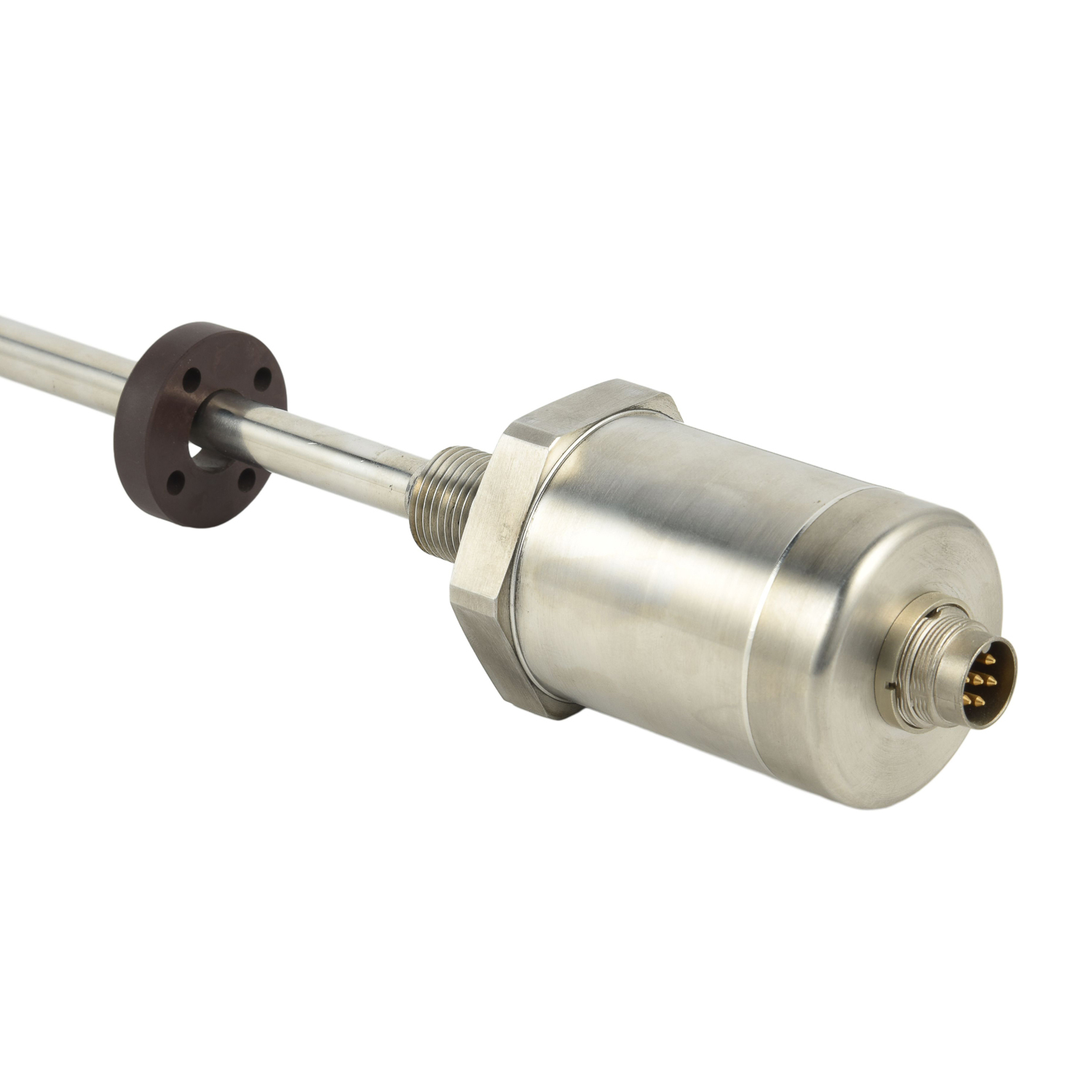
 Mining High-temperature Crane
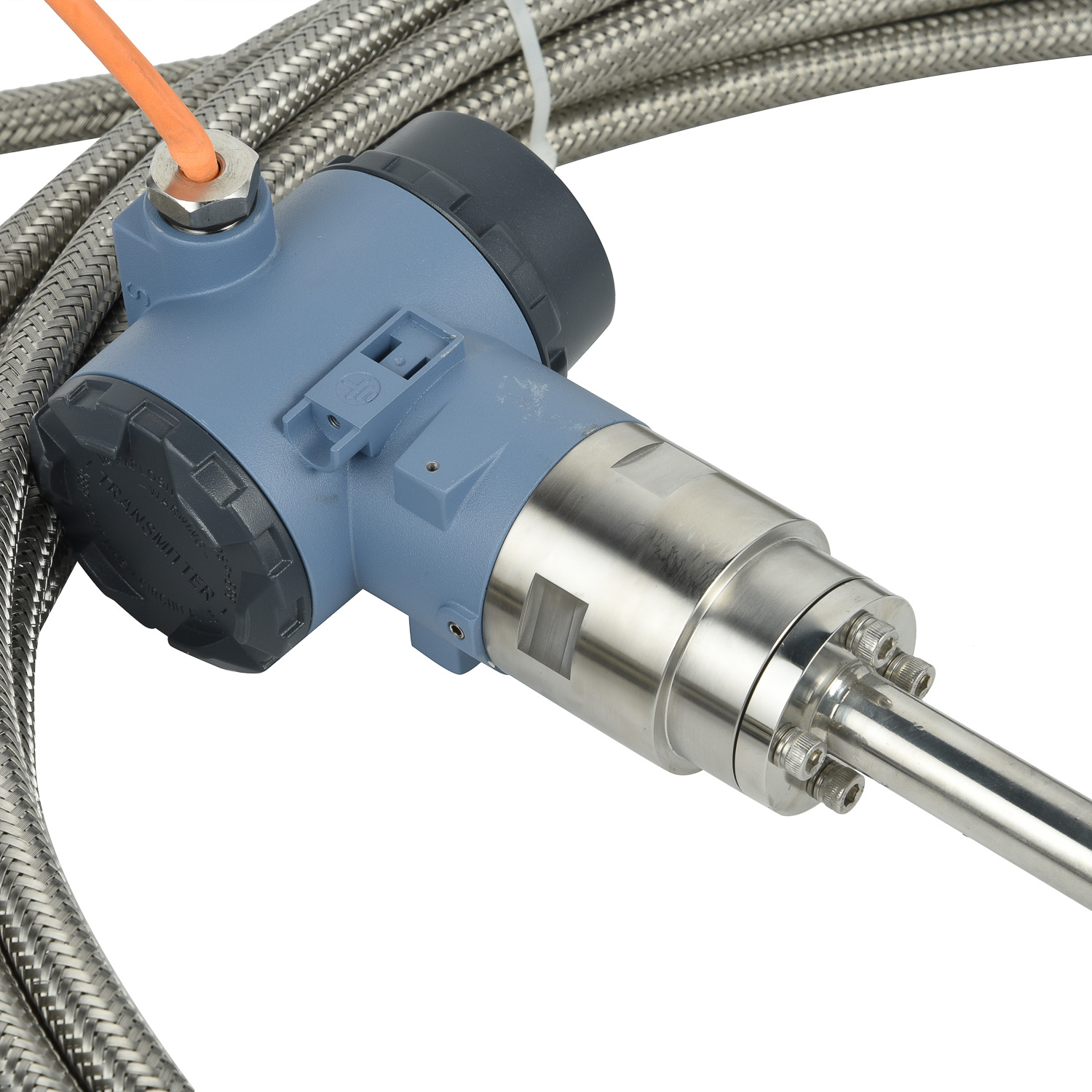 Port Explosion-proof Crane and
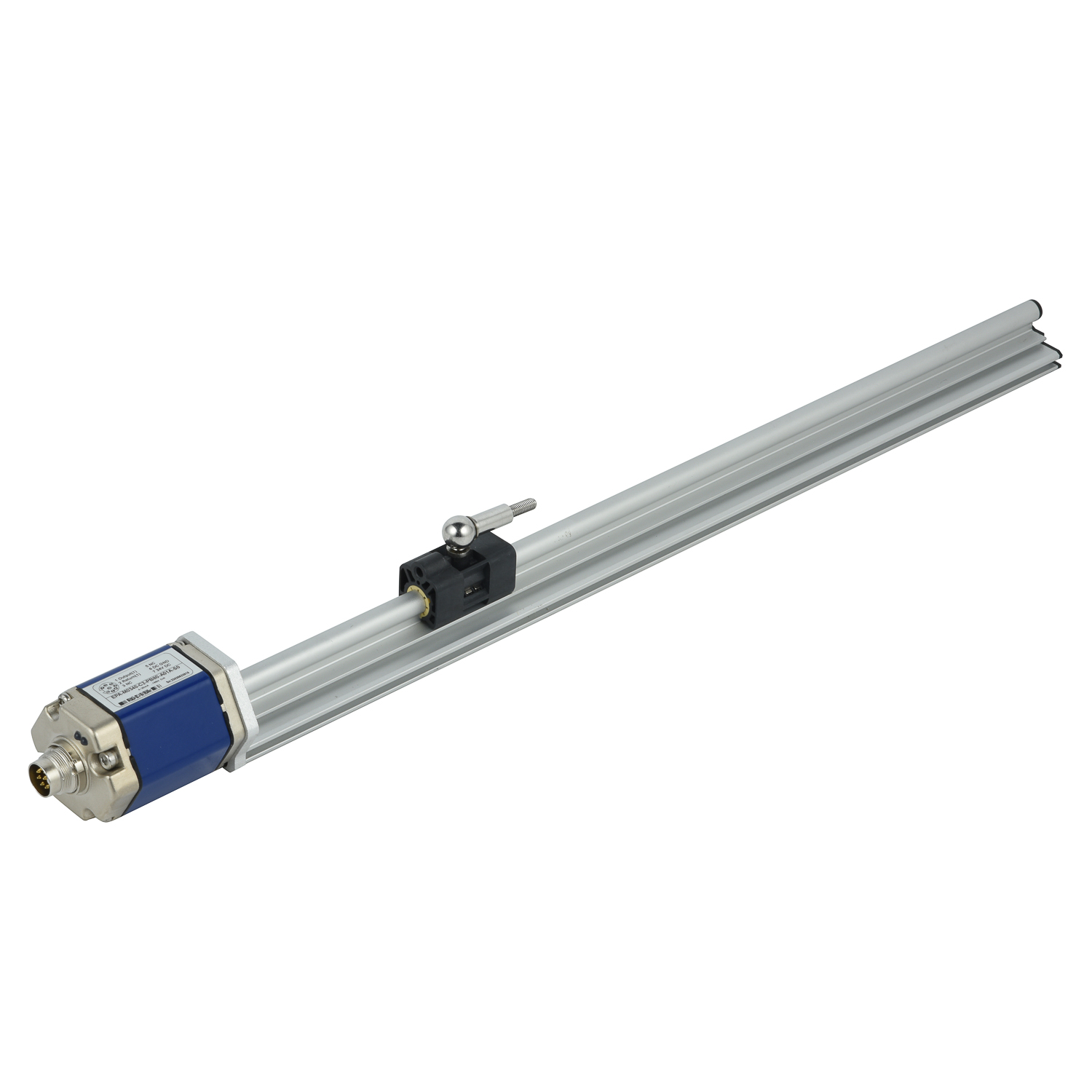 Hoist Explosion-proof Crane an
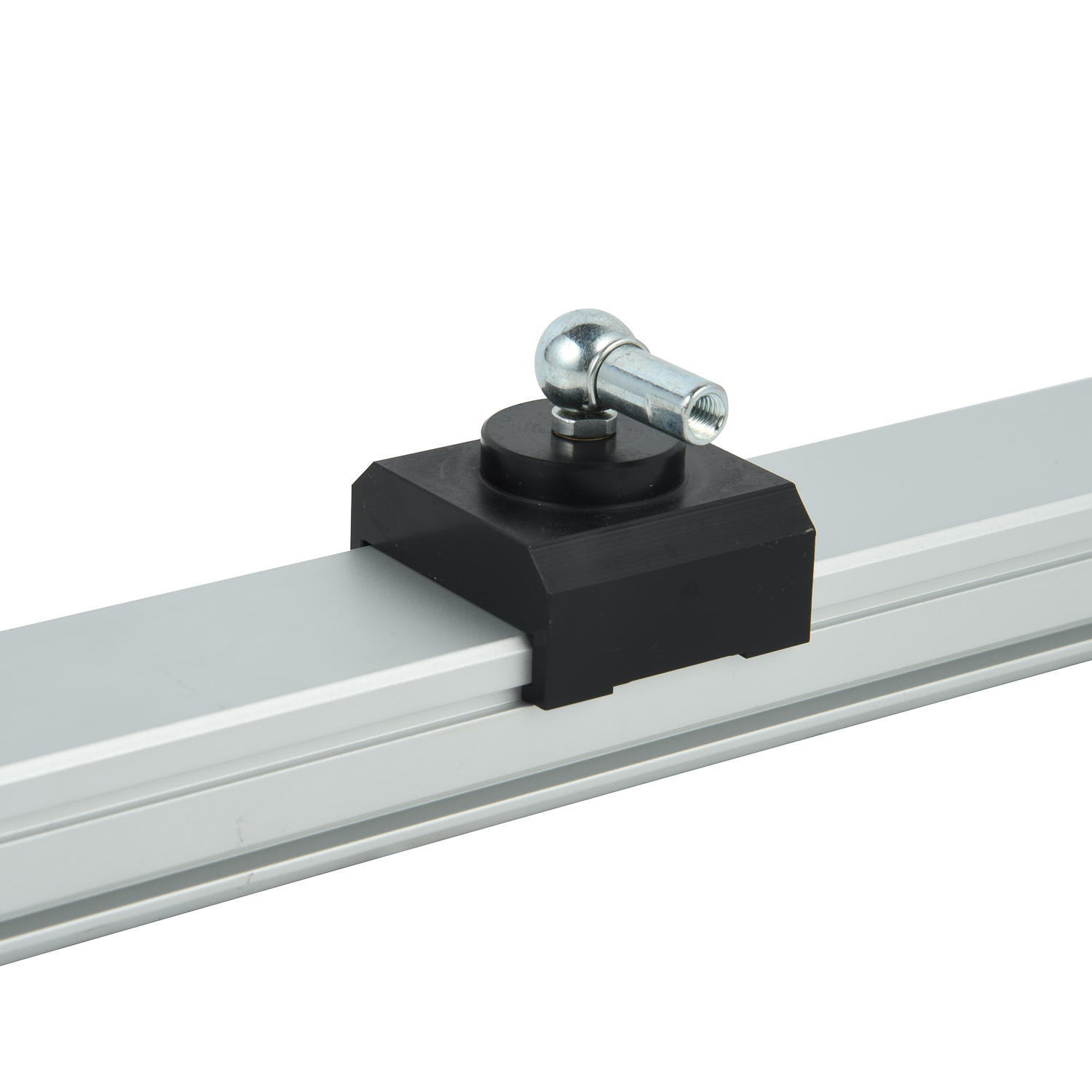 Gate Intrinsically Safe Explos