
Chemical Industry High-pressure Graybus Cable Price
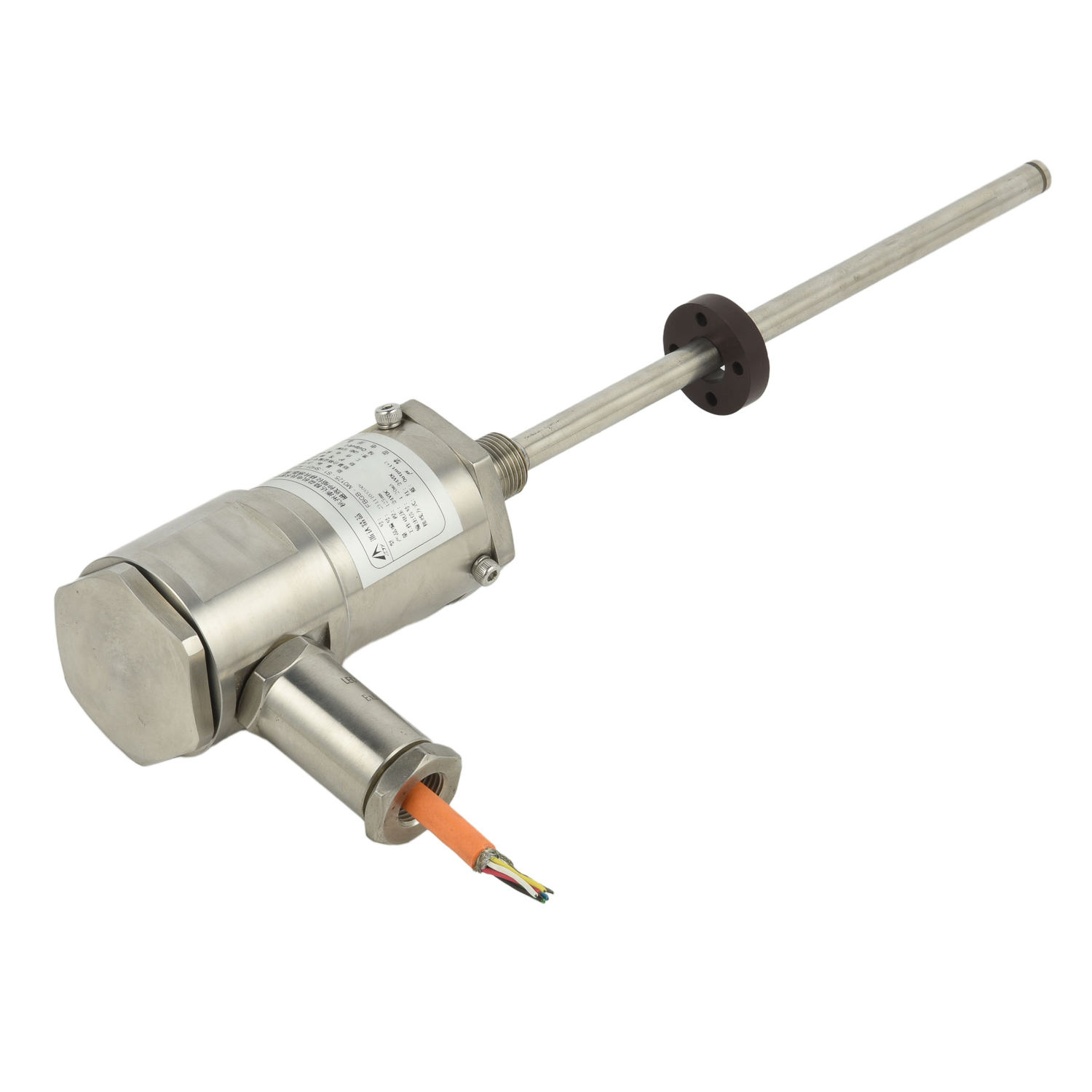
In the chemical industry, high-pressure Graybus cable price reflects safety, durability, and compliance—not just cost per meter. These cables must resist aggressive chemicals, moisture, heat, vibration, and mechanical stress while maintaining reliable signal or power transmission. Buyers should compare quotations against service life, certification, and failure risk, not only the initial number. Market prices also move with copper indices, energy costs, and shipping rates.
Material choice is the main cost driver. Chemically resistant jackets, reinforced shielding, high-pressure insulation, and flame-retardant layers raise the unit price but reduce downtime. Armoring and custom connectors can add 15–40%. Cable design should match pressure, temperature, and chemical exposure. Thin or non-compliant materials may look cheaper but often fail in harsh service. Hazardous-area certifications, RoHS, and test reports also increase documentation costs.
Order volume and specifications matter. Standard lengths and common cores cost less; custom lengths, color coding, and private labeling require setup. Copper and specialty polymer prices affect quotations, so confirm price validity, MOQ, and lead time. Suppliers with local stock may quote higher but shorten urgent project schedules. For chemical plants, low-price cables can be false economy because one failure may cause safety incidents and costly maintenance.
To get an accurate high-pressure Graybus cable price, provide operating voltage, pressure rating, conductor size, core count, shielding type, jacket material, length, and certification needs. Request samples, test reports, and references, then compare at least three suppliers on warranty and after-sales support. A clear specification prevents hidden costs and speeds quotation.
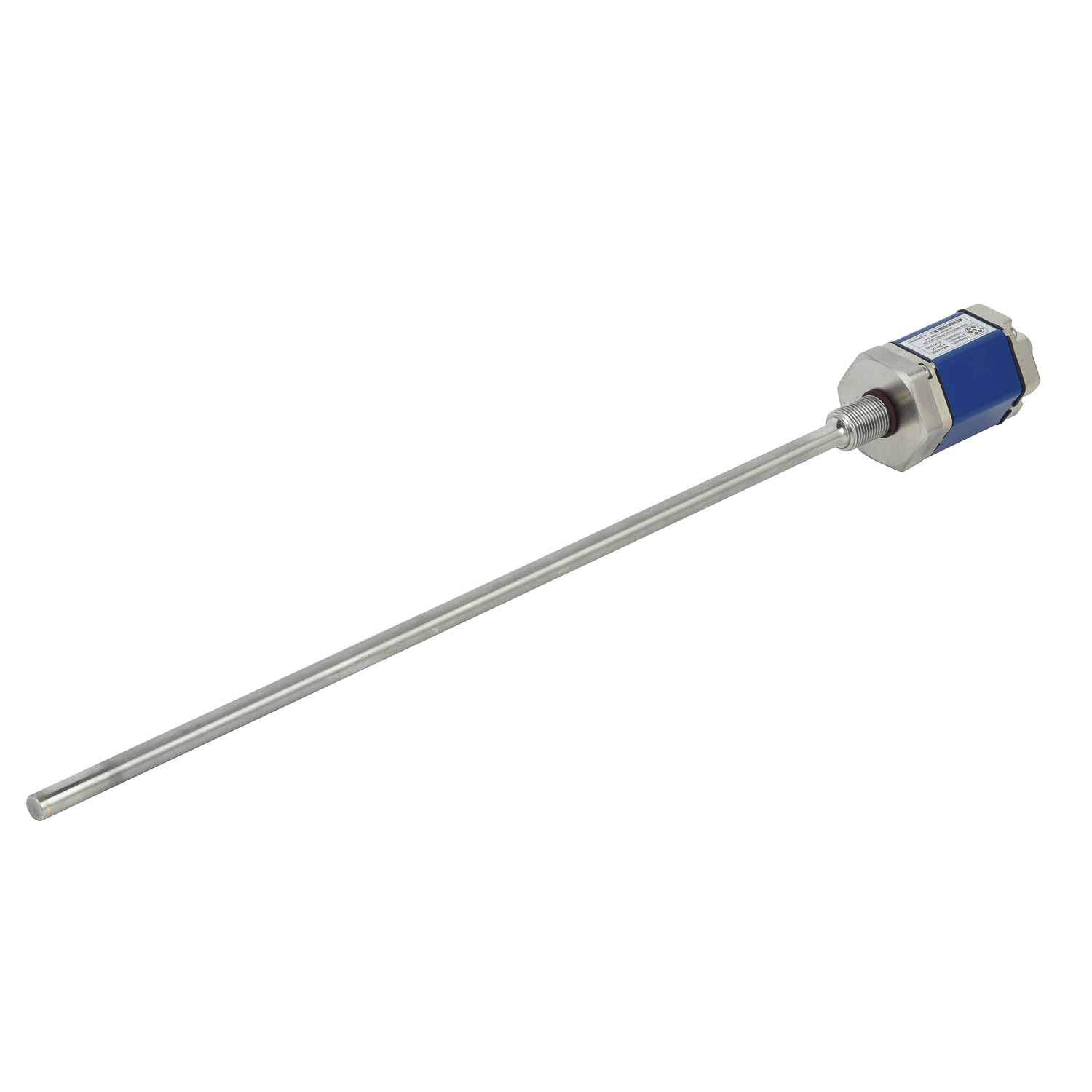 Metallurgy High-pressure Crane
 Mining High-temperature Crane
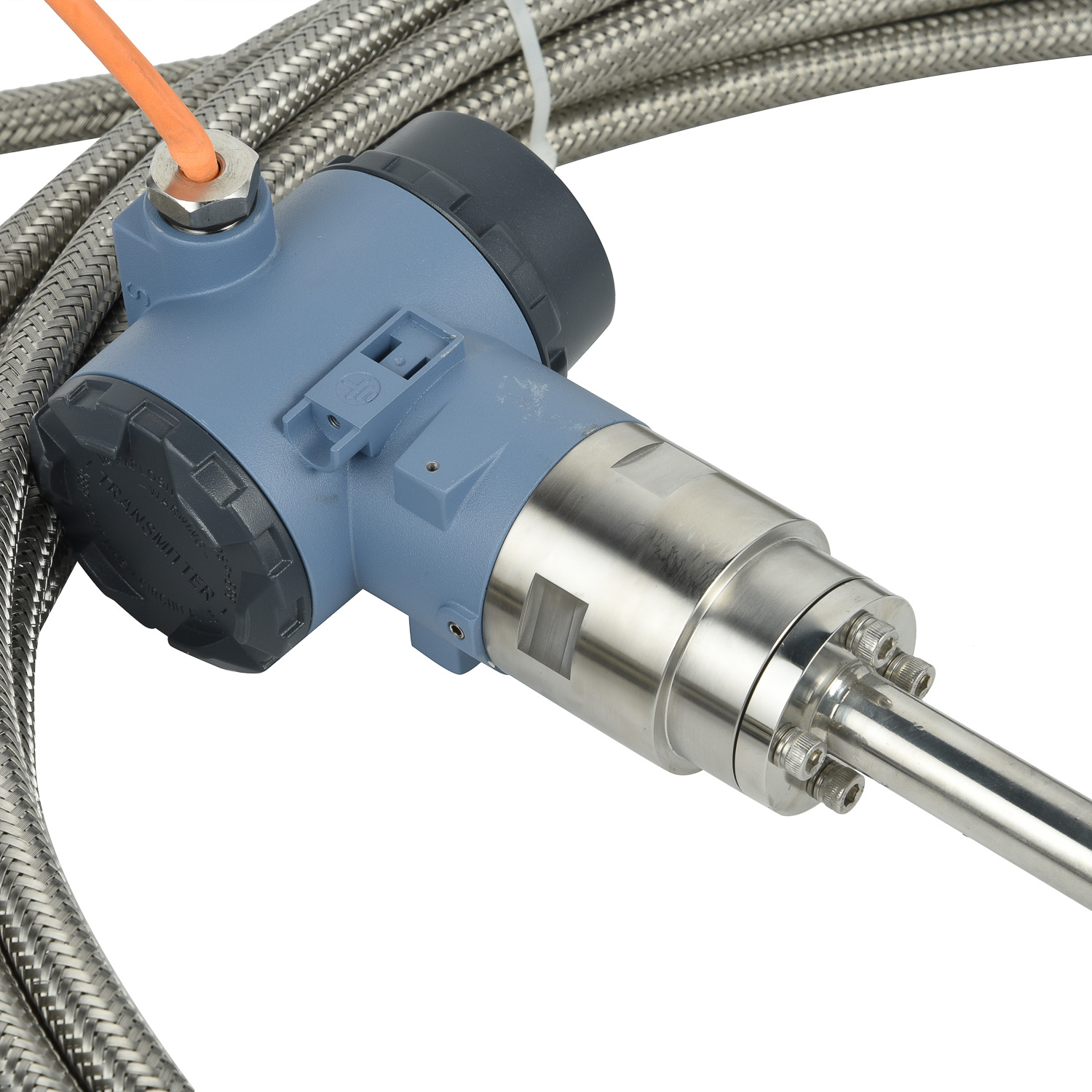 Port Explosion-proof Crane and
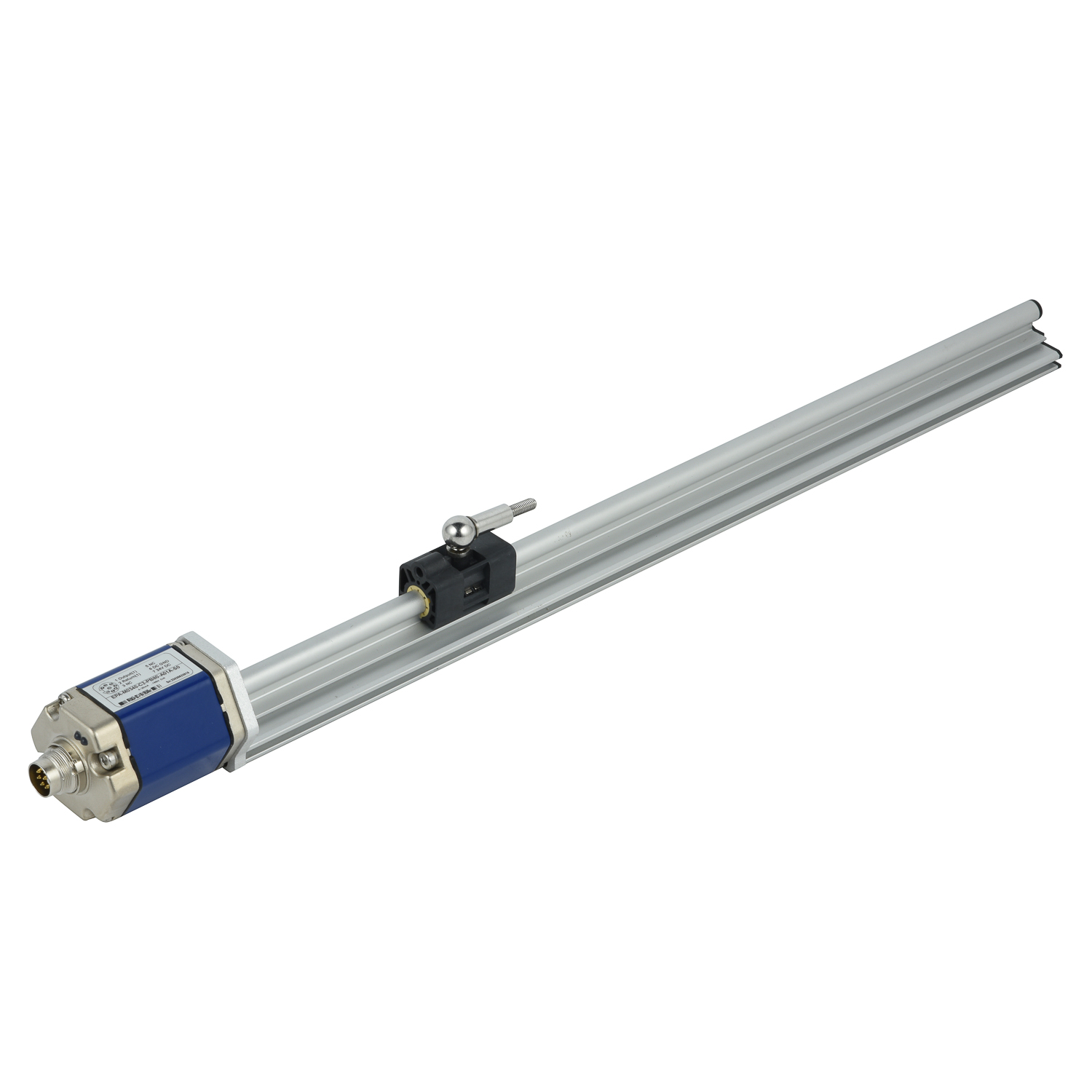 Hoist Explosion-proof Crane an