
Grain and Oil Storage Tank Reaction Kettle High-pressure Graybus Cable Price
When selecting a high-pressure Graybus cable for grain and oil storage tanks and reaction kettles, buyers often compare price, reliability, and safety rather than initial cost alone. These cables support stable data and power transmission in automated monitoring, temperature control, level sensing, and mixing systems. Because the working environment may involve moisture, oil mist, vibration, and pressure, the cable structure must match the actual installation conditions for long-term safety.
The price of a high-pressure Graybus cable is influenced by conductor material, insulation compound, shielding layers, armor, outer jacket, pressure rating, and length. Copper thickness, flame-retardant or oil-resistant sheathing, and robust EMI protection usually increase cost but improve service life. Certifications, factory testing, delivery time, and order quantity also affect quotations. A standard cable may suit normal tank areas, while a reinforced design is safer for reaction kettles with heat, chemical exposure, or frequent movement.

For grain and oil storage projects, choose a cable rated for the required pressure, temperature, and bending radius. Confirm compatibility with Graybus communication protocols and the control system. Ask suppliers for datasheets, test reports, and application references. Comparing total installed cost, including maintenance and downtime, is more useful than choosing the lowest unit price. Reliable high-pressure Graybus cables help keep tank monitoring accurate and production continuous.
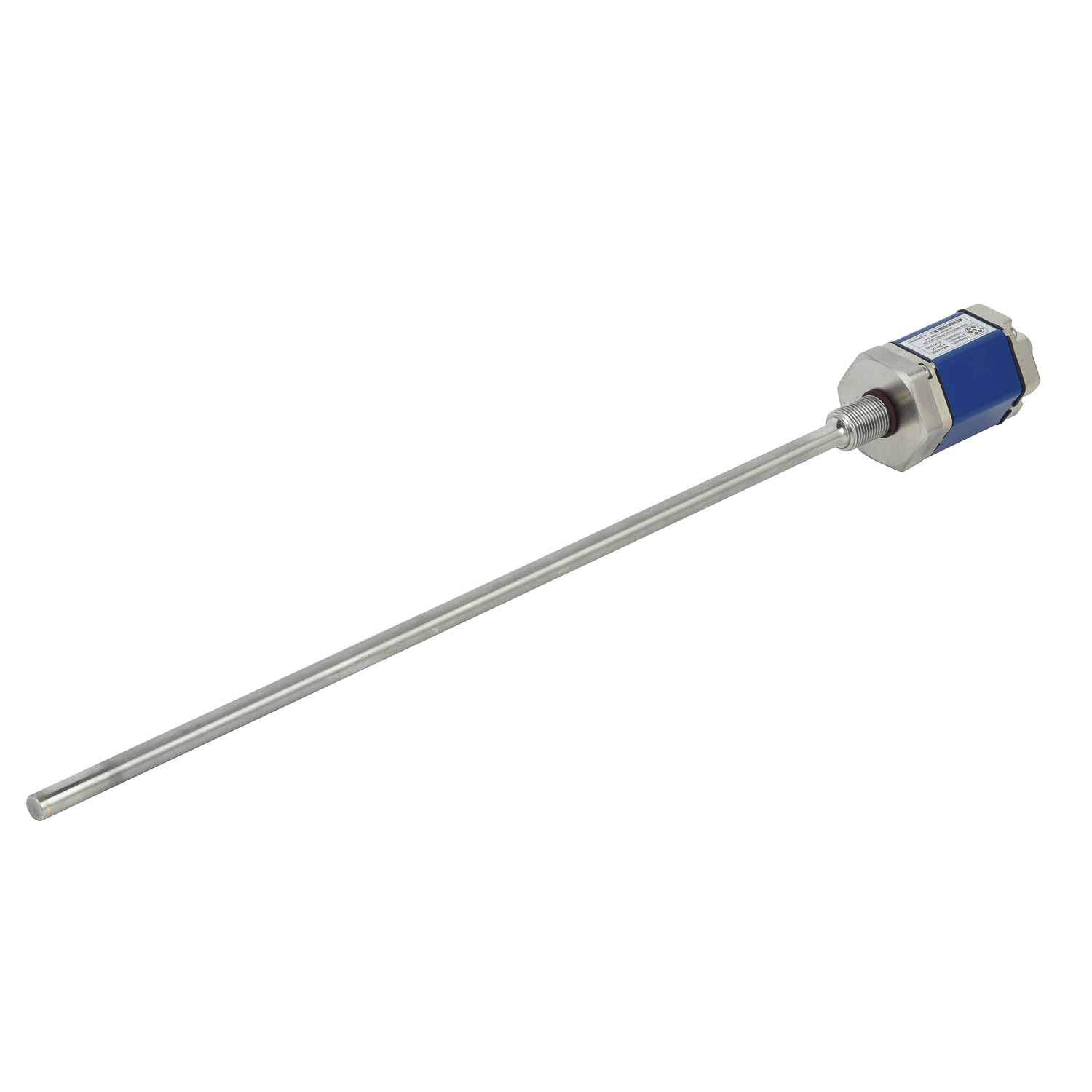 Metallurgy High-pressure Crane
 Mining High-temperature Crane
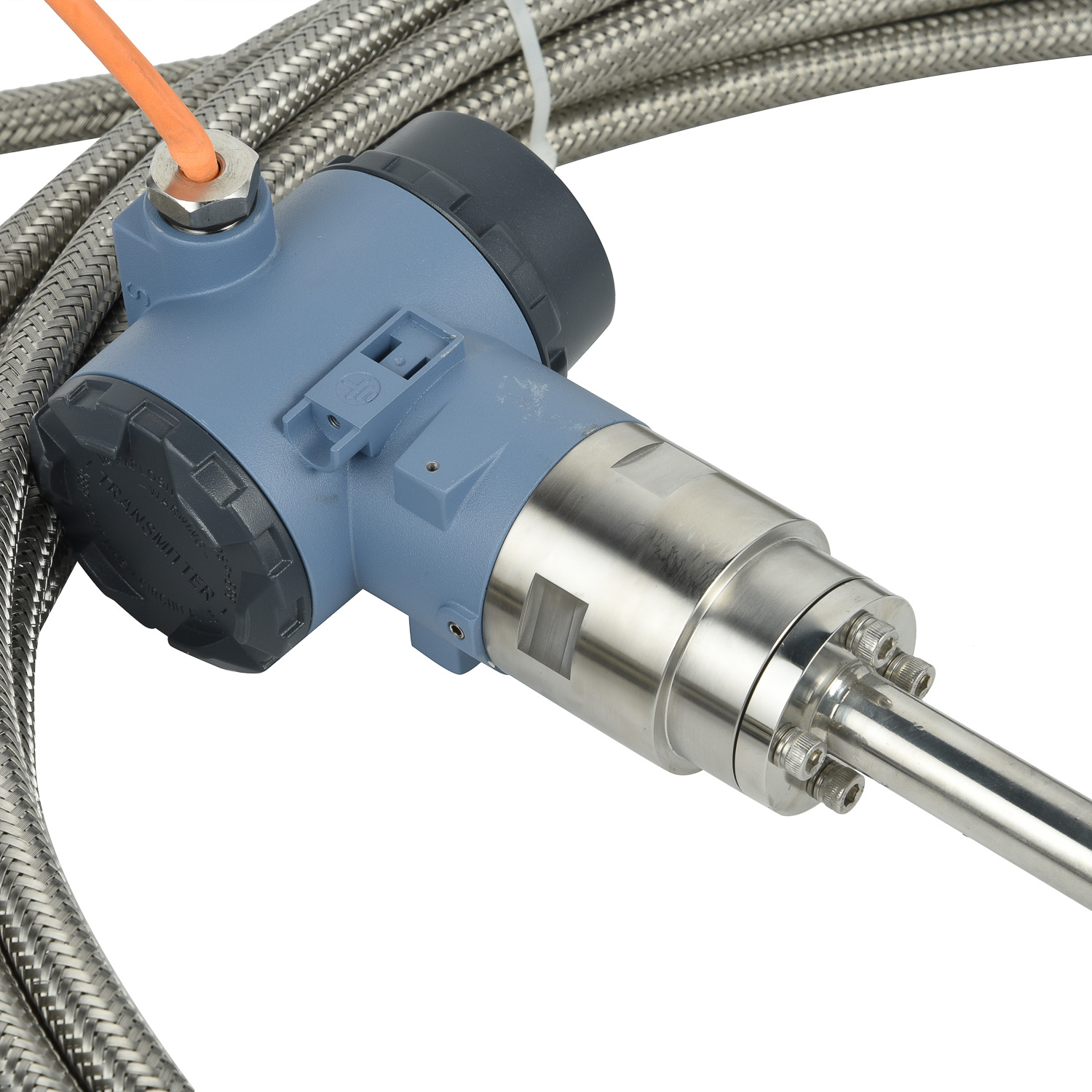 Port Explosion-proof Crane and
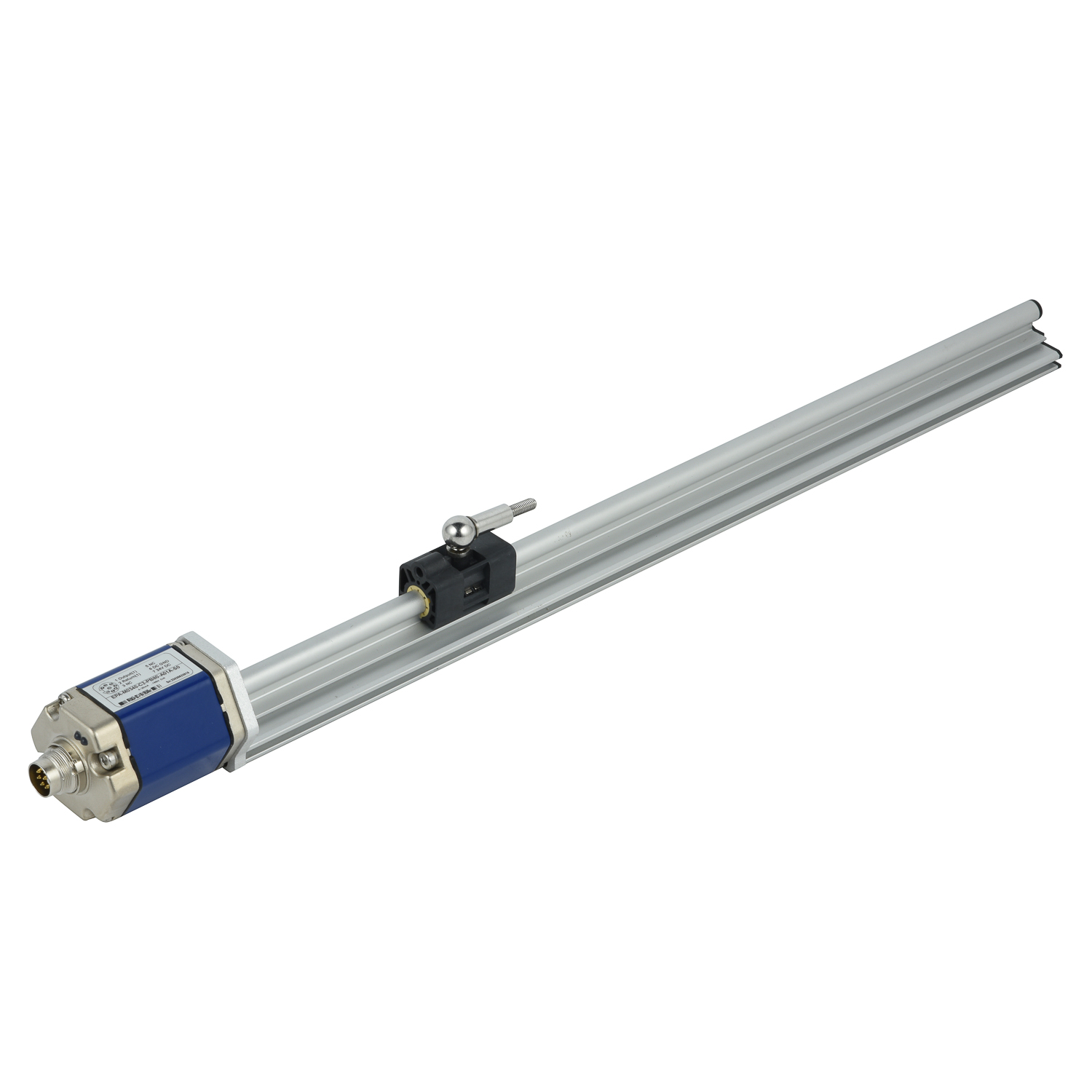 Hoist Explosion-proof Crane an